What to Ask About a Birman Line’s Heart Scans
Birman cat heart scan questions help buyers identify hypertrophic cardiomyopathy risks before purchasing healthy kittens.

Birman cat heart scan questions help buyers identify hypertrophic cardiomyopathy risks before purchasing healthy kittens.
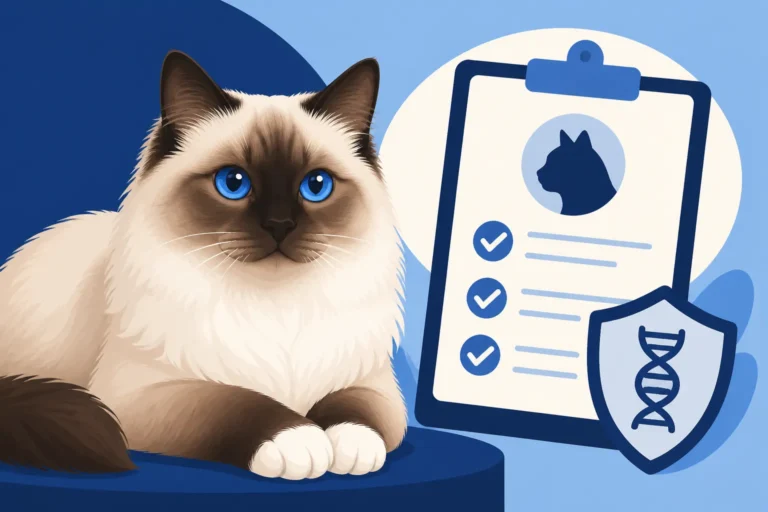
Birman kitten paperwork featuring FOXN1 genetic test results prevents hypotrichosis with thymic aplasia and fatal infections.

A Birman health guarantee explains breeder responsibilities for heart disease, genetic disorders, and infectious conditions in kittens.
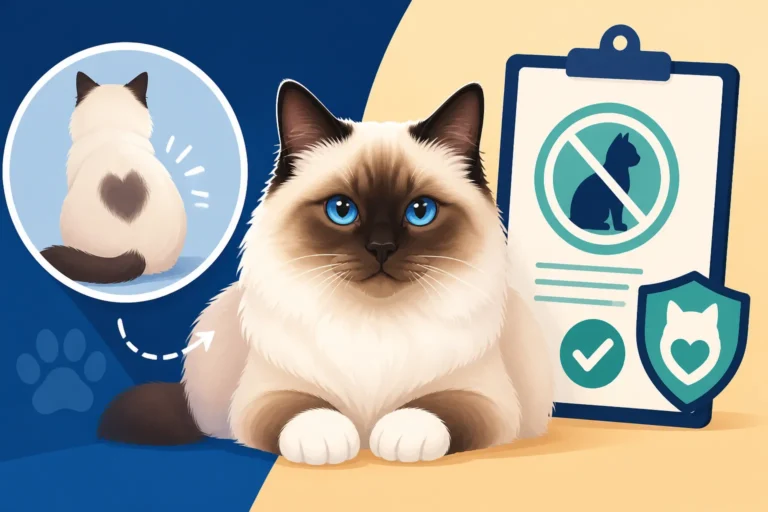
Mismarked Birman kittens feature aesthetic variations like uneven paw gloves and are sold on neuter contracts by responsible breeders.

Official registration papers confirm a Birman cat breed lineage, parentage, and color, but rarely detail glove markings.
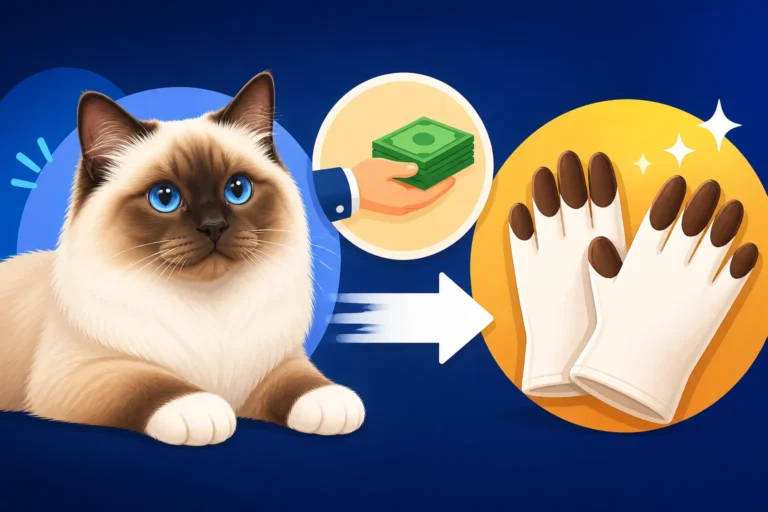
Birman kitten deposits are paid before white gloves are final because early markings and coloration develop slowly over weeks.

Birman kitten waitlists are longer because breeding symmetrical white gloves and V-shaped laces on hind paws is extremely rare.

Tabby point Birman cat pricing factors, coat patterns, and blue eyes explain the overall cost of buying these striped pointed companions.

Lilac and cream point Birman kittens cost more due to intricate genetics, pedigree, and health screening like DNA testing for HCM.

Blue Point Birman kitten purchase prices depend on breeder health testing for conditions like HCM and PKD, plus white glove markings.