How Long a Birman Breeder Stands Behind a Kitten
Birman breeder health guarantees cover initial viruses, parasites, and genetic conditions like PKD1 for specific timeframes.
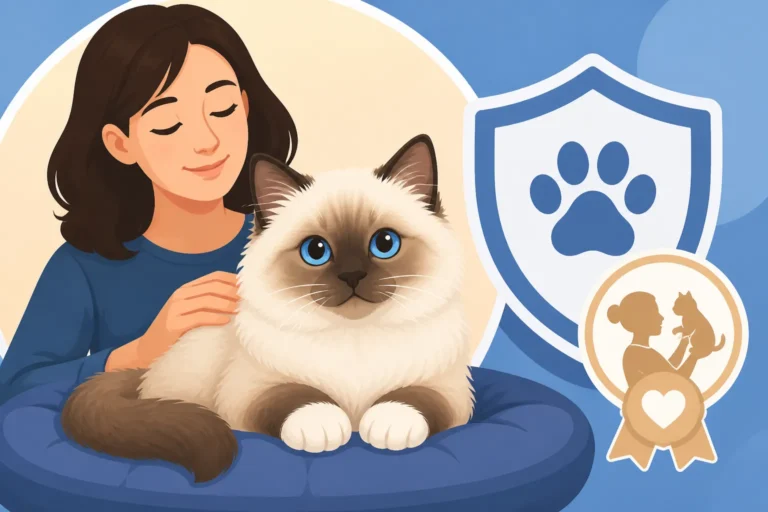
Birman breeder health guarantees cover initial viruses, parasites, and genetic conditions like PKD1 for specific timeframes.

Birman cat breeding rights and well-gloved paws cost more due to complex genetics, strict standards, and extreme rarity.

Birman breeding contracts restrict mating to registered mates to protect genetic health and preserve the fragile purebred lineage.
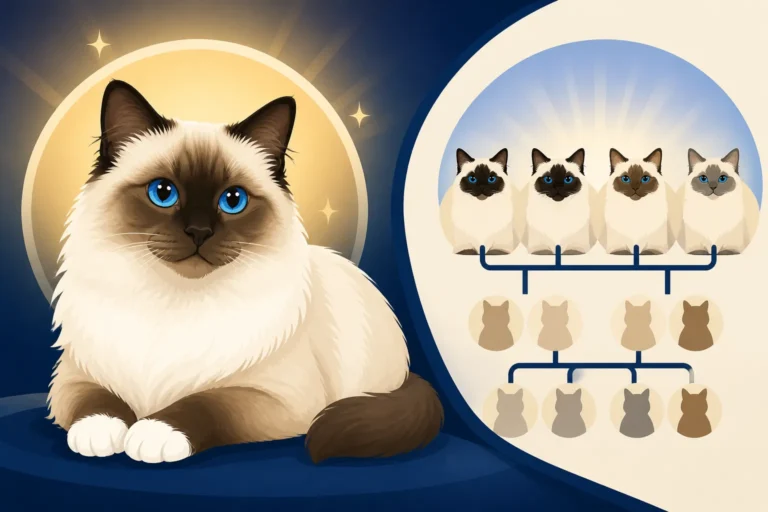
Birman cat pedigrees tracing back to post-World War II founders Orloff and Xenia de Kaabaa explain the breed genetic health and survival.

Cat registry organizations issue official papers validating pedigree, heritage, and health screening requirements for purebred Birman kittens.

Birman kitten microchip registration usually starts in the breeder’s name before you must swiftly transfer it to your details.
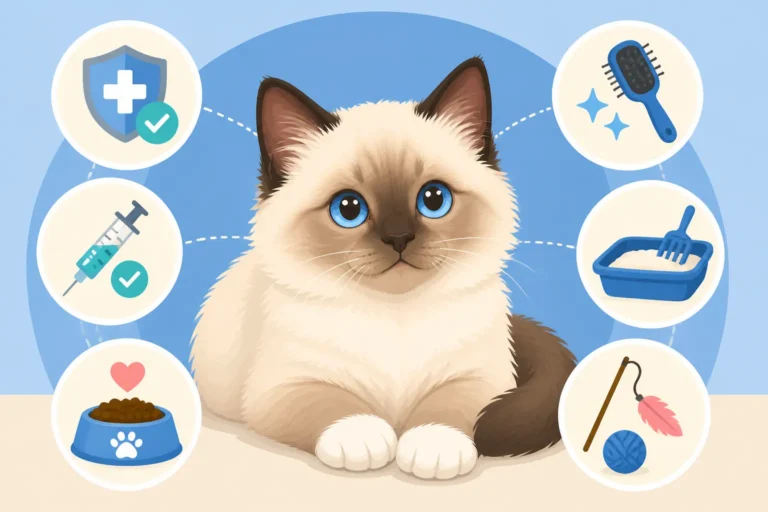
Birman kitten health checks, core vaccinations, deworming, and early socialization shape a young cat during the first thirteen weeks.
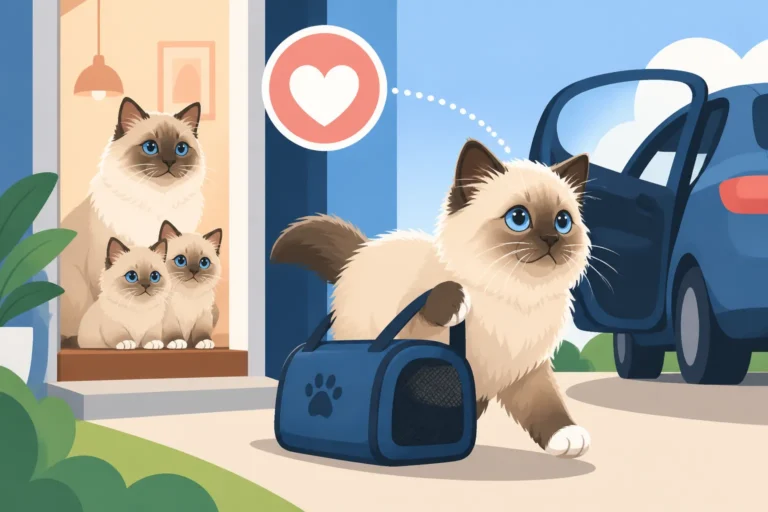
Birman kittens stay with their mothers until thirteen weeks old to complete vital socialization, develop immunity, and receive vaccinations.
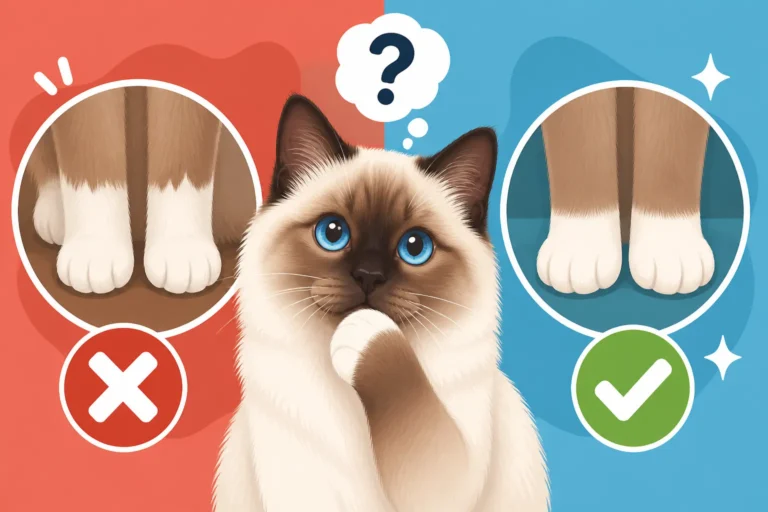
Birman kitten paw markings diverging from ideal standards, explaining uneven gloves, runners, and the complex genetics causing these mismarks.

Birman breeder deposits secure your waiting list position and first pick rights rather than guaranteeing a specific individual kitten.