How Many Litters It Takes to Get a Well Gloved Birman
Birman cat breeding genetics and the KIT gene explain why achieving symmetrical white paw gloves requires multiple litters.
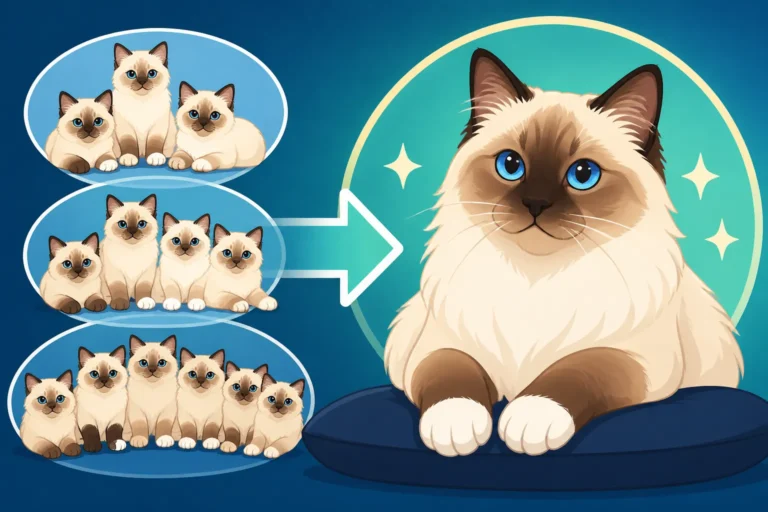
Birman cat breeding genetics and the KIT gene explain why achieving symmetrical white paw gloves requires multiple litters.

Tabby Point Birman kitten prices depend on breeding reputation, health testing, and market demand for rarer patterns and distinctive stripes.

Genetic complexity and breeding logistics for rare red, cream, and tortie shades explain why uncommon Birman point colors cost more.

Birman point color rarity explains seal, blue, chocolate, lilac, red, and cream variations across extremities like the face and paws.
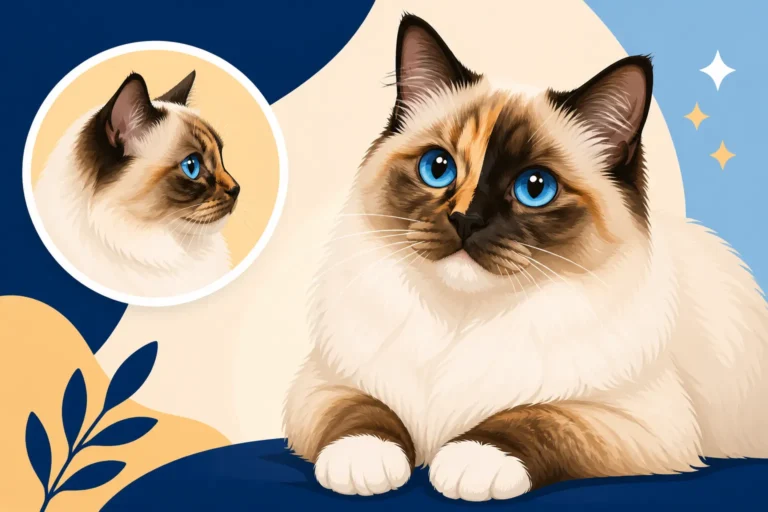
Tortie Point Birmans feature temperature-sensitive points and X-linked color patches of red, cream, black, blue, chocolate, or lilac.
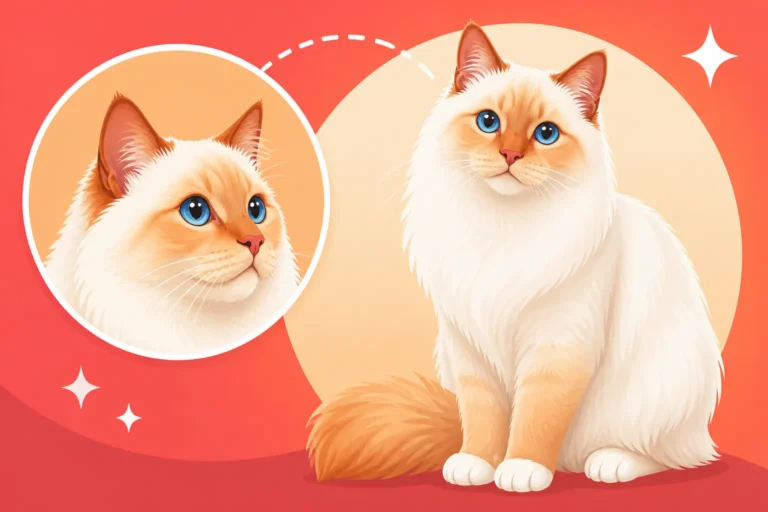
Red Point Birman appearance includes apricot or orange points, a pale cream body, and a warm golden undercoat on the back and flanks.
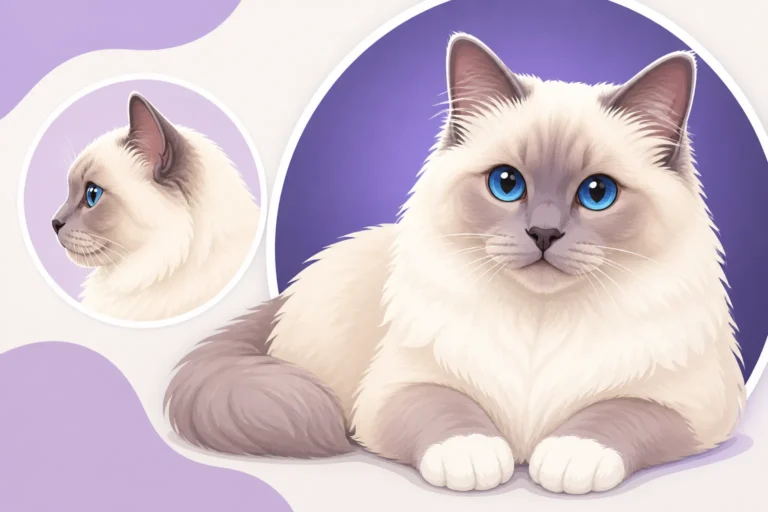
Lilac Point Birmans feature frosty grey points with pinkish or lavender undertones, creamy white body coats, and deep sapphire blue eyes.
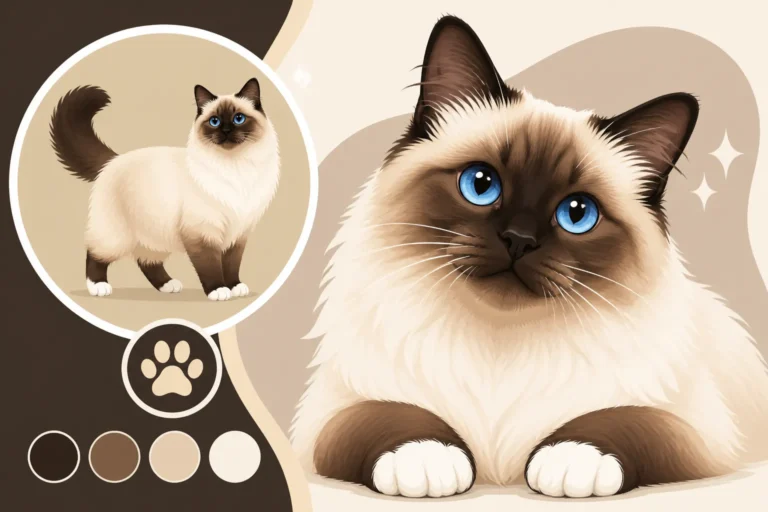
Chocolate Point Birman physical traits include warm milk chocolate points, a creamy ivory body, and a subtle golden sheen.

Blue Point Birman cats feature slate grey blue points, icy white bodies, and deep sapphire blue eyes shaped by genetics.
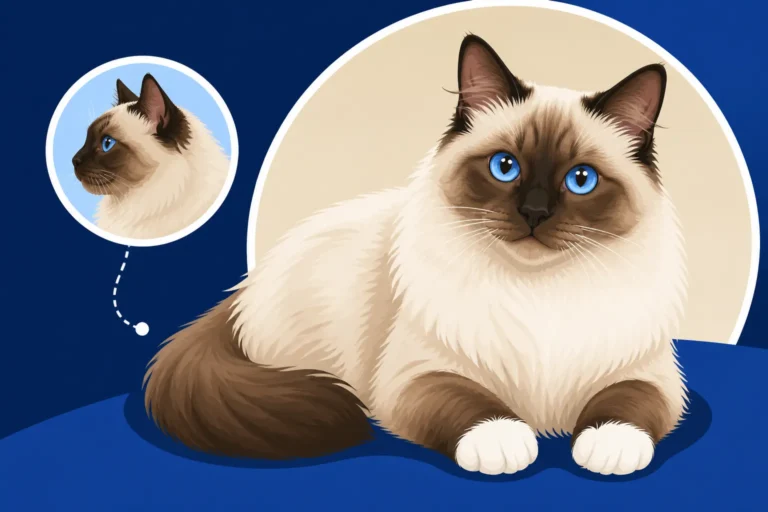
Seal Point Birman appearance features deep brown points, creamy golden body, pristine white gloves, and vivid blue eyes.