Skip to content

Birman Cat Guide

  • Breed Overview
  • Cost & Ownership
  • Care & Nutrition
  • Health & Lifespan
  • Behavior & Enrichment
Birman Cat Guide
  • How the PKD1 Test Clears a Birman
    Health & Lifespan

    How the PKD1 Test Clears a Birman

    ByBirman Cat Guide Editorial Team August 26, 2026October 24, 2026 October 24, 2026

    The PKD1 genetic test detects polycystic kidney disease in Birmans, explaining how fluid-filled cysts damage kidney tissue.

    Read More How the PKD1 Test Clears a BirmanContinue

  • Why PKD Reached the Birman Through the Persian
    Health & Lifespan

    Why PKD Reached the Birman Through the Persian

    ByBirman Cat Guide Editorial Team August 26, 2026October 2, 2026 October 2, 2026

    Polycystic kidney disease traces from Persians to Birmans, explaining genetic testing, symptoms, and inherited feline kidney failure.
    Read More Why PKD Reached the Birman Through the PersianContinue

  • How a Vet Manages a Birman Whose Echo Came Back Thickened
    Health & Lifespan

    How a Vet Manages a Birman Whose Echo Came Back Thickened

    ByBirman Cat Guide Editorial Team August 26, 2026October 24, 2026 October 24, 2026

    Hypertrophic cardiomyopathy diagnosis in Birmans, veterinary screening steps, and echocardiogram imaging details for heart care.
    Read More How a Vet Manages a Birman Whose Echo Came Back ThickenedContinue

  • Why a Murmur in a Birman Sends You Straight to an Echo
    Health & Lifespan

    Why a Murmur in a Birman Sends You Straight to an Echo

    ByBirman Cat Guide Editorial Team August 26, 2026October 2, 2026 October 2, 2026

    Birman cat heart murmurs require an immediate echocardiogram specialist visit because this breed faces genetic heart disease risks.
    Read More Why a Murmur in a Birman Sends You Straight to an EchoContinue

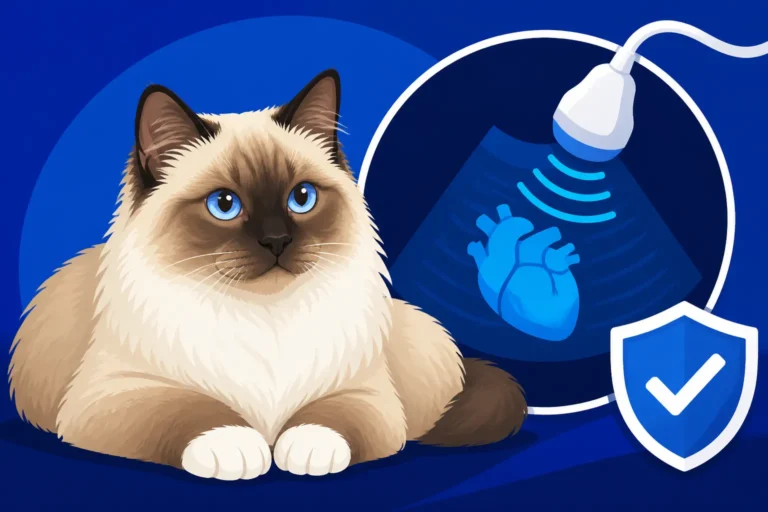
  • How Often a Breeding Birman Needs Scanning
    Health & Lifespan

    How Often a Breeding Birman Needs Scanning

    ByBirman Cat Guide Editorial Team August 26, 2026October 24, 2026 October 24, 2026

    Breeding Birman health screening protocols explain the annual echocardiogram schedule required to detect hypertrophic cardiomyopathy.
    Read More How Often a Breeding Birman Needs ScanningContinue

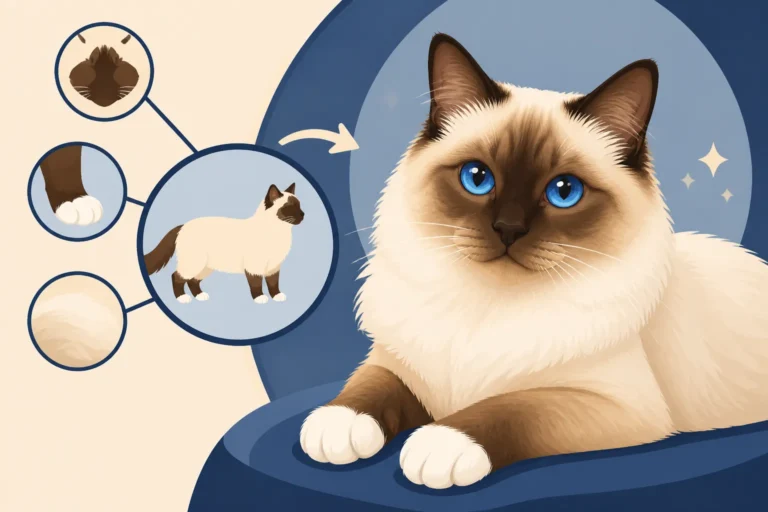
  • Why an Echo Is the Only Way to Screen a Birman
    Health & Lifespan

    Why an Echo Is the Only Way to Screen a Birman

    ByBirman Cat Guide Editorial Team August 26, 2026October 2, 2026 October 2, 2026

    Echocardiograms are the only definitive way to screen Birmans for hypertrophic cardiomyopathy because stethoscopes miss hidden muscle thickening.
    Read More Why an Echo Is the Only Way to Screen a BirmanContinue

  • How HCM Shows Up in a Birman
    Health & Lifespan

    How HCM Shows Up in a Birman

    ByBirman Cat Guide Editorial Team August 26, 2026October 24, 2026 October 24, 2026

    Hypertrophic cardiomyopathy in Birman cats, early warning signs, and why this breed faces a higher risk of heart disease.

    Read More How HCM Shows Up in a BirmanContinue

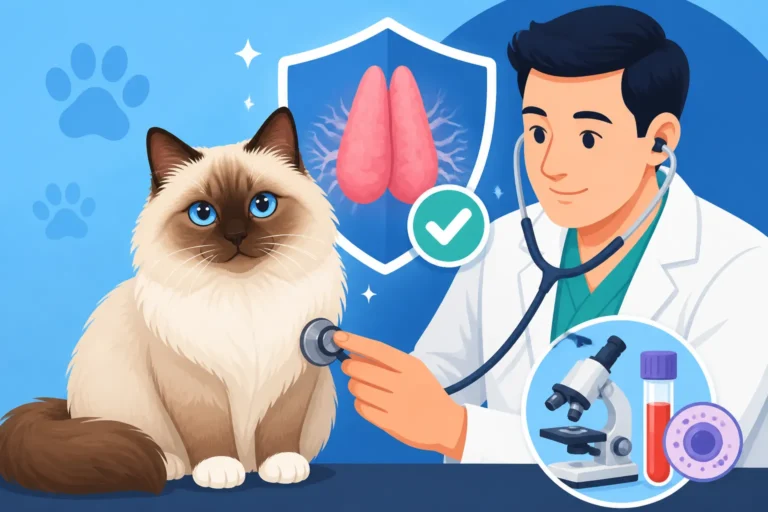
  • Which Lab Runs the Birman FOXN1 Test
    Health & Lifespan

    Which Lab Runs the Birman FOXN1 Test

    ByBirman Cat Guide Editorial Team August 26, 2026October 22, 2026 October 22, 2026

    The Birman FOXN1 test identifies genetic carriers of hypotrichosis and thymic aplasia to prevent fatal immune system disorders in kittens.
    Read More Which Lab Runs the Birman FOXN1 TestContinue

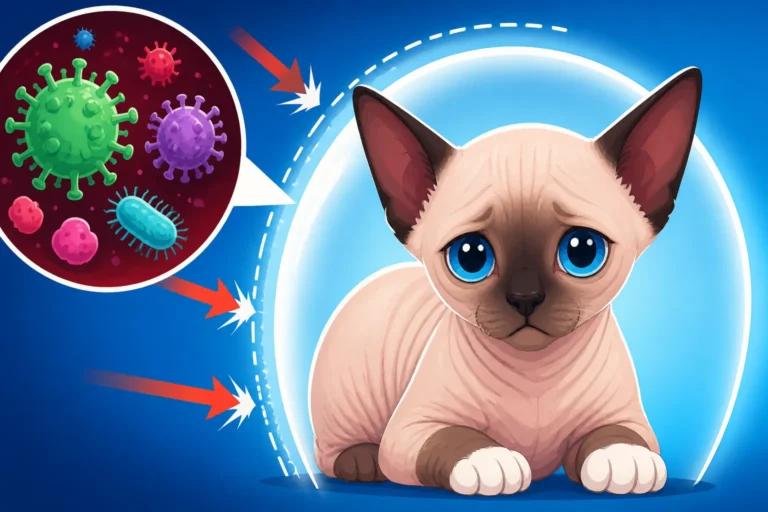
  • How a Vet Confirms a Birman's Thymic Aplasia
    Health & Lifespan

    How a Vet Confirms a Birman’s Thymic Aplasia

    ByBirman Cat Guide Editorial Team August 26, 2026October 24, 2026 October 24, 2026

    A veterinarian diagnosing thymic aplasia in a Birman kitten follows precise steps to identify FOXN1 gene mutations and immunodeficiency.
    Read More How a Vet Confirms a Birman’s Thymic AplasiaContinue

  • Why a Bald Birman Kitten Catches Every Infection
    Health & Lifespan

    Why a Bald Birman Kitten Catches Every Infection

    ByBirman Cat Guide Editorial Team August 26, 2026October 2, 2026 October 2, 2026

    Birman hypotrichosis is a genetic condition caused by a FOXN1 gene mutation that severely impairs immune system development.

    Read More Why a Bald Birman Kitten Catches Every InfectionContinue

Page navigation

Previous PagePrevious 1 … 66 67 68 69 70 Next PageNext
  • About Us
  • Contact Us
  • Editorial Policy
  • Privacy Policy
  • Terms of Use

© 2026 CHOIS Media LLC. All rights reserved.

Location: Wyoming, USA    |    Email: [email protected]

Scroll to top
  • Breed Overview
  • Cost & Ownership
  • Care & Nutrition
  • Health & Lifespan
  • Behavior & Enrichment
Search