What an Old Birman Slows Down From First
Aging Birman cats show early signs of slowing down through reduced jumping, less play enthusiasm, and subtle appetite changes.

Aging Birman cats show early signs of slowing down through reduced jumping, less play enthusiasm, and subtle appetite changes.
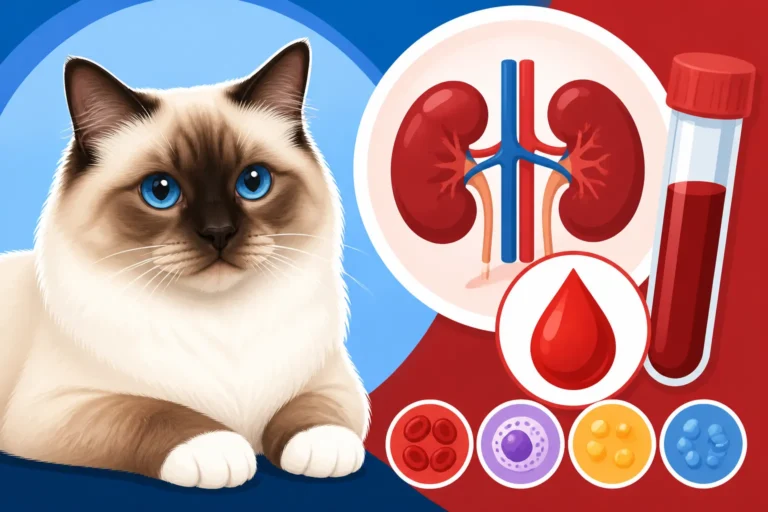
Birman kidney health monitoring and routine blood tests explain aging feline care and early detection methods for owners.

Birman cats need yearly echocardiogram screenings to detect hypertrophic cardiomyopathy early, as the breed has no DNA test.

Quiet Birman cats hide pain and discomfort, making it difficult for owners to recognize early warning signs of hidden illness.
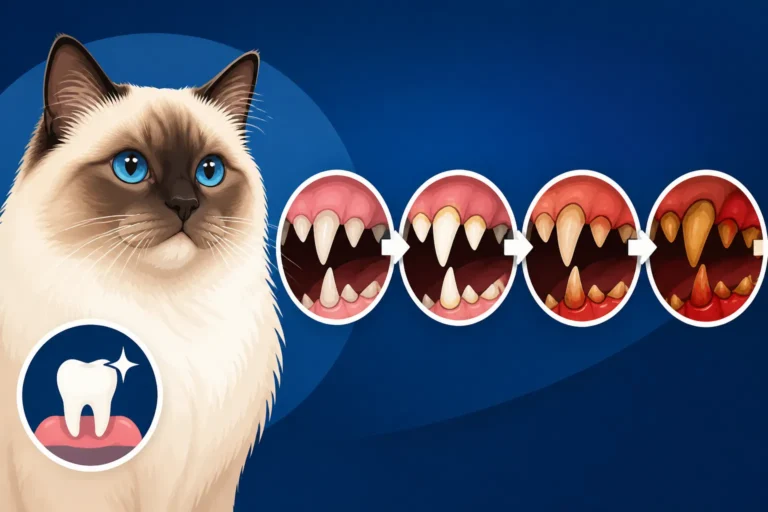
Birman dental disease progression, narrow jaws, plaque buildup, and genetic predispositions explain feline oral health risks.
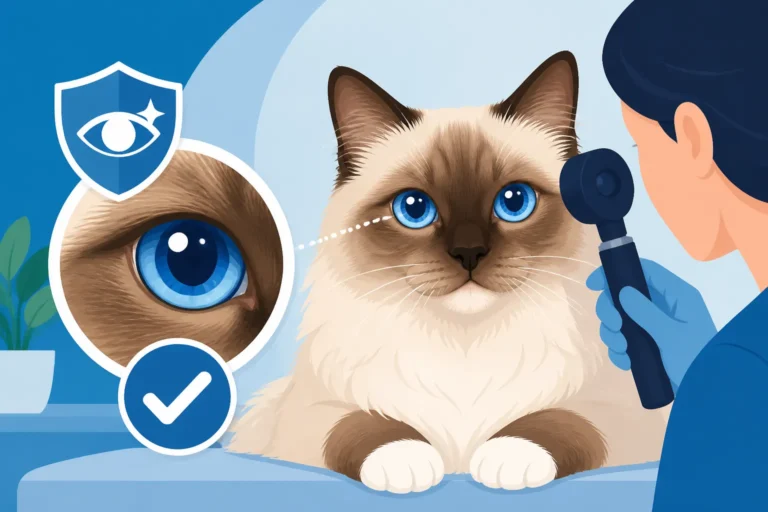
Regular veterinary eye examinations help detect corneal dermoids and other issues during a routine visit for a Birman cat.

A corneal dermoid in Birmans is a congenital skin growth on the eye. The text explains signs, diagnosis, and treatment options.
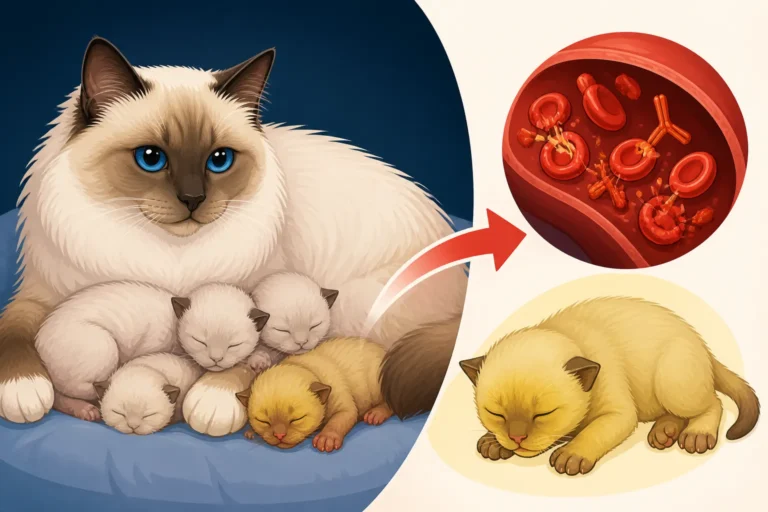
Neonatal isoerythrolysis in Birmans destroys Type A red blood cells when a Type B mother passes antibodies through colostrum.

Birman parent blood types directly cause neonatal isoerythrolysis, a fatal newborn kitten condition requiring pre-mating compatibility testing.
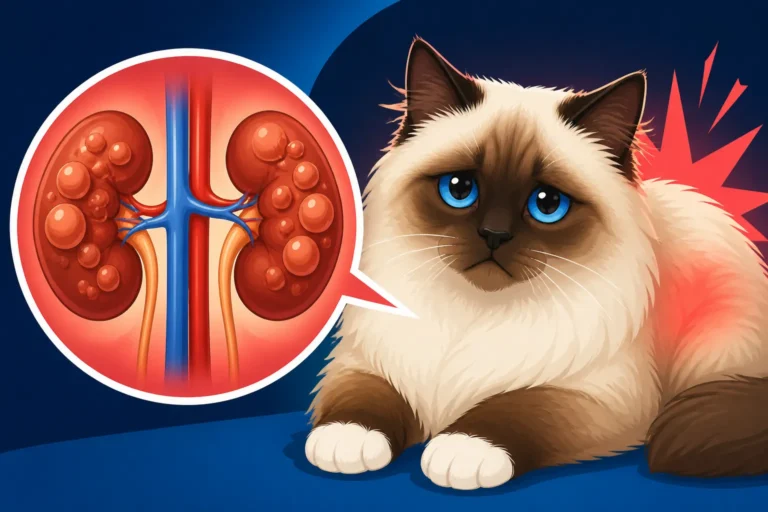
Polycystic kidney disease in Birmans causes fluid-filled cysts that slowly destroy healthy kidney tissue and impair function.