Starting a Toothbrush Routine With a Placid Birman
It's a truth universally acknowledged in the cat parent world that getting a cat to willingly let you brush their teeth feels like a Herculean task. And while our beloved Birmans are known for their incredibly placid and gentle temperaments, that doesn't automatically translate to an open-mouthed invitation to dental hygiene. Many of us struggle with knowing where to even begin with cat tooth brushing, or worry we'll upset our serene felines, but establishing a routine early is crucial for their long-term health. This guide is here to walk you through how to gently introduce and maintain a toothbrushing routine with your Birman, turning a potential struggle into a calm, bonding experience.
The Critical Need for Birman Dental Care
You might think that because your Birman isn't showing obvious signs of pain, their teeth are perfectly fine. After all, they're still eating, still purring, still following you from room to room. But cats are masters of disguise, and a placid breed like the Birman can be especially adept at hiding discomfort, including dental pain. Ignoring their oral health can lead to serious issues, impacting not just their mouth but their overall well-being.
Why Cats Hide Dental Pain
It’s a survival instinct. In the wild, showing weakness or pain makes a predator or rival more likely to target you. Our domestic cats, even the most pampered Birman, retain this deep-seated instinct. They'll often continue to eat, play, and interact as normal, even when they're experiencing significant pain from a dental issue. This is particularly true for Birmans, whose calm and undemanding nature can make it even harder to spot subtle signs of discomfort. Why a Birman Hides Illness Behind a Placid Temperament delves into this aspect of their personality in more detail. You might notice a slight change in appetite, a reluctance to chew on one side, or perhaps a more subtle shift in their usual routine, but these signs are often missed until the problem is quite advanced. It’s not that they're trying to fool you; it’s simply how they’re wired.
Common Dental Problems in Birmans
Just like us, cats accumulate plaque from their food and saliva, which hardens into tartar. This accumulation is the root cause of most dental woes. In Birmans, with their often slightly narrower jaws compared to some breeds, certain areas can be more prone to plaque buildup. Why a Birman's Narrow Jaw Needs a Scale and Polish addresses this specific anatomical consideration. Left unchecked, this leads to gingivitis, which is inflammation of the gums, causing redness, swelling, and sometimes bleeding. If it progresses, it becomes periodontal disease, which affects the structures supporting the teeth, leading to bone loss, receding gums, loose teeth, and even tooth loss. The bacteria from these infections can also enter the bloodstream, traveling to vital organs. How Dental Disease Progresses in a Birman offers a deeper dive into these stages.
The Long-Term Health Risks of Neglect
Dental disease isn't just about bad breath or wobbly teeth. The chronic inflammation and bacterial infection in your Birman's mouth can have far-reaching effects on their entire body. Bacteria from severe periodontal disease can easily enter the bloodstream and spread to other organs, including the heart, kidneys, and liver. This can exacerbate existing conditions or contribute to the development of new health problems over time. For example, kidney disease is a concern for many older cats, and ongoing oral infection can put additional strain on these vital organs. Maintaining good oral hygiene can contribute significantly to your Birman's overall vitality and help them enjoy their The Twelve to Sixteen Years a Birman Usually Gets to the fullest. Regular dental care isn't just about comfort; it's a preventative measure that can truly extend their healthy lifespan and improve their quality of life.
Assembling Your Birman's Dental Arsenal
Before you even think about putting a brush near your Birman's mouth, you need to gather the right tools. Using human toothbrushes or toothpaste can be harmful and will certainly make the experience unpleasant for your feline friend. Investing in cat-specific products is key to a successful and safe routine.
Choosing the Right Toothbrush
The market offers several types of toothbrushes designed specifically for cats. A finger brush, which slips over your fingertip, can be great for getting your Birman used to the sensation, as it offers a very direct, gentle touch. However, they aren't always the most effective for a deep clean. Small, soft-bristled toothbrushes, often with angled heads, are excellent for reaching all surfaces of your Birman's teeth. Think about finding a brush with a head small enough to maneuver comfortably in their mouth, particularly with their narrower jaw. Some brushes even have two heads at different angles for convenience. Which Brush Head Fits a Birman's Small Mouth delves into the specifics of finding that perfect fit.
| Toothbrush Type | Pros | Cons | Ideal For |
|---|---|---|---|
| Finger Brush | Very gentle, good for initial acclimation, direct feel | Less effective cleaning, can be awkward for larger fingers | Kittens, anxious cats, starting the routine |
| Small-Headed Cat Toothbrush | Excellent cleaning, ergonomic handle, varied bristle stiffness | Can be intimidating initially, requires more technique | Established routines, thorough cleaning |
| Dual-Headed Toothbrush | Reaches multiple surfaces at once, efficient | Can be too large for small mouths, less precise | Confident cats, quick brushing sessions |
Selecting Cat-Specific Toothpaste
This is absolutely non-negotiable: never use human toothpaste on your Birman. Human toothpaste often contains fluoride, xylitol, and detergents that are toxic to cats and can cause severe illness if ingested. Cat toothpaste is specially formulated to be safe for swallowing and comes in flavors that appeal to felines, like poultry, fish, or malt. The enzymes in many cat toothpastes also help break down plaque, even if your brushing technique isn't perfect right away. Choosing a flavor your Birman genuinely enjoys can make a huge difference in their acceptance of the brushing process. It can turn what could be a chore into a mini-treat! Brands like Virbac C.E.T. or Petrodex offer a range of palatable options that are widely recommended by veterinarians and readily available on platforms like Chewy. Finding Which Flavored Toothpaste a Birman Will Accept is often a process of trial and error.
Other Helpful Aids
While regular brushing is the gold standard, other products can complement your efforts and help maintain good oral hygiene. Dental wipes are a good starting point if your Birman is extremely resistant to a brush; they offer a quick way to wipe plaque off the surface of the teeth. Water additives are another option. These are typically flavorless liquids you add to your cat's drinking water, containing ingredients designed to reduce plaque and freshen breath. Many of these are simple to use and you can find a good selection of them on Amazon. Lastly, certain dental treats are formulated with ingredients and textures designed to mechanically scrape plaque off teeth or contain enzymes that help with oral health. While they are no substitute for brushing, they can be a helpful addition. However, it’s worth noting that Whether Dental Treats Do Anything for a Birman's Gums is still debated, and their efficacy can vary. Always look for VOHC (Veterinary Oral Health Council) approved products to ensure they meet a certain standard.
The Art of Gentle Introduction: Step-by-Step
Remember that placid Birman temperament we discussed? We're going to leverage that! The key to success is patience, positive reinforcement, and incredibly small, incremental steps. You're not aiming for a full brush on day one, week one, or even month one. You're aiming to build trust and positive associations.
Starting with Touch and Trust
Begin by simply touching your Birman's muzzle and lips. Do this gently and briefly, perhaps when they are relaxed and cuddly, perhaps sitting on your lap while you watch TV. Slowly, over several days, try to gently lift their lip for a second or two, just enough to glimpse their teeth. Always follow with lavish praise, a favorite treat, or a cherished cuddle. The goal is for them to associate this handling with something good. Keep these sessions extremely short—just a few seconds. If your Birman shows any signs of stress or annoyance, stop immediately and try again later. We're building a foundation of acceptance, not forcing an action. Think of it as a gentle dance, not a wrestling match.
Getting Your Birman Used to the Toothpaste
Once your Birman tolerates having their muzzle touched and lips lifted, it’s time to introduce the toothpaste. Put a tiny dab of the cat-specific toothpaste on your finger and let them sniff and, hopefully, lick it off. Most flavored cat toothpastes are quite appealing, and many Birmans will happily take it as a treat. Do this for a few days, building up a positive association with the taste and smell. You want them to look forward to the toothpaste. After a few successful sessions, try gently rubbing a tiny bit onto their gums with your finger. Again, keep it brief and follow with praise and reward. This step can take a while, especially if your Birman is particularly sensitive, but it’s crucial for future success. How to Introduce a Toothbrush to a Birman Kitten advises starting even earlier for the best results.
The First Brush Strokes
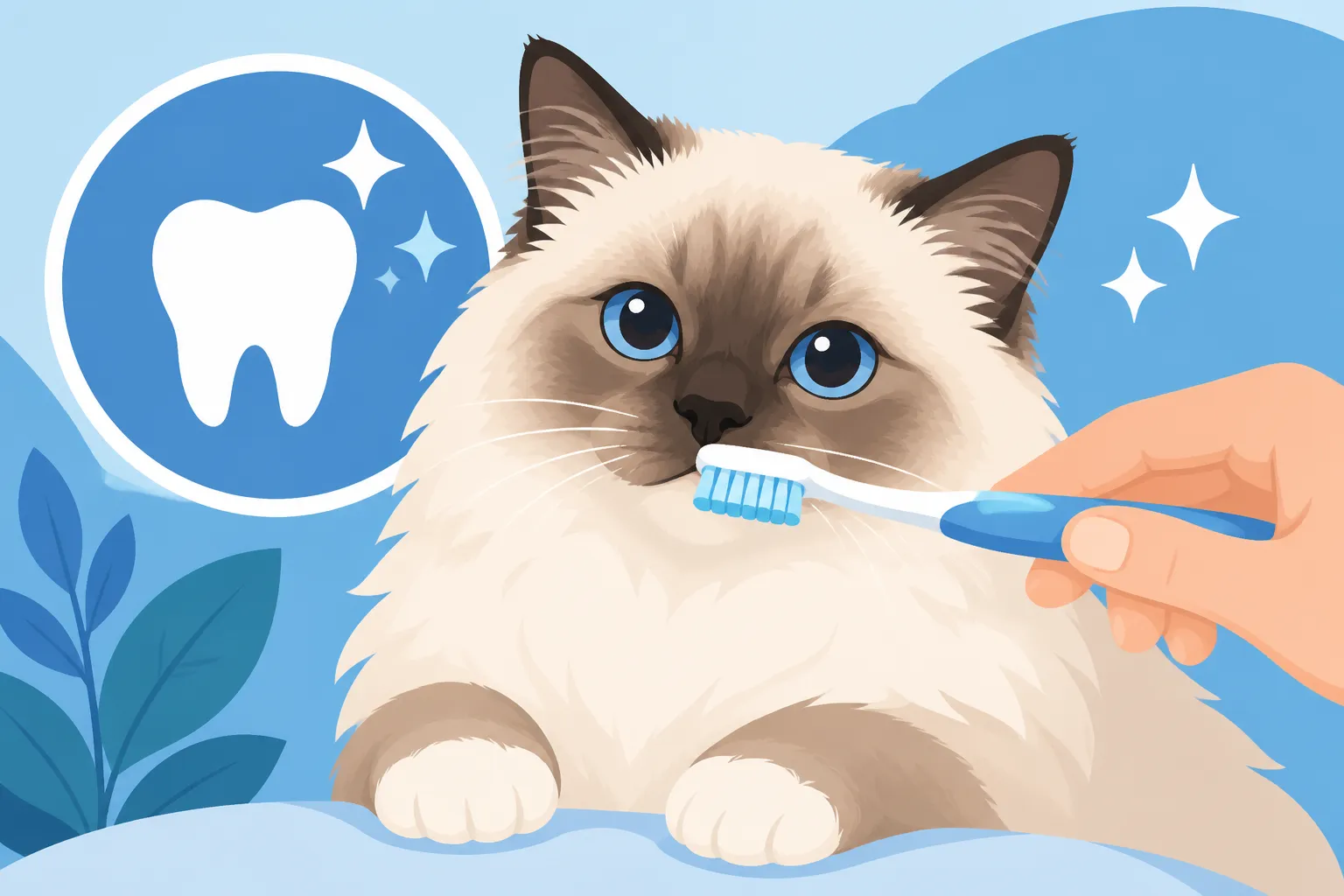
Now, introduce the actual toothbrush. Let your Birman sniff and lick the toothpaste off the brush, associating the brush itself with the yummy paste. For the very first brushing attempt, aim for just a few teeth, preferably the canines or front incisors, which are easier to access. Gently lift the lip and quickly, softly, make a few strokes with the brush. Immediately stop, praise, and offer a treat. The initial goal is literally just one or two swipes. Don't worry about getting every tooth; focus on making the experience positive and brief. If you can only manage one tooth per session at first, that's a fantastic start! The consistency of positive experiences is far more important than the thoroughness of any single session in the beginning.
Establishing a Consistent Toothbrushing Routine
Once you’ve mastered the introduction, the next step is to integrate toothbrushing into a regular, predictable routine. Consistency is key, and while your Birman might be placid, they thrive on routine and knowing what to expect.
Ideal Frequency and Timing
For optimal dental health, brushing your Birman’s teeth daily is ideal. However, if daily brushing isn't feasible, aiming for every other day can still make a significant difference in preventing plaque and tartar buildup. Consistency is more important than perfection. Choose a time when your Birman is naturally calm and relaxed. Perhaps in the evening when they’re winding down, or after a cuddle session. Avoid times when they're playful, hungry, or agitated. Making it part of a calm, predictable routine helps them accept it as just another part of their day, like feeding or grooming. For a breed known for its calm demeanor, finding that quiet moment shouldn't be too difficult.
Mastering the Brushing Technique
When you start brushing, hold the brush at a 45-degree angle to the tooth surface, aiming the bristles towards the gum line. Use gentle, circular motions, focusing on one or two teeth at a time. Pay particular attention to the outer surfaces of the teeth, as these are where plaque tends to accumulate most. Gradually work your way around the mouth, spending about 10-15 seconds on each side. The goal is to gently massage the gum line and sweep away plaque. Don't scrub vigorously; you want to clean, not irritate. If your Birman lets you, try to reach the back teeth (molars and premolars), as these are often most affected by periodontal disease. Remember, this is a gradual process; you won't get a perfect clean on every tooth every time, and that's okay. Focus on consistency and making it a comfortable experience.
Troubleshooting Common Challenges
Even with the most placid Birman, you might encounter some resistance. If your Birman becomes stressed, stop immediately. Pushing them will only create a negative association and make future attempts harder. Instead, take a step back and revisit an earlier, more comfortable stage. Maybe go back to just letting them lick the toothpaste off your finger, or just doing a quick lip lift.
- Impatience: If you're feeling rushed or frustrated, your Birman will pick up on that energy. Choose a time when you are calm and have ample time.
- Resistance to specific areas: Some cats dislike having their mouth opened wide. Focus on the outer surfaces of the teeth you can easily reach. Even cleaning those can significantly improve oral health.
- Making it enjoyable: Always end on a positive note. A favorite treat, a gentle stroke, or a short play session can reinforce the idea that toothbrushing leads to good things. For a Birman, praise and quiet affection are often highly motivating. Why Praise Motivates a Birman More Than Food outlines this aspect of their personality. If you're consistently running into issues, consulting your vet for tips or a demonstration can be incredibly helpful.
Beyond the Brush: Comprehensive Oral Health Strategies
While daily brushing is truly the gold standard for maintaining your Birman's oral health, it's part of a larger picture. A holistic approach includes diet, professional veterinary care, and even water additives. These elements work together to give your Birman the best chance at a healthy mouth.
Dental Diets and Treats
Certain prescription dental diets are specifically formulated to help reduce plaque and tartar buildup. These kibbles are often larger and have a unique texture that mechanically scrapes the tooth surface as your Birman chews. Some also contain ingredients that chemically inhibit plaque formation. While not a replacement for brushing, they can be a valuable supplement. Brands like Hill's Prescription Diet t/d or Royal Canin Dental offer veterinary-approved options. You can often find these specialized diets through your vet's office or reputable online retailers such as Chewy. Similarly, specific dental treats, as mentioned earlier, can offer some benefit. When choosing treats, always prioritize those with the VOHC seal of approval, which indicates they have met standards for effectiveness in reducing plaque and tartar.
Water Additives and Oral Rinses
For Birmans who are particularly resistant to brushing, or as an added layer of protection, water additives can be a simple solution. These products are usually colorless and flavorless and contain ingredients like zinc gluconate or chlorhexidine, which help reduce bacteria in the mouth and freshen breath. Simply add the recommended amount to your Birman's drinking water daily. While they won't remove existing tartar, they can help prevent new plaque from forming. Oral rinses or gels can also be applied directly to the gums or teeth for a more targeted approach, especially if your vet has identified areas of mild gingivitis. These are widely available, and you can easily browse options on Amazon to find one that suits your Birman. It’s an easy way to contribute to their dental health without direct physical interaction with their mouth if they are highly sensitive.
Professional Veterinary Dental Care
Even with the most diligent home care, professional veterinary dental cleanings are often necessary. Think of it like your own visits to the dentist for a scale and polish; some things just need a professional touch. During a professional dental cleaning, which is performed under general anesthesia, your veterinarian will thoroughly examine your Birman's mouth, clean all tooth surfaces (including below the gum line), scale away tartar, and polish the teeth to smooth out any microscopic scratches that could attract new plaque. X-rays are also often taken to check for problems hidden beneath the gum line, such as abscesses or bone loss. How Often a Birman's Teeth Come Off the Vet's List depends on various factors, including their age, diet, and the effectiveness of home care. For older Birmans, especially, regular professional check-ups are essential. They might require blood work before anesthesia to assess organ function. Which Blood Values a Birman's Kidney History Makes Important is a good read on this topic, as kidney health is a common consideration in senior cats.
What an Old Birman Needs as Part of its Dental Care
As our beautiful Birmans age, their needs naturally evolve, and their dental health requires even more vigilance. Years of eating and normal wear and tear can take their toll, even on the best-cared-for teeth.
Recognizing Age-Related Dental Issues
Older Birmans are more susceptible to advanced periodontal disease. Over time, the constant battle against plaque and tartar can lead to significant gum recession, bone loss around the teeth, and painful infections. You might notice your senior Birman starting to drop food, eating more slowly, or favoring softer foods. Sometimes, they might paw at their mouth or exhibit more subtle behavioral changes like being less social, which can be a sign of pain. Why a Birman That Drops Food Has a Mouth Problem is often a red flag for dental issues. Their placid nature, again, can mask quite severe discomfort, so it's important to be extra observant. Their breath might become noticeably worse, and you might even see brown tartar buildup or red, inflamed gums when you gently lift their lips.
Adapting the Brushing Routine for Senior Birmans
If your Birman has an established brushing routine, great! You'll just need to be more gentle and perhaps shorten the sessions if they seem less tolerant. Their gums might be more sensitive, and any existing dental issues could make brushing uncomfortable. If you're introducing brushing later in life, patience is paramount. Focus on very short, positive sessions. Using a finger brush with enzymatic toothpaste might be a gentler entry point. The primary goal is to maintain comfort and prevent further progression of disease. If your senior Birman shows significant discomfort, discuss pain management options with your vet. Sometimes, a professional dental cleaning to address existing problems might be necessary before a home routine can be comfortably established.
Importance of Vet Checks as They Age
Regular veterinary check-ups become even more crucial as your Birman enters their senior years, typically from around 7-8 years old. These visits are vital for monitoring their overall health, including their dental status. Your vet will conduct a thorough oral examination and discuss any concerns you might have. If professional dental cleaning is recommended, pre-anesthetic blood work will be essential to ensure your older Birman is a good candidate for anesthesia, especially given potential changes in organ function. Why a Birman's Kidneys Are Checked Before Any Anesthetic is a critical consideration. Advances in veterinary anesthesia have made procedures much safer for senior pets, but careful planning is always necessary. Don't let age deter you from addressing dental pain, as improving oral health can significantly enhance an older Birman's quality of life.
Disclaimer
This article is for general informational purposes only and does not constitute professional advice. Laws, prices and regulations vary by location and change over time. Consult a qualified professional for guidance on your specific situation.