How Often to Check Between a Birman’s Toes
It’s incredibly easy to overlook what’s happening right at ground level with our beloved Birmans, especially those delicate, white-gloved paws that make them so distinctive. But those soft toe beans and elegant white markings can actually hide a surprising number of issues if we’re not diligent. This guide will walk you through why regular paw checks are essential for your Birman’s comfort and health, what specific warning signs to look for, and how often you really need to be peeking between those precious, often overlooked, toes.
Why Your Birman’s Paws Need Special Attention
Your Birman's paws aren't just for walking; they're sensitive tools for exploration, communication, and maintaining balance. Unlike many shorter-haired breeds, Birmans have a few unique characteristics that make their paw care particularly important, and often, a little more challenging. The long, silky fur that's so characteristic of the breed, especially around the "gloves" and "laces," can easily trap debris or become matted, leading to discomfort or even pain if left unchecked.
First and foremost, Birmans are known for their signature white "gloves" on their front paws and "laces" on their hind paws. While beautiful, these white markings are highly susceptible to staining and discoloration. Imagine your Birman stepping into a litter box filled with dusty clay litter or walking across a damp, muddy floor – those pristine white areas can quickly turn yellow or brown. This isn't just an aesthetic concern; prolonged contact with moisture, litter dust, or external contaminants can lead to skin irritation or fungal issues between the toes. This is also why many Birman owners are very particular about Which Litter Suits a White Gloved Cat.
Moreover, the Birman's placid and gentle nature, while endearing, can sometimes work against them when it comes to subtle health issues. Birmans are often masters at Why a Placid Birman Hides Pain, so they might not overtly limp or cry out even if they have something bothering their paws. You might only notice a slight change in their gait, a reluctance to jump, or an increase in self-grooming that could easily be misinterpreted as normal behavior. This stoicism means we, as their caregivers, need to be extra vigilant and proactive in checking for problems before they escalate into something more serious.
Understanding the Common Paw Problems in Birmans
Because of their particular coat type and temperament, Birmans can be prone to certain paw-related issues that might not be as common or as easily noticed in other breeds. Knowing what these potential problems are can help you conduct more effective checks and understand what you're looking for. It's not just about looking for an obvious cut; it's about spotting the subtle changes that indicate something is amiss.
Mats and Tangled Fur Between Toes
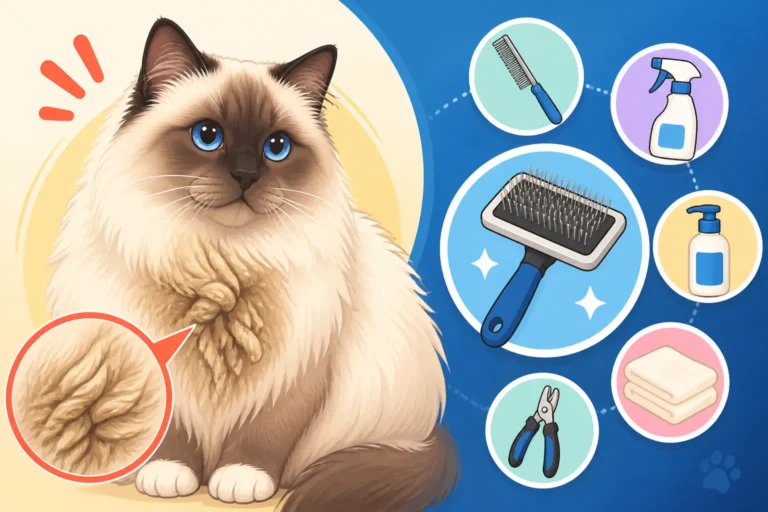
The luxurious, single coat of a Birman, while less prone to all-over matting than a double-coated breed like a Persian, can still develop tangles in high-friction areas. The fur between their toes is a prime candidate for matting. As they walk, play, and even just stand, this delicate fur can get pressed together, especially if it's wet or if they’ve picked up something sticky. These tiny mats can become surprisingly uncomfortable, pulling at the skin and causing irritation.
Imagine a small piece of kibble or a bit of dried leaf getting caught in that fur, then with every step, it works its way deeper, forming a tight knot. Such mats can also make it difficult for your Birman to spread their toes properly, affecting their balance and comfort. If left untreated, these mats can become so tight they restrict blood flow or even break the skin, leading to infections. Getting a mat out of this sensitive area requires a delicate touch and patience, as pulling can cause significant pain. How to Get a Mat Out of a Birman's Coat gives great general advice, but for between the toes, extra care is paramount.
Foreign Objects and Debris
Even if your Birman is strictly an indoor cat, they can still pick up an astonishing array of foreign objects between their toes. Think about tiny bits of litter, crumbs from your kitchen floor, small pieces of carpet fiber, or even stray hairs from your own head or other pets. If your Birman has access to a catio or spends time on a leash outdoors, the possibilities expand to include grass seeds, tiny burrs, pebbles, or even small thorns.
These objects, no matter how small, can become incredibly irritating. They can poke at the sensitive paw pads, get embedded in the fur, or even work their way into the skin, creating an entry point for bacteria and infection. A small piece of dried litter, for instance, can feel like a sharp stone with every step. Regularly checking and removing these irritants is crucial for preventing discomfort and potential injury. You might be surprised at what you find, even after a quiet day at home.
Overgrown Claws and Paw Pad Issues
While not exclusive to Birmans, overgrown claws are a common issue that can lead to significant discomfort. When claws get too long, they can curl under and grow into the paw pad, which is incredibly painful and prone to infection. Even if they don't grow into the pad, overly long claws can affect your Birman's gait, making them walk on the sides of their feet instead of their pads, leading to joint strain over time. Trimming the Claws Inside a Birman's White Gloves is a critical part of paw maintenance.
Beyond claws, the paw pads themselves can suffer from various issues. They can become dry and cracked, especially in arid environments or if your cat walks on abrasive surfaces. This can be painful and lead to bleeding or infection. Conversely, constant moisture can lead to softer, macerated pads, which are more susceptible to injury and fungal infections. Look for any discoloration, swelling, or tenderness on the pads, as these could indicate a problem. Sometimes, even small blisters or calluses can form, which, while not always serious, can cause discomfort for your sensitive Birman.
How Often to Conduct Paw Checks
So, how often should you really be diving into those fluffy little paws? For Birmans, given their coat type and quiet demeanor, a consistent routine is far more effective than sporadic checks. Think of it as a small, regular investment in their long-term comfort and health.
Daily Quick Checks for Active Cats or Specific Issues
If your Birman is particularly active, loves to explore every nook and cranny of your home, or has access to a secure outdoor enclosure, a quick daily paw check is highly recommended. This doesn't need to be an exhaustive ten-minute session; it can be a swift glance and gentle feel of each paw. If you've just returned from a walk in a catio, or if your Birman has been particularly playful, picking up any potential debris immediately can prevent it from becoming a problem.
Daily checks are also crucial if your Birman has a known tendency for a particular paw issue. For example, if they've recently had a minor injury, developed a small mat, or are prone to dry pads, a daily look allows you to monitor its progress and intervene early. You're looking for any immediate foreign objects, obvious dirt, or changes in how they're walking. These quick daily checks are about preventative maintenance and catching issues before they have a chance to worsen.
Weekly Thorough Inspections for Most Birmans
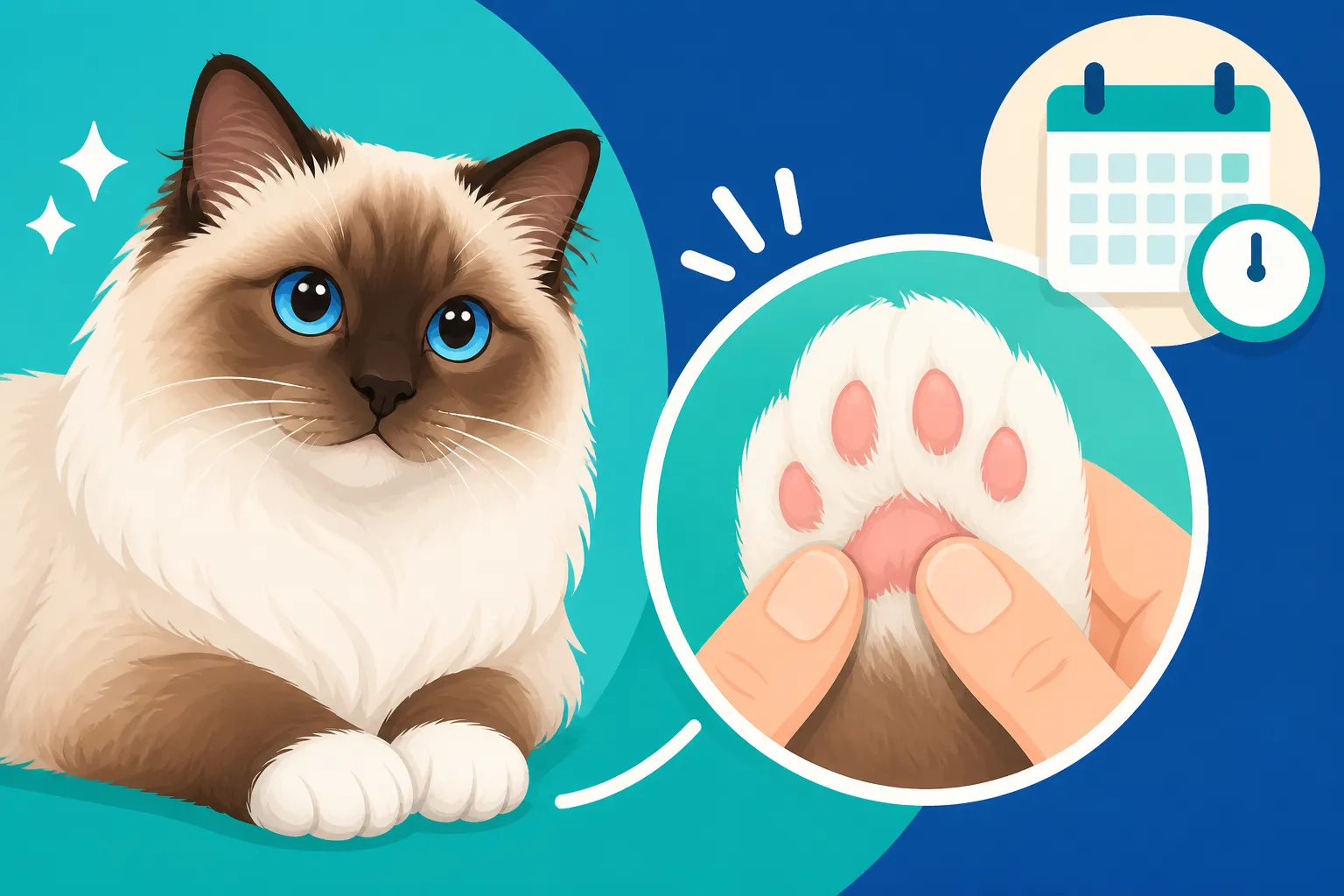
For most Birmans, a thorough weekly paw inspection is a good standard. This is where you set aside a dedicated time to really examine each paw in detail. This deeper dive goes beyond a quick glance and involves gently spreading the toes, looking closely at the pads, and checking the length of their claws. It’s also an ideal time to check for the beginnings of any mats or minor skin irritations that might not be immediately visible.
During this weekly check, pay attention to the smell of their paws – an unusual or foul odor could indicate a bacterial or fungal infection. Feel for any swelling or heat, which are signs of inflammation. You should also be checking for any cuts, scrapes, or punctures that might have gone unnoticed. This comprehensive approach allows you to address any developing concerns before they cause significant discomfort or require a vet visit. It's also a great opportunity to bond with your Birman and get them accustomed to handling, making future grooming or vet visits less stressful.
Seasonal or Environmental Considerations
The frequency of your paw checks might also need to adapt to the seasons or changes in your Birman's environment. For instance, during the drier months, you might want to increase checks for cracked paw pads and consider using a cat-safe paw balm. In wetter seasons, increased vigilance for moisture-related issues, like softened pads or fungal infections, is wise.
Similarly, if you've recently changed your Birman's litter type, moved to a new home with different flooring, or introduced new outdoor access, you should temporarily increase the frequency of your checks. A new type of litter, for example, might be dustier and cling more to their white gloves, necessitating more frequent cleaning and inspection. Even something as simple as a new plant in the house could introduce tiny leaves or soil particles that could end up between their toes. Always be responsive to your Birman's lifestyle and surroundings.
Making Paw Checks Easier and More Positive
Handling a cat's paws can sometimes feel like a wrestling match, but with a Birman's generally docile temperament, it can often be a calm and even pleasant experience. The key is consistency, positive reinforcement, and starting early. Remember, a Birman typically has a very agreeable nature, making them easier to train for handling than some more spirited breeds. Why a Birman Rarely Fights Handling can be a real advantage here.
Start Young and Keep it Positive
If you have a Birman kitten, begin gently handling their paws from day one. Make it a part of your regular cuddling and playtime. Lightly touch their toes, spread their pads, and simulate nail trims with soft pressure, all while offering praise and tiny, irresistible treats. This early exposure helps them associate paw handling with positive experiences, not fear or discomfort. The goal is for them to see it as a normal, non-threatening interaction.
For adult Birmans, the same principles apply, though it might take a little more patience. Start slowly, perhaps just touching one paw for a few seconds, then immediately reward with a high-value treat. Gradually increase the duration and intensity of the handling over several days or weeks. Never force the issue; if your Birman resists, stop and try again later. Forcing it can create a negative association, making future checks much harder. Think of it as building trust, one paw at a time.
Essential Tools for Birman Paw Care
Having the right tools on hand makes a world of difference. You don't need a professional groomer's kit, but a few key items will be invaluable for routine paw maintenance. These are typically easy to find on platforms like Amazon or Chewy.
Here’s a basic list of what you’ll need:
| Tool | Purpose |
|---|---|
| Cat Nail Clippers | Essential for Trimming the Claws Inside a Birman's White Gloves to prevent overgrowth. Choose a scissor-style or guillotine-style clipper that you find comfortable and easy to use. |
| Fine-toothed Comb | For gently detangling fur between toes and removing small mats or debris. A small metal flea comb can work wonderfully here, or a dedicated face/paw comb. |
| Soft Cloth/Wipes | For cleaning dirty paws or removing litter dust. Unscented, pet-safe wipes are convenient. For Keeping a Birman's White Gloves White, sometimes a simple damp cloth is all you need. |
| Paw Balm (optional) | If your Birman's paw pads are prone to dryness or cracking, a pet-safe balm can help moisturize and protect them. |
| High-Value Treats | Crucial for positive reinforcement during and after paw checks. Every successful check, no matter how brief, deserves a reward! |
Best Practices for Cleaning and Maintenance
Once you've done your inspection, you might find that some cleaning or maintenance is in order. For dirty paws, especially those white gloves, a soft, damp cloth is often sufficient. If they've stepped in something particularly messy, a quick, localized bath of just their paws with a mild, pet-safe shampoo might be necessary. Always ensure you rinse thoroughly and dry the paws completely to prevent skin irritation or fungal growth.
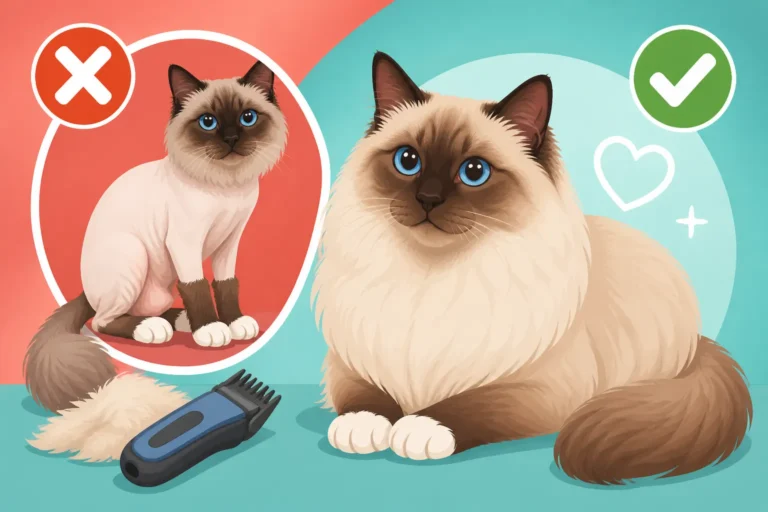
For removing small bits of debris or litter caught between the toes, use your fingers or a fine-toothed comb. Be gentle, especially if the object is embedded or if the fur is starting to mat. If you encounter a mat that's too tight to comb out gently, you might need to carefully trim it with blunt-nosed scissors, always pointing the scissors away from the paw pad and skin. If you're unsure, or if the mat is very large or tight, it's always best to consult your vet or a professional groomer rather than risk injuring your cat. Remember, even the best litter can sometimes get tracked out, and How a Birman's Coat Carries Litter Out of the Box means debris can travel.
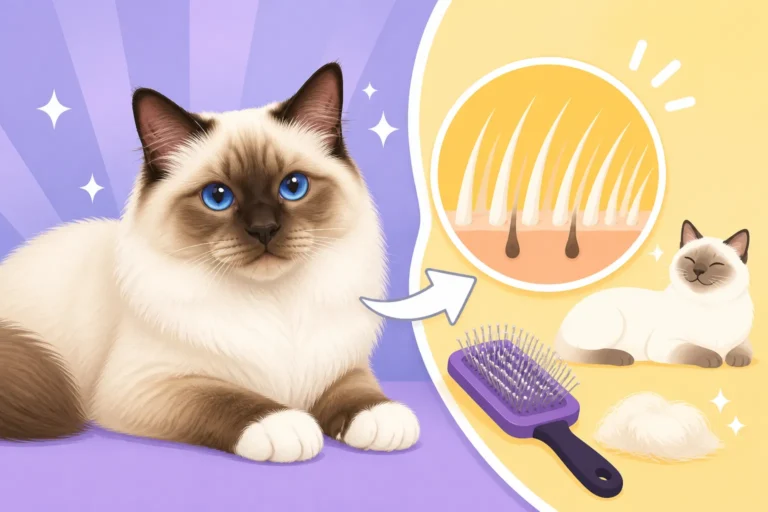
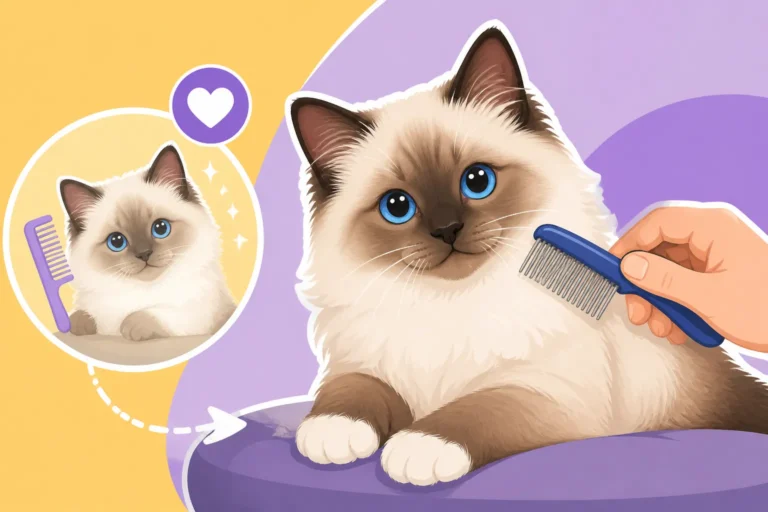
Lastly, consistent grooming of their overall coat with a comb meant for silky hair will help reduce the amount of loose fur that can contribute to paw mats. Good general grooming reduces problems everywhere, including between the toes. You can often find a wide selection of suitable combs and brushes on retail sites like Chewy or Amazon.
When to Call the Vet
While routine paw care can prevent many issues, some problems warrant professional attention. Knowing when to escalate from home care to a vet visit is crucial for your Birman's well-being. Don't hesitate if you're concerned; it's always better to be safe than sorry.
Persistent Lameness or Pain
If your Birman shows persistent lameness, favoring a paw, or obvious signs of pain when walking, it's time for a vet visit. This could manifest as reluctance to put weight on a paw, limping, or avoiding certain movements like jumping. While their placid nature might lead them to hide pain, sustained symptoms are a clear indicator something is wrong.
Even if you can't see an obvious injury, there could be a deeper problem, such as a sprain, a fracture, a puncture wound that's become infected, or even an internal issue affecting the joints. Your vet can perform a thorough examination, including palpation and possibly imaging like X-rays, to diagnose the underlying cause and recommend appropriate treatment. Never try to self-diagnose or treat significant lameness, as you could inadvertently cause more harm.
Swelling, Redness, or Discharge
Any signs of swelling, pronounced redness, or discharge (pus, blood, or unusual fluids) on or between your Birman's paw pads or toes demand immediate veterinary attention. These are classic symptoms of infection, inflammation, or an abscess. Left untreated, infections can spread, leading to more severe health complications.
An abscess, for example, can be incredibly painful and requires drainage and often antibiotics. Similarly, persistent redness or irritation might indicate an allergic reaction, a fungal infection (like ringworm), or a bacterial skin infection that needs specific medication. Don't try to treat these with over-the-counter human products, as many are toxic to cats. Your vet will be able to properly identify the pathogen and prescribe safe and effective treatment.
Deep Cuts, Punctures, or Embedded Objects
While minor scrapes might heal on their own, any deep cuts, puncture wounds, or objects that are deeply embedded in your Birman's paw should be evaluated by a vet. Puncture wounds are particularly concerning because they can introduce bacteria deep into the tissue, leading to serious infections, even if the surface wound appears small. Trying to remove a deeply embedded object yourself can push it further in, cause more damage, or break the object, making it harder for the vet to extract.
Your vet has the sterile tools and expertise to safely clean and assess these types of injuries. They can remove foreign objects, properly clean and disinfect wounds, and determine if sutures or antibiotics are necessary. They can also administer pain relief to keep your Birman comfortable during the healing process. Remember, their paws are constantly in contact with surfaces, making proper healing and infection prevention paramount.
Disclaimer
This article is for general informational purposes only and does not constitute professional advice. Laws, prices and regulations vary by location and change over time. Consult a qualified professional for guidance on your specific situation.