What a Narrow Founder Base Left in the Birman
It’s a deeply frustrating experience when you fall in love with a particular cat breed, only to discover that its very history might be a ticking time bomb for health issues. You see these beautiful, placid Birman cats with their striking blue eyes and luxurious coats, and it's easy to assume they’ve always been around, thriving. But the truth is, the Birman breed faced extinction, and its survival came at a genetic cost – a profoundly narrow founder base that continues to echo through their health today. This comprehensive guide will peel back the layers of history, explain exactly what a narrow founder base means for your beloved Birman, and empower you with the knowledge to care for them proactively.
Understanding the Birman's Humble Beginnings
When we talk about the beginnings of the Birman cat, it’s not just a charming tale; it's a saga of survival and dedication. Unlike some breeds with long, documented histories, the Birman’s story is intertwined with both mystique and very real challenges that have left an indelible mark on its genetic makeup.
The Legend Versus Reality of Origin
Many people are familiar with the romantic legend of the Birman, often called the "Sacred Cat of Burma." The story goes that these cats lived in temples with revered priests, gaining their distinctive pointed coats, blue eyes, and white "gloves" through divine intervention after a goddess transformed them. It's a beautiful narrative, suggesting an ancient, mystical lineage. However, the reality of the breed's establishment in the Western world is far less mythical and much more precarious. The Birman's documented history actually begins in France in the early 20th century. While tales of them being shipped from Burma exist, the breeding program that truly established them as a distinct type began with very few individuals. This divergence between legend and reality is crucial because the true, narrow origins are what profoundly impacted their genetic diversity.
For instance, the legend gives a sense of a robust, ancient line, but the reality is that the early European breeding efforts started with a handful of cats, some likely having a mixed background that included Siamese and Persian influences. This wasn't a centuries-old, isolated population suddenly discovered; it was a breed being consciously developed and refined from limited stock. The ideal characteristics, like those captivating white paws, were then painstakingly selected for, but this intense focus on specific traits, combined with limited initial numbers, inherently restricted the genetic variability available from the very outset.
The Post-War Bottleneck and Its Severity
If the breed started with a somewhat limited genetic pool, it faced an even more catastrophic event during World War II. The war devastated Europe, and fancy cat breeding was, understandably, not a priority. Catteries were destroyed, cats were lost, and maintaining purebred lines became incredibly difficult. For a breed like the Birman, which was still relatively new and not widely established, this period was nearly fatal. The global Birman population plummeted to an alarmingly small number, creating what geneticists call a "bottleneck."
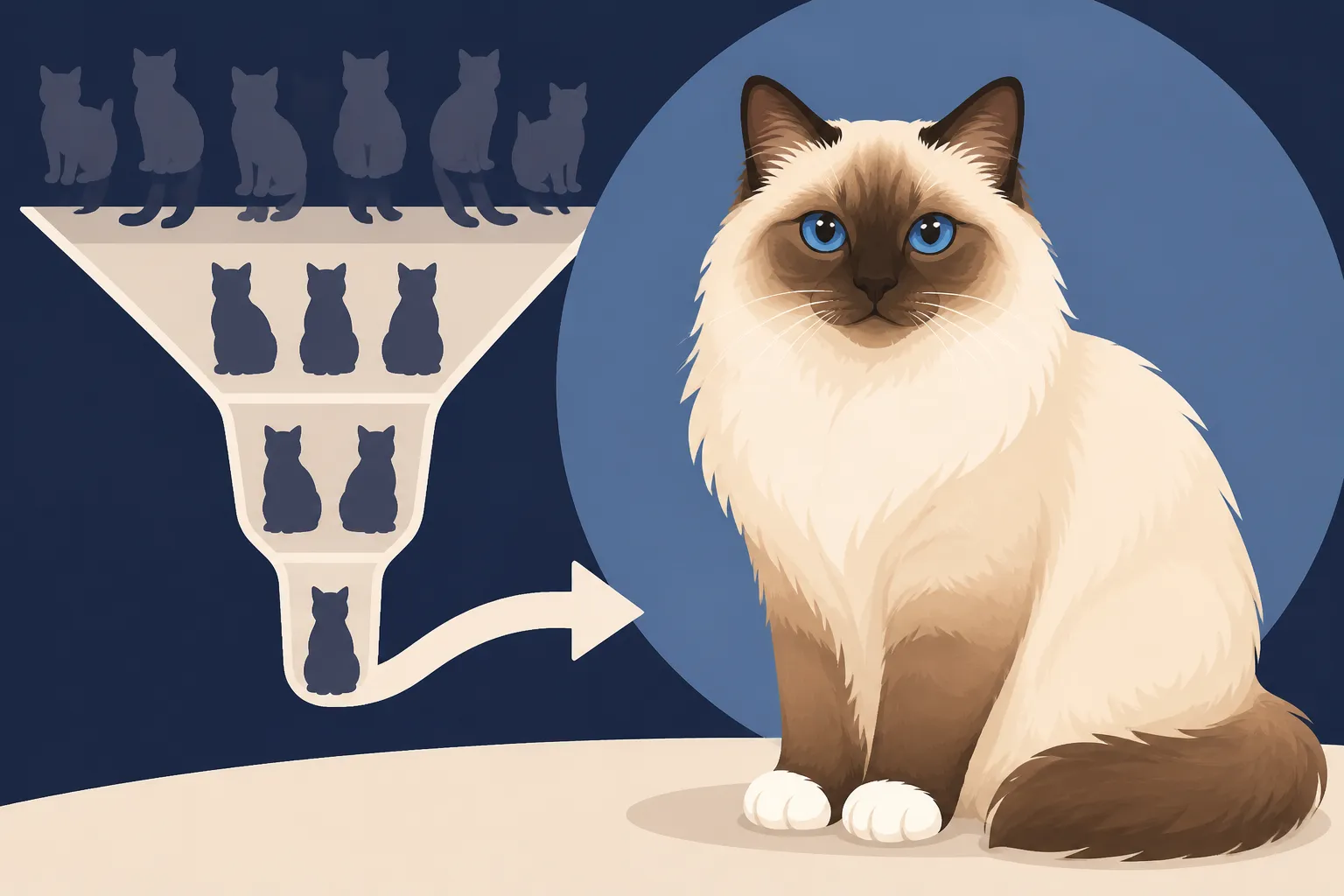
Imagine trying to restart an entire species from just a few individuals – that’s essentially what happened to the Birman. By the end of World War II, the breed was reduced to what some sources indicate were literally just two surviving Birman cats: a male named Orloff de Kaabaa and a female named Xenia de Kaabaa, both from a French cattery. This drastic reduction meant that any genetic diversity present before the war was further diminished, concentrated into these two animals. All genetic traits, both beneficial and potentially harmful, that these two cats carried became overwhelmingly prevalent in future generations. This severe bottleneck meant that the modern Birman, no matter where you find it in the world today, ultimately traces its lineage back to this incredibly small pool, a genetic foundation that would influence How Two Cats in 1945 Shaped the Birman's Health for decades to come.
The Two Cats Who Rebuilt a Breed
It's truly astonishing to consider that an entire breed, known and loved worldwide, can trace its very existence back to such a minuscule starting point. For the Birman, this isn't just a historical footnote; it's the defining factor of their genetic health landscape.
Orloff and Xenia de Kaabaa: The Last Hope
After the devastation of World War II, when many cat breeds faced severe challenges, the Birman was pushed to the absolute brink. The story goes that only a single breeding pair, Orloff and Xenia de Kaabaa, were confirmed to have survived the conflict. These two cats became the last flickering flame of the Birman breed. Their existence was critical; without them, the Birman, as we know it, would have simply ceased to be. They carried the hopes of dedicated fanciers who were determined to resurrect this beautiful and unique breed.
It's hard to overstate the importance of these two individuals. Every single trait, every genetic marker, every predisposition to health or illness in every Birman alive today ultimately finds its root in Orloff and Xenia, or the carefully selected outcrosses introduced shortly after. This means that if either of these cats carried a genetic quirk or a particular susceptibility, it became a foundational element of the breed's genetic heritage. Their survival was a miracle, but it also laid the groundwork for a very specific and limited gene pool that had to be managed with extreme care in the generations that followed.
Tracing Every Modern Birman Back
The implications of the post-war bottleneck are profound: virtually every Birman cat in the world today can trace its ancestry directly back to Orloff and Xenia de Kaabaa, or the immediate outcrosses used to revitalize the breed. This isn't an exaggeration; it's a genetic reality. Pedigree charts for Birmans often show this direct lineage, acting as a stark reminder of just how close the breed came to disappearing entirely. This phenomenon means that the genetic diversity within the Birman breed is inherently limited, even after decades of careful breeding.
This lack of genetic breadth means that recessive genes, which might otherwise remain hidden or diluted in a larger, more diverse population, become much more likely to express themselves. When you have a small founder group, beneficial mutations are slow to appear, and harmful ones can spread rapidly. This is why understanding Which Two Cats Every Birman Descends From is so vital for breeders and owners alike. It helps explain why certain health conditions are more prevalent in Birmans compared to breeds with a broader genetic base. While breeders have worked tirelessly to expand the lines and improve health, the shadow of those two foundational cats still looms large over the Birman's genetic makeup, necessitating diligent health screening and careful breeding choices.
The Necessity of Outcrossing and Its Genetic Cost
With such a narrow genetic foundation, the early Birman breeders faced an unenviable dilemma: continue breeding from the incredibly limited stock, risking severe inbreeding depression and a host of health problems, or introduce new blood, which meant sacrificing some degree of "purity" in the short term. The choice was clear: outcrossing was not just an option, but a necessity for the breed's long-term survival.
Why Outcrossing Was Unavoidable
Imagine being a breeder in the aftermath of WWII, with only two known purebred Birmans left. Breeding them to each other, and then their offspring to each other, would rapidly lead to intense inbreeding. While some inbreeding is used in selective breeding to fix desired traits, too much too quickly results in what’s known as inbreeding depression. This manifests as reduced fertility, smaller litter sizes, weaker immune systems, and a higher incidence of genetic defects. The Birmans, already delicate in number, simply could not withstand this pressure. So, to expand the gene pool, introduce vigor, and ensure the breed’s continued existence, outcrossing was imperative.
This critical decision meant intentionally breeding the surviving Birmans with individuals from other breeds. It wasn't about improving the Birman, but about saving it from extinction. The primary goal was to introduce new, healthy genes to dilute the intense relatedness and bring back genetic diversity, allowing the population to grow and become more robust. Without this intervention, the breed would have succumbed to its genetic fragility. This challenging period underscores Why Post War Outcrossing Was Unavoidable for the Birman, showcasing the incredible dedication of breeders who prioritized the breed's survival above all else.
Which Breeds Contributed and What They Brought
The outcrossing efforts primarily involved the Persian and, to a lesser extent, the Siamese. These breeds were chosen because they shared some physical characteristics with the Birman (long hair from the Persian, pointed pattern from the Siamese) and were relatively available. The goal was to carefully select outcrosses that would reintroduce genetic diversity while still maintaining the distinct Birman look and temperament as much as possible.
The Persian brought its luxurious long coat and generally calm demeanor, contributing significantly to the Birman's silky, non-matting fur and its docile personality. However, What Persian Blood Brought Into the Birman also included potential genetic baggage. Persians are known for certain health issues, and some of these would inevitably be introduced into the Birman gene pool. For example, Polycystic Kidney Disease (PKD1) is strongly associated with Persian ancestry, and it became a condition that later generations of Birman breeders would have to diligently test for and manage. Similarly, the Siamese contributed the pointed gene, which is characteristic of the Birman, and potentially further refined their vocal qualities and social needs, but also potentially introduced its own set of genetic predispositions. This careful, yet sometimes genetically risky, introduction of new blood ensured the Birman's survival but also laid the foundation for some of the health challenges we see in the breed today.
Inherited Health Challenges from a Limited Gene Pool
The legacy of the Birman's narrow founder base and subsequent outcrossing is most keenly felt in the breed's health profile. While Birmans are generally considered healthy cats with a good lifespan, they do have a predisposition to certain genetic conditions that can often be traced back to this unique historical journey. Understanding these is key to providing them with the best care.
The Persistent Shadow of FOXN1
One of the more serious genetic conditions that can affect Birmans is FOXN1-related immunodeficiency, also known as Birman Hypotrichosis with Thymic Aplasia. This is a recessively inherited condition, meaning a kitten must inherit two copies of the faulty gene (one from each parent) to be affected. If a kitten is affected, it is born either entirely bald or with a very sparse, downy coat. More critically, these kittens suffer from thymic aplasia, meaning they have an underdeveloped or absent thymus gland. The thymus is crucial for the development of T-lymphocytes, which are vital components of the immune system.
Without a functioning immune system, these kittens are incredibly vulnerable to infections. They often succumb to common illnesses that a healthy kitten would easily fight off, such as respiratory infections or gastrointestinal problems. Sadly, affected kittens rarely survive beyond a few months of age, and humane euthanasia is often recommended to prevent prolonged suffering. This condition highlights the dangers of a restricted gene pool: if the original bottleneck cats or their immediate outcrosses carried this gene, it became more concentrated and thus more likely to appear when carrier-to-carrier matings occurred. It's a stark reminder of Why a Birman Kitten Born Bald Will Not Reach Eight Months and the profound impact of genetics. Thankfully, DNA testing is now widely available, allowing responsible breeders to identify carriers and avoid such devastating outcomes.
Hypertrophic Cardiomyopathy HCM Risks
Hypertrophic Cardiomyopathy, or HCM, is another significant health concern for the Birman breed. HCM is a progressive heart disease characterized by a thickening of the heart muscle, particularly the left ventricle. This thickening makes it harder for the heart to pump blood effectively, leading to a range of symptoms from mild to severe, including lethargy, difficulty breathing, and in advanced stages, congestive heart failure or sudden death. While HCM is multifactorial and can affect any cat breed, it is seen with some regularity in Birmans, suggesting a genetic predisposition that may be linked to their limited ancestry or specific outcrosses.
The challenge with HCM is that there isn't a simple DNA test for the Birman variety of the disease, unlike some other breeds where specific mutations have been identified. This means that regular echocardiogram screenings by a board-certified veterinary cardiologist are the primary method for diagnosing the condition in breeding cats and monitoring the heart health of all Birmans. Early detection, while not a cure, can allow for medical management to improve the cat's quality of life and potentially slow the progression of the disease. For owners, it’s a constant worry, knowing that a seemingly healthy cat could be silently developing this condition. This makes understanding HCM in a Birman Has No DNA Test, Only an Echo incredibly important for anyone bringing a Birman into their home, ensuring they are prepared for the necessary screenings.
Polycystic Kidney Disease PKD1's Lingering Presence
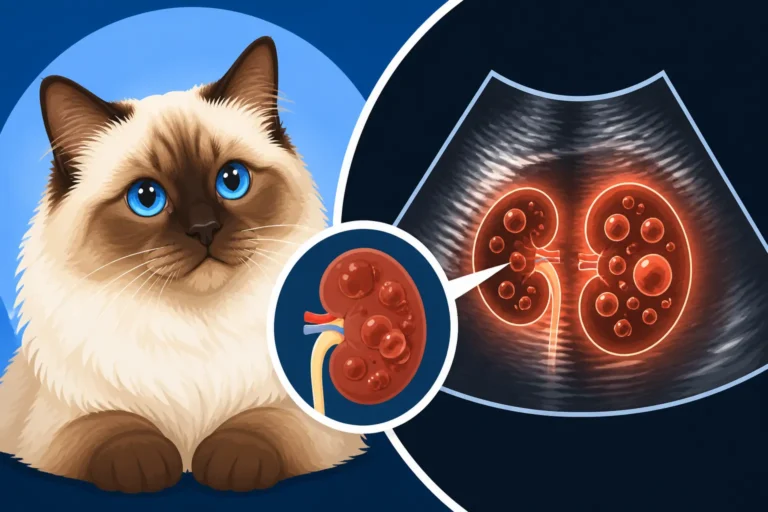
Polycystic Kidney Disease (PKD1) is another condition that found its way into the Birman breed, most likely through the necessary outcrossing with Persians during the post-war rebuilding efforts. PKD1 is a genetic disorder where cysts form in the kidneys, gradually enlarging over time and ultimately impairing kidney function. These cysts are present from birth, but they grow slowly, often not causing clinical signs until the cat reaches middle to senior age. Symptoms of kidney failure, such as increased thirst, frequent urination, weight loss, and poor coat condition, will eventually develop as the cysts compromise more and more healthy kidney tissue.
The good news is that, unlike Birman HCM, there is a very reliable DNA test for PKD1. This genetic test allows breeders to conclusively determine if a cat is clear, a carrier, or affected by the condition. By using this test, responsible Birman breeders can ensure that they are not breeding affected cats and can eliminate the gene from their lines over time, preventing the birth of kittens who will later suffer from kidney disease. This has been a significant step forward in managing the breed’s health. However, because of its likely introduction through the Persian outcross, it remains a condition that breeders must actively screen for, underscoring Why a Birman Breeder Still Tests for PKD even in breeds where it is becoming less common due to diligent testing. The availability of such tests is a huge relief to new owners and a testament to advancements in veterinary genetics.
Managing the Health Legacy: What Breeders and Owners Do
Living with the genetic legacy of a narrow founder base means that proactive health management is not just a recommendation for Birman owners and breeders; it's a fundamental responsibility. From rigorous testing to careful daily care, every step counts in ensuring these beautiful cats lead long, healthy lives.
The Importance of Genetic Testing
For breeders, genetic testing is the cornerstone of responsible Birman breeding. For conditions like FOXN1 and PKD1, DNA tests are invaluable. A simple cheek swab or blood sample can determine if a cat is clear, a carrier, or affected by these specific genetic mutations. Breeders use this information to make informed decisions about pairings, ensuring that two carriers of a recessive gene are never bred together, thereby preventing the birth of affected kittens. This diligent testing helps to gradually reduce the prevalence of these genes within the breed over generations.
For Hypertrophic Cardiomyopathy (HCM), where a DNA test is not yet available for the Birman variant, regular echocardiogram screenings are paramount. Breeding cats should be scanned annually by a board-certified veterinary cardiologist to detect any early signs of heart thickening. If HCM is detected, the cat should be removed from the breeding program to avoid passing on the predisposition. These screenings are not cheap, but they are a vital investment in the future health of the breed. As an owner, when you get a Birman kitten, it's crucial to ask to see the health certificates for both parents, demonstrating their clear status for FOXN1 and PKD1, and recent clear HCM echo results. This proactive approach not only safeguards the individual cat but also contributes to the overall health of the entire breed. For pet owners, having pet insurance like from Healthy Paws can be incredibly beneficial, as it can help cover the costs associated with these regular screenings or potential treatments for genetically predisposed conditions, offering peace of mind.
Responsible Breeding Practices
Beyond genetic testing, responsible Birman breeders adhere to a strict code of ethics that prioritizes health and temperament above all else. This includes careful pedigree analysis to understand lines and potential risks, selecting mates based on complementary health profiles, and maintaining meticulous records. They understand that the goal isn't just to produce beautiful kittens but healthy ones with good quality of life. Transparency is key; reputable breeders are always willing to share test results, pedigree information, and veterinary records.
They also often limit the frequency of breeding for queens and ensure their breeding cats are physically and emotionally mature before breeding. Socialization of kittens is also a priority, ensuring they are well-adjusted before going to their new homes. Furthermore, many breeders operate with a "pet only" contract for kittens not meeting show or breeding standards, requiring new owners to spay or neuter their Birman. This prevents unintended breeding and helps control the genetic health of the wider population. The efforts of these dedicated individuals are what keep the Birman breed thriving and ensure that How Many Years a Birman From Echo Scanned Lines Lives can be long and healthy.
Lifelong Veterinary Care and Monitoring
For Birman owners, lifelong veterinary care and vigilant monitoring are essential. Starting with a thorough kitten exam, regular check-ups become crucial, especially as your Birman ages. Early detection of any health issues, genetic or otherwise, significantly improves the prognosis. This means sticking to a routine vaccination schedule, preventative parasite control, and annual wellness exams, which should include a thorough physical, dental check, and listening to their heart.
As Birmans reach middle age (around 7-8 years), it's wise to start discussing more comprehensive annual health panels with your vet, including blood work and urinalysis, to monitor kidney and thyroid function, especially given the breed's history with PKD1. Any changes in behavior, appetite, thirst, or activity level should prompt a call to your vet. Birmans are known for their placid temperament and tendency to hide illness, so a subtle change can be a significant indicator. Knowing What an Ageing Birman Slows Down From can help you differentiate between normal aging and signs of underlying health issues. By working closely with your veterinarian and being attentive to your cat's needs, you can mitigate the impact of historical genetic challenges and help your Birman enjoy a full and happy life. Having comprehensive pet insurance from a provider like Healthy Paws can be a valuable financial buffer, allowing you to pursue necessary diagnostic tests and treatments without hesitation.
The Birman's Future: Widening the Gene Pool Responsibly
The journey of the Birman cat from near extinction to a beloved breed is a testament to dedicated breeders, but the work isn't over. The challenge of the narrow founder base remains, prompting ongoing discussions and careful strategies to ensure the breed's vitality for generations to come.
Ongoing Efforts to Diversify
While the dramatic outcrossing of the post-war era saved the Birman, the subsequent years focused on breeding "back" to pure Birman lines to stabilize the breed type. Now, the conversation is shifting again towards responsible diversification within the breed. This isn't about repeating the broad outcrosses of the past, but about carefully managing existing lines and, in some cases, considering limited, well-researched outcross programs if absolutely necessary and approved by breed clubs. The goal is to introduce just enough new genetic material to bolster the breed's overall health and resilience without compromising its distinctive characteristics.
Breed clubs and geneticists are actively studying the Birman gene pool, using modern genetic tools to identify areas of low diversity and potential inbreeding coefficients. This scientific approach helps guide breeding decisions, allowing breeders to make informed choices that reduce the risk of concentrating detrimental genes while preserving desirable traits. The focus is on a long-term strategy, understanding that genetic health is a continuous process, not a one-time fix. It’s a slow and meticulous endeavor, aimed at ensuring Whether the Birman Gene Pool Has Widened Since in a meaningful and beneficial way, strengthening the breed's future.
The Balance Between Purity and Health
One of the greatest ongoing challenges for Birman breeders is maintaining the delicate balance between breed purity (adhering to the established standard for appearance and temperament) and ensuring genetic health. There's a strong desire to preserve the unique Birman look – the exquisite point coloration, the silky coat, the characteristic white gloves and laces, and the gentle nature. However, clinging too rigidly to these ideals without considering genetic diversity can inadvertently perpetuate or worsen inherited health problems.
Breed standards often outline very specific physical attributes, and the pursuit of these perfect traits can sometimes lead to an emphasis on specific lines, inadvertently reducing genetic variation. The most forward-thinking breeders recognize that a truly healthy breed is one that can withstand environmental challenges and reproduce robustly, and sometimes that means making difficult decisions that might involve temporary departures from the most extreme show-ring ideals. They understand that a visually "perfect" cat is not truly perfect if it suffers from debilitating genetic disease. This ongoing conversation involves careful collaboration between breed clubs, individual breeders, and veterinary geneticists to ensure the Birman cat continues to be cherished for both its beauty and its robust health. A truly responsible breeder will always prioritize the cat's well-being, sometimes making choices that may seem less "perfect" on paper but contribute to a healthier, happier life for their beloved Birmans, reinforcing the importance of pet care products and services like those offered by Healthy Paws that support long-term feline health.
| Condition | Likely Origin (Exacerbated by Narrow Base/Outcross) | Primary Screening/Testing Method | Impact on Birman |
|---|---|---|---|
| FOXN1-Related Immunodeficiency | Narrow founder base, recessive gene concentration | DNA test (cheek swab/blood) | Fatal immunodeficiency in affected kittens |
| Hypertrophic Cardiomyopathy (HCM) | Genetic predisposition (may be in founder stock/outcrosses) | Annual Echocardiogram (by cardiologist) | Thickening heart muscle, leading to heart failure/clots |
| Polycystic Kidney Disease (PKD1) | Introduced via Persian outcrossing | DNA test (cheek swab/blood) | Cysts on kidneys, progressive kidney failure |
| Dental Disease | Breed conformation (narrow jaw) | Regular vet check-ups, professional dental cleanings | Pain, infection, tooth loss |
Disclaimer
This article is for general informational purposes only and does not constitute professional advice. Laws, prices and regulations vary by location and change over time. Consult a qualified professional for guidance on your specific situation.