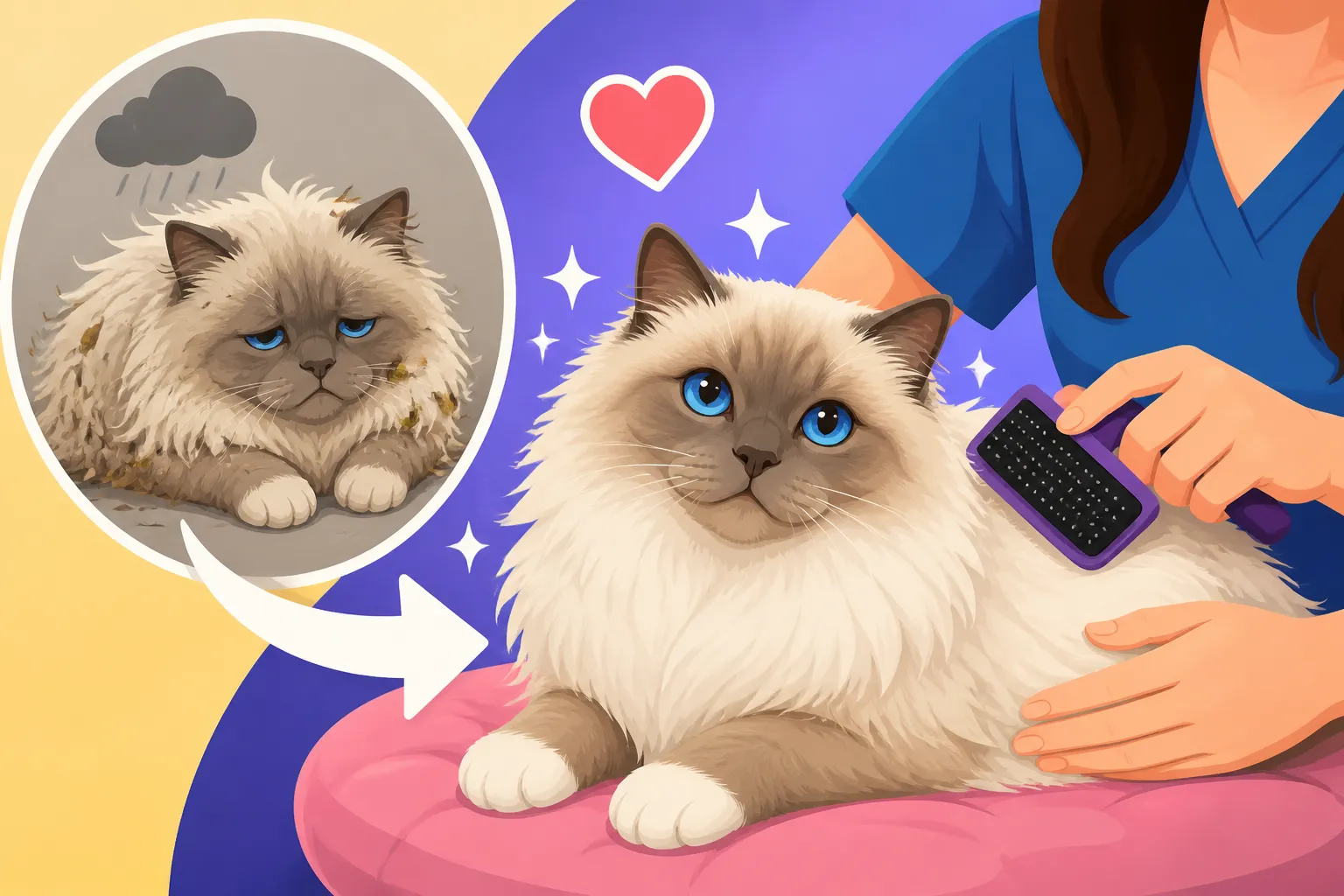
Taking Over the Grooming an Old Birman Has Given Up
It's heartbreaking to watch our beloved Birmans age, and one of the most visible signs that time is marching on can be a decline in their once-impeccable self-grooming habits. What was once a fastidious ritual performed with grace can become a struggle, leaving their beautiful, silky coats tangled and their paws less than pristine. This guide is here to walk you through understanding why your senior Birman is struggling and how you can lovingly step in to keep them comfortable, healthy, and looking their regal best.
Understanding Why Your Senior Birman Stops Grooming
When your Birman starts to neglect their grooming, it’s rarely out of malice or laziness. More often than not, it’s a direct result of age-related physical challenges that make their once-easy routine a painful or difficult endeavor. It’s crucial to approach this with empathy, recognizing that they’re not choosing to be unkempt but are genuinely finding it hard.
Physical Limitations and Aches
Just like humans, cats experience the onset of arthritis and general stiffness as they get older. Those once fluid movements that allowed them to reach every inch of their back or stretch effortlessly to clean their tail become increasingly restricted. Think about trying to touch your toes when your back is stiff – now imagine needing to do that multiple times a day to stay clean.
Arthritis, particularly in the spine, hips, or shoulders, can make twisting, bending, and reaching incredibly uncomfortable. An aging Birman might find it painful to raise a paw to clean behind an ear, or even to hold a contorted position long enough to thoroughly groom their hindquarters. Their long, rectangular bodies, while elegant, can sometimes make these movements even more challenging than for a more cobby breed. You might notice them favoring certain positions, or struggling to jump onto their favorite perch. This reduced flexibility means those hard-to-reach areas, especially around the base of the tail, armpits, and britches, are often the first to show signs of neglect, leading to mats and dull fur. It's often one of the first things you notice when What an Old Birman Slows Down From First begins to manifest.
Dental Pain and Discomfort
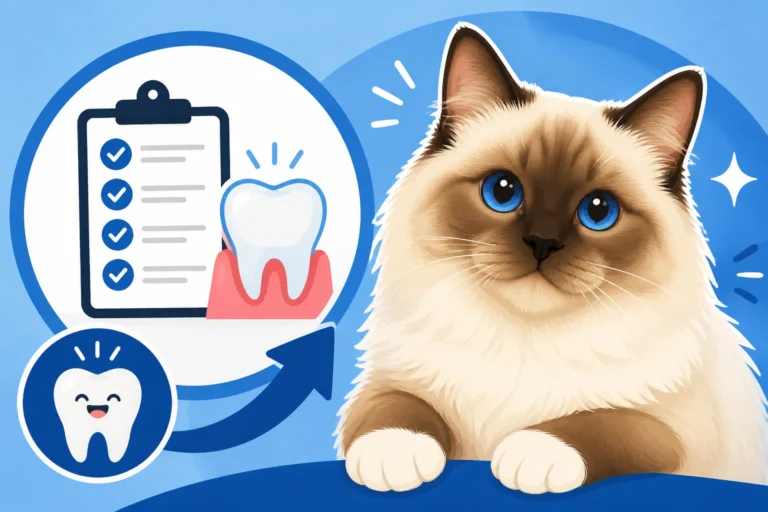
Beyond mobility issues, pain in the mouth can significantly impact a Birman’s desire and ability to groom. Imagine trying to lick yourself clean with a searing toothache or sore gums. It’s simply not going to happen efficiently, if at all. Dental disease is incredibly common in older cats, and Birmans, with their sometimes narrower jaws, can be particularly susceptible to plaque and tartar buildup.
Infected gums, broken teeth, or resorptive lesions (where the tooth structure erodes) can make every lick and chew excruciating. Your Birman might start to shy away from eating hard kibble, or even drool a bit. This discomfort extends to grooming; the pressure of their tongue against sore teeth or gums while licking can be enough to deter them from their usual meticulous habits. They may try, but the pain quickly outweighs the urge to be clean. This can also lead to a decrease in appetite, which further impacts their overall health and coat condition. How Dental Disease Progresses in a Birman is something every owner should be aware of.
Vision and Cognitive Changes
Aging isn't just about physical aches; it can also bring about changes in vision and cognitive function. A Birman whose eyesight is dimming might not see the small tangle forming on their flank as clearly, making them less effective at identifying and removing it. They might miss spots, or simply become disoriented when trying to groom in their usual thorough manner.
Similarly, cognitive decline, sometimes referred to as feline cognitive dysfunction, can manifest as confusion, altered sleep cycles, or a general decrease in interest in activities they once enjoyed, including grooming. They might simply forget how to groom as thoroughly, or lose the motivation to engage in the intricate process. This isn't about laziness; it's about changes in their brain's ability to process and execute complex behaviors. When you see these subtle shifts, combined with less effective grooming, it's often a sign that their world is becoming a little fuzzier, both literally and figuratively.
Essential Grooming Tools and Techniques for Senior Birmans
Once you understand why your senior Birman is struggling, the next step is to equip yourself with the right tools and a gentle approach to help them out. Remember, this isn't about replacing their self-grooming entirely, but supplementing it with love and care.
Gentle Combing and Brushing
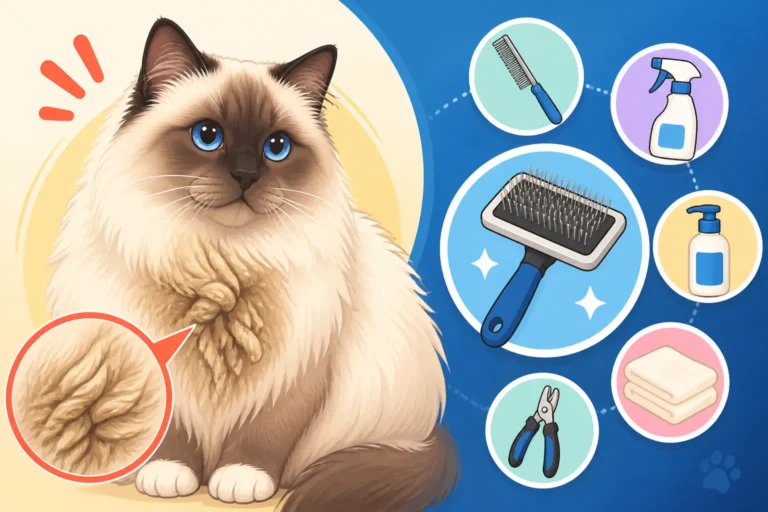
A Birman's coat is truly a thing of beauty – long, silky, and flowing, yet remarkably easy to maintain due to its lack of a dense undercoat. However, even this "easy" coat can mat quickly when neglected by an aging cat. The key is regular, gentle combing. Forget those harsh slicker brushes that can pull and tear at their fine guard hairs; they're simply not suitable for a Birman's unique texture. Instead, opt for a good quality metal comb with both wide and fine teeth. A wide-toothed comb is excellent for working through the main body and fluffy tail, while the finer teeth can be used cautiously on smaller tangles or closer to the skin.
Start with short, frequent sessions – perhaps just five minutes a day – rather than long, arduous ones. Focus on the areas they struggle to reach: behind the ears, under the chin, the armpits, the belly, and the "britches" around their hind legs. When you encounter a tangle, don't pull! Gently work it apart with your fingers first, then use the wide-toothed comb, slowly teasing out the knot from the ends towards the skin. Always comb in the direction of hair growth. A good detangling spray (look for cat-safe options on Chewy or Amazon) can also be a lifesaver for stubborn mats. Remember, patience is paramount; if your Birman shows signs of discomfort or annoyance, take a break and try again later. This is especially true for their glorious ruff; for tips on getting through it without causing distress, see Which Comb Gets Through a Birman's Ruff Without Pulling.
Keeping White Gloves Immaculate
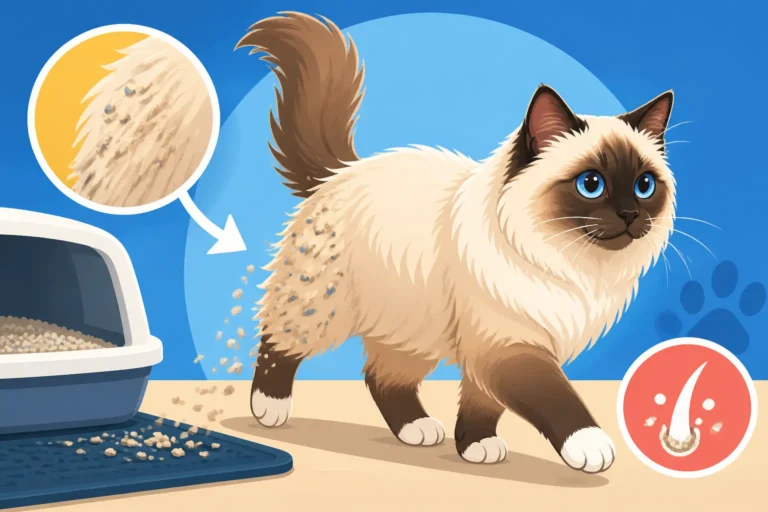
Ah, the Birman's signature white gloves! They are stunning, but for an older cat, keeping them pristine can become a real challenge. Reduced flexibility means they might not be able to thoroughly clean their paws after using the litter box, leading to staining and sometimes even unpleasant odors. This is where you step in.
Firstly, consider your litter choice. Dusty clay litters can cling to white fur and cause discoloration. Switching to a low-dust, white, or paper-based litter can make a huge difference. You can find excellent options on Amazon or Chewy that are designed to minimize tracking and dust. Which Litter Suits a White Gloved Cat delves into this topic more. Secondly, regular gentle cleaning of their paws is essential. Keep some pet-safe, unscented wipes handy. After your Birman uses the litter box, or if you notice any staining, gently wipe their paws. For more stubborn stains, a small amount of cat-safe shampoo (specifically formulated for white coats) diluted in warm water can be used on a soft cloth. Be sure to rinse thoroughly and gently pat dry. Making this a quick, positive experience with a treat afterward can help your Birman associate it with something pleasant, making future cleanings much easier.
Nail Trimming and Ear Care
As Birmans age, their claws can become thicker and more brittle, and they might not be as active, meaning their nails don't wear down naturally. Overgrown nails can curve into their paw pads, causing pain and even infection, which further discourages them from walking and grooming. Trimming their claws regularly, ideally every few weeks, is vital. Use sharp, cat-specific nail clippers. Gently press on their paw pad to extend the claw, and only clip the very tip, avoiding the quick (the pink part that contains blood vessels and nerves). If you’re unsure, ask your vet or a professional groomer to show you how.
Ear care also becomes important. While Birmans aren't particularly prone to ear issues, older cats can sometimes develop wax buildup or become more susceptible to minor infections. Gently check their ears weekly. If you see any redness, discharge, or excessive wax, or if they seem itchy or painful, it's time for a vet visit. For routine cleaning, a cat-safe ear cleaner applied to a cotton ball (never use cotton swabs deep inside the ear canal!) and gently wiping the visible parts of the ear can help keep them clean. Again, make it a calm experience, perhaps offering a high-value treat afterwards.
Creating a Comfortable and Stress-Free Grooming Routine
Grooming a senior Birman isn't just about the tools; it's about the entire experience. Their comfort and emotional well-being are paramount, and a calm, consistent approach will yield the best results.
Timing and Environment
Choosing the right time and place for grooming sessions can make all the difference. Avoid times when your Birman is active, playful, or trying to eat. Instead, opt for moments when they are relaxed and sleepy, perhaps after a nap or during a quiet evening cuddle session. Consistency is key; try to establish a regular routine, so they learn to anticipate and accept it. Maybe every evening while you're watching TV, they get their five-minute brush-down.
Create a peaceful, quiet environment. Turn off loud music or the television, and ensure there are no other pets or rambunctious children around to cause distractions or stress. A warm, comfortable surface where they feel secure, like a soft blanket on your lap or a non-slip mat on a table, can help. Speak to them in a calm, reassuring voice throughout the session. If they become agitated or show signs of discomfort, stop immediately. Pushing them will only create a negative association, making future sessions harder. Reward good behavior with praise, gentle petting, and a small, tasty treat. This positive reinforcement can transform grooming into a bonding experience rather than a dreaded chore.
Hydration and Nutrition for Coat Health
While hands-on grooming is crucial, supporting your Birman's coat health from the inside out is equally important. Hydration plays a massive role in skin and coat condition, especially as kidneys age. Ensure your senior Birman always has access to fresh water. Many older cats prefer drinking from a wide, shallow bowl, or even a flowing water fountain, which can encourage them to drink more. Which Wet Food Suits a Birman's Kidney History is a great resource for this, as wet food significantly boosts water intake.
A high-quality diet specifically formulated for senior cats provides essential nutrients, vitamins, and minerals that support overall health, including skin and coat vitality. Look for foods rich in Omega-3 and Omega-6 fatty acids, which contribute to a shiny coat and healthy skin. If your Birman is starting to lose some muscle mass, a diet with appropriate protein levels is also important. A healthy diet helps their skin stay supple and their coat less prone to breakage and matting. Why a Birman's Coat Needs Fat in the Diet explains the specific needs of their lovely fur.
When to Seek Professional Help
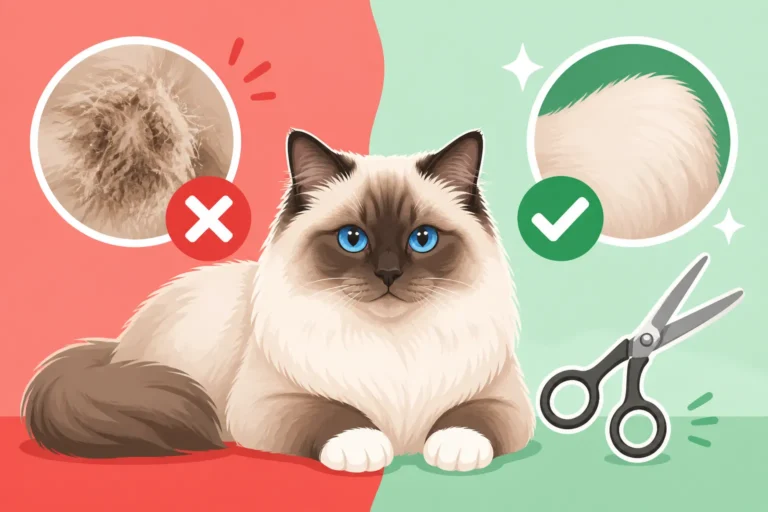
There will be times when despite your best efforts, you might need a little extra help. If your Birman develops severe matting that you can't safely remove yourself, or if they are in significant pain during grooming, it's time to consult your veterinarian or a professional groomer experienced with senior cats. Attempting to cut out large, tight mats can be dangerous, as you risk cutting their delicate skin. A vet can often sedate a cat to safely remove extensive matting, providing immense relief.
Similarly, if you notice any unusual lumps, bumps, skin irritations, excessive shedding, or persistent dirty patches, these could be signs of underlying health issues that require medical attention. Your vet can perform a thorough examination, rule out conditions like skin infections, parasites, or hormonal imbalances, and recommend appropriate treatment. Don't hesitate to reach out to professionals; they are there to help ensure your beloved Birman remains as healthy and comfortable as possible throughout their golden years.
Holistic Care Beyond the Comb: Supporting Your Aging Birman
Grooming is just one piece of the puzzle when caring for an older Birman. A comprehensive approach means looking at their overall well-being, both physically and emotionally, to ensure their senior years are as comfortable and joyful as possible.
Monitoring for Underlying Health Issues
A decline in self-grooming is often one of the first subtle indicators that something deeper might be going on with your Birman's health. While we've discussed aches and dental pain, many other age-related conditions can impact their ability or desire to groom. Kidney disease, hyperthyroidism, diabetes, and even certain types of cancer can all manifest as a lack of energy, discomfort, or general malaise that leads to neglect of their coat. Remember, Birmans are notoriously stoic and Why a Quiet Birman Is Easy to Misread, so you need to be extra vigilant for changes.
Regular veterinary check-ups are absolutely non-negotiable for senior Birmans, ideally twice a year. These visits allow your vet to catch potential problems early, often before they become advanced or outwardly obvious. Blood tests, urine analysis, and a thorough physical examination can reveal issues that you might not suspect. Early diagnosis and intervention can make a huge difference in managing chronic conditions and improving your Birman's quality of life, which in turn can sometimes improve their motivation and ability to self-groom. These check-ups should include What a Birman's Yearly Panel Should Include After Eight.
Environmental Adjustments
Making small adjustments to your home environment can significantly support an aging Birman, especially if they are struggling with mobility. Think about how they navigate their world. Are their favorite sleeping spots or window perches suddenly too high to reach comfortably? Consider providing ramps or sturdy pet steps to help them access elevated areas without strain. This reduces the physical exertion they need, which in turn saves energy and minimizes discomfort.
Ensure their litter boxes are easily accessible. A high-sided litter box might be too difficult for an arthritic Birman to step into comfortably. Look for low-entry or senior-friendly litter boxes that reduce the effort required. Place multiple water bowls and food dishes in easily accessible locations around the house, especially if their mobility is limited. Comfortable, orthopedic beds can also provide much-needed support for aching joints. Small changes can make a huge difference in their daily comfort and ability to move, reducing the overall stress on their system.
The Emotional Aspect of Grooming
Finally, never underestimate the emotional connection involved in grooming. For an aging Birman, your gentle touch and consistent presence during grooming sessions can be incredibly reassuring. These moments become more than just practical necessities; they are opportunities for bonding, comfort, and reinforcing your love. Your Birman might no longer be able to show their affection in the same energetic ways, but they still cherish your companionship.
Approach each grooming session with patience, love, and a desire to make them feel cherished. Speak softly, offer comfort, and if they enjoy it, end with a gentle massage or a prolonged cuddle. Remember that even if they can't groom themselves perfectly, feeling clean and comfortable contributes immensely to their overall happiness and dignity. By taking over this vital role with sensitivity and care, you're not just maintaining their coat; you're maintaining their quality of life and strengthening the incredible bond you share.
Here's a quick overview of common senior Birman grooming challenges and how to address them:
| Challenge | Reason (Common for Seniors) | Your Solution | Key Points for Birmans |
|---|---|---|---|
| Matting/Tangles | Arthritis, stiffness, reduced flexibility | Gentle, daily combing; detangling spray | Use a wide-toothed metal comb; avoid slicker brushes on single coat |
| Stained White Gloves | Difficulty reaching paws, less thorough cleaning | Low-dust litter; pet-safe wipes; occasional gentle washing | Choose white or paper litter; wipe after litter box use |
| Overgrown Nails | Decreased activity, thicker nails | Regular nail trimming every 2-4 weeks | Use sharp cat clippers; avoid the quick |
| Dull/Poor Coat Quality | Nutritional deficiencies, dehydration, underlying health | High-quality senior diet; increased water intake; vet check | Ensure Omega fatty acids in food; wet food encourages hydration |
| Unkempt Rear/Britches | Hip pain, stiffness, obesity | Targeted, gentle cleaning and combing | Be extra patient and supportive; consider low-entry litter box |
| Ear Wax Buildup | Less effective self-cleaning | Weekly visual check; gentle ear cleaning with vet-approved solution | Consult vet for excessive wax or signs of infection |
Disclaimer
This article is for general informational purposes only and does not constitute professional advice. Laws, prices and regulations vary by location and change over time. Consult a qualified professional for guidance on your specific situation.