How Many Point Colors a Birman Is Registered In
It can be surprisingly tricky to pin down exactly what colors your Birman cat can officially be, especially when you're admiring their beautiful, distinct points. You might see a stunning array of hues in photos and wonder which ones are truly recognized by breed standards, and which are just lovely variations that might not make it into the show ring. This guide will take a deep dive into the fascinating world of Birman point colors, breaking down what's officially recognized, what makes each one unique, and how genetics play a role in your Birman's gorgeous coat.
The Magic of Points: Understanding Birman Coloration
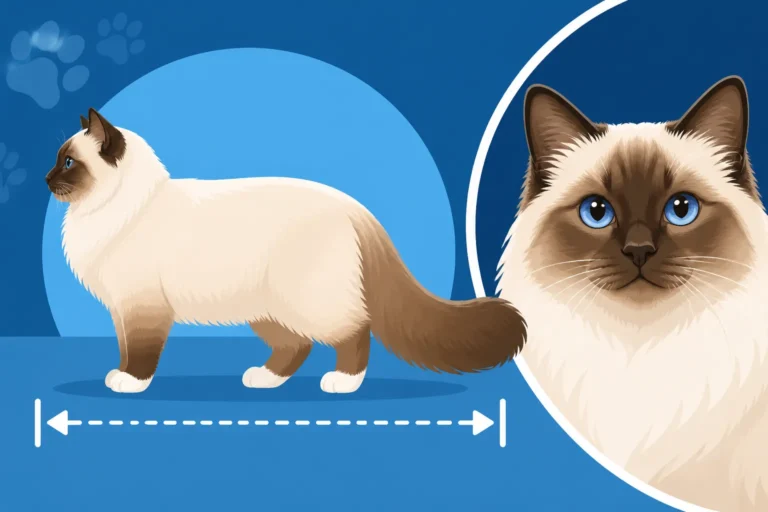
The Birman's signature look, with its striking color concentrated on the "points"—the cooler extremities of the body like the face mask, ears, legs, and tail—is a huge part of its appeal. It's what makes them so recognizable and gives them that almost regal appearance. But there's more to it than just pretty patterns; there's a whole science behind why your Birman looks the way it does.
What "Pointed" Actually Means for Your Birman
When we talk about a "pointed" cat, we're referring to a specific genetic trait that restricts pigment production to the cooler parts of the body. This means the main body of your Birman will be a much lighter shade, often cream or off-white, while the ears, face, paws, and tail will display the cat's true genetic color. It's a hallmark of breeds like the Birman, Siamese, and Himalayan, and it's what gives them their unique charm. The contrast between the warm body and the darker points is truly stunning, making each Birman a living work of art. Understanding this fundamental aspect of their genetics helps you appreciate the variations we'll discuss.
The Temperature-Sensitive Gene: Why Kittens Are Born White
One of the most captivating things about Birman kittens is that they are all born completely white or nearly white. It's a surprise to many new owners, especially those used to kittens that arrive with their adult colors already visible! This phenomenon is directly linked to the temperature-sensitive albinism gene that causes the pointed pattern. In the warmth of their mother's womb, the pigment gene is essentially "turned off," preventing color from developing. Once the kittens are born and exposed to the cooler ambient air, the pigment gene activates in the cooler areas of their body. You can actually witness When a Birman Kitten's Points Start to Show as they grow. This gradual darkening is incredibly fun to watch, as their true colors slowly emerge, giving you a peek at the stunning cat they're destined to become.
The Core Collection: Traditional Birman Point Colors
When Birmans were first introduced to the Western world, the range of recognized colors was quite limited. These foundational colors are still incredibly popular and form the backbone of the breed's identity. They are often the first colors people think of when picturing a Birman.
The Timeless Seal Point: A Deep, Rich Brown
The Seal Point is arguably the most classic and widely recognized Birman color. These cats have deep, dark brown points that are almost black, providing a dramatic contrast against their creamy body. Imagine a perfectly toasted marshmallow with dark chocolate tips – that's the Seal Point Birman. The leather of their nose and paw pads will also be a matching seal brown. It's a truly striking color that exudes elegance and sophistication, making it a perennial favorite among enthusiasts. What a Seal Point Birman Looks Like is often what comes to mind when you picture a Birman.
The Elegant Blue Point: Soft and Smoky
For those who prefer a softer, more ethereal look, the Blue Point Birman is a dream. Instead of the stark dark brown, their points are a beautiful, cool blue-grey, which can range from a light slate to a deeper charcoal. Their body color is often an icy white or pale blue-cream, perfectly complementing the cooler tones of their points. This color gives the Birman a very gentle and refined appearance. The nose leather and paw pads will typically be a slate grey. It’s a subtle beauty that often captures hearts with its delicate charm.
The Warm Chocolate Point: A Gentler Hue
The Chocolate Point Birman offers a lovely alternative to the Seal, with points that are a warmer, milk chocolate brown rather than the darker, almost black seal. This softer brown often pairs with a creamy ivory body, creating a harmonious and inviting palette. Imagine a delicious mocha – that's the warmth a Chocolate Point brings. Their nose leather and paw pads will also be a warm chocolate brown. This color can sometimes be mistaken for a light Seal Point, but the distinct warmth of the chocolate sets it apart, giving it a unique appeal.
The Delicate Lilac Point: A Fancier Favorite
Stepping into the world of dilute colors, the Lilac Point is a truly exquisite and sought-after shade. The points are a delicate, frosty grey with a pinkish or lavender undertone, a far cry from the deeper blues. The body often has a magnolia white shade, making the subtle point color stand out beautifully. Their nose leather and paw pads will typically be a faded lavender-pink. The Lilac Point often feels very aristocratic and serene, captivating those who appreciate its sophisticated and somewhat rare beauty. Many consider What a Lilac Point Birman Looks Like to be one of the most stunning variations.
Expanding the Spectrum: Red and Cream Points
As breed standards evolved and genetic understanding deepened, more point colors gained recognition, adding even more diversity to the Birman palette. These newer colors bring a burst of warmth and subtle elegance.
The Fiery Red Point: A Splash of Warmth
The Red Point Birman is a vibrant and cheerful addition to the breed. Their points glow with a bright, marmalade orange or deep apricot color, creating a striking contrast against their creamy-white body. Unlike other point colors, the Red Point often has a slightly varied intensity, with some areas being richer than others. Their nose leather and paw pads will be a rosy pink. These cats bring a lively energy with their warm hues and are particularly eye-catching. While perhaps less common than the traditional seals and blues, the Red Point is gaining popularity for its distinctive brightness.
The Muted Cream Point: Soft and Subtle
The Cream Point is the dilute version of the Red Point, offering a softer, more pastel take on the warm color spectrum. Their points are a gentle, pale apricot or buff cream, almost blending into their ivory body color. This makes for a very understated and harmonious appearance, giving them an almost ethereal glow. Their nose leather and paw pads will be a delicate pink. The Cream Point is often admired for its subtle beauty, embodying quiet elegance rather than dramatic contrast. It's a color that requires a keen eye to fully appreciate its delicate nuances. How Rare a Cream Point Birman Is might surprise you, given its subtle beauty.
| Point Color | Description | Nose Leather/Paw Pads | General Impression |
|---|---|---|---|
| Seal Point | Deep, dark brown (almost black) | Seal brown | Classic, dramatic, elegant |
| Blue Point | Cool blue-grey, slate | Slate grey | Soft, refined, ethereal |
| Chocolate Point | Warm, milk chocolate brown | Chocolate brown | Harmonious, inviting, warm |
| Lilac Point | Frosty grey with pink/lavender undertone | Faded lavender-pink | Exquisite, serene, aristocratic |
| Red Point | Bright orange/apricot | Rosy pink | Vibrant, cheerful, striking |
| Cream Point | Pale apricot/buff cream | Delicate pink | Subtle, harmonious, understated |
Patterned Points: Tabby and Tortie Variations
Beyond solid point colors, Birmans can also display patterns within their points, adding another layer of complexity and beauty to their coats. These patterned points are often a delightful surprise for those accustomed to the more solid colorations.
The Striking Tabby Point: Stripes in the Color
A Tabby Point Birman takes any of the solid point colors (like Seal, Blue, Chocolate, Lilac, Red, or Cream) and overlays it with distinct tabby markings. This means you'll see "M" markings on their forehead, stripes on their cheeks, rings on their legs and tail, and often outlines around their eyes, all in the point color. For example, a Seal Tabby Point will have dark brown tabby stripes on their seal points, while a Blue Tabby Point will have blue-grey stripes on their blue points. It's a really eye-catching variation that adds a wilder, more intricate look to the Birman's gentle demeanor. The body will still be lighter, but it might also carry a subtle shading or ghost tabby markings that become more apparent with age. Whether a Tabby Point Birman Is Recognized depends on the specific registry, but many now embrace this lovely pattern.
The Beautiful Tortie Point: A Patchwork of Color
Tortie Point Birmans are truly special, a patchwork of color unique to female cats (males with tortie points are extremely rare and usually have a genetic anomaly). These Birmans combine red or cream patches with one of the other point colors (like Seal, Blue, Chocolate, or Lilac). So, you might see a Seal Tortie Point with patches of deep brown and fiery red on her mask, ears, and legs, or a Blue Tortie Point with patches of blue-grey and soft cream. The distribution of these patches is always unique, making each Tortie Point Birman truly one-of-a-kind. It's a stunning display of color variation, celebrating the beauty of genetic diversity. What a Tortie Point Birman Looks Like is always an adventure, a beautiful blend of hues.
Navigating Registries: Which Colors Are Recognized Where
Understanding which colors are "official" can be a bit of a maze, as different cat associations around the world have their own standards and timelines for recognizing new point colors and patterns. For a Birman owner, especially one interested in showing or breeding, knowing these distinctions is crucial.
The Major Cat Associations and Their Birman Standards
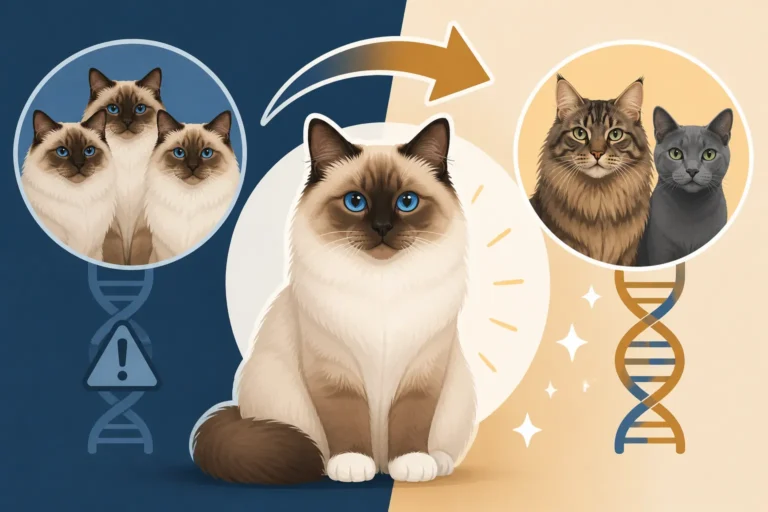
Major cat registries like the Cat Fanciers' Association (CFA) in North America, The International Cat Association (TICA), and FIFE (Fédération Internationale Féline) in Europe all publish breed standards that list the accepted point colors for the Birman. Historically, the original four colors – Seal, Blue, Chocolate, and Lilac Points – were universally accepted first. As breeding programs expanded and more genetic variations appeared, Red and Cream Points, along with Tabby and Tortie Point patterns, gradually gained acceptance. Which Point Colors CFA Accepts in a Birman might be slightly different from what another association recognizes, though there's a lot of overlap. It's always best to check the specific registry's website if you're involved in showing, as their rulebooks are the final word on what's allowed in the championship classes. For pet owners, of course, every color is equally beloved!
How New Colors Gain Acceptance and Recognition
The process for a "new" color or pattern to be recognized by a cat registry is quite rigorous and can take many years, even decades. It often begins when breeders discover and consistently produce a certain color that isn't yet in the standard. They must demonstrate that the color breeds true and consistently, and that it doesn't bring any undesirable health traits. They'll need to submit detailed pedigrees, show multiple generations of the color, and often participate in "miscellaneous" or "provisional" classes at shows to gather feedback from judges. Only after a sustained period of development and presentation, proving the color's stability and adherence to the Birman type, will it eventually be granted full championship status. This careful process ensures the integrity and health of the breed, but it also means that sometimes a beautiful variation you see might still be in the probationary period with some associations.
Living with Pointed Colors: Care and Observation
The Birman's point coloration isn't just about beauty; it also subtly influences how we perceive their aging and how we might care for them. Their unique genetics mean their coat is always changing, offering a dynamic and interesting aspect to living with these lovely cats.
Why a Birman's Points Darken with Age
One of the most charming characteristics of a Birman is how their point colors deepen and spread over time. It's completely normal, and in fact, expected! As your Birman gets older, their body temperature tends to drop ever so slightly, and the pigment-producing gene, being temperature-sensitive, responds by creating more color. You might notice your Birman's mask becoming more extensive, or their leg and tail points growing darker and richer. This process is gradual and beautiful. Why a Birman's Points Darken as It Ages is a fascinating genetic dance. It's not uncommon for a senior Birman to have points that are several shades darker than they were in their youth, or for the body color to deepen from pure white to a light cream, especially in cooler climates. Why a Birman Living Somewhere Cold Gets Darker is a perfect example of this in action; the environment plays a role!
Keeping Those Beautiful Points Looking Their Best
While the natural darkening of points is part of the Birman charm, you can help keep their coat in top condition. Regular grooming, even for their relatively low-maintenance single coat, is essential. A good quality comb and brush can help distribute natural oils and remove loose hair, which contributes to overall coat health. Many Birman owners choose a high-quality diet, perhaps with added omega fatty acids, to support skin and coat luster. You can find excellent options for specialized cat food and grooming tools on sites like Chewy that cater to long-haired breeds. For lighter points, especially the white gloves, using low-dust litter can prevent staining, and occasionally a gentle paw wipe might be needed if they've been exploring. Sites like Chewy also offer a wide array of litter options designed to minimize dust and tracking, which can be a real game-changer for keeping those pristine white feet clean. And speaking of pristine, those clear blue eyes, always sparkling, are as much a part of the Birman's allure as their points.
Disclaimer
This article is for general informational purposes only and does not constitute professional advice. Laws, prices and regulations vary by location and change over time. Consult a qualified professional for guidance on your specific situation.