Which Registries Call the Birman a Sacred Birman
A pedigree may say “Birman,” “Sacré de Birmanie,” or “Sacred Birman,” leaving new owners wondering whether they are looking at different breeds. Usually, they are seeing different registry names or translations for the same breed. This guide explains which organizations use each term, why the wording varies, and what to check on a cat’s paperwork.
What “Sacred Birman” means
It is usually another name for the Birman breed
“Sacred Birman” is the English rendering of the French name Sacré de Birmanie. The shorter name, “Birman,” is the term many English-language cat registries and breed organizations use. In ordinary conversation, breeders and owners may use “Sacred Birman” to emphasize the breed’s traditional French name, but that does not automatically mean it is a separate breed or variety.
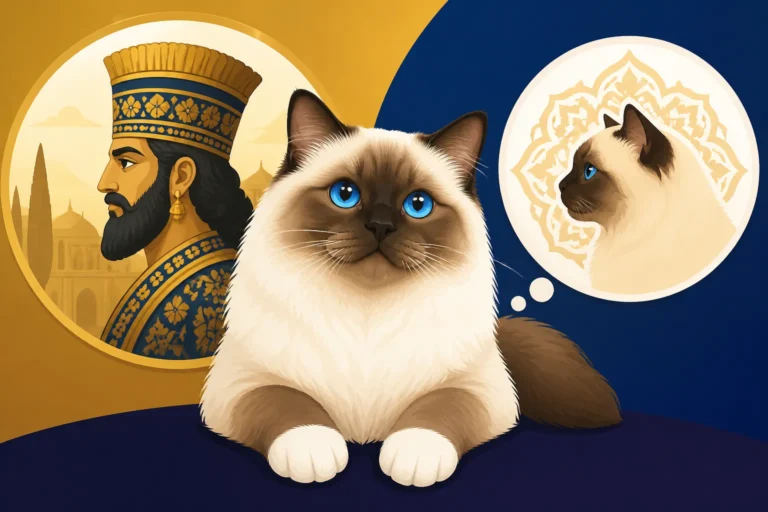
The name has a romantic origin story attached to it: the Birman is often described as a sacred temple cat from Burma. That story is part of the breed’s popular history, not a registry requirement that proves a particular cat’s ancestry. If you are curious about how the legend and documented breed history differ, The Birman Is the Sacred Cat of Burma, and the Story Is a Legend provides more background.
For paperwork purposes, the key question is not whether the word “Sacred” appears. It is whether the document identifies the recognized breed, the issuing registry, and the cat’s registered identity. A certificate that says “Sacré de Birmanie” may refer to the same breed as one that says “Birman,” depending on the registry and country.
A shared breed name does not mean every registry uses identical wording
Cat registries maintain their own breed lists, standards, abbreviations, and document formats. A registry may use “Birman” as its official English name while a club in a French-speaking country uses Sacré de Birmanie. An English translation might then render that French name as “Sacred Birman.”
That is why two legitimate documents can use different names without contradicting each other. The spelling, language, and shorthand may vary, while the intended breed remains the Birman. This is especially common when a cat’s pedigree crosses national borders or when documents are translated for a new owner.
The distinction matters when you are searching a registry database or comparing paperwork from breeders in different countries. Searching only for “Sacred Birman” may not bring up records filed under “Birman.” Likewise, a French document may use Sacré de Birmanie even when an English-language association calls the breed simply Birman.
Which registries use Birman or Sacred Birman
Major English-language registries generally use “Birman”
In the United States and United Kingdom, several well-known registries commonly list the breed as “Birman.” The Cat Fanciers’ Association, The International Cat Association, and the Governing Council of the Cat Fancy use the shorter name in their breed materials. Fédération Internationale Féline also uses “Birman” in its breed naming, including the abbreviation SBI in relevant listings.
That does not mean the term “Sacred Birman” is wrong. It may appear in general breed descriptions, translations, or the wording used by a breeder or national club. But if you are trying to confirm how a cat is registered with one of these organizations, look for the registry’s own breed designation rather than expecting “Sacred Birman” to appear on the certificate.
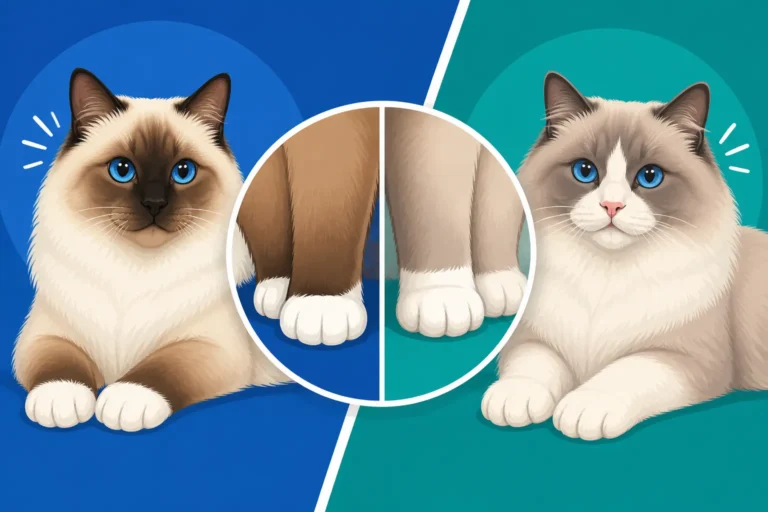
The same point applies to breed standards. A standard may describe the Birman’s coat, blue eyes, color points, and white gloves without using “Sacred” in the breed name. For a closer look at the features that distinguish the breed, see How to Tell a Birman From a Ragdoll by Its Feet and What Judges Look For on a Birman's Paws First.
French and international documents may show a longer name
In France, the Livre Officiel des Origines Félines, commonly known as LOOF, uses Sacré de Birmanie as the breed name. That is the most straightforward example of an official registry using the French form rather than simply “Birman.” On an English-language website or translated document, the name may be rendered as “Sacred Birman.”
The World Cat Federation and clubs affiliated with international organizations can present the name differently depending on the language and the specific document. You may encounter “Sacred Birman,” “Birman,” or the French form in translated standards and club materials. Rather than assuming every member club uses exactly the same English label, check the organization that issued the paperwork and the wording in its own breed directory.
| Registry or organization | Name you are likely to encounter | What to keep in mind |
|---|---|---|
| Cat Fanciers’ Association | Birman | “Sacred Birman” may appear in informal descriptions, but the registry’s breed name is generally Birman. |
| The International Cat Association | Birman | Check the registry’s own records and breed materials for its official wording. |
| Governing Council of the Cat Fancy | Birman | The shorter English name is commonly used in breed information. |
| Fédération Internationale Féline | Birman | The breed is commonly listed as Birman, with SBI used as an abbreviation. |
| LOOF in France | Sacré de Birmanie | The French name is commonly translated as Sacred Birman. |
| World Cat Federation and affiliated clubs | Wording may vary by language and document | Consult the specific registry or national club issuing the record. |
This table is a guide to common naming patterns, not a substitute for the registry’s own current directory. If a name on a pedigree looks unfamiliar, the issuing organization is the right place to ask whether it refers to the Birman breed.
The country and language can explain an apparent mismatch
Imagine a kitten bred in France and later registered or transferred in an English-speaking country. The French pedigree may identify it as Sacré de Birmanie, while the receiving organization’s database lists the breed as Birman. The change in wording alone does not show that the cat’s breed has changed or that the pedigree is invalid.
The same kind of variation can show up in advertisements. One breeder may write “Sacred Birman” because that phrasing is familiar to their audience, while another may use the registry’s shorter breed name. Marketing language is not proof of registration, though. A seller’s description and an official pedigree are different things.
If breed history is part of what you are checking, the names on documents may connect to the breed’s European development. How the Birman Reached Germany and Britain From France and Which Longhairs Rebuilt the Birman After the War explain some of the historical context behind the breed’s spread and development.
How to check a Birman’s registration paperwork
Find the issuing organization before judging the breed label
Start by identifying the registry or cat association named on the document. A pedigree should make clear who issued it, and the issuing organization should have a way to explain its own breed terminology. If the certificate shows a French name, for example, confirm whether the issuer is a French registry or a club using French-language records.
Then compare the cat’s registered name, date of birth, parents, and registration details with the information provided by the breeder. These details are more useful than trying to decide whether “Birman” or “Sacred Birman” sounds more official. If a breeder says the kitten is registered with a particular association, ask for the exact organization name and the paperwork that supports that statement.
A phrase such as “registered breed” in an online listing is not enough on its own. If you are unsure what a breeder should provide, Which Certificates a Birman Breeder Hands Over With the Kitten offers a useful checklist of the documents to discuss.
Check whether the document is a pedigree, registration certificate, or sales record
These documents can be easy to confuse, especially when a kitten comes home with a folder of forms. A pedigree shows ancestry across generations. A registration certificate records the cat with a particular registry. A sales contract describes the agreement between the breeder and buyer. One document may not replace the others, and none should be treated as proof of a different kind of status unless it explicitly says so.
Read the document for the registered breed, the cat’s identifying details, and the name of the organization that issued it. If the paperwork uses Sacré de Birmanie but the breeder has described the kitten as a Birman, ask them to explain the naming difference and show how the record can be confirmed with the registry. A reputable breeder should be able to explain the paperwork without making you feel awkward for asking.
For more on checking the relationship between a pedigree and the breed’s history, Why a Birman's Pedigree Should Reach the Post War Founders discusses why ancestry records can matter to Birman buyers. The names in the pedigree should be considered alongside the issuing body and the registry’s own rules.
What the name does and does not tell you
A registry name is not a health guarantee
Seeing “Birman,” “Sacred Birman,” or Sacré de Birmanie on paperwork tells you about the breed designation being used. By itself, it does not tell you whether a cat has had particular health checks, whether its parents were screened, or what veterinary care it may need. Those are separate questions to raise with the breeder and your veterinarian.
If you are comparing kittens, ask what health records are available and what screening was done for the parents. The answer should be specific to the test or examination, rather than a general reassurance that the line is “healthy.” For example, HCM in a Birman Has No DNA Test, Only an Echo explains why a breed label cannot replace heart screening information.
A pedigree can be useful, but it is not a complete care history. Once you bring a kitten home, schedule a veterinary visit and bring along the breeder’s paperwork, vaccination records, and any test results. The clinic can help you understand what has been done and what follow-up is appropriate for your individual cat.
The name is also not a promise about temperament or care needs
The word “Sacred” can sound like a guarantee of a particular personality, but it is not. Birmans are often described as gentle and people-oriented, yet individual cats have their own temperaments. Their behavior is shaped by genetics, early handling, health, and the home they settle into. A registry label cannot tell you whether a particular kitten will be confident, shy, playful, or happiest in a quiet household.
Likewise, the breed name does not tell you what equipment or routine will suit your new cat. When you are preparing a home, think separately about a carrier, litter setup, scratching surfaces, food, and a comb for the Birman’s coat. Some owners compare everyday supplies at retailers such as Chewy, while others prefer a local pet shop where they can check sizing and materials in person. A retailer’s description is useful for choosing a product, but it does not verify a cat’s registry status.
If the unfamiliar terminology is making you second-guess a breeder’s documents, pause and ask the issuer to confirm the breed name. A short name-versus-translation mismatch is often easy to explain. Missing registration details, inconsistent cat identities, or a breeder who will not identify the issuing organization deserve more careful follow-up.
Disclaimer
This article is for general informational purposes only and does not constitute professional advice. Laws, prices and regulations vary by location and change over time. Consult a qualified professional for guidance on your specific situation.