Why an Indoor Birman Reaches Sixteen More Often
It’s a heartbreaking reality that many cat owners face: the worry about their beloved feline companion's safety and longevity. We all want our furry family members to be with us for as long as possible, and for Birman cat owners, the desire to see their gentle, affectionate companions live a full, happy life is particularly strong. The good news is that by simply keeping your Birman indoors, you're stacking the deck heavily in favor of them reaching those wonderful senior years, often living to sixteen or even beyond. This guide will walk you through exactly why an indoor Birman reaches sixteen more often and how you can ensure their prolonged well-being.
The Harsh Realities of the Outdoors for Birmans
While the idea of a cat roaming free might conjure romantic images, the reality for a Birman, especially, is fraught with dangers that can drastically shorten their lifespan. Their sweet, trusting nature, combined with their striking appearance, makes them particularly vulnerable to the harshness of the outside world.
Avoiding Accidents and Trauma
The outdoor environment is a minefield of potential accidents, and unfortunately, Birmans are not equipped to handle many of these challenges. Their docile demeanor, which we love so much indoors, can be a serious liability outside.
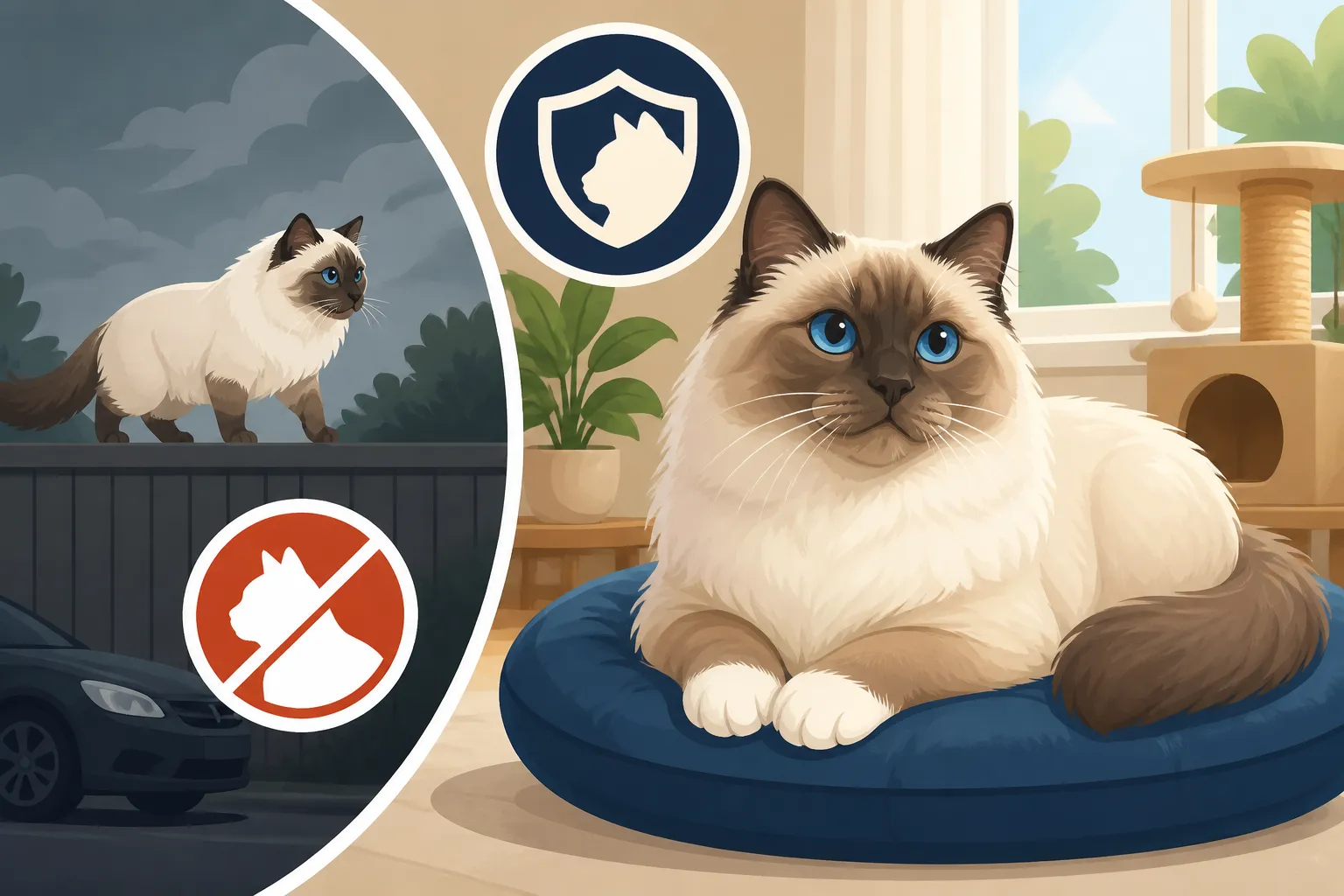
Think about busy streets. A Birman, known for its calm and often somewhat unaware disposition, simply isn't built to navigate the lightning-fast reflexes required to dodge a speeding car. Unlike more street-smart, agile breeds that might bolt at the first sign of danger, a Birman might pause, curious or simply too slow to react, leading to devastating road accidents. We've heard too many tragic stories of cherished pets lost this way, and it’s a constant, palpable fear for anyone with an outdoor cat. Beyond traffic, there's always the risk of falls from heights if they climb trees or fences and misjudge a landing, leading to broken bones or internal injuries. These aren't just minor inconveniences; they can result in life-threatening trauma that requires immediate, expensive veterinary intervention, if it’s not too late.
Then there's the heartbreaking potential for encounters with other animals or even cruel humans. Larger, more aggressive neighborhood cats or even dogs can see a placid Birman as an easy target. Fights can lead to serious bite wounds, abscesses, and deep emotional trauma. In a worst-case scenario, wild predators like coyotes, foxes, or even large birds of prey in some areas, pose an undeniable threat. Furthermore, the unfortunate truth is that beautiful, distinctive breeds like the Birman are sometimes targeted by individuals with malicious intent or those looking to steal valuable pedigree cats. Their friendly nature, which makes them such wonderful companions, means they might approach strangers without hesitation, putting them at immense risk. By staying indoors, your Birman is shielded from these unpredictable and often fatal encounters, significantly improving their odds of a long life.
Protection from Infectious Diseases
The great outdoors is a bustling hub for various pathogens and parasites, many of which can be life-threatening to cats. Indoor living dramatically reduces your Birman's exposure to these silent dangers.
Outdoor cats are constantly exposed to a plethora of contagious diseases through direct contact with infected animals or contaminated environments. Feline Leukemia Virus (FeLV) and Feline Immunodeficiency Virus (FIV) are particularly devastating, transmitted primarily through bites and close contact, common occurrences in outdoor cat skirmishes. While vaccinations offer some protection, they aren't 100% foolproof, and many diseases, like certain upper respiratory infections or parasitic infestations, are rampant in outdoor populations. Beyond these viral threats, there's also the risk of rabies, a fatal neurological disease that, while less common in domestic cats in some areas, is always a concern when wildlife interactions are possible. Indoor cats, on the other hand, live in a relatively sterile environment, drastically reducing their chances of encountering these serious illnesses. This controlled environment means you’re not constantly worrying if that sniffle is just a cold or something far more sinister picked up from a stray.
Parasites are another huge concern for outdoor cats. Fleas and ticks are not just itchy nuisances; they can transmit diseases like tapeworms, Lyme disease, and even trigger severe allergic reactions. Worms, such as roundworms and hookworms, can be contracted from contaminated soil, prey animals, or even through flea ingestion. Even if your Birman ventures out briefly, they can pick up these hitchhikers, bringing them back into your home and potentially infecting other pets or even family members. It’s a constant battle for outdoor cat owners to keep these pests at bay, often requiring more frequent and stronger preventative treatments. By limiting their world to the indoors, you effectively create a protective bubble against the vast majority of these health threats. This is a primary reason why you might expect your Birman to live longer against other longhairs that spend time outdoors.
Mitigating Environmental Hazards Indoors
Beyond the immediate dangers, the sheer unpredictability of the outdoor environment poses continuous, cumulative risks that wear down a cat's health over time. Indoor living offers a sanctuary where you can carefully control the factors influencing your Birman's well-being.
Controlled Diet and Hydration
One of the biggest advantages of an indoor Birman is the complete control you have over their diet and hydration, directly impacting their long-term health and preventing many chronic issues.
Outdoors, cats are opportunistic eaters. This means they might scavenge from garbage cans, eat discarded human food that's toxic to them (think onions, garlic, chocolate), or hunt and consume prey like rodents or birds. While hunting is natural, prey animals can carry parasites, diseases, or have ingested poisons themselves, which then transfer to your cat. The erratic and often unhealthy diet can lead to digestive upset, poisoning, obesity, and nutrient deficiencies that compromise their immune system and overall vitality. Indoors, you dictate every morsel. You can provide high-quality, nutritionally balanced cat food, carefully measure portions to maintain a healthy weight, and avoid introducing harmful substances. This diligent approach to feeding is crucial for their overall health and contributes significantly to their lifespan. For instance, knowing how dental disease progresses in a Birman underscores the importance of a controlled diet that minimizes plaque buildup.
Beyond food, hydration is critically important, especially for breeds like the Birman with a predisposition to certain kidney issues. Why a Birman's PKD History Makes Water Intake Matter is a topic often discussed by breeders and veterinarians alike. Outdoor cats might drink from puddles, gutters, or stagnant water sources, which can be contaminated with bacteria, parasites, or environmental toxins like antifreeze. Antifreeze, with its sweet taste, is particularly dangerous and highly toxic, often leading to fatal kidney failure. Indoors, you can ensure your Birman always has access to fresh, clean water in multiple bowls, or even a flowing water fountain, which many cats prefer. This constant access to safe water supports kidney function and overall organ health, reducing the risk of dehydration-related problems over their lifetime. A controlled, quality diet and ample clean water are fundamental pillars for a Birman reaching sixteen more often.
Consistent Temperature and Shelter
Animals evolved to survive in nature, but domesticated cats, especially a beloved Birman, thrive much better when sheltered from the extremes of weather. An indoor environment provides this crucial consistency.
Outdoor cats are constantly exposed to the elements. In summer, they face the risk of heatstroke from prolonged sun exposure, especially if they have limited access to shade and water. Their long, luxurious coat, while beautiful, can make them more susceptible to overheating. In winter, they are vulnerable to hypothermia and frostbite, particularly if they get wet or are caught in unexpected cold snaps. Finding adequate shelter, warmth, and fresh water during extreme weather can be a matter of life or death. Even mild fluctuations can cause stress, compromise their immune system, and divert energy away from essential bodily functions, cumulatively shortening their life. Remember, a Birman’s single coat means it doesn't offer the same insulation as a double-coated breed.
Indoors, your Birman enjoys a stable, comfortable climate year-round. They have soft beds, cozy blankets, and constant access to temperature-controlled rooms. This eliminates the physiological stress of battling heat or cold, allowing their body to dedicate resources to maintaining health, rather than just survival. This constant comfort also contributes to a stronger immune system and reduces the likelihood of respiratory infections or other ailments triggered by environmental stressors. It's about providing a consistent, predictable environment that supports optimal health at every stage of their life, from kittenhood right through to what an old Birman slows down from. This seemingly simple factor plays a massive role in their long-term well-being.
The Role of Owner Vigilance and Routine Care
Bringing a Birman into your home isn't just about providing shelter; it's about committing to their health through proactive care and watchful attention. Indoor living facilitates this level of engagement in ways the outdoors simply cannot.
Easier Monitoring of Health and Behavior
One of the most profound benefits of an indoor Birman is the ease with which you can observe their daily habits and quickly spot any subtle changes that might indicate a brewing health problem.
Birmans are famously placid and stoic cats, a trait that makes them wonderful companions but can also be a challenge when it comes to detecting illness. Why a Birman Hides Illness Behind a Placid Temperament is a well-known characteristic that means they often mask discomfort or pain until a condition is quite advanced. If a cat is outdoors, you might not see them for hours, or even a full day, meaning critical early signs of illness could be missed entirely. You wouldn't notice a slight limp, a decrease in appetite, a subtle change in litter box habits, or a dullness in their normally bright eyes. These are the crucial cues that prompt a vet visit and early diagnosis. An indoor Birman, however, is constantly under your watchful eye. You notice if they skip a meal, if their gait seems off, or if they're sleeping more than usual. This immediate awareness allows for prompt action, which can be life-saving.
Imagine a scenario where your Birman starts showing minor symptoms, like being a bit more withdrawn or having a slightly reduced appetite. If they were an outdoor cat, you might attribute this to them having a bad hunting day or simply being aloof. But with an indoor Birman, these small shifts in behavior are glaring signals that something might be amiss. This constant interaction and observation mean you're much more likely to catch issues like urinary tract infections, digestive problems, or even the early stages of more serious conditions like Hypertrophic Cardiomyopathy (HCM) or Polycystic Kidney Disease (PKD) that Birmans can be prone to. Early detection often means more effective treatment and a better prognosis, directly contributing to those extra years of life. This continuous, unobtrusive monitoring is a cornerstone of responsible Birman ownership.
Regular Veterinary Check-ups and Preventative Care
Consistent veterinary care is non-negotiable for a long-lived Birman, and keeping them indoors simplifies and optimizes this essential aspect of their health.
Even the healthiest indoor Birman needs regular veterinary check-ups. These routine visits aren't just for vaccinations; they're an opportunity for comprehensive physical exams, blood work, and discussions about their diet, behavior, and any potential concerns. Your vet will listen to their heart and lungs, check their teeth for signs of dental disease, and palpate their abdomen. This consistent oversight means potential issues are identified early, often before they become major problems. For instance, How Dental Disease Progresses in a Birman can be slow and insidious, but regular vet checks can catch it before it leads to serious infections or tooth loss. An indoor lifestyle means fewer urgent care visits for injuries or unknown illnesses, allowing for a focus on preventative care that truly extends their lifespan.
Furthermore, these preventative care visits are where specific breed-related health concerns can be monitored. Birmans, like many pedigree cats, can be susceptible to certain genetic conditions such as HCM. While there’s no genetic test for HCM in Birmans, regular echocardiograms are crucial. How Many Years a Birman From Echo Scanned Lines Lives often highlights the difference good screening makes. Your vet will recommend Which Tests Belong on a Birman Panel to keep an eye on their overall health. Having pet insurance, such as a plan from Healthy Paws, can be a game-changer here, helping to cover the costs of these vital preventative screenings and any treatments that may arise. When your Birman reaches middle age, say around seven or eight years old, your vet might recommend additional screenings like blood pressure checks and more comprehensive blood and urine tests to monitor kidney function. Healthy Paws offers various plans that can help manage these ongoing costs, ensuring your Birman gets the best care throughout their life without undue financial strain on you. Knowing your Birman's history and staying on top of their specific health needs through regular vet visits, supported by a reliable pet insurance provider like Healthy Paws, is paramount to them living a long, healthy life.
Enriching the Indoor Birman's Life for Longevity
While keeping your Birman indoors is critical for safety, it's equally important to ensure their indoor environment is stimulating and fulfilling. A happy Birman is a healthy Birman, and enrichment directly contributes to their overall well-being and longevity.
Providing Mental and Physical Stimulation
An indoor Birman needs thoughtful engagement to prevent boredom and maintain good physical condition, both of which are key to a long life.
Boredom can lead to stress, which in turn can manifest as behavioral problems, overgrooming, or even a suppressed immune system. Your Birman, though generally placid, still needs outlets for their natural instincts. This means providing a variety of toys that encourage gentle play, like wand toys that mimic birds or small, soft balls they can bat around. Since Which Toys Suit a Birman That Plays Quietly are often those that don't require high-octane acrobatics, focus on interactive sessions with you rather than expecting them to entertain themselves for hours. Scratching posts and mats are essential for healthy claws and stretching, and vertical space, even if they aren't champion climbers, can offer a sense of territory and observation. A cat tree that allows them to perch at a moderate height to observe their surroundings is usually enough, as Birmans generally prefer to stay closer to the ground than some other breeds. Regularly rotating toys keeps things fresh and prevents them from getting tired of their playthings.
Puzzle feeders are another fantastic way to provide mental stimulation, turning mealtime into a fun challenge. Even a simple treat ball can engage their minds and encourage them to "work" for their food, preventing them from eating too quickly and adding a layer of enrichment to their day. Although Birmans are not typically vocal or demanding, regular play sessions strengthen your bond and ensure they're moving their bodies. This physical activity helps maintain a healthy weight, keeps their joints limber, and contributes to good cardiovascular health, all factors that contribute to a longer, more active life well into their senior years. A stimulated Birman is a content Birman, and contentment is a powerful ingredient for longevity.
Companionship and Social Well-being
Birmans are renowned for their affectionate and companionable nature; they thrive on interaction and can suffer if left alone too often. Ensuring they have adequate companionship is crucial for their mental and emotional health, directly impacting their physical well-being and lifespan.
A Birman isn't a cat that wants to be left alone for long stretches. They form deep bonds with their human families and genuinely enjoy being part of the household activities, even if it's just quietly observing from a nearby sofa. Why a Birman Does Better With Company isn't just a preference; it's a fundamental aspect of their breed personality. Loneliness or isolation can lead to stress, anxiety, and even depression in Birmans, which can manifest as a reduced appetite, lethargy, or behavioral issues. If you work long hours, consider whether What a Birman Does During a Nine Hour Working Day includes periods of significant loneliness. A stressed cat is more susceptible to illness, making companionship a direct contributor to their health and lifespan.
For owners who are out for much of the day, providing a companion animal can be incredibly beneficial. Another Birman, or even another gentle cat breed or a cat-friendly dog, can offer the social interaction and comfort your Birman craves. This reduces stress, encourages play, and provides mental stimulation, all of which are vital for a long and healthy life. When thinking about their social needs, also consider that How Many Hours Alone Before a Birman Stops Eating can be surprisingly few if they are feeling stressed or lonely. The emotional comfort of a companion, whether human or animal, keeps their spirits high, and a happy cat is much more likely to maintain good physical health. By prioritizing their social well-being, you're not just making them happier; you're actively supporting their journey towards reaching sixteen years and beyond.
Indoor vs. Outdoor Birman: A Longevity Comparison
| Factor | Indoor Birman | Outdoor Birman | Impact on Longevity |
|---|---|---|---|
| Accidents/Trauma | Minimal risk (household accidents rare) | High risk (cars, fights, falls, theft) | Significantly reduced risk of fatal injury |
| Infectious Diseases | Low exposure (vaccinated, controlled environment) | High exposure (FeLV, FIV, rabies, URIs, parasites) | Dramatically lower incidence of contagious illness |
| Parasites | Very low risk (preventatives effective) | High risk (fleas, ticks, worms from environment/prey) | Reduced parasitic burden and related health issues |
| Toxins | Controlled environment (owner oversight) | High risk (antifreeze, poisons, toxic plants) | Avoidance of accidental poisoning |
| Diet Quality | Consistent, high-quality, portion-controlled | Unpredictable (scavenging, unhealthy prey) | Better weight management, nutrient intake, dental health |
| Environmental Stress | Stable temperature, shelter | Exposure to heat, cold, rain, wind | Reduced stress, stronger immune system |
| Health Monitoring | Easy detection of subtle changes | Difficult to monitor, delayed symptom recognition | Earlier diagnosis and treatment of health issues |
| Veterinary Care Access | Easier to schedule, proactive care | Often reactive care for injuries/illness | Consistent preventative care extends life |
| Companionship | Consistent human interaction, potential for other pets | Variable, potential for loneliness | Enhanced emotional well-being, reduced stress |
| Lifespan | Often 12-16+ years | Significantly shorter (average 2-5 years if unprotected) | Higher likelihood of reaching advanced age |
Disclaimer
The information provided in this article is for general informational purposes only and is not intended as a substitute for professional veterinary advice. Always consult with a qualified veterinarian regarding any health concerns or before making any decisions about your Birman's care.