What Siamese Blood Brought Into the Birman
It’s a truly difficult thing to imagine, but there was a time not so long ago when the beloved Birman cat almost vanished entirely from the world. After the devastation of global conflicts, breeders faced an immense challenge: how to save a cherished breed from the brink of extinction. This guide will delve into the critical role that Siamese blood played in the Birman's survival and evolution, exploring precisely what traits and characteristics this vital outcrossing brought to the breed we adore today.
The Birman's Near Extinction and the Need for Outcrossing
The history of the Birman cat is a fascinating tapestry woven with ancient legends and harrowing modern challenges. While stories like The Birman Is the Sacred Cat of Burma, and the Story Is a Legend enchant us, the reality of the breed's survival is far more recent and dramatic. The dark shadow of World War II cast a long pall over many purebred cat populations, and the Birman was no exception.
Rebuilding After the War
By the end of World War II, the Birman breed was in a truly perilous state. Records indicate that only a handful of Birmans, perhaps as few as two, were left in Europe. This tiny genetic bottleneck meant that the future of the entire breed hinged on these few survivors. Imagine the despair and the immense pressure on breeders who cherished these beautiful felines. These were not just pets; they were living pieces of history, and their extinction would have been a profound loss.
The two pivotal cats often cited for rebuilding the breed were a male named Orloff de Kaabaa and a female named Xenia de Kaabaa. These cats, along with their descendants, formed the foundation upon which the modern Birman was painstakingly re-established. However, relying on such a limited gene pool presented its own set of problems, primarily the increased risk of inbreeding depression and the amplification of genetic health issues. For more on this critical period, you might find it insightful to read about Which Two Cats Every Birman Descends From.
The Desperate Search for New Blood
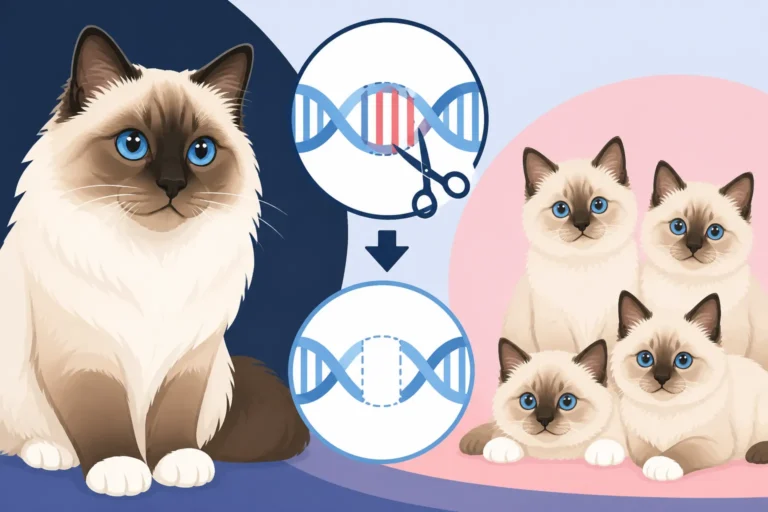
With such a narrow genetic base, the breeders understood that continued close breeding would be unsustainable. It was a stark choice: introduce new bloodlines or watch the Birman slowly fade away due to genetic weaknesses. This necessity led to a strategic outcrossing program, where Birmans were bred to other carefully selected breeds. This was a critical decision, fraught with the challenge of maintaining the Birman's unique aesthetic and temperament while introducing much-needed genetic diversity.
The goal was clear: broaden the gene pool, improve overall vitality, and reduce the prevalence of potential inherited health conditions, all without sacrificing the distinctive Birman look, feel, and personality. This period was crucial in determining Why Post War Outcrossing Was Unavoidable for the Birman and shaping the health of the breed for generations to come.
Introducing the Siamese Influence
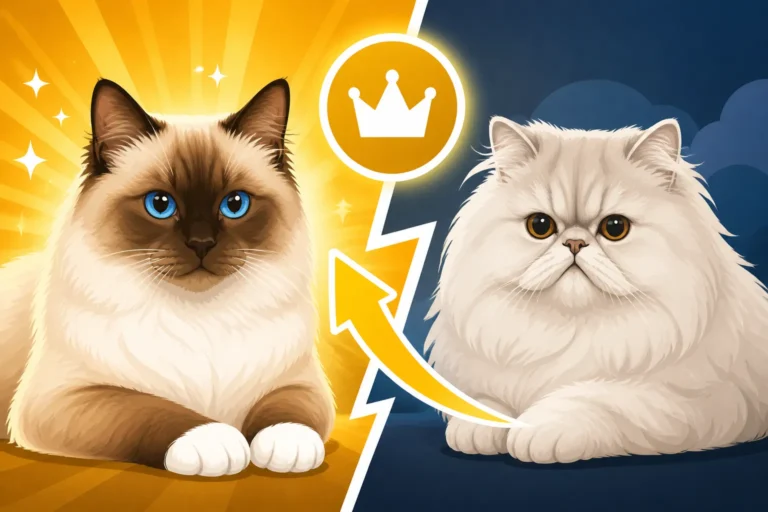
Among the breeds chosen for outcrossing, the Siamese played a significant, though often debated, role. While the Persian also contributed to the Birman’s reconstruction, the Siamese brought a very different set of characteristics to the table.
Why Siamese Was Chosen
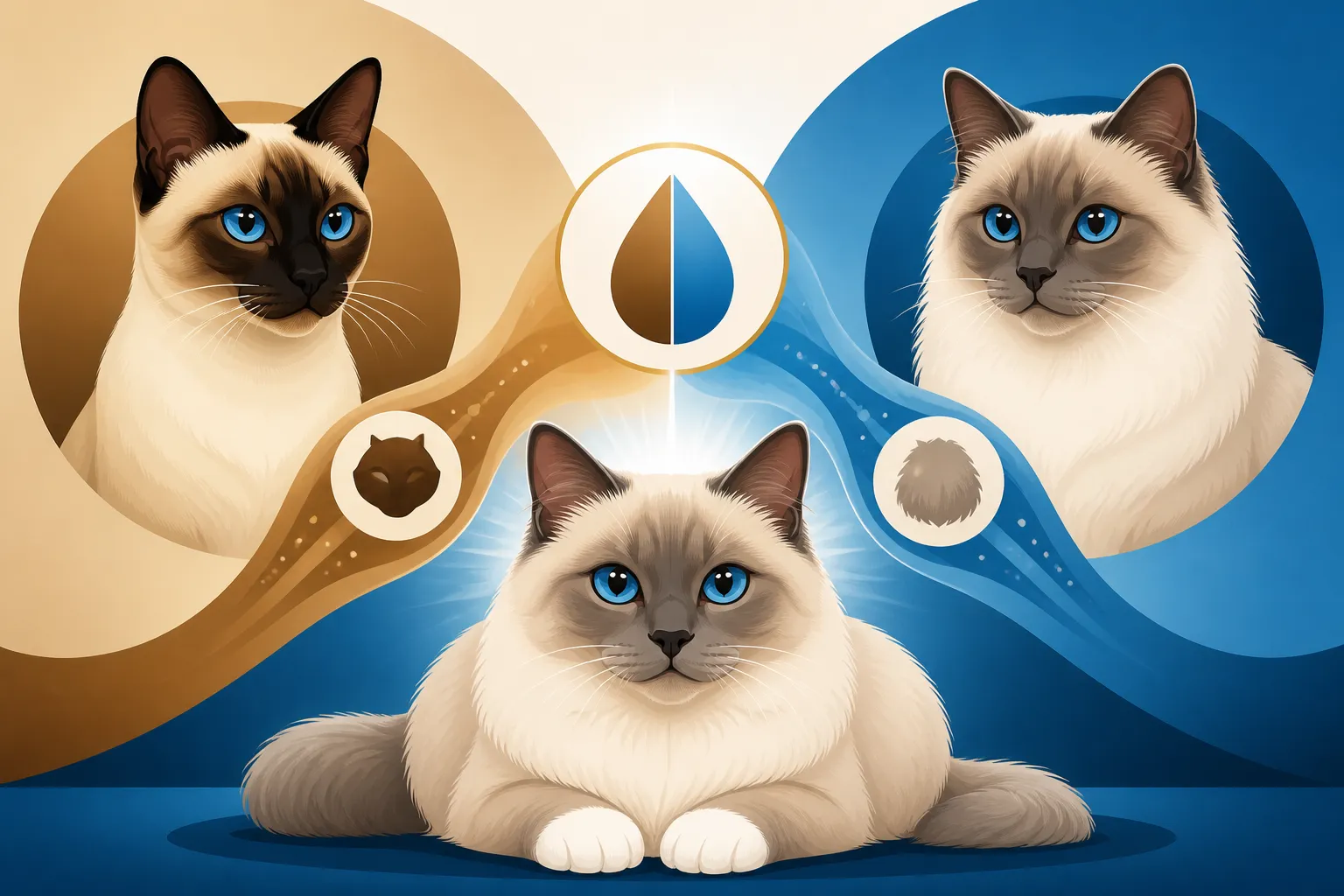
The decision to incorporate Siamese blood was strategic, driven by several factors. Firstly, Siamese cats shared the distinctive point coloration that is a hallmark of the Birman. This meant that the gene for color points would be consistently passed on, helping to reinforce this defining feature. Unlike a breed with solid colors, the Siamese genetic contribution aligned with a core Birman trait.
Secondly, the Siamese offered a distinctly different body type and genetic makeup compared to the Birman's limited post-war stock. They are known for their sleek, athletic build, elegant lines, and intelligent, curious nature. Introducing these traits was an attempt to inject vigor and refine the Birman's physique, moving away from any potential heaviness that might have arisen from the Persian outcrosses, or indeed, the limited original gene pool. It was a calculated risk, aiming for a delicate balance between retaining the Birman's placid charm and gaining new strengths.
The Desired Traits from Siamese
Breeders hoped the Siamese outcross would infuse several beneficial traits. Beyond reinforcing the point coloration, they looked for:
- Refined Body Conformation: The Siamese's more slender, muscular, and elongated body structure offered a counterpoint to any tendency towards a stockier build. This helped to establish the medium-to-large, sturdy yet elegant body type seen in modern Birmans.
- Alertness and Intelligence: Siamese cats are renowned for their keen intelligence and active minds. While Birmans are generally more laid-back, a touch of this Siamese alertness contributes to their engaging personalities, ensuring they aren't too sedate.
- Liveliness and Playfulness: Birmans are not known for being extreme athletes like some oriental breeds, but they are certainly playful. The Siamese influence may have contributed to a subtle increase in their inherent playfulness, ensuring they remain interactive companions.
It's important to understand that the goal wasn't to turn the Birman into a Siamese but rather to selectively integrate specific traits to enhance and diversify the Birman's overall genetic health and appearance. The subsequent generations were then carefully bred back to Birmans, aiming to dilute the more extreme Siamese traits while retaining the desirable ones. This careful process allowed the Birman to evolve into what many consider the "middle cat," as discussed in Why the Birman Is Called the Middle Cat.
The Lasting Impact of Siamese Genetics on the Birman
While the Birman today is undeniably its own distinct breed, the echoes of its Siamese ancestors can still be observed in various aspects, from its physical characteristics to its charming demeanor.
Appearance and Phenotype
The Siamese contribution helped sculpt the Birman's physical appearance. Think about the Birman's body—it’s not as cobby or heavy-set as a traditional Persian, nor as extremely slender as a purebred Siamese. Instead, it strikes a beautiful middle ground: a sturdy, medium-to-large cat with a long, rectangular body, substantial boning, and muscular development. This balance is a testament to the careful blending of different influences.
Regarding the head, while the Birman has a distinct roundness and full cheeks, it also possesses a gentle wedge shape and a medium-length nose, often described as Roman. This profile is less extreme than either the very flat face of some Persians or the elongated, angular head of a Siamese. The sapphire blue eyes, a feature shared with Siamese, were reinforced, becoming one of the Birman's most captivating attributes.
| Trait | Birman (Modern) | Siamese (Traditional) | Persian (Traditional) |
|---|---|---|---|
| Body Type | Medium-large, long, rectangular, sturdy | Sleek, muscular, long, svelte | Cobby, heavy boned, rounded |
| Head Shape | Broad, rounded, full cheeks, medium nose | Long wedge, fine muzzle, large ears, often straight profile | Round, broad, short nose, full cheeks |
| Ear Size | Medium, set wide apart | Large, pointed, wide at base | Small, rounded, set low |
| Voice | Soft, quiet trill, gentle chirps | Loud, demanding, distinctive "meow" | Soft, quiet, less vocal |
| Activity Level | Moderate, playful but calm, enjoys companionship | High, very active, intelligent, needs constant engagement | Low, placid, enjoys lounging |
| Coat Type | Semi-longhair, single coat, silky | Shorthair, fine, glossy | Longhair, thick double coat, dense |
Temperament and Behavior
One of the most enduring and cherished aspects of the Birman is its unique temperament. It's often described as affectionate, gentle, and extremely tolerant, making it an ideal family pet. While the Persian outcross may have contributed to their placid nature, the Siamese influence likely introduced a spark of curiosity and engagement that prevents them from being purely ornamental.
Birmans are known to follow their humans from room to room, observing quietly but always wanting to be near. They are playful, but their play tends to be gentle and less boisterous than a full-throttle Siamese. They'll often carry toys around, sometimes even bringing them back for a quiet game of fetch, but they won't demand attention with insistent vocalizations. This gentleness is a key part of their charm. For more on their vocal habits, you can read Why the Birman Never Inherited the Siamese Voice. They’re active enough to be engaging, but calm enough to be wonderfully cuddly companions.
Genetic Health Considerations
When outcrossing breeds, there’s always a concern about introducing new genetic predispositions to health issues. However, the comprehensive breeding programs that followed the post-war reconstruction meticulously focused on health. While specific diseases directly traceable to the Siamese outcross are not commonly cited as major ongoing problems for Birmans, the primary benefit was a broadening of the gene pool. This infusion of new genetics helped to reduce the overall coefficient of inbreeding and mitigate the risks associated with an extremely limited founder population.
Breeders were careful to screen parent cats and select offspring that exhibited robust health and conformation to the emerging Birman standard. This diligent work aimed to ensure that while the gene pool widened, any potential undesirable traits from the outcrosses were minimized through subsequent generations of careful breeding. Regular veterinary check-ups and genetic screening remain crucial for all Birman cats today to monitor for conditions like Hypertrophic Cardiomyopathy (HCM) or Polycystic Kidney Disease (PKD), regardless of their ancestral lines. Investing in good pet insurance from providers like Healthy Paws can also offer significant peace of mind for managing any health concerns that may arise over your Birman’s lifespan. You might be interested in How Many Years a Birman From Echo Scanned Lines Lives for further insights into longevity and health management.
Blending and Refining the Birman Standard
The journey from near extinction to a thriving breed was a testament to the dedication of Birman breeders. The contributions of breeds like the Siamese were carefully integrated, not to create a hybrid, but to strengthen the existing Birman identity.
Selective Breeding for Desired Traits
Following the initial outcrosses, breeders embarked on a rigorous program of selective breeding. This meant carefully choosing which kittens from the outcrossed litters would be bred back into the Birman lines. The focus was on retaining the Birman's distinct characteristics: the long, silky single coat, the pure white 'gloves' on all four paws, the deep blue eyes, and that wonderfully gentle temperament. Traits that were too "Siamese" – such as an overly slender body, a very angular head, or a particularly loud voice – were gradually bred out.
This process required a keen eye, a deep understanding of genetics, and an unwavering commitment to the Birman standard. The aim was to achieve a harmonious blend, creating a cat that was resilient and genetically diverse, yet unmistakably Birman. This diligent work has ensured that the Birman gene pool has widened sufficiently since the immediate post-war period, providing a much more stable foundation for the breed's future.
The Modern Birman's Balanced Nature
Today's Birman cat is a beautifully balanced animal, a living testament to this careful reconstruction. It embodies the best of its diverse heritage: the stunning point coloration, the luxurious, easy-care coat, the sturdy yet elegant physique, and the incredibly affectionate, serene, and yet engaging personality. The influence of the Siamese helped ensure the Birman maintained an active, intelligent spark without developing the demanding vocalizations or hyperactivity often associated with Oriental breeds.
Their moderate activity level and unwavering desire for companionship make them adaptable to many homes, whether a bustling family with children or a quiet individual. They are creatures of comfort and routine, thriving on interaction and a stable environment. The modern Birman is a unique and beloved breed, and understanding the role that Siamese blood played in its history only deepens our appreciation for these sacred cats. For insights into their daily life and needs, exploring topics like What Keeping a Birman Costs Every Year and What an Old Birman Slows Down From First can be very beneficial for owners.
Disclaimer
Please remember that while this guide provides comprehensive information, it is not a substitute for professional veterinary advice. Always consult with a qualified veterinarian for any health concerns or before making any decisions about your Birman's care.