Where the FOXN1 Deletion Sits
Finding out about genetic conditions in a beloved breed like the Birman can be incredibly worrying, especially when complex terms like "FOXN1 deletion" come into play. It's a heavy thought, knowing that a tiny genetic change can have such profound effects. This guide is here to shed light on exactly where the FOXN1 deletion sits within the Birman's genetic makeup, what that truly means for their health, and how breeders and owners navigate this serious concern.
Understanding the FOXN1 Gene in Birmans
The FOXN1 gene, often less poetically referred to as the "forkhead box N1" gene, plays a critical role in the development of healthy immune systems across many species, including our feline friends. For Birman cats, this gene holds particular significance because a specific deletion within it leads to a severe immunodeficiency disorder. It's not just a minor glitch; it's a foundational issue that impacts a cat's ability to fight off even common infections.
What is the FOXN1 Gene and Its Role?
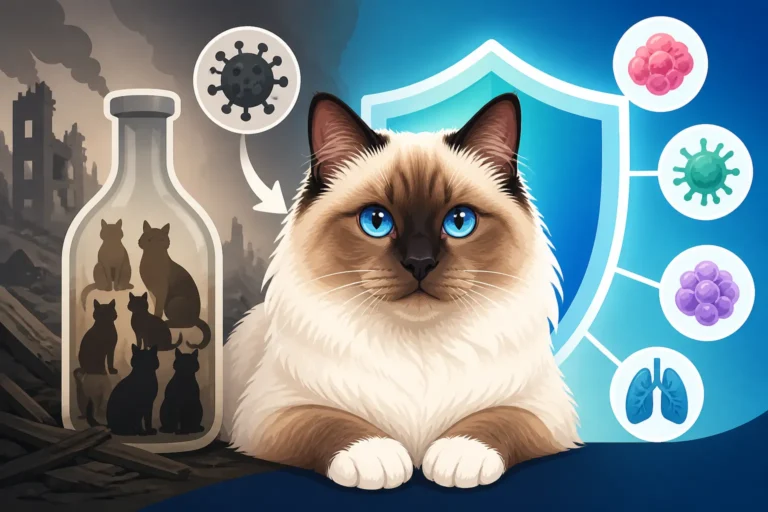
At its core, the FOXN1 gene is a blueprint for making a protein that's essential for the thymus gland's development. Think of the thymus as the "boot camp" for T-cells, which are vital components of the adaptive immune system. These T-cells are the elite soldiers, identifying and destroying pathogens like viruses and bacteria. Without a properly functioning thymus, these T-cells aren't trained correctly, if they're produced at all. This leaves a kitten incredibly vulnerable, almost like sending soldiers into battle without any weapons or training. The implications for a Birman are dire, as it means their body simply cannot mount an effective defense against disease. This is why you often hear about FOXN1 Is the Birman's Own Genetic Disease.
Why the FOXN1 Deletion is a Concern for Birmans
The Birman breed, like many purebreds, has a relatively narrow genetic history, which can sometimes concentrate certain genes, both good and bad. In the case of the FOXN1 deletion, it's believed to have been passed down through a limited number of ancestral cats, becoming an inherent, albeit unwelcome, part of the breed's genetic landscape. For breeders, identifying and managing this gene is paramount to preserving the health and future of their lines. For pet owners, understanding it means knowing what questions to ask and what to look for, as this condition can lead to an incredibly short and challenging life for affected kittens. You might have heard the somber truth that Why a Birman Kitten Born Bald Will Not Reach Eight Months when this condition is present.
Pinpointing the Deletion: Where It Sits
Now, let's get down to the specifics of this deletion. It's one thing to know what it is, but understanding where it is located within the Birman's genetic code provides crucial insight for scientists and breeders working to eradicate it. This isn't just a theoretical location; it's a precise address on the cat's genetic map.
The Specific Chromosomal Location
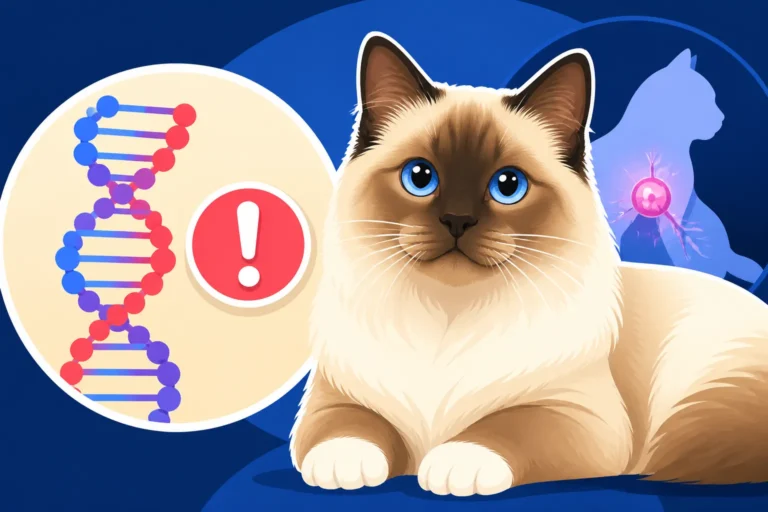
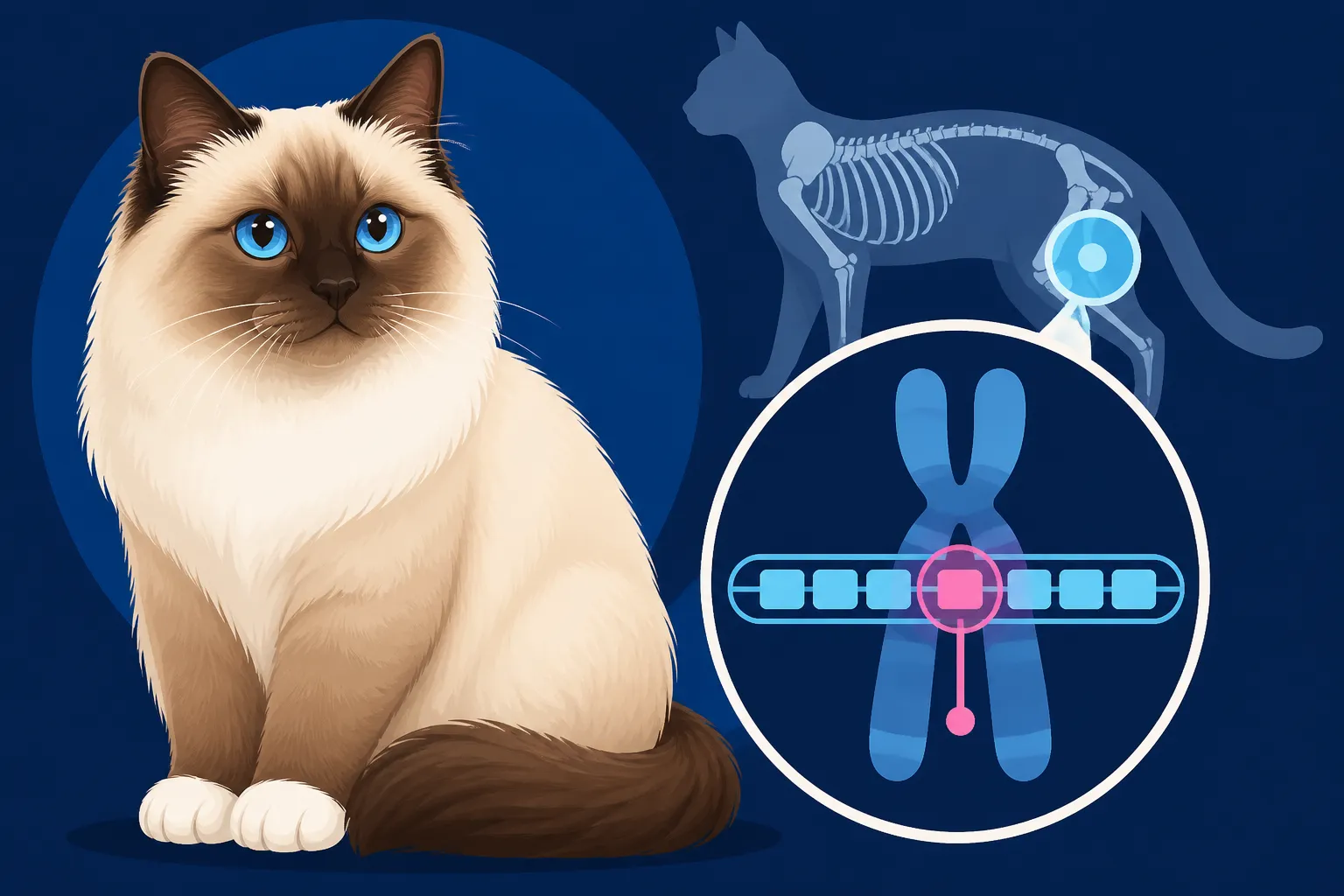
The FOXN1 gene in cats is found on chromosome B1. Within this chromosome, the specific deletion responsible for feline immunodeficiency in Birmans is a relatively small segment of DNA. This deletion prevents the gene from producing its vital protein, leading to the severe developmental issues with the thymus gland. Geneticists have pinpointed this exact spot, meaning that with a simple DNA test, they can look directly at this location on chromosome B1 and determine if a Birman carries one or two copies of the faulty gene, or if they are clear. This precision is what makes genetic testing so powerful for breeders and owners.
Genetic Implications for Birman Breeders
For Birman breeders, knowing the precise location of the FOXN1 deletion is invaluable. It allows for definitive genetic testing, which is the cornerstone of responsible breeding practices aimed at eliminating this disease. Cats can be classified into three categories:
- Clear: No copies of the deletion. These cats are healthy and cannot pass the deletion to their offspring.
- Carrier: One copy of the deletion. These cats are typically healthy themselves, showing no symptoms, but they can pass the deletion to 50% of their offspring. This is often described in detail in articles like How a Birman Carrier Is Identified.
- Affected: Two copies of the deletion. These are the kittens that will develop the severe immunodeficiency and very sadly, will not survive long.
The deletion follows an autosomal recessive inheritance pattern. This means a kitten must inherit two copies of the defective gene (one from each parent) to be affected. If a cat inherits only one copy, it becomes a carrier but does not usually display symptoms. This knowledge dictates breeding decisions. For instance, Why Two Birman Carriers Should Never Be Mated becomes crystal clear – because such a pairing carries a 25% risk of producing affected kittens, a devastating outcome for all involved.
Here's a quick look at the possible outcomes when considering the FOXN1 gene:
| Parent 1 (Genotype) | Parent 2 (Genotype) | Offspring Outcome (Probability) | Health Status (Offspring) |
|---|---|---|---|
| Clear (NN) | Clear (NN) | 100% Clear (NN) | Healthy, cannot pass the deletion |
| Clear (NN) | Carrier (Nn) | 50% Clear (NN), 50% Carrier (Nn) | Healthy, some may become carriers |
| Clear (NN) | Affected (nn) | 100% Carrier (Nn) | All healthy carriers |
| Carrier (Nn) | Carrier (Nn) | 25% Clear (NN), 50% Carrier (Nn), 25% Affected (nn) | Risk of affected kittens, some carriers, some clear |
| Carrier (Nn) | Affected (nn) | 50% Carrier (Nn), 50% Affected (nn) | High risk of affected kittens, all others are carriers |
| Affected (nn) | Affected (nn) | 100% Affected (nn) | All kittens will be affected |
Note: 'N' represents the normal gene, 'n' represents the FOXN1 deletion.
This table highlights why testing and careful pairing are absolutely essential. Breeders strive to produce healthy kittens, and managing this genetic deletion is a critical part of that commitment.
How the FOXN1 Deletion Affects Birman Health
The knowledge of where the FOXN1 deletion sits isn't just for geneticists; it directly translates to the health outcomes for Birman kittens. When a kitten inherits two copies of this deletion, the consequences are profound and heartbreaking, impacting their immune system and ultimately, their chances of survival.
The Immune System Compromise
As we discussed, the FOXN1 gene is crucial for thymus development. When a Birman kitten is born with two copies of the FOXN1 deletion, their thymus gland is either severely underdeveloped or completely absent. This condition is known as thymic aplasia or hypotrichosis with thymic aplasia. Without a functional thymus, the kitten cannot produce mature, functional T-lymphocytes (T-cells). These are the critical immune cells needed to identify and eliminate foreign invaders like bacteria, viruses, and fungi.
Imagine a country's defense system lacking its entire army. That's essentially what happens to an affected kitten. They are born defenseless, unable to mount an effective immune response. This leads to them Why a Bald Birman Kitten Catches Every Infection because their body has no way to fight back. Even common, otherwise harmless environmental bacteria can become life-threatening. The kitten's body simply cannot develop immunity, making every sniffle or scratch a potentially fatal challenge.
Visible Signs and Lifespan of Affected Kittens
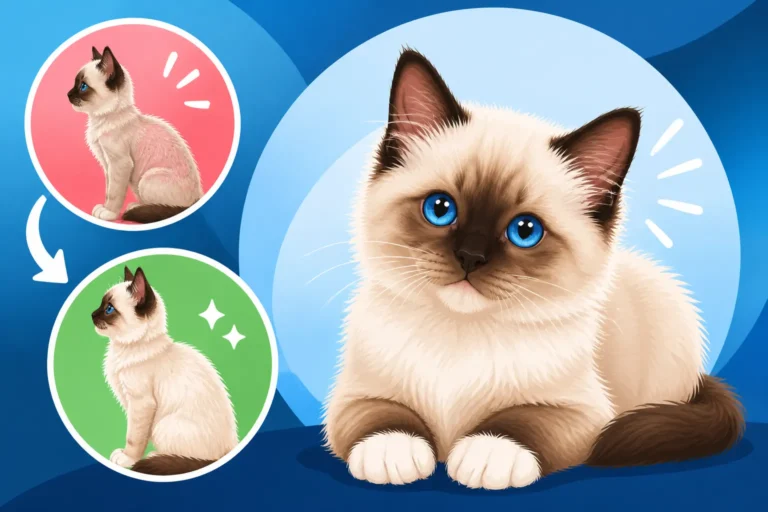
The impact of the FOXN1 deletion is often tragically visible from birth, or shortly thereafter. Kittens affected by this condition are typically born with sparse hair or are completely bald, which gives the condition its alternative name, "hypotrichosis." Their skin might also appear greasy or flaky. This lack of a proper coat is a visual indicator of a deeper, systemic problem.
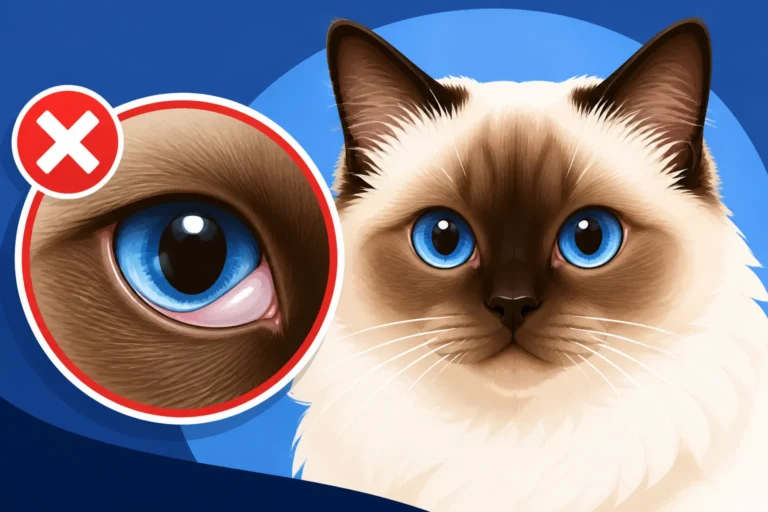
Beyond the physical appearance, these kittens rapidly succumb to infections. They may develop respiratory infections, digestive issues, or skin infections that their compromised immune system simply cannot overcome. Despite intensive veterinary care, including antibiotics and supportive therapies, the prognosis is extremely poor. The sad reality is that How Many Months an Affected Birman Kitten Survives is usually very few. Most affected kittens rarely live past two to three months of age, and often, the most humane choice is euthanasia to prevent prolonged suffering. This grave outcome is why the condition is also known as Why Birman Hypotrichosis Is Called Short Life Expectancy. It's a stark reminder of the immense responsibility breeders have to test their breeding stock.
Testing and Management for Birman Owners
Navigating the world of genetic health can feel overwhelming, but thankfully, advancements in veterinary medicine offer clear paths for both breeders and prospective owners to manage the FOXN1 deletion in Birmans. Responsible testing and thoughtful planning are the keys to ensuring the health and longevity of this beautiful breed.
Genetic Testing for FOXN1
The good news is that there's a straightforward and reliable genetic test available for the FOXN1 deletion. This test typically involves a simple cheek swab, making it non-invasive and easy for even young kittens. The DNA sample from the swab is sent to a specialized veterinary genetics laboratory, such as the UC Davis Veterinary Genetics Laboratory (VGL) or Neogen's Animal Genomics, which are well-known and trusted labs for feline genetic testing. You can learn more about this process in articles like Which Lab Runs the Birman FOXN1 Test or Why a Cheek Swab Clears a Birman for FOXN1.
The results will clearly indicate if a cat is Clear (N/N), a Carrier (N/n), or Affected (n/n). For anyone considering bringing a Birman kitten into their home, it is absolutely crucial to ensure that both parents have been tested and are certified as FOXN1 clear, or at the very least, that the kitten itself has been tested and is clear. Reputable breeders will always provide documentation of these genetic tests for their breeding cats, and often for the kittens themselves. This transparency is a non-negotiable part of ethical breeding. Don't hesitate to ask for these records; they are your assurance of your kitten's fundamental health.
Responsible Breeding and Support for Owners
For breeders, proactive genetic testing for FOXN1 is a moral imperative. By regularly testing their breeding stock and making informed decisions about pairings, they can prevent the tragic birth of affected kittens. A carrier cat can still be part of a breeding program, but only if mated with a clear cat to ensure no affected offspring are produced. This careful management is detailed in resources like How the FOXN1 Deletion Reaches a Birman Litter.
For prospective Birman owners, doing your homework before you commit to a kitten is vital. Ask to see the genetic test results for both parents. A breeder who is hesitant or cannot provide these records should be a major red flag. Understanding the potential health risks, even when you choose a kitten from tested parents, is part of responsible pet ownership. While a Birman from clear lines might still face other health challenges, genetic testing for FOXN1 removes a significant, preventable threat.
Even with the best preventative measures, unforeseen health issues can arise with any pet. Having a solid plan for veterinary care is essential. This is where pet insurance providers, like Healthy Paws, can offer invaluable support. Knowing that you have financial assistance for unexpected illnesses or accidents, or even ongoing care for certain conditions, can provide immense peace of mind. It allows you to focus on your cat's well-being rather than stressing over exorbitant vet bills.
For those rare and unfortunate situations where an affected kitten might be born despite all precautions (perhaps due to an unknown carrier parent in a rescue situation, for example), understanding the implications early allows for humane decisions and appropriate veterinary support. While heart-wrenching, awareness allows for the best possible outcome for the kitten, however short their life may be.
Disclaimer
Please remember that the information provided in this guide is intended for educational purposes only and should not replace professional veterinary advice. Always consult with a qualified veterinarian regarding your Birman cat's health, diagnosis, and treatment options. Genetic testing interpretations should be discussed with veterinary geneticists or your breeder.