Why a Birman Stud Should Be Cleared Before Use
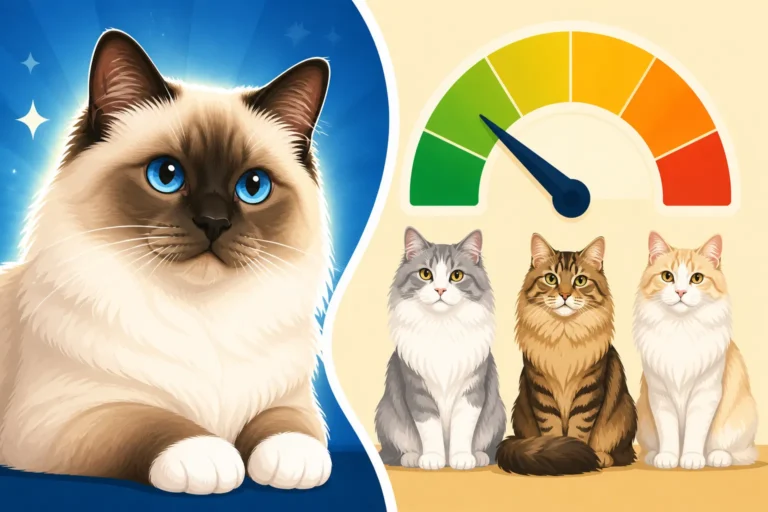
Bringing a beautiful Birman stud into your breeding program is an exciting prospect, full of hopes for stunning, healthy kittens with those characteristic white gloves. However, the true foundation of a successful and ethical breeding journey isn't just about striking good looks or a charming temperament; it absolutely hinges on comprehensive health clearances. Neglecting these crucial tests for your stud can lead to heartbreak, devastating genetic diseases, and ultimately, undermine the very health of the Birman breed we all cherish. This guide will walk you through precisely why clearing your Birman stud before use is non-negotiable, what tests are essential, and the profound impact these decisions have.
Understanding the Stakes: Why Health Clearances Matter for Birman Studs
When you consider using a Birman stud, you're not just looking at one cat; you're looking at the genetic future of potentially dozens, even hundreds, of kittens over his breeding lifetime. Every single gene he carries, good or bad, has the potential to be passed on. This responsibility is immense, and it’s why rigorous health screening isn't merely a suggestion – it’s an ethical imperative.
Protecting the Entire Birman Lineage
Imagine a beautiful, outwardly healthy Birman stud. He’s got the perfect eye color, the silky coat, those exquisite gloves. But what if, deep within his genetic code, he carries a hidden flaw? If he hasn't been properly tested, he could unknowingly pass on debilitating conditions to his offspring. Each kitten born from such a stud then becomes a potential carrier or even an affected individual, further spreading undesirable genes through the breed.
The Birman breed, like many purebreds, has faced its challenges with a relatively What a Narrow Founder Base Left in the Birman. This means that certain genetic predispositions can become more concentrated within the population if not carefully managed. By diligently clearing your stud, you're actively participating in the preservation of the breed's health, ensuring that future generations can thrive without the burden of preventable genetic diseases. It’s a long-term investment in the wellbeing of every Birman kitten to come.
The Ethical Responsibility of a Breeder
As a breeder, your moral compass should always point towards producing the healthiest, happiest kittens possible. This isn't just about avoiding direct suffering for the animals; it's about honoring the trust placed in you by prospective kitten owners. No one wants to bring home a beloved new family member only to discover a life-limiting genetic condition months or years down the line that could have been prevented. The emotional and financial toll on owners can be immense, not to mention the heartache of watching a kitten struggle.
For example, imagine if a stud passes on a severe, untestable condition. The new owners of his kittens might face enormous vet bills, or even the devastating decision to put a young cat to sleep. This reflects poorly not just on your individual cattery but casts a shadow on the entire Birman breeding community. Ethical breeding demands transparency, proactive health management, and a deep understanding of the genetic risks inherent in the breed. It means being able to confidently stand behind the health of every kitten you bring into the world, knowing you’ve done everything in your power to ensure their healthy future.
Key Genetic Health Concerns in Birmans Requiring Testing
Birmans are generally a robust breed, but like all purebred cats, they do have certain predispositions to specific genetic conditions. A responsible Birman breeder must be acutely aware of these and conduct the necessary screenings on all breeding cats, especially the stud, who can impact so many litters.
Hypertrophic Cardiomyopathy HCM
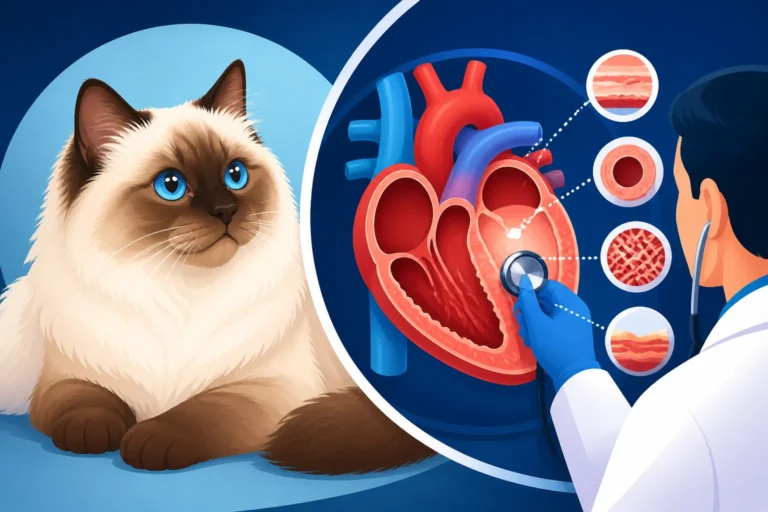
Hypertrophic Cardiomyopathy (HCM) is perhaps the most concerning cardiac disease in cats. It causes the muscular walls of the heart to thicken, reducing the heart's efficiency and eventually leading to heart failure, blood clots, or sudden death. The insidious nature of HCM is that affected cats often show no symptoms until the disease is quite advanced, or even when it’s too late.
For a Birman stud, regular cardiac screening is absolutely vital. The gold standard for screening HCM is a cardiac ultrasound, or echocardiogram, performed by a board-certified veterinary cardiologist. This allows the specialist to visualize the heart's structure and measure the wall thickness. It's not a one-time test, either; studs should be screened annually, or as frequently as recommended by the cardiologist, because HCM can develop later in life. Imagine the devastation of a stud testing clear for years, only to develop HCM and pass it on before his next scheduled scan. Regular testing helps mitigate this risk. You can learn more about How HCM Shows Up in a Birman and understand Why an Echo Is the Only Way to Screen a Birman in more detail. Finding a reputable vet who knows how to perform an echo properly is key.
If, heaven forbid, a stud is diagnosed with HCM, he must be immediately retired from breeding. Breeding an affected cat risks passing on the genetic predisposition to every single kitten, exponentially increasing the prevalence of this heartbreaking disease in the breed. While there's no perfect genetic test for Birman HCM at this time, diligent echo screening is our best defense, offering a snapshot of current heart health. For pet owners, having pet insurance like Healthy Paws can provide immense relief should a kitten unexpectedly develop a heart condition, but for breeders, prevention through screening is the primary goal.
Polycystic Kidney Disease PKD1
Polycystic Kidney Disease (PKD1) is an inherited condition characterized by the development of multiple fluid-filled cysts in the kidneys. These cysts slowly grow over time, eventually compromising kidney function and leading to kidney failure. While cats can live for years with PKD1, the disease is progressive and ultimately fatal. The good news here is that PKD1 is caused by a dominant gene, which means a single DNA test can definitively tell you if a cat is affected or clear.
The beauty of the PKD1 DNA test is its simplicity and accuracy. A quick cheek swab sent to a specialized lab can confirm a cat's status. For a Birman stud, being "clear" for PKD1 means he does not carry the gene and cannot pass it on to his kittens. If he tests positive, he absolutely should not be used for breeding, as 50% of his offspring would inherit the condition. This test is a powerful tool for breeders to eradicate PKD1 from their lines entirely. Understanding How the PKD1 Test Clears a Birman is crucial. Furthermore, it's worth knowing What Kidney Cysts Do to a Birman to fully appreciate the importance of this test. A responsible breeder will never knowingly breed a PKD-positive cat, especially a stud whose influence is so widespread.
Feline Hypotrichosis with Thymic Aplasia (FOXN1)
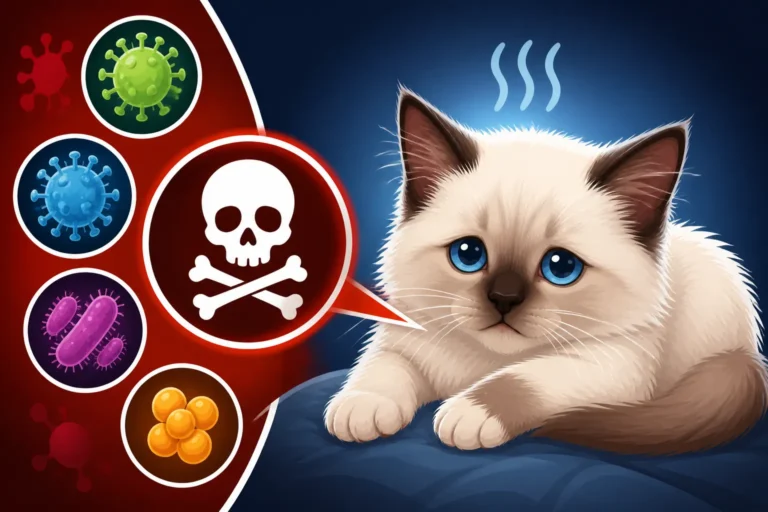
This condition, often referred to as Birman Hypotrichosis or "naked Birman syndrome," is a severe genetic disorder unique to the breed. Kittens affected by FOXN1 are born either completely bald or with very sparse, greasy coats. More critically, they also suffer from thymic aplasia, meaning their thymus gland is underdeveloped or absent. The thymus is vital for the development of a healthy immune system, so these kittens are severely immunocompromised.
A Birman kitten with FOXN1 is born defenseless against common infections and typically does not survive past a few months of age, usually succumbing to severe illnesses. It’s a devastating condition, not just for the kitten but for the breeder and prospective owners. Fortunately, a DNA test is available to identify both carriers and affected cats. If a stud carries one copy of the FOXN1 gene, he is a "carrier." If two carriers are bred together, there's a 25% chance in each litter that a kitten will be "affected" (inheriting two copies of the gene) and another 50% chance they will be carriers. This is why thorough testing is essential. If your stud is a carrier, he can still be bred responsibly, but only with queens who have tested clear for FOXN1. This ensures no affected kittens are produced. For more on this, check out FOXN1 Is the Birman's Own Genetic Disease and Why a Birman Kitten Born Bald Will Not Reach Eight Months. It’s another instance where knowing your cat’s genetic status is a powerful tool against suffering. Should an unexpected health issue arise in one of your kittens, a pet insurance plan from a provider like Healthy Paws can help new owners manage the costs, but ideally, genetic screening prevents such scenarios.
The Practicalities of Getting a Birman Stud Cleared
So, you understand why these tests are important. Now, let's talk about the how. Getting a Birman stud thoroughly cleared involves a multi-faceted approach, encompassing genetic tests and physical examinations, and it requires an ongoing commitment.
The Comprehensive Health Panel Required
For a Birman stud, a comprehensive health panel isn't just one test; it's a suite of investigations designed to cover all the known genetic and health predispositions. Here’s what you should expect:
- DNA Tests: These are typically done once in a cat's lifetime as their genetic makeup doesn't change.
- FOXN1 (Hypotrichosis with Thymic Aplasia): A simple cheek swab will determine if your stud is clear, a carrier, or affected. A stud should be clear or a known carrier bred only to clear queens.
- PKD1 (Polycystic Kidney Disease): Again, a cheek swab will give a definitive clear or affected result. A stud must be clear for PKD1 to be ethically bred.
- Blood Type: While not a "disease" test, knowing your stud's blood type is crucial to prevent Neonatal Isoerythrolysis, a potentially fatal condition in kittens born to a Type B queen bred to a Type A stud. This is easily tested via a blood sample.
- Cardiac Screening (Echocardiogram): As mentioned, this is paramount for HCM. Your stud should receive an echocardiogram from a board-certified veterinary cardiologist starting at around one year of age, and then annually or biennially as recommended. These tests need to be repeated throughout his breeding career.
- General Veterinary Health Check-ups: Regular vet visits are important to ensure overall health, address any developing issues, and maintain proper vaccinations and parasite control.
It might seem like a lot, but these tests provide peace of mind and are an investment in the health of your future litters. You can often get these DNA tests bundled; to find out more, consider checking What Testing a Birman for FOXN1 and PKD1 Together Costs and Which Tests Belong on a Birman Panel.
Interpreting and Publishing Results
Receiving your stud's health results is a critical step, but understanding what they mean and how to act on them is even more so.
- "Clear" Results: This is the ideal outcome. For DNA tests, it means your stud does not carry the gene for that specific condition. For HCM, a "clear" echo means no signs of heart thickening at the time of the scan. These results should be celebrated!
- "Carrier" Results: For recessive conditions like FOXN1, a carrier possesses one copy of the gene but does not typically show symptoms. A carrier stud can still be bred, but only to a queen who has tested "clear" for that specific condition. Breeding two carriers together is a recipe for disaster.
- "Affected" Results: If a stud tests "affected" for a genetic disease like PKD1 or if he shows signs of HCM, he must be immediately removed from any breeding program. There is no ethical justification for breeding an affected animal.
Transparency is paramount. Reputable breeders will always be willing to show proof of their stud's health clearances to prospective queen owners. In fact, many will publish these results openly on their websites or pedigrees. This fosters trust and allows other breeders to make informed decisions for their queens. It's a hallmark of ethical breeding practices. Looking into Which Results a Birman Breeder Must Put in Writing and Why a Birman Breeder Publishes Echo Results can offer deeper insights into this crucial aspect of transparency.
The Ongoing Commitment to Health Screening
It’s tempting to think that once your stud gets a "clear" bill of health, your job is done. Unfortunately, that's not the case, particularly with conditions like HCM that can develop over time. A "clear" echo at one year of age doesn't guarantee a clear heart at three or five years.
For this reason, ongoing screening is essential. Your Birman stud will require annual or biennial echocardiograms throughout his active breeding career. This vigilant approach helps catch any late-onset HCM before he might unknowingly pass on a predisposition. It's a commitment that requires time and financial resources, but it’s a non-negotiable part of responsible breeding. As your Birman ages, the frequency of health checks might even increase. Understanding The Age a Birman Starts Needing Yearly Heart Checks can help you plan your vet visits. Remember, a stud's health impacts entire litters, so cutting corners on his care directly affects the kittens' well-being. This long-term commitment is vital for the health of the individual stud and the entire breed.
The Consequences of Skipping Stud Health Clearances
While the reasons to clear a stud are compelling, the consequences of failing to do so are often devastating. It’s not just about an abstract idea of "breed health" but about very real, tangible suffering and profound disappointment.
Financial and Emotional Toll on Breeders and Owners
Imagine the scenario: you've skipped the HCM echo for your stud, perhaps thinking it was too expensive or unnecessary since he "seems fine." Then, a litter is born, and a few months down the line, a kitten from that litter starts showing signs of heart failure. The new owners are heartbroken, facing thousands in veterinary bills for diagnostics and palliative care, or the tragic decision of euthanasia. This is an all-too-common reality when breeding without proper health clearances.
For the breeder, the financial impact can be significant. Reputable breeders often offer health guarantees on their kittens, which means you could be liable for vet bills or even have to refund the purchase price. More importantly, your reputation within the breeding community and with potential buyers would be severely damaged. Word travels fast, and a breeder known for producing unhealthy kittens will struggle to find homes for future litters. The emotional toll, however, is often far heavier. No ethical breeder wants to cause suffering to animals or distress to their clients. The guilt and regret of knowing preventable genetic disease has been passed on can be immense. Proactive measures, like comprehensive health testing for your stud, are a small price to pay to avoid such heartache. For owners purchasing a kitten, securing pet insurance from a company like Healthy Paws early on can offer a safety net, but as breeders, our aim is to ensure that insurance is rarely needed for genetic conditions we can test for.
Jeopardizing the Future of the Birman Breed
Every time an untested stud is used, especially one carrying a known genetic disease, it's a step backward for the Birman breed as a whole. Each affected kitten or carrier born potentially introduces or reintroduces these undesirable genes into new lines, making the work of dedicated breeders even harder. Genetic diversity is a fragile thing, and a What a Narrow Founder Base Left in the Birman means we must be extra vigilant.
The cumulative effect of neglecting health clearances can lead to an increase in the prevalence of diseases like HCM or FOXN1 throughout the breed. This not only causes more individual suffering but can also force registries and breed clubs to implement stricter, sometimes reactive, regulations. In extreme cases, it could even lead to a decline in the breed's overall health and popularity if it becomes known for a high incidence of serious conditions. As stewards of the Birman breed, breeders have a collective responsibility to uphold its health and integrity for future generations. Clearing your stud isn't just about your cattery; it’s about contributing to a stronger, healthier legacy for every Birman.
Birman Stud Health Clearance Checklist
To help you keep track, here's a quick overview of the essential health tests for a Birman stud:
| Test Category | Specific Test | Method | Frequency | Why It's Crucial | Ethical Action (if not clear) |
|---|---|---|---|---|---|
| Genetic DNA Tests | FOXN1 (Hypotrichosis) | Cheek Swab | Once in a lifetime | Prevents devastating immune deficiency and hair loss in kittens. | If carrier, breed only to FOXN1-clear queens. If affected, retire. |
| PKD1 (Kidney Disease) | Cheek Swab | Once in a lifetime | Prevents progressive, fatal kidney failure. | If affected, retire immediately. | |
| Blood Type | Blood Sample | Once in a lifetime | Prevents Neonatal Isoerythrolysis in kittens (fatal anemia). | Use with a queen whose blood type is compatible (e.g., Type A stud can breed to Type A or Type B queen if kittens only get Type A blood from stud). | |
| Cardiac Screening | Echocardiogram (HCM) | Veterinary Cardiologist | Annually/Biennially | Detects heart thickening, preventing heart failure, clots, and sudden death. | If diagnosed with HCM, retire immediately. |
| General Health | Annual Vet Check-ups | Physical Exam | Annually | Ensures overall health, vaccinations, parasite control, and catches other issues early. | Address any health issues promptly; if severe, consider retirement. |
Disclaimer
The information provided in this article is for educational and informational purposes only and does not constitute veterinary advice. Always consult with a qualified veterinarian or a board-certified veterinary specialist for any health concerns or before making any decisions related to your pet's health or breeding program. Genetic testing and health screening protocols can evolve, so staying updated with current recommendations from breed clubs and veterinary professionals is crucial.