Why a Birman Breeder Publishes Echo Results
It can be incredibly confusing and sometimes even disheartening when you’re searching for a Birman kitten, trying to navigate the sea of breeders and figure out who truly prioritizes the health of their cats. You want to bring a healthy, happy companion into your home, but the sheer volume of information – and sometimes, misinformation – makes it hard to know what to trust. This guide aims to pull back the curtain on one of the most vital aspects of responsible Birman breeding: the publication of echocardiogram (echo) results, explaining exactly why it matters and what it means for your future feline friend.
The Silent Burden of Hypertrophic Cardiomyopathy in Birmans
One of the most significant health concerns that conscientious Birman breeders strive to address is Hypertrophic Cardiomyopathy, or HCM. This isn't just a scary term; it's a serious heart condition that can silently affect cats, often without any outward signs until it's quite advanced. Finding a breeder who transparently shares their cats' echo results isn't just a good sign; it's often a crucial indicator of their dedication to the breed's well-being.
Unpacking HCM: What it is and why it's a Birman concern
Hypertrophic Cardiomyopathy is, in essence, a thickening of the heart muscle, particularly the walls of the left ventricle. This thickening makes it harder for the heart to pump blood effectively, reducing its overall efficiency. Over time, this can lead to symptoms like lethargy, difficulty breathing, or even sudden collapse. What makes HCM so insidious is that it can progress unnoticed for a long time. Imagine your beautiful, placid Birman seemingly healthy, only for a severe heart issue to manifest suddenly. It’s a heartbreaking scenario that responsible breeders work diligently to avoid.
For the Birman breed specifically, HCM is a recognized concern, though it's important to note that it's also the most common heart disease in all domestic cats. However, certain breeds, Birmans included, appear to have a genetic predisposition. While some breeds, like the Maine Coon and Ragdoll, have identified genetic markers for HCM, it's crucial to understand that HCM in a Birman Has No DNA Test, Only an Echo available at this time. This means that genetic testing alone isn't enough; regular physical examinations are absolutely essential. The condition can manifest at any age, from young adulthood to much later in life, making ongoing vigilance critical for breeding lines.
Why an Echo is the Gold Standard for Screening
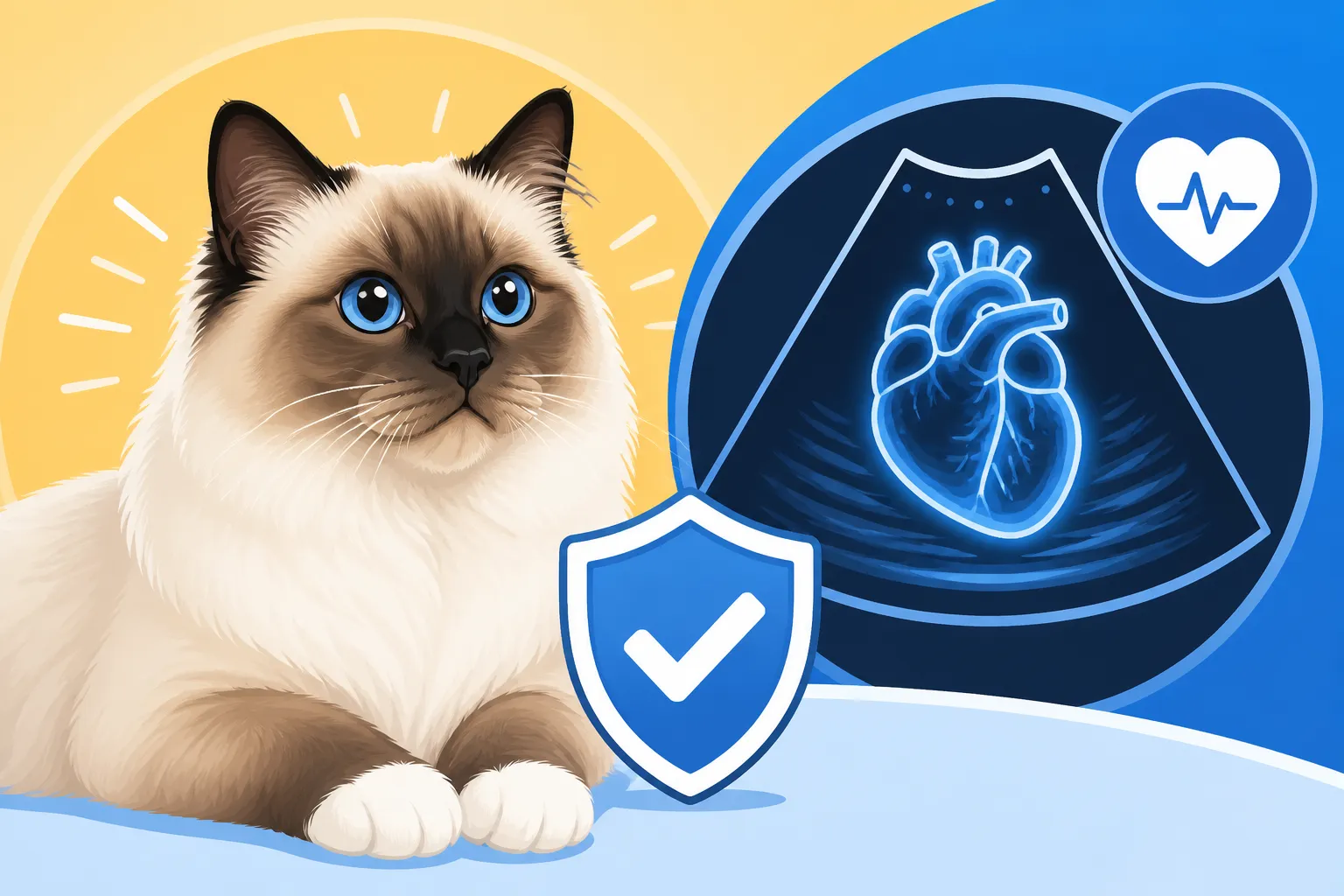
Given the lack of a definitive genetic test for Birmans, the echocardiogram becomes the single most valuable tool for screening breeding cats. An echo is essentially an ultrasound of the heart. It allows a veterinary cardiologist to visualize the heart's structure in real-time, measuring the thickness of the ventricular walls, assessing blood flow, and observing the overall function of the heart. This non-invasive procedure provides a detailed picture that simply cannot be obtained through other means.
When a breeder tells you their cats are "heart-checked," it should specifically mean they've undergone an echocardiogram performed by a board-certified veterinary cardiologist. A vet listening with a stethoscope, while important for general health checks, might pick up a murmur, but a murmur isn't always indicative of HCM, nor does a lack of murmur guarantee a healthy heart. However, Why a Murmur in a Birman Sends You Straight to an Echo is that it's a red flag that warrants further investigation. The echo provides objective, measurable data that can determine if the heart walls are indeed thickening beyond normal limits, long before any clinical signs become apparent. This proactive screening is the cornerstone of preventing affected cats from entering the breeding pool and passing on potential predispositions.
The Ethical Imperative for Transparency in Breeding
Choosing a Birman breeder means entrusting them with the health of your future family member. This isn't a decision to take lightly, and a breeder's commitment to transparency, particularly regarding health screening, is a non-negotiable aspect of ethical practice. Publishing echo results goes far beyond mere disclosure; it's a declaration of accountability and a proactive step towards ensuring the long-term health of the entire breed.
Building Trust and Accountability with Prospective Owners
Imagine you're looking for a kitten. You connect with a breeder, and they proudly tell you about their cats' pedigrees, temperaments, and beautiful markings. But then, they also readily provide you with documentation of their breeding cats' annual heart screenings, showing clear, normal results. This isn't just data; it's a profound statement of trust. By publishing echo results, a breeder demonstrates an unwavering commitment to health. They're not hiding anything; they're actively inviting scrutiny because they have nothing to fear.
This level of transparency helps prospective owners differentiate between genuinely reputable breeders and those who might be less diligent. Unfortunately, there are always individuals who prioritize profit over health, sometimes cutting corners on expensive health screenings. A breeder who publishes echo results is signaling that they are investing significant time, effort, and money into ensuring their breeding stock is healthy. They understand the immense responsibility of bringing new lives into the world and want you to feel secure in your decision. This open approach allows you to ask informed questions and build a relationship based on honesty and shared concern for the kitten's welfare.
Safeguarding the Birman's Genetic Future
The history of the Birman breed is fascinating but also fraught with challenges. Emerging from near extinction after World War II, the breed was rebuilt from a very small number of cats, leading to a somewhat What a Narrow Founder Base Left in the Birman gene pool. This bottleneck meant that any genetic predispositions present in those few founding cats could become more widespread in the subsequent generations. Understanding this historical context underscores the critical importance of rigorous health screening today. Responsible breeders aren't just thinking about the current litter; they're looking generations ahead.
By consistently screening their breeding cats for conditions like HCM and publicly sharing those results, breeders contribute invaluable data to the collective knowledge base of the breed. They are actively working to identify and reduce the prevalence of heritable diseases, ensuring a healthier future for all Birmans. This collaborative effort helps to mitigate the impact of Which Diseases Survived the Birman's Post War Bottleneck and works towards creating more robust and resilient lines. It's a long-term commitment that requires diligence, ongoing education, and a willingness to make difficult breeding decisions if a cat is found to be affected. Ultimately, transparent screening practices are the bedrock of responsible genetic stewardship for the Birman cat.
Understanding and Interpreting Published Echo Results
So, you've found a breeder who publishes their echo results – fantastic! But what do those documents actually mean? Navigating the terminology and understanding the implications of different findings is crucial for any potential Birman owner. It's not enough to simply see that a test was done; you need to grasp what the results indicate for your kitten and for the breeding line as a whole.
Deciphering the Breeder's Health Records
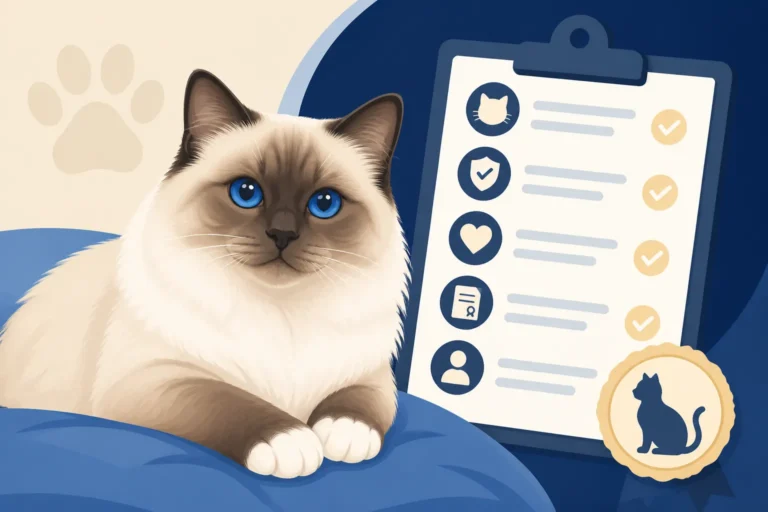
When a reputable breeder provides echo results, you'll typically see a report from a board-certified veterinary cardiologist. This report will detail various measurements and observations about the cat's heart. Key terms you might encounter include "clear," "normal," "equivocal," or "affected." A "clear" or "normal" result is what you want to see, indicating no evidence of HCM at the time of the scan. These reports should also state the date of the scan and the age of the cat at that time. It's not uncommon to see a cat's name, microchip number, and even a pedigree chart accompanying these results, ensuring authenticity.
A result of "equivocal" means the cardiologist found some minor changes that aren't definitively HCM but warrant further monitoring. This doesn't necessarily mean the cat has HCM, but it indicates a need for closer observation and repeat scans. An "affected" diagnosis means the cat has HCM. Responsible breeders will typically remove affected cats from their breeding programs and ensure they receive appropriate veterinary care. When reviewing these documents, don't be shy about asking questions. A good breeder will be happy to walk you through the report, explain What a Cardiologist Measures on a Birman's Heart Wall, and discuss the implications for their breeding program. They should also be able to explain their policy if a kitten from their lines ever develops HCM. It’s important to remember that pet insurance providers like Healthy Paws often require complete health records, and understanding these early screenings can play a role in future coverage.
The Lifelong Commitment to Regular Cardiac Screening
It’s a common misconception that one clear echo scan means a Birman is completely safe from HCM for life. Unfortunately, that's not the case. HCM can develop at any age. For breeding cats, annual or biennial echocardiograms are typically recommended, depending on the cat's age and the specific protocols adopted by various breed clubs and registries. You'll want to know How Often a Breeding Birman Needs Scanning and see a consistent history of clear results for both parents of your prospective kitten.
Even after you bring your Birman kitten home, the commitment to heart health continues. While kittens from clear parents have a lower risk, it's not zero. For a pet Birman, Whether Annual Listening Is Enough for a Pet Birman can vary, but typically, regular veterinary check-ups including listening to the heart are crucial. Your vet might recommend an echo if a murmur is detected or if your cat shows any symptoms. Reputable breeders are often very open about the fact that How Many Years a Clear Echo Covers a Birman is limited and ongoing vigilance is key. It's a partnership between you, your vet, and the breeder, all working to ensure the best possible health for your beloved companion. Planning for potential veterinary costs, even with a kitten from a thoroughly health-tested line, is a smart move, and looking into pet insurance options from providers like Healthy Paws early on can provide peace of mind for the long haul. Remember, What Kills a Birman Whose Line Was Never Echo Scanned is often sudden cardiac events, highlighting the gravity of this screening.
Here's a quick overview of what those echo results mean:
| Echo Result Category | What it Means for the Cat | Breeder Action | Implications for Owners |
|---|---|---|---|
| Normal / Clear | No evidence of HCM at time of scan. | Continues in breeding program, scanned annually. | Lower risk, but not zero. Continue annual vet checks. |
| Equivocal | Subtle changes, not definitively HCM. | Re-scan in 6-12 months. May be removed from breeding. | Monitor closely with your vet. |
| Affected / HCM Positive | Diagnosed with Hypertrophic Cardiomyopathy. | Immediately removed from breeding program. Receives veterinary treatment. | High risk of heart failure, potentially shorter lifespan. Needs ongoing vet care. |
Choosing a Birman from a breeder who openly publishes their echo results is a vital step in ensuring you bring home the healthiest possible companion. It signifies a breeder who is not only proud of their cats but also deeply committed to the integrity and future health of the entire Birman breed. This transparency provides peace of mind and sets a strong foundation for a long, happy life with your beautiful cat.
Disclaimer
Please remember that this information is intended for educational purposes only and should not replace professional veterinary advice. Always consult with a qualified veterinarian regarding specific health concerns or before making any decisions about your pet's care. Breed-specific information is generalized and individual cats may vary.