Why Birman Kidney Disease Is Watched From Middle Age
It's a heartbreaking reality for many Birman parents: our serene, affectionate companions, who bring so much quiet joy into our homes, can be masters at hiding discomfort. One of the most insidious health challenges they can face, and one that often begins to quietly brew long before you see any outward signs, is kidney disease. For Birmans, especially, the middle-age mark often signals the critical time when we need to become extra vigilant about their kidney health, proactively seeking to understand and manage this common condition to ensure they enjoy their golden years comfortably.
The Birman's Unique Kidney Landscape and Middle Age Vulnerabilities
Understanding why kidney health becomes such a focal point for Birmans as they enter their middle years means looking at a combination of their genetic background and the natural aging process all cats experience. It’s not just about one single factor; it's a tapestry of influences that converge around that seven to ten-year mark, making proactive monitoring absolutely essential.
Tracing Kidney Predispositions Back to Ancestry
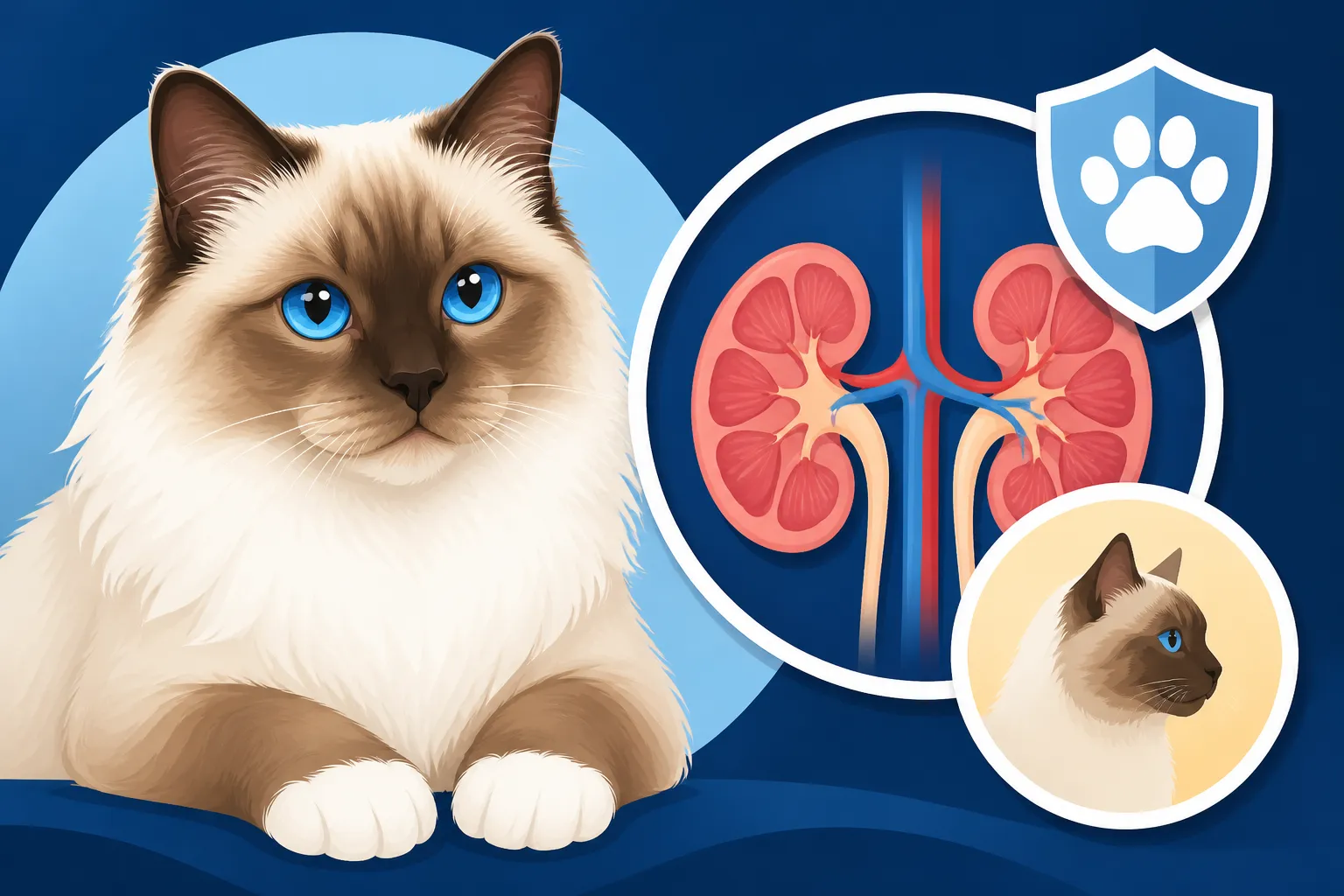
Birmans, like many purebred cats, carry echoes of their ancestors in their genetic makeup, and unfortunately, this includes certain health predispositions. Specifically, the link to Polycystic Kidney Disease (PKD1) is a crucial piece of this puzzle. Many Birmans have Persian ancestry, which introduced the PKD1 gene into their lines. While responsible breeders work diligently to test for and eliminate this gene from their breeding programs—and you should always ask your breeder about Why a Birman Breeder Still Tests for PKD —it’s still a historical consideration.
Even if your Birman has been tested and cleared of PKD1, the general predisposition for kidney issues can linger in the breed's broader genetic heritage. PKD1 itself involves the formation of fluid-filled cysts within the kidneys, gradually enlarging and compromising kidney function. While early detection through DNA testing can prevent affected cats from being bred, the legacy of shared genes means we, as Birman owners, must remain extra aware of kidney health as a whole. It’s not just PKD1; other forms of chronic kidney disease (CKD) can manifest in Birmans, just as they can in any cat, but perhaps with a slightly elevated risk or a tendency for earlier onset due to their genetic lineage. This makes their middle age a natural time to really start paying attention.
Natural Aging and Organ Function Decline
Beyond specific genetic predispositions, the simple act of aging takes its toll on every living being, and our beloved Birmans are no exception. As cats age, their organs, including their kidneys, naturally begin to lose some of their functional capacity. Think of it like a car engine that's run for many miles; it might still be running perfectly, but it's not as robust as it once was, and certain parts might be more prone to wear and tear.
For cats, this decline typically becomes noticeable around middle age, which is generally considered to be from about 7 to 10 years old. The kidneys are remarkable organs, capable of compensating for a significant loss of function before any outward signs of illness appear. They have a huge reserve capacity, meaning a cat can lose up to two-thirds or even three-quarters of its kidney function before blood tests or physical symptoms start to flag a problem. This compensatory mechanism is fantastic for survival but makes early detection incredibly challenging without regular, proactive veterinary screenings.
As a Birman approaches this middle-age threshold, the kidneys may slowly but steadily lose nephrons, the tiny filtering units. This gradual wear-and-tear means that even without a specific genetic disease like PKD1, the kidneys simply aren't as efficient at filtering waste products from the blood, concentrating urine, or maintaining electrolyte balance. This is why regular monitoring, rather than waiting for obvious symptoms, becomes paramount during these years. It's about catching these subtle declines before they turn into a full-blown crisis, giving us the best chance to intervene and slow the progression.
Unpacking the Early, Subtle Signs of Kidney Dysfunction in Middle-Aged Birmans
One of the biggest frustrations, and often the biggest heartbreak, for Birman owners is their cat’s incredible ability to mask illness. Our Birmans are known for their placid, gentle temperaments, and this admirable trait means they often hide discomfort or illness until it’s quite advanced. This stoicism is particularly true when it comes to chronic conditions like kidney disease, where symptoms can be subtle, slow to develop, and easily mistaken for "just getting older." Knowing what to look for, even the tiniest changes, can make all the difference. Why a Birman Hides Illness Behind a Placid Temperament is a topic every Birman parent should understand deeply.
Increased Thirst and Urination: The First Whispers
The earliest and often most overlooked signs of kidney dysfunction revolve around changes in thirst and urination. Kidneys are responsible for concentrating urine, removing waste products while retaining vital water. When they start to fail, they lose this ability.
Initially, you might notice your middle-aged Birman drinking more water than usual. This isn't always a dramatic change, so it's easy to dismiss. Perhaps their water bowl needs refilling more frequently, or you catch them at the tap more often. Because they're drinking more, they'll also be urinating more. You might find more clumps in the litter box, or the clumps might be larger and less concentrated, indicating dilute urine. This dilute urine is a critical early indicator that the kidneys aren't doing their job effectively. While you might think "more hydration is good," in this context, it often means the kidneys are struggling to conserve water.
It's easy to miss these signs, especially if your Birman has access to multiple water sources or if you have more than one cat. But pay close attention. An increase in thirst and urination, particularly when paired with a lack of other obvious symptoms, is a classic, early whisper of kidney trouble.
Subtle Changes in Appetite and Weight
Another area where Birmans excel at being discreet is with their eating habits. A truly ill cat might refuse food entirely, but with early kidney disease, the changes are far more subtle. You might notice your Birman is a little less enthusiastic about mealtime, perhaps leaving a tiny bit of food behind that they would have polished off before. They might seem a bit pickier than usual, or take longer to eat.
Over time, this reduced appetite can lead to subtle weight loss. Birmans have a long, slender body type, and their beautiful, silky coats can easily mask a gradual loss of muscle mass or body fat. You might not see a dramatic drop on the scale right away, but if you're regularly petting and grooming your cat, you might start to feel their ribs a little more prominently, or notice their spine is a bit more defined. How to Feel a Birman's Ribs Under a Silky Coat can be a helpful guide. This insidious, slow weight loss can simply be attributed to "getting older" if you're not specifically looking for it as a potential symptom of underlying illness. It’s important to monitor their weight during annual vet checks, as even a small, consistent downward trend can be significant.
General Lethargy and Coat Changes
As kidney disease progresses, waste products that the kidneys should be filtering out build up in the bloodstream, leading to a general feeling of malaise. Your middle-aged Birman might become a bit more lethargic, sleeping more, playing less enthusiastically, or generally just not being "themselves." They might still follow you from room to room or join you on the couch, but their usual playful bursts or curious explorations might diminish. This can be easily dismissed as What an Ageing Birman Slows Down From, but it’s crucial to remember that "aging" shouldn't mean a complete loss of vitality or joy.
Their beautiful coats, usually so lustrous and easy to groom, might also start to show changes. You might notice it appears duller, less soft, or perhaps a bit unkempt. As the cat feels unwell, their meticulous self-grooming habits can decline. They might stop grooming hard-to-reach areas, leading to mats or a greasy appearance, especially around their hindquarters or down their back. Their placid nature means they won't complain much, but a neglected coat is often a sign of underlying health issues. These aren't just cosmetic changes; they're valuable clues that something internal isn't quite right.
The Indispensable Role of Veterinary Care and Proactive Monitoring
Given how adept Birmans are at concealing illness, routine veterinary check-ups and specific diagnostic tests become not just important, but absolutely critical, once they reach middle age. Waiting for obvious symptoms in a Birman with suspected kidney issues is often waiting too long. Early detection through regular screenings can literally add years of good quality life.
Regular Vet Visits and Comprehensive Blood Work
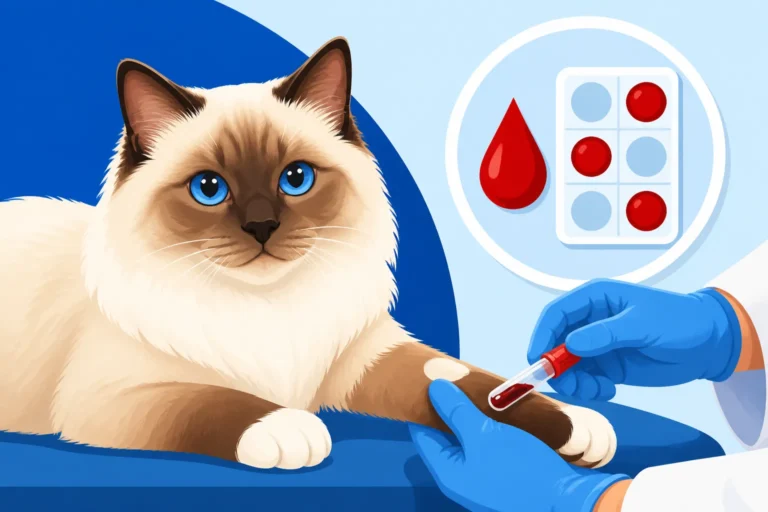
Once your Birman hits that middle-age benchmark, typically around seven years old, those annual vet visits should be seen as more than just vaccine boosters. They become vital opportunities for proactive health screenings. Your veterinarian will likely recommend a comprehensive senior panel, which usually includes blood chemistry and a complete blood count (CBC). This is where we start to get a real look at how those kidneys are functioning behind the scenes.
Key blood values your vet will be paying close attention to include Creatinine and Blood Urea Nitrogen (BUN). These are waste products that healthy kidneys filter out of the blood. Elevated levels can indicate that the kidneys are not clearing these wastes effectively. Another critical parameter is SDMA (Symmetric Dimethylarginine). This marker is incredibly useful because it can detect kidney function decline much earlier than creatinine, often when only 25% of kidney function has been lost, compared to 60-75% for creatinine. This is why many vets now advocate for SDMA testing in middle-aged and senior cats; it’s a game-changer for early detection. Your vet should be checking Which Blood Values a Birman's Kidney History Makes Important at every visit.
| Kidney Health Marker | What it Measures | Significance of Elevation | Optimal Monitoring Age |
|---|---|---|---|
| Creatinine | Muscle waste product | Kidneys not filtering well; >60% function lost | Annually from 7+ years |
| Blood Urea Nitrogen (BUN) | Protein waste product | Kidneys not filtering well; >60% function lost | Annually from 7+ years |
| SDMA | Amino acid byproduct | Early indicator of kidney disease; >25% function lost | Annually from 7+ years, or earlier if risk factors exist |
| Phosphorus | Mineral level | Can rise in kidney disease, indicating progression | Annually from 7+ years |
Beyond blood work, your vet will also perform a urinalysis. This involves testing a urine sample for specific gravity, which measures how concentrated the urine is. Low specific gravity indicates dilute urine, a hallmark sign of failing kidneys that are unable to conserve water. Protein in the urine can also be a red flag. These tests, especially when tracked over time, provide an invaluable baseline and allow your vet to spot trends or changes before they become critical. It’s an investment in your Birman's long-term health and well-being.
The Power of Urine Tests and Imaging
While blood tests give us a picture of what's circulating in the bloodstream, urine tests (urinalysis) provide crucial insights into how the kidneys are actually performing their job of filtering and concentrating. A simple urine sample can tell your vet a lot. As mentioned, measuring urine specific gravity is key. If your Birman is consistently producing very dilute urine despite adequate hydration, it's a strong indicator that their kidneys are struggling to concentrate waste.
Further, your vet might recommend a urine protein-to-creatinine ratio (UPC ratio). Excess protein in the urine can be a sign of glomerular disease, a specific type of kidney damage. Monitoring this over time can help track disease progression and guide treatment decisions.
In some cases, especially if blood and urine tests raise concerns, imaging might be recommended. An ultrasound of the kidneys allows your vet to visualize their size, shape, and internal structure. This can help identify issues like kidney stones, tumors, or, critically, the cysts associated with Polycystic Kidney Disease (PKD). While a genetic test can confirm PKD1, an ultrasound can visualize the physical changes in the kidneys. This deeper look can pinpoint the specific nature of any kidney problem, allowing for a more targeted management plan. If there's a history of PKD in the lineage, or if other signs are vague, imaging becomes even more valuable.
Home Monitoring and Collaboration with Your Vet
You, as your Birman’s primary caregiver, are their best advocate. Daily observations at home are just as important as those annual vet visits. Keep a mental (or even a written) log of your Birman’s habits. Is their water intake increasing? Are they using the litter box more frequently, and are the clumps larger or paler than usual? Any changes in appetite, energy levels, or coat condition should be noted.
A simple digital pet scale can be a great investment for middle-aged Birmans, allowing you to track their weight at home between vet visits. Even a small, consistent weight loss (e.g., 5-10% of body weight over a few months) can be a significant indicator of underlying health issues, including kidney disease. If your cat is losing weight and you can feel their ribs, it's time for a vet check.
Don’t hesitate to communicate any concerns, no matter how minor they seem, to your veterinarian. They rely on your observations to build a complete picture of your Birman’s health. If kidney disease is diagnosed, your vet will work closely with you to develop a management plan. This might involve dietary changes, medication, or supplements. For example, a prescription renal diet is a cornerstone of kidney disease management, as it is specifically formulated with controlled protein, phosphorus, and sodium levels to ease the burden on the kidneys. Even if your Birman is just showing early signs, proactive dietary adjustments can make a significant difference. Staying consistent with follow-up appointments and adhering to prescribed treatments, while also exploring options like pet insurance from providers like Healthy Paws to help manage potential costs, will be key to giving your Birman the best possible quality of life moving forward.
Managing Birman Kidney Disease from Middle Age Onward
Once kidney disease is identified in a middle-aged Birman, the focus shifts from prevention to proactive management. The goal isn't necessarily to cure the disease—as chronic kidney disease is usually progressive—but to slow its progression, alleviate symptoms, and maintain the best possible quality of life for as long as possible. This often involves a multi-faceted approach, tailored to your individual Birman's needs.
Dietary Adjustments and Hydration Strategies
One of the most impactful interventions for managing kidney disease is through diet. Your veterinarian will almost certainly recommend a prescription renal diet. These specialized diets are formulated with specific considerations for ailing kidneys:
- Controlled Protein: While protein is essential, too much can produce excessive waste products that damaged kidneys struggle to filter. Renal diets contain high-quality protein in controlled amounts, ensuring muscle mass is maintained without overtaxing the kidneys.
- Reduced Phosphorus: Elevated phosphorus levels are common in kidney disease and can contribute to further kidney damage and other health problems. Renal diets significantly lower phosphorus to help manage this.
- Increased Omega-3 Fatty Acids: These often help reduce inflammation and can support kidney health.
- Added B Vitamins: Cats with kidney disease can lose B vitamins through increased urination, so these diets are supplemented.
Switching food can sometimes be a challenge, especially with a placid Birman who might not show strong preferences or dislikes. Gradually transitioning them by mixing small amounts of the new food with their old food is often the best approach. Sometimes, it takes trying a few different brands or flavors of prescription diets to find one your Birman will happily eat.
Hydration is also paramount. Encouraging your Birman to drink more water helps the kidneys flush out waste products. Strategies include:
- Wet Food: Incorporating more wet food into their diet naturally increases water intake. Which Wet Food Suits a Birman's Kidney History is a relevant consideration.
- Water Fountains: Many cats prefer moving water. A cat fountain can be a great way to entice them to drink more.
- Multiple Water Bowls: Place several bowls around the house in quiet, easily accessible spots.
- Flavoring Water: Some cats respond well to a tiny bit of tuna juice (in water) or low-sodium chicken broth mixed into their water.
Medications and Supplements for Symptom Management
Depending on the stage of kidney disease and the specific symptoms your Birman presents, your vet might prescribe various medications or supplements. These are aimed at managing complications and supporting remaining kidney function.
Common medications and supplements include:
- Phosphate Binders: If dietary phosphorus restriction isn't enough, these oral medications (often given with food) help bind excess phosphorus in the gut, preventing its absorption.
- Potassium Supplements: Some cats with kidney disease can develop low potassium levels, which can further weaken them.
- Blood Pressure Medications: High blood pressure is a common complication of kidney disease and can further damage the kidneys, eyes, and heart. Medications like Amlodipine can help manage this.
- Anti-nausea Medications: If your Birman is experiencing nausea or a reduced appetite due to the buildup of toxins, your vet might prescribe anti-emetics.
- Appetite Stimulants: For cats with very poor appetite, medications like Mirtazapine can help encourage them to eat.
- Fluid Therapy: In more advanced cases, or during periods of crisis, subcutaneous (under the skin) fluid administration at home can be life-saving. Your vet can teach you how to administer these fluids, helping to keep your Birman hydrated and flush out toxins.
It's vital to follow your vet's instructions precisely and administer all medications as prescribed. Regular check-ups will allow your vet to adjust dosages or introduce new treatments as needed, based on your Birman's blood values and overall condition. The cost of these long-term treatments can add up, making a robust pet insurance plan like those offered by Healthy Paws a valuable asset for many owners.
Maintaining Quality of Life and Comfort
Beyond medical and dietary interventions, maintaining your Birman's overall quality of life and comfort is paramount. Remember that these gentle cats are prone to hiding pain or discomfort, so you need to be observant.
- Comfortable Environment: Ensure your Birman has warm, soft, easily accessible sleeping spots. As they age and potentially lose muscle mass or strength, jumping might become harder. Provide ramps or steps to their favorite elevated spots.
- Regular Grooming: While your Birman is typically an excellent self-groomer, if they're not feeling well, their grooming habits might decline. Continue with your regular Combing a Birman Three Times a Week routine and assist them with cleaning hard-to-reach areas, especially around their hindquarters, to prevent mats and maintain hygiene. Caring for an Old Birman That Cannot Reach Its Back becomes essential.
- Enrichment: Even with kidney disease, your Birman still needs mental and gentle physical stimulation. Continue with short, quiet play sessions using wand toys or puzzle feeders that don't require too much exertion. Keep their environment interesting but not overwhelming. Which Toys Suit a Birman That Plays Quietly provides great ideas.
- Monitoring and Communication: Continue to monitor their drinking, eating, litter box habits, and general demeanor. Any sudden changes warrant an immediate call to your vet. Regular communication with your veterinary team is essential to ensure your Birman's comfort and adapt their care plan as their condition evolves.
Watching your cherished Birman navigate kidney disease can be challenging, but with proactive monitoring starting in middle age, early detection, and dedicated management, you can provide them with comfortable, loving, and fulfilling lives for many more years.
Disclaimer
This article is intended for informational purposes only and does not constitute veterinary advice. Always consult with a qualified veterinarian for any health concerns or before making any decisions about your Birman's medical care.