How Often a Birman With Clear Papers Still Needs a Vet
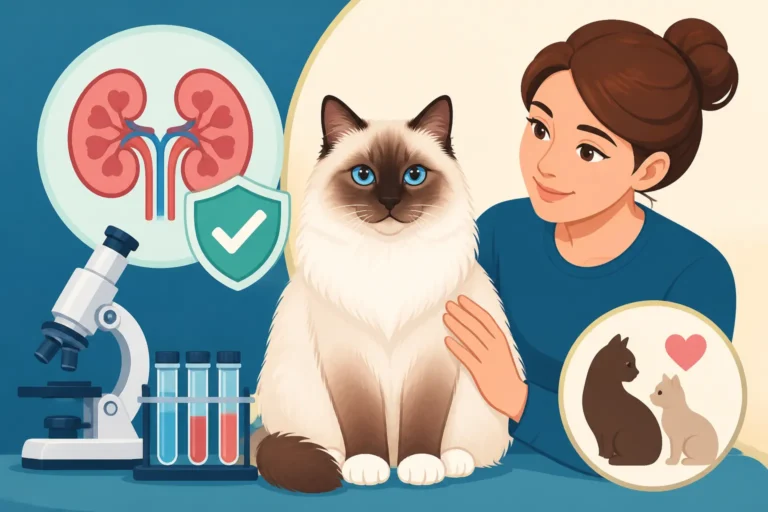
Even with "clear papers," a Birman owner can still feel a nagging uncertainty about how often their beloved feline friend truly needs a vet visit. It’s a common misconception that once you have a cat from a reputable breeder, with all the genetic tests and health clearances, you can just sit back and relax for years. The truth is, while those papers are absolutely crucial, they're a foundation, not a force field. Your Birman still needs consistent, proactive veterinary care to ensure they live their fullest, healthiest life, and this guide will walk you through exactly what that looks like at every stage of their journey.
Understanding "Clear Papers" and What They Really Mean for Your Birman's Health
When you hear the term "clear papers" from a breeder, it usually refers to a clean bill of health regarding specific genetic conditions and parental health screenings. This is fantastic and non-negotiable when choosing a Birman kitten, but it doesn't mean your cat is immune to every ailment under the sun. It means you've significantly reduced the risk of certain inherited problems, allowing you to focus on general wellness and age-related changes.
The Importance of Genetic Testing (FOXN1, PKD1)
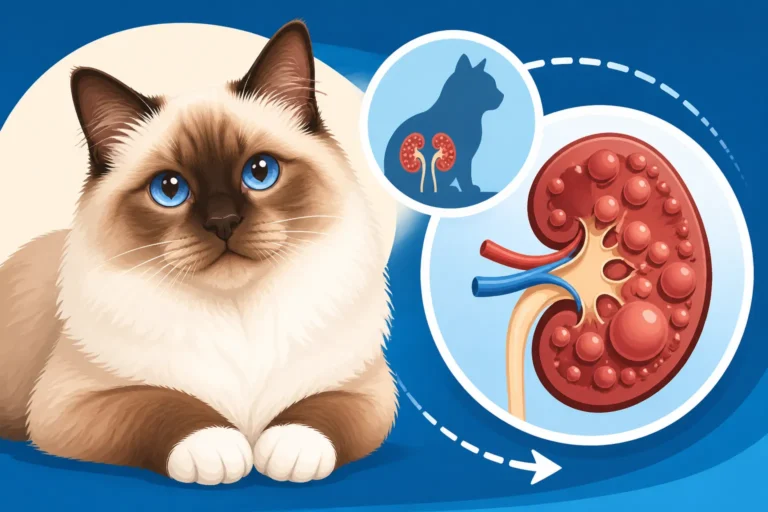
Reputable Birman breeders go to great lengths to ensure their breeding cats are tested for known genetic conditions. For the Birman, two of the most critical genetic tests are for Feline Hypotrichosis with Thymic Aplasia (FOXN1) and Polycystic Kidney Disease (PKD1). FOXN1 is a devastating condition where kittens are born bald and have an underdeveloped immune system, usually leading to a very short lifespan. A "clear" result means your Birman doesn't carry the gene for this. Similarly, PKD1, which causes cysts to form on the kidneys, can lead to kidney failure later in life. A clear test means your cat won't develop this specific genetic form of kidney disease.
Even with these clearances, understanding what those tests mean is crucial. A cat might be "clear" of the specific gene deletion for FOXN1, meaning they won't pass it on or develop it. The cost involved in What Testing a Birman for FOXN1 and PKD1 Together Costs is an investment in your kitten's future, and a responsible breeder will absorb this into the kitten's price. Similarly, Why a Birman Breeder Still Tests for PKD even when the breed generally has low incidence now is because the gene can still exist in lines, often coming from their Persian ancestry. So, while these papers eliminate some worries, they don't cover every potential health hiccup.
The Role of Cardiac Screening (HCM)
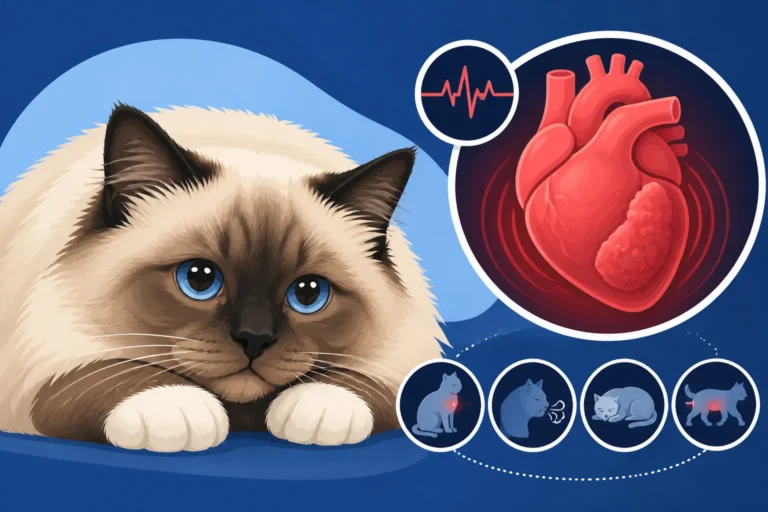
One of the most significant health concerns in many purebred cats, including Birmans, is Hypertrophic Cardiomyopathy (HCM). This is a heart disease where the walls of the heart's main pumping chamber thicken, making it harder for the heart to pump blood effectively. Unlike FOXN1 and PKD1, which have reliable DNA tests, HCM in Birmans does not have a universally accepted genetic test that covers all forms of the disease. Instead, the primary screening method is an echocardiogram (an ultrasound of the heart).
A Birman with "clear papers" might mean their parents had clear echo scans at the time of breeding, but it doesn't guarantee your individual cat will never develop HCM. The disease can manifest later in life, and while genetic predisposition plays a role, environmental factors can also contribute. This is why regular cardiac screening, especially for breeding cats, is so important, and it's a question you should always ask your breeder about their lines. How HCM Shows Up in a Birman can vary, from sudden collapse to subtle lethargy, making regular screening even more vital. Breeders regularly scan their breeding cats, with How Often a Breeding Birman Needs Scanning being a key part of responsible practices, often yearly or every other year, depending on the vet's recommendation. Your pet Birman, however, will follow a slightly different schedule.
Beyond Genetics: Environmental Factors and Lifestyle
Even a Birman with the most impeccable "clear papers" is still a living creature susceptible to environmental factors, diet, accidents, and age-related conditions. Think of it this way: having excellent genetics is like having a sturdy, well-built house. It’s a great start, but you still need to maintain it, fix leaks, and address wear and tear over time.
For instance, an indoor Birman is generally protected from many external threats like traffic accidents, fights with other animals, and exposure to certain parasites and diseases. This is a huge factor in Why an Indoor Birman Reaches Sixteen More Often compared to an outdoor cat. However, they can still get fleas, dental disease, or develop conditions like diabetes or arthritis. Their diet, exercise levels, stress, and even the cleanliness of their living environment all play a huge role in their overall health, independent of their genetic predispositions. Your papers give you peace of mind about certain inherited conditions, but they don't negate the need for attentive, proactive care throughout your cat's life.
The Standard Veterinary Schedule for a Birman with "Clear Papers"
So, you have a beautiful Birman kitten with all its health certificates in order. What now? The journey of veterinary care is ongoing, adapting as your cat grows from a playful kitten to a dignified senior.
Kittenhood: Setting the Foundation
The first few months of a Birman kitten's life are packed with vet visits, and for good reason. They're establishing their immune system, growing rapidly, and getting crucial preventative care. When your kitten first comes home around 12-14 weeks, they should have already had their first vaccinations and a vet check-up. However, it's essential to schedule your own initial vet visit within a few days of bringing them home. This allows your chosen vet to establish a baseline, check for any travel stress, and ensure everything is truly well.
During these initial visits, your vet will perform a thorough physical examination, checking their eyes, ears, teeth, heart, lungs, and palpating their abdomen. They'll discuss vaccination schedules, deworming, flea and tick prevention, and initial blood tests. This is also the time to discuss spaying or neutering. What to Check on a Birman Kitten in Its First Week Home includes observing their energy levels, appetite, litter box habits, and general demeanor. Don't be shy about sharing any concerns, no matter how small they seem. A common check, even in healthy kittens, is a careful listening to the heart, as Why a Birman Kitten's First Exam Includes Its Heart is critical for early detection of any murmurs that could indicate an underlying issue, even if rarely serious in very young kittens.
Adulthood: Annual Wellness Checks Are Non-Negotiable
Once your Birman has sailed through kittenhood and reached adulthood (typically around one year of age, though they keep maturing until three), annual vet visits become the cornerstone of their health plan. These aren't just for vaccinations anymore, though those are still important. Annual check-ups are about preventative care, early detection, and maintaining overall wellness.
During an annual exam, your vet will:
- Perform a head-to-tail physical, noting any changes since the last visit.
- Check their weight and body condition score.
- Listen to their heart and lungs.
- Examine their teeth and gums for signs of dental disease.
- Palpate their abdomen to check for organ size and tenderness.
- Discuss diet, exercise, and any behavioral changes you might have noticed.
- Administer necessary booster vaccinations.
- Recommend routine bloodwork or urinalysis, especially as they approach middle age.
Even if your Birman seems perfectly healthy and playful, these annual visits are invaluable. Cats are masters at hiding illness, a trait rooted in their survival instincts in the wild. A vet’s trained eye can spot subtle changes you might miss, allowing for early intervention before a problem becomes serious. For example, Why a Birman's Yearly Panel Should Include After Eight is a clear indication that proactive blood work becomes even more important as they mature. This consistent monitoring is key to a long, happy life.
Senior Years: Increased Vigilance for Aging Birmans
As your Birman enters their senior years, usually around 8-10 years old, the frequency and depth of vet visits often increase. Just like humans, older cats are more susceptible to age-related conditions such as arthritis, kidney disease, hyperthyroidism, and heart conditions. Many vets recommend bi-annual (every six months) check-ups for senior cats.
These more frequent visits allow for closer monitoring of vital organ function, blood pressure, and any signs of discomfort or pain. Your vet might recommend more frequent blood panels to track kidney and liver function, thyroid levels, and glucose. They'll pay close attention to mobility, dental health, and any changes in weight or appetite. What an Old Birman Slows Down From can include reduced jumping, less play, and increased sleeping, all subtle signs that need to be evaluated by a professional. This proactive approach can catch problems early, making them more manageable and improving your Birman's quality of life significantly. How Kidney Failure Arrives in a Birman Past Fourteen is often a gradual decline that can be managed with diet and medication if caught early, highlighting the importance of these regular senior checks.
Specific Health Concerns That Warrant Extra Vet Visits, Regardless of Papers
"Clear papers" are a shield against known inherited risks, but they're not a magical barrier against every illness or injury. There are many reasons your Birman might need an unplanned trip to the vet, and knowing when to go is paramount.
Dental Health: A Silent Threat
Dental disease is incredibly common in cats, affecting a vast majority by the age of three, and Birmans are no exception, sometimes even more prone due to their smaller, narrower jaw structure. It's often a silent threat because cats rarely show obvious signs of pain until the condition is advanced. Bad breath (halitosis) is often the first clue, but by then, gingivitis, tartar buildup, and even painful tooth reabsorption might already be present.
Even with regular at-home dental care, many Birmans will eventually need professional dental cleanings under anesthesia. Your vet will assess their dental health during annual check-ups, but if you notice signs like difficulty eating, drooling, pawing at their mouth, or a sudden preference for wet food over kibble, it’s time for an extra vet visit. Why Gum Disease Creeps Up on a Birman is often because bacteria hide along the gum line, leading to inflammation and plaque buildup over time. Proactive dental care, including brushing at home and regular professional cleanings, is crucial. How Often a Birman's Narrow Jaw Needs a Scale and Polish will depend on individual factors, but it's often more frequent than owners initially expect.
Changes in Behavior or Appetite
Birmans are known for their placid, gentle nature. They are not typically demanding or vocal cats. This lovely temperament, unfortunately, can also make it incredibly difficult to discern when they're feeling unwell. They are stoic and will often hide pain or discomfort until it's quite severe, a survival instinct that served their wild ancestors well but can be a challenge for modern pet owners.
Any significant change in your Birman's normal routine or personality warrants a vet visit. This could include:
- A sudden decrease or increase in appetite or water consumption.
- Changes in litter box habits (urinary frequency, straining, diarrhea, constipation).
- Lethargy, unusual hiding, or decreased interaction.
- Increased vocalization (which is rare for Birmans) or unusual quietness.
- Restlessness or difficulty settling.
- Changes in grooming habits (over-grooming or neglect).
Remember, Why a Birman Hides Illness Behind a Placid Temperament means you have to be extra observant. They won't usually cry out in pain or make a fuss. Instead, they might just become a little withdrawn or less interested in their favorite toy. What a Withdrawn Birman Is Telling You is often that they are uncomfortable or unwell, and it’s a clear signal that medical attention is needed. Trust your gut; if something feels "off" with your Birman, don't hesitate to contact your vet.
Sudden Illness or Injury
Life happens, and even the most well-cared-for Birman can experience a sudden illness or injury. These situations require immediate veterinary attention, regardless of how recently they had a check-up or how perfect their papers are. Examples include:
- Limping or difficulty walking.
- Sudden vomiting or diarrhea, especially if severe or persistent.
- Difficulty breathing or persistent coughing.
- Any signs of pain or distress.
- Eye injuries or sudden changes in vision.
- Ingestion of a toxic substance (plants, human medications, certain foods).
- Trauma from a fall or accident.
In these emergency situations, the speed of response can make a critical difference. Having an emergency vet's number handy and knowing your route to the nearest animal hospital can save precious time. This is also where investing in pet insurance, like a policy from Healthy Paws, can provide immense peace of mind. While nobody wants to face an emergency, knowing that you have financial support to cover unexpected veterinary costs can help you make the best decisions for your Birman without added stress.
Financial Planning for Ongoing Birman Healthcare
Owning a Birman is a commitment that extends far beyond the initial purchase price. Just like any pet, their ongoing healthcare needs represent a significant financial responsibility. Planning for these costs is a crucial part of responsible pet ownership, ensuring you can always provide the best care.
Budgeting for Routine Care and Preventative Measures
Even with "clear papers," a Birman's routine care costs can add up. This includes:
- Annual or bi-annual vet check-ups.
- Vaccination boosters.
- Flea, tick, and worming preventatives.
- Dental cleanings.
- Any recommended blood tests or specialized screenings (like echo scans for HCM as they age).
- High-quality food that supports their coat and overall health.
It's wise to set aside a monthly amount specifically for your Birman's healthcare. This way, when the annual check-up rolls around, or if a dental cleaning is recommended, you're not caught off guard. Thinking about a long-term plan is key. For example, a Birman's entire life from kitten to senior can involve considerable expenses for veterinary care, including those important yearly heart checks. A responsible breeder will guide you on the expected costs, including What a Birman Costs From Kitten to Sixteen.
The Value of Pet Insurance
For many Birman owners, pet insurance is an invaluable tool for managing unexpected veterinary expenses. Even with a healthy cat from excellent lines, illnesses and accidents can happen. Imagine your Birman suddenly develops a urinary blockage, breaks a leg, or needs extensive dental work. Without insurance, these emergencies can result in hefty bills, sometimes thousands of dollars.
Pet insurance works by reimbursing you for a percentage of covered veterinary costs after you've met your deductible. Companies like Healthy Paws offer comprehensive plans that can cover accidents, illnesses, surgeries, medications, and emergency care. While some plans might have specific exclusions, especially for pre-existing conditions, getting a policy early in your Birman's life, when they are young and healthy, is usually the best strategy. It means you can make decisions based on what’s best for your cat’s health, rather than what you can afford out-of-pocket, providing a safety net for any unforeseen health challenges. It's worth researching providers like Healthy Paws and understanding their coverage options to see if it's the right fit for your budget and peace of mind.
Breeder Responsibilities and Long-Term Support
A truly responsible Birman breeder's commitment doesn't end when you take your kitten home. They should be a valuable resource for advice and support throughout your Birman's life. This often extends to discussing typical health milestones, offering guidance on nutrition, and reminding you about the importance of regular vet visits.
They are often the first point of contact for breed-specific questions that your general vet might not be specialized in. A good breeder will also provide a health guarantee, often covering specific genetic conditions for a certain period. Understanding How Long a Birman Breeder Stands Behind a Kitten is part of evaluating a breeder's commitment to their lines and the well-being of the cats they produce. Their ongoing support complements your vet's care, creating a holistic network for your Birman's health.
| Birman Age Stage | Recommended Vet Visit Frequency | Key Health Focus Areas (Even with Clear Papers) |
|---|---|---|
| Kitten (8-16 weeks) | Every 3-4 weeks (for vaccinations) | Full physical exam, deworming, vaccinations, microchipping, discussing spay/neuter, initial heart check. |
| Juvenile (4 months – 1 year) | Annual check-up | Boosters, physical exam, dental health discussion, weight management, spay/neuter follow-up. |
| Adult (1-7 years) | Annual check-up | Comprehensive physical exam, dental assessment, vaccination boosters, weight monitoring, early screening discussions (e.g., bloodwork baseline, HCM echo if desired). |
| Mature Adult (7-10 years) | Annual to Bi-annual check-ups | In-depth physical exam, dental care, senior blood panel (kidney, liver, thyroid), urine analysis, blood pressure, arthritis checks, HCM screening considerations. |
| Senior (10+ years) | Bi-annual check-ups (every 6 months) | Extensive physical exams, comprehensive senior blood panels, urinalysis, blood pressure, detailed arthritis management, regular dental checks, monitoring for chronic conditions. |
Even with a Birman who comes with impeccable "clear papers," regular and proactive veterinary care is not just recommended, it's essential. Those papers are a fantastic starting point, eliminating worries about specific inherited diseases, but they don't cover the full spectrum of health needs your beloved cat will have over their lifetime. From routine annual check-ups to keen observation for subtle changes in behavior or appetite, and being prepared for the unexpected, your consistent attention and commitment to veterinary care are the real keys to ensuring your Birman lives a long, healthy, and joy-filled life by your side.
Disclaimer
This article is for general informational purposes only and does not constitute professional advice. Laws, prices and regulations vary by location and change over time. Consult a qualified professional for guidance on your specific situation.