What Fifteen Years of Combing and Echoes Costs a Birman Owner
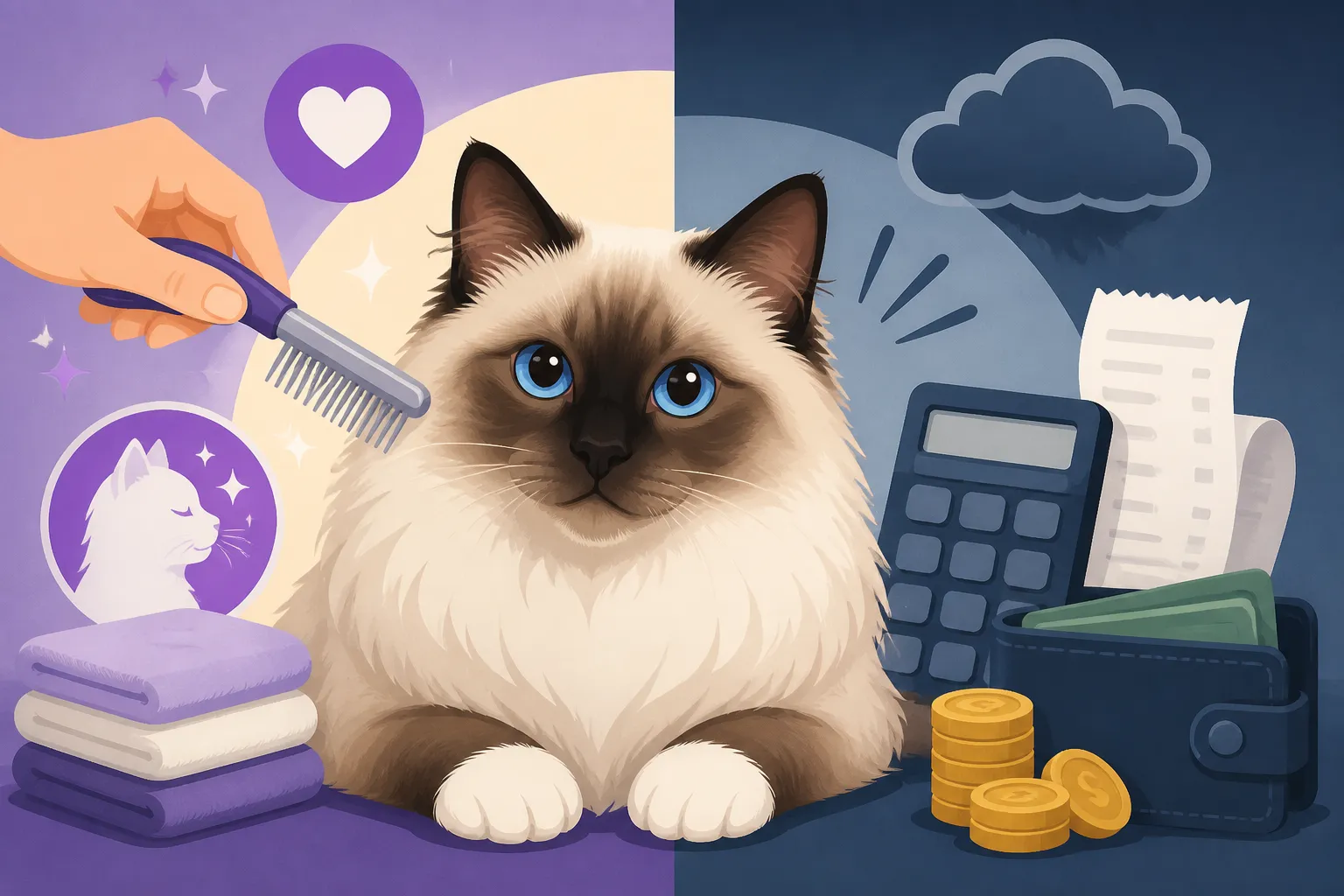
Bringing a Birman into your life is an absolute joy, but it's also a significant long-term commitment. Many prospective owners focus on the initial kitten price, only to find themselves surprised by the ongoing expenses, particularly when it comes to keeping that magnificent coat pristine and ensuring their beloved companion's heart remains healthy. This guide will walk you through the realistic financial journey of owning a Birman for its typical 12-16 year lifespan, from routine care to essential health screenings and everything in between.
The Upfront Costs: Setting the Stage for a Lifetime
When you first welcome a Birman kitten into your home, there are certainly initial costs that grab your attention. It's not just the purchase price; it's about making sure your new family member has everything they need for a safe, comfortable start, and crucially, that they're coming from a healthy background. These early investments lay the groundwork for the next decade and a half.
Initial Purchase and Supplies
The price of a Birman kitten can vary quite a bit, often depending on factors like pedigree, markings (especially those coveted white gloves), and whether you're looking for a pet or a show cat. This initial figure is just the beginning. You’ll need a sturdy carrier for safe transport, food and water bowls, a comfortable bed, scratching posts and pads to protect your furniture, and a selection of appropriate toys. Don't forget the practical necessities like a litter box and a supply of quality litter. These first-time purchases can add up quickly, creating a substantial initial outlay on top of the kitten itself. Think of it as setting up your Birman's little kingdom, ensuring they have a secure and stimulating environment from day one.
Beyond the basic gear, your kitten will need its first vet visit within a few days of coming home. This initial check-up is vital to ensure they’re settling in well and to catch any potential health concerns early. They'll also receive their initial series of vaccinations, which protect them from common feline diseases, and often, microchipping. Microchipping is a non-negotiable for responsible pet ownership, offering peace of mind should your curious Birman ever slip out unexpectedly. These crucial first medical steps are part of the essential welcome package for any new pet owner.
The Breeder's Investment in Health
A reputable Birman breeder invests significantly in the health of their breeding cats, and this commitment is reflected in the kitten's price. They rigorously test their breeding stock for genetic conditions prevalent in the breed, such as Polycystic Kidney Disease (PKD) and Feline Hypotrichosis with Thymic Aplasia (FOXN1). While What Testing a Birman for FOXN1 and PKD1 Together Costs can be substantial for a breeder, this upfront expenditure helps ensure that the kittens they produce are genetically sound, reducing the likelihood of you facing devastating and expensive health battles down the line. It's a testament to their dedication to the breed's well-being and a critical factor in finding a truly healthy companion.
Perhaps the most significant health investment for a Birman breeder, and one that directly impacts your cat's potential lifespan, is regular screening for Hypertrophic Cardiomyopathy (HCM). This inherited heart condition can be silent but deadly, and because there's no DNA test for it in Birmans, breeders rely on regular echocardiograms (heart scans) by a veterinary cardiologist. This proactive screening helps them identify affected cats and remove them from breeding programs, thereby reducing the risk of passing the condition to future generations. While the cost of these echoes is built into the kitten's price, it's an investment in your future Birman's long-term health and a huge factor in ensuring a healthy, long life.
Grooming Over the Years: More Than Just a Pretty Face
One of the Birman's most captivating features is its stunning, silky coat. It flows beautifully, doesn't tend to mat as easily as some other long-haired breeds, and is truly a joy to behold. However, maintaining this elegance isn't entirely hands-off. Over fifteen years, the cumulative effort and cost of grooming, while often a pleasant bonding experience, become a notable part of your financial commitment.
Essential Tools and Routine Combing
You might be surprised to learn that despite their luxurious appearance, Birmans don't typically require daily, intensive grooming like some double-coated longhairs. This is thanks to their unique coat structure: No Undercoat Is What Makes a Birman Easy to Groom. Their single coat is less prone to tangles and matting, but regular combing is still essential. You'll need a good quality metal comb with both wide and fine teeth, and perhaps a soft bristle brush for general smoothing. Avoid slicker brushes, which can damage their delicate guard hairs.
Getting into a routine of combing your Birman two or three times a week for about 10-15 minutes will make all the difference. This consistent effort prevents the occasional mat from forming, helps distribute natural oils, and minimizes shedding. Over a lifetime, those combs and brushes will need replacing, and while individual items aren't hugely expensive, the cumulative cost of quality grooming tools over fifteen years adds up. More importantly, the time investment is significant, but it's a wonderful opportunity for bonding and a gentle check-up of their skin and body.
Keeping Those White Gloves Pristine
The Birman's signature white "gloves" on its paws are undeniably beautiful, but they can also be a magnet for dirt and discoloration. Keeping a Birman's White Gloves White requires a bit of extra vigilance and sometimes specific strategies. You'll quickly learn that certain types of litter can stick to their fur or, worse, cause staining. This often means opting for higher-quality, low-dust, and non-clumping litters, which can be more expensive than conventional options.
Beyond litter choice, sometimes accidents happen. A Birman exploring a dusty corner or having a minor litter box mishap can result in dirty paws. You might find yourself needing pet-safe wipes or even performing a quick spot bath for their feet more often than you'd expect. While a full bath is a rarity for most Birmans, those pristine white paws often demand targeted attention. This ongoing effort to maintain their signature feature is a unique aspect of Birman ownership, adding both time and a small but steady expense to your long-term budget.
Dealing with Mats and Shedding
Even with their relatively easy-care single coat, Birmans aren't entirely immune to mats, especially in areas like their "britches" (the longer fur on their hind legs), behind their ears, or in their glorious ruff. While How Much a Coat With No Undercoat Actually Sheds is generally less than a double-coated breed, they still do shed. Regular combing helps capture loose hairs before they become tumbleweeds under the sofa or, worse, get ingested and form hairballs.
Dealing with an occasional mat requires patience and the right tools, like a mat splitter or a blunt-ended scissor if you're confident. For larger, stubborn mats, a visit to the vet or a professional groomer might be necessary to avoid hurting your cat. These professional grooming sessions, though infrequent, can incur costs. Over fifteen years, the combined expense of replacement tools, occasional specialized mat removal, and perhaps even preventative supplements to support skin and coat health become part of the financial picture. It's an ongoing commitment to their comfort and appearance.
The Heart of the Matter: Regular Echoes and HCM Screening
When we talk about the long-term cost of Birman ownership, one area that truly stands out is cardiac health, specifically the screening and management of Hypertrophic Cardiomyopathy (HCM). This isn't just an optional expense; for a Birman, it's a fundamental part of responsible ownership and a critical investment in their well-being.
Understanding HCM in Birmans
Hypertrophic Cardiomyopathy is a primary disease of the heart muscle, leading to a thickening of the walls of the left ventricle. This thickening makes the heart less efficient at pumping blood, which can lead to congestive heart failure, blood clots, or sudden death. Birmans, like many purebred cats, have a genetic predisposition to HCM. What makes it particularly challenging for Birman owners and breeders is that HCM in a Birman Has No DNA Test, Only an Echo. This means we can't simply run a cheek swab to know if a cat carries the gene for HCM.
The implications of this are profound. Without a genetic test, the only way to effectively screen for HCM and monitor heart health is through regular echocardiograms. An echo is a specialized ultrasound of the heart that allows a veterinary cardiologist to visualize the heart's structure, measure wall thickness, and assess its function. This diagnostic tool is invaluable for early detection, which can lead to management strategies that improve quality of life and potentially extend a Birman's lifespan. The silent nature of the disease means a cat can appear perfectly healthy until a crisis occurs, underscoring the importance of proactive screening.
The Cadence of Cardiac Scans
For breeding Birmans, the recommendation is typically for annual echocardiograms, ensuring that only cats with healthy hearts contribute to the gene pool. For pet Birmans, the frequency might be less stringent, but regular screening, particularly starting in early adulthood, is still highly advisable. At What Age a Birman's Heart Starts to Thicken can vary, but HCM often manifests in middle-aged cats, though it can appear earlier or later. Many cardiologists recommend an initial baseline echo around 1-2 years of age, followed by subsequent scans every 1-3 years, depending on the cat's health and the cardiologist's advice. As a Birman ages, especially past the age of eight, annual cardiac checks become even more critical, sometimes incorporating a yearly echo or at least thorough auscultation by your regular vet.
Establishing this routine of cardiac scans creates a continuous record of your Birman's heart health, allowing for early detection of any changes. Think of it as a long-term health project, where each scan builds upon the last to create a comprehensive picture. This proactive approach isn't just for breeders; it gives pet owners the best chance to intervene early if HCM develops, offering their beloved Birman the best possible care.
The Cost of Peace of Mind: Echo Expenses Over a Lifetime
An echocardiogram performed by a board-certified veterinary cardiologist is a specialized procedure, and its cost reflects the expertise and equipment involved. While specific figures fluctuate, you should anticipate a significant expense for each echo. Over a Birman's potential fifteen-year lifespan, undergoing these scans every few years can accumulate into a substantial total. If your Birman receives an HCM diagnosis, subsequent monitoring echoes may be required more frequently, adding further to the cost.
This is where pet insurance can play a critical role. Providers like Healthy Paws often offer policies that can help offset the cost of diagnostics and ongoing treatment for conditions like HCM. However, it's vital to read the fine print, as some policies may exclude pre-existing conditions. Insuring your Birman early, before any cardiac issues are detected, can be a financially savvy decision. The peace of mind that comes from knowing you're doing everything possible to monitor and protect your Birman's heart is, for many, immeasurable, even with the considerable financial commitment.
Beyond the Heart: Other Essential Health Considerations
While HCM is a significant concern for Birman owners, it's certainly not the only health aspect to consider over their long lifespan. Like all cats, Birmans can be susceptible to a range of other conditions, some genetic, some age-related. Proactive care and understanding these potential challenges are key to providing comprehensive care for fifteen years.
Kidney Health and PKD Screening
Polycystic Kidney Disease (PKD) is another inherited condition that can affect Birmans, primarily because of the historical outcrossing with Persians during the breed's reconstruction. Why PKD Reached the Birman Through the Persian is a well-understood genetic pathway. PKD causes cysts to form in the kidneys, which gradually grow over time, eventually impairing kidney function. Fortunately, unlike HCM, there is a reliable DNA test for PKD1.
Reputable Birman breeders will have already tested their cats to ensure they are clear of PKD1, so your kitten should come with documentation proving both parents were clear. However, monitoring kidney health remains important as your Birman ages, regardless of PKD status, as chronic kidney disease can affect any older cat. Which Blood Values a Birman's Kidney History Makes Important include creatinine, BUN, and phosphorus, which your vet will monitor during senior wellness checks. If kidney issues are detected, dietary management becomes paramount. Specialized renal diets can help support kidney function, though these prescription foods often come at a higher price point than standard fare.
Dental Care: A Silent Expense
Dental disease is incredibly common in cats, and Birmans, with their somewhat narrower jaw structure, can be particularly prone to it. It often creeps up silently, with tartar buildup and gingivitis progressing unnoticed until the cat is in significant pain or infection sets in. Why Gum Disease Creeps Up on a Birman often boils down to a lack of regular dental hygiene. Over fifteen years, a Birman could easily require several professional dental cleanings under anesthetic.
These procedures are not inexpensive, encompassing the anesthesia, scaling, polishing, and potentially extractions. The best way to mitigate these costs and protect your Birman's health is through preventative care: daily tooth brushing at home. Introducing a feline-specific toothbrush and toothpaste from kittenhood can make a huge difference. While dental treats or water additives can offer some benefit, nothing replaces mechanical brushing. Investing in good dental habits early on can save you significant veterinary bills and your cat a lot of discomfort in the long run.
Annual Vet Checks and Vaccinations
Even the healthiest Birman needs routine veterinary care. Annual check-ups are essential for monitoring overall health, weight, listening to their heart and lungs, and addressing any minor concerns before they escalate. These visits typically include booster vaccinations to maintain immunity against common feline diseases like rabies, feline distemper, and upper respiratory viruses. For a cat that primarily lives indoors, Which Vaccines a Birman That Never Goes Out Needs might be fewer than an outdoor cat, but core vaccines are still vital.
Beyond vaccinations, annual visits are a chance for parasite prevention (fleas, ticks, and worms), which is an ongoing expense whether you choose topical treatments, oral medications, or collars. As your Birman enters its senior years (typically around eight to ten years old), your vet might recommend more frequent check-ups, perhaps twice a year, and additional diagnostics like blood work or urinalysis to screen for age-related conditions. This increased frequency is part of caring for an How Often a Birman With Clear Papers Still Needs a Vet and ensuring their comfort as they age. These routine visits, while seemingly small expenses individually, form a significant part of the long-term cost of ownership.
Sustaining a Birman: Daily Needs and Long-Term Comfort
Beyond the specific health checks and grooming routines, the day-to-day reality of owning a Birman for fifteen years involves a consistent outlay on their basic needs. From what they eat to where they relieve themselves, and how you prepare for unexpected medical events, these ongoing costs form the backbone of your financial commitment.
Food and Nutrition: Fueling That Silky Coat
A high-quality diet is paramount for a Birman's health, energy, and that magnificent coat. Over fifteen years, the cumulative cost of premium cat food will likely be one of your largest recurring expenses. Birmans thrive on a diet rich in animal protein and healthy fats, which helps maintain their silky, single coat and supports overall vitality. What Protein Level a Birman's Ruff Needs to Stay Full is a significant consideration when choosing food, as it impacts hair health.
Many owners opt for a mix of wet and dry food. Wet food is especially beneficial for Birmans, as it contributes significantly to their hydration, which is crucial given their breed's predisposition to kidney concerns through their Persian ancestry. Choosing wet food over purely kibble can increase monthly costs, but it's an investment in their long-term kidney health. Also, remember that a Birman's appetite often won't tell you if it's hungry; they are quite polite and undemanding, so measured meals are key to preventing overfeeding.
Litter and Enrichment: More Than Just the Basics
Litter isn't just litter when you have a white-gloved Birman. As mentioned earlier, finding the right low-dust, non-staining litter is crucial to keeping those paws pristine. Why a Birman Needs a Litter That Does Not Stain is a lesson many Birman owners learn quickly, as cheaper, dustier litters can lead to unsightly yellowing and require more frequent paw cleaning. These specialized litters often come with a higher price tag, and over fifteen years, the difference adds up. Factor in the need for multiple litter boxes (the general rule is one per cat plus one extra), and the monthly litter budget becomes a noticeable line item.
Enrichment items also contribute to your Birman's long-term happiness and health. While Birmans are not intensely energetic cats, they appreciate having appropriate outlets for their natural behaviors. This includes sturdy scratching posts (both vertical and horizontal), a few favorite toys, and perhaps a comfortable cat tree or perch. While these aren't daily purchases, replacing worn-out toys and posts over a decade and a half adds to the overall cost. Investing in quality, durable items initially can save money in the long run.
Pet Insurance: A Lifeline or a Luxury?
Deciding whether to invest in pet insurance for your Birman is a highly personal choice, but it's one that can significantly impact your financial preparedness for unexpected health issues. Given the breed's predispositions to conditions like HCM, having a safety net can provide immense peace of mind. Whether a Birman Policy Is Worth It Once HCM Is Excluded is a critical question to ask when comparing plans. Some policies may not cover pre-existing conditions, so it's often wise to enroll your Birman when they are young and healthy.
Companies like Healthy Paws are well-known for their comprehensive coverage, which can help with the costs of emergency vet visits, diagnostics (including those essential echoes), surgeries, and ongoing treatments for chronic conditions. While you pay a monthly premium, the ability to make medical decisions based on what's best for your cat, rather than solely on your budget, can be invaluable. Over fifteen years, the total premiums paid can be substantial, but a single major illness or accident could easily cost more out-of-pocket without insurance.
The Golden Years: Special Care for Your Senior Birman
As your beautiful Birman approaches its golden years, typically from around ten years old onwards, their needs will gradually shift. This phase of life often brings increased veterinary attention, dietary adjustments, and a focus on comfort and maintaining their quality of life. Planning for these changes is a crucial part of the long-term financial commitment.
Increased Vet Visits and Diagnostics
Just like humans, senior cats often require more frequent medical check-ups. Instead of yearly vet visits, your veterinarian might recommend bi-annual (every six months) wellness exams for your Birman. These visits often include a more comprehensive physical examination and discussions about any subtle changes in behavior, appetite, or mobility. What an Ageing Birman Slows Down From can include a range of issues, from subtle joint pain to declining organ function.
Beyond routine exams, senior Birmans often need more frequent diagnostic testing. This can include regular blood work to monitor organ function, especially kidneys and thyroid, and urinalysis. These tests help to catch age-related diseases early, allowing for timely intervention and management. While each test incurs a cost, early detection can prevent more severe, and therefore more expensive, crises down the line. You might also find yourself discussing pain management options for conditions like arthritis, which can lead to prescriptions that become a recurring expense.
Diet Adjustments and Supplements
As Birmans age, their metabolism changes, and they may become less active. Their dietary needs will shift, often requiring a senior-specific formula that supports kidney health, joint function, and maintains a healthy weight. Many senior diets have adjusted protein and phosphorus levels. Your vet or a qualified pet nutritionist can help you choose the best option. These specialized diets can sometimes be more expensive than regular adult formulas.
In addition to diet changes, your vet might recommend specific supplements. Glucosamine and chondroitin for joint health, omega-3 fatty acids for skin, coat, and cognitive function, or even probiotics for digestive health are common additions. While supplements can certainly improve an older Birman's quality of life, they represent an ongoing monthly expense that needs to be factored into your budget. Monitoring your Birman's weight becomes even more critical in these years, as both weight loss and gain can be indicators of underlying health issues.
Comfort and Quality of Life
Ensuring your senior Birman's comfort becomes a priority. This might involve purchasing items that make their daily life easier. A heated bed can soothe arthritic joints, while ramps or steps can help them access their favorite perches or your bed without straining themselves. You might also need to invest in litter boxes with lower sides to make entry and exit easier for a cat with reduced mobility.
Grooming, while a core part of Birman care, can become more challenging for an older cat who might struggle to reach all areas of their body. Taking Over the Grooming an Old Birman Has Given Up becomes a loving act of service. This might mean more frequent, gentle combing sessions by you, and potentially professional grooming if they develop mats in hard-to-reach places. These adjustments to their living environment and care routine, while small individually, demonstrate a deep commitment to their well-being in their twilight years and contribute to the overall long-term cost.
The Priceless Companion: Reflecting on the Investment
Looking back over fifteen years, the financial commitment to a Birman can seem substantial. From the initial kitten price and essential supplies to consistent high-quality food, regular grooming, and crucially, those vital echocardiograms and senior vet visits, the numbers add up. It's a journey of thousands of dollars, carefully spent on ensuring the health, happiness, and comfort of a beloved companion.
But what do you get in return for all this? You get the gentle purr of a cat who follows you from room to room, sitting quietly by your side. You get the soft nudge of a head against your hand, a quiet trill of greeting. You get a constant, comforting presence, a furry family member who brings unparalleled peace and joy into your home. The Birman's placid, affectionate nature makes it a truly special breed, renowned for its devoted companionship.
The long-term investment in their health, particularly the consistent echo screenings, means you've given them the best possible chance at a full The Twelve to Sixteen Years a Birman Usually Gets. You've celebrated birthdays, weathered minor ailments, and shared countless quiet moments. The monetary cost, while significant, pales in comparison to the emotional return—the unconditional love, the endless fascination, and the profound bond you build over more than a decade. For many Birman owners, every penny spent is a small price to pay for such a cherished and sacred companion.
Estimated Annual Costs for a Birman Cat (Based on a 15-Year Lifespan)
This table provides a generalized overview of potential annual costs. Individual expenses will vary based on location, specific product choices, health needs, and whether you opt for pet insurance.
| Category | Young/Adult Birman (Approx. Annual Cost) | Senior Birman (Approx. Annual Cost) | Notes |
|---|---|---|---|
| Food & Nutrition | $$500 – $$800 | $$600 – $$1000 | High-quality wet/dry food. Senior diets, prescription foods and supplements can increase costs. |
| Litter & Supplies | $$200 – $$400 | $$250 – $$450 | Low-dust, non-staining litter (e.g., from Chewy). Replacement scratching posts, toys. |
| Routine Vet Care | $$150 – $$300 | $$300 – $$600+ | Annual check-up, vaccinations, parasite prevention. Increased frequency and diagnostics (blood/urine tests) for seniors. |
| Specialized Vet Care (Echos) | $$200 – $$400 (averaged) | $$300 – $$600+ (averaged) | Echocardiograms every 1-3 years for pet Birmans, more frequent if HCM diagnosed. Highly variable based on frequency and diagnosis. |
| Dental Care | $$50 – $$150 (preventative) | $$300 – $$800 (including cleaning) | Brushing supplies. Professional cleanings under anesthesia can be significant, especially if multiple are needed over a lifetime. |
| Grooming Tools | $$20 – $$50 (replacement) | $$20 – $$50 (replacement) | Combs, brushes, nail clippers. Most grooming is DIY, but occasional professional mat removal is possible. |
| Pet Insurance | $$300 – $$600 | $$500 – $$900 | Monthly premiums vary by age, coverage level, and provider (e.g., Healthy Paws). May increase with age. |
| Miscellaneous | $$50 – $$100 | $$50 – $$150 | Emergency fund contribution, cat sitter/boarding (if needed), comfort items (heated beds). |
| Total Annual Estimate | $$1470 – $$2800 | $$2370 – $$4550+ | These are estimates. Costs can fluctuate widely. |
Disclaimer
This article is for general informational purposes only and does not constitute professional advice. Laws, prices and regulations vary by location and change over time. Consult a qualified professional for guidance on your specific situation.