Whether Show Marking Can Be Predicted From Birman Parents
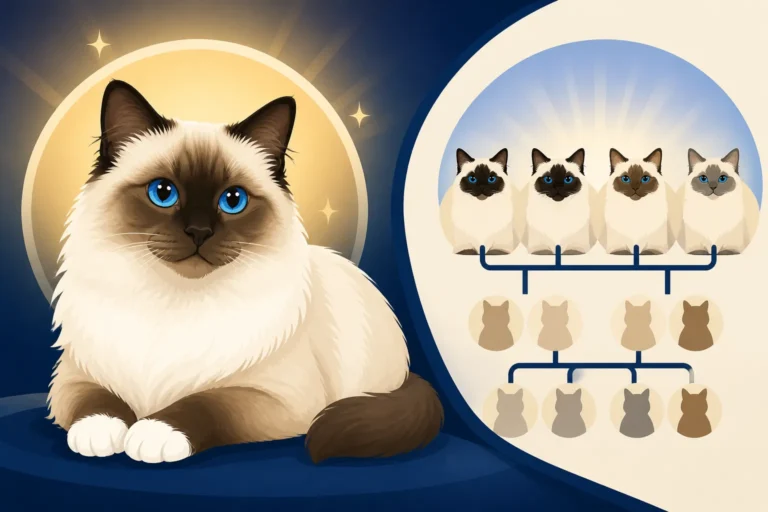
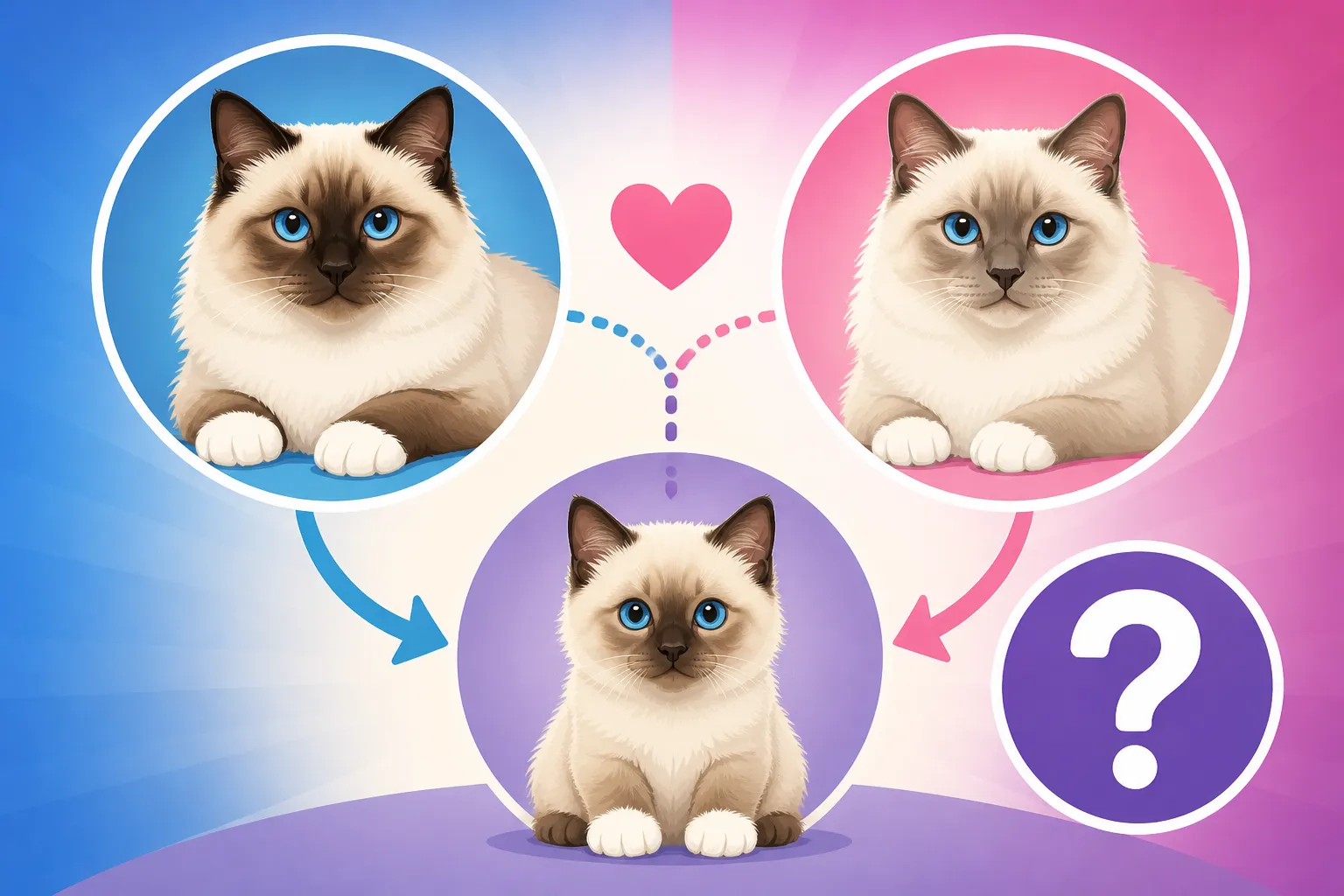
One of the most thrilling, and sometimes most frustrating, aspects of welcoming a Birman kitten into your home is watching their beautiful point colors and signature white gloves develop. Many prospective owners dream of a perfectly marked show cat, and it's natural to wonder if those ideal markings can simply be predicted by looking at the parents. The truth is, while genetics play a huge role, the exact manifestation of those stunning features is often a delightful, or occasionally heartbreaking, surprise, and this guide will delve into why that is, helping you understand the complexities of Birman markings.
The Genetic Blueprint: Understanding the Birman's Gloving Gene
When you look at a Birman, those crisp white paws, or "gloves," are undeniably their most distinctive characteristic, setting them apart from other pointed breeds. It's truly a marvel of genetics, and it's easy to assume such a specific trait would be straightforward to predict. However, the story behind those gloves, and indeed all their beautiful color points, is more intricate than you might imagine, involving a combination of specific genes and a dash of natural variability.
The KIT Gene and Its Unique Birman Variant
At the heart of the Birman's gloving lies a specific genetic variant in the KIT gene. This gene is responsible for many things in mammals, including aspects of coat color and white spotting. In Birmans, there's a particular mutation that is fixed within the breed, meaning every single Birman carries two copies of this specific variant. This is what fundamentally gives them their white feet. It's not like the typical spotting genes you see in many other breeds, where patches of white can appear anywhere; the Birman's variant specifically directs the white to the paws. How the Gloving Gene Works in a Birman
This "fixed" nature of the gloving gene is a double-edged sword for breeders and owners. On one hand, it guarantees that a Birman will always have some form of white on its feet. You won't get a fully pointed Birman without gloves, because the gene for gloving is always present. On the other hand, while the presence of gloves is assured, the quality and symmetry of those gloves are far from guaranteed. This is where the real challenge, and the mystery, begins.
How Point Color Genes Interact with Gloving
Beyond the white gloves, Birmans are also famous for their "point" coloration, where cooler parts of the body (face, ears, paws, tail) develop darker pigment, while the warmer body core remains lighter. This is due to the same temperature-sensitive gene found in Siamese and Himalayans. A Birman kitten is born completely white or cream because they develop in the uniform warmth of the womb; their points only begin to color once they are exposed to the cooler outside world. Why a Birman Kitten Is Born Almost White
The interaction between the gloving gene and the point color genes adds another layer of complexity. While the KIT variant dictates where the white can appear, the underlying point color (seal, blue, chocolate, lilac, red, tortie, tabby) determines the shade of the "points" themselves, including where the gloves should end. A perfect glove is a precise cut-off, often described as looking like the cat has dipped its paws in white paint. The clarity of this line, and the evenness across all four paws, is heavily influenced by how these genes, and other subtle modifiers, communicate during development.
The Unpredictable Canvas: Why Birman Markings Are So Variable
Even with a genetic test for the core gloving gene, you can't simply plug in the parents' DNA and get a printout of the future kitten's glove quality. This is because perfection in Birman markings isn't just about the presence of the gene; it's about the precision, symmetry, and ideal length of those white areas, and that's where a host of other, less understood, genetic factors come into play.
The Influence of Modifier Genes
Think of the primary gloving gene as the artist's canvas, setting the stage for white paws. Then, imagine countless other "modifier genes" as the subtle brushstrokes, influencing how precisely and evenly that white paint is applied. These modifier genes can affect the exact length of the front gloves, the symmetry between the left and right paws, and the crucial "laces" that run up the back of the hind legs. Which Modifier Genes Affect a Birman's Gloves
The issue is, these modifier genes aren't easily identifiable or testable. They might be numerous, each with a small effect, and their combined action creates the wide spectrum of glove quality seen in Birman litters. This is why even a breeding pair with impeccable show markings won't necessarily produce a litter full of perfectly gloved kittens. It's a genetic lottery on a micro-scale, where the slight variations in these modifiers can mean the difference between a champion and a beloved pet.
Environmental Factors and Developmental Nuances
While genetics are primary, we can't completely discount subtle environmental or developmental influences during gestation and early kittenhood. Things like maternal health, nutrition, or even slight variations in temperature in utero might play a minor, yet unquantifiable, role in how genes are expressed. Think of it like a blueprint: the genes provide the instructions, but the conditions during construction can affect the final finish.
For example, the overall size and bone structure of a kitten as it develops can subtly influence how the white fur patterns settle on the paws. Sometimes, what looks like a minor imperfection at birth might resolve itself somewhat, or conversely, a seemingly good marking might become less ideal as the kitten grows and its bones and musculature develop. This is part of why breeders often wait until kittens are older, typically around 8-12 weeks, before making final assessments on marking quality. How a Birman Kitten's Gloves Change as It Grows
The Breeder's Reality: Why Predicting Show Quality Is a Challenge
It's common for aspiring Birman owners to seek a "show quality" kitten, often with the idea that specific parentage guarantees this outcome. However, any reputable Birman breeder will tell you that predicting perfect markings is exceptionally difficult, even with generations of well-bred lines. This reality shapes their breeding decisions, their pricing, and their advice to potential buyers.
Even Champion Lines Produce Pet-Quality Kittens
It's a common misconception that if you breed two grand champions with perfect gloves, you'll get a litter of miniature champions. The reality is far more humbling for breeders. Due to those unpredictable modifier genes, and the sheer complexity of the trait, a champion pair will almost certainly produce kittens with varying degrees of glove quality. Some might have near-perfect gloves, others might have slightly uneven gloves, a "mismark" on one paw, or laces that run too high or too low. Why a Mismarked Birman Is a Pet Price Cat
This is why experienced breeders understand that even in the best lines, there will always be "pet quality" kittens alongside the "show quality" ones. They don't see these as failures, but simply as a natural outcome of genetic inheritance. These pet-quality kittens are still perfectly healthy, beautiful, and wonderful companions; their only "fault" is not meeting the extremely stringent aesthetic standards of the show ring. If you are looking to adopt a Birman kitten, don't be surprised if a breeder, even one using high quality products from a brand like Chewy for their kittens, emphasizes that exact show markings are never a guarantee.
The Waiting Game: When Birman Markings are Final
Unlike some traits that are evident at birth, a Birman's gloves and points continue to develop and solidify over several weeks and even months. Kittens are born almost entirely white, and their points gradually emerge as they grow and their body temperature stabilizes. The clarity and definition of their gloves also become clearer with time. What might look like a smudge at four weeks could become a clean line at eight, or vice versa. When a Birman Kitten's Gloves Are Final
Breeders typically assess glove quality multiple times throughout a kitten's early life. The most critical assessment often happens around 8 to 12 weeks of age, once the kitten has developed enough to give a clearer picture of its markings. This is usually when a breeder will start to make decisions about which kittens are "show potential" and which are destined for loving pet homes. This waiting period is crucial because it gives the breeder the best chance to accurately evaluate the kitten's future appearance. This is also why How a Breeder Prices a Birman at Twelve Weeks is often the first time you get a firm price.
Finding Your Future Champion (Or Perfect Pet Birman)
Given the complexities, how do you go about finding a Birman with potential show markings, or simply ensure you're getting a well-bred cat? It comes down to working with reputable breeders, understanding their process, and being realistic about predictions.
What to Look for in a Breeder
When you're searching for a Birman, especially if you have an interest in showing, the breeder is your most important resource. A reputable breeder will be transparent about their lines, their breeding goals, and the inherent unpredictability of glove markings. They won't promise you a champion, but they will explain what they look for and what their experience suggests about their lines.
Look for a breeder who:
- Health Tests Extensively: Beyond markings, health is paramount. Ensure they screen for genetic conditions like HCM and PKD, and can provide documentation. Healthy Paws and other pet insurance providers can give peace of mind for future health, but pre-screening from the breeder is critical. Which Tests Belong on a Birman Panel
- Provides Pedigrees and Registrations: This shows commitment to the breed standard and allows you to trace the lineage.
- Is Transparent About Markings: They should be able to show you photos of past kittens from their lines, and discuss the typical variations they see. They might also share information on how they score their kittens' gloves. How a Breeder Judges a Birman Kitten's Gloves
- Keeps Kittens for Sufficient Time: Kittens should ideally not leave their mother before 12-13 weeks, allowing their markings to develop and for proper socialization.
Evaluating a Kitten's Show Potential
When a breeder evaluates a kitten for show potential, they are looking at many factors beyond just the gloves, although the gloves are indeed paramount. They'll consider the overall type (head shape, ear set, body length), coat quality, eye color, and of course, the symmetry and definition of all four white paws.
Here's a simplified look at what judges (and breeders) look for:
| Feature | Ideal Show Standard | Common Variations (Pet Quality) |
|---|---|---|
| Front Gloves | Pure white, stopping evenly in a straight line at the joint. | Uneven lines, running too high or too low, "bar" on top of paw. |
| Rear Gloves | Pure white, stopping evenly at the joint, extending up the back of the leg in a "lace." | Laces uneven, too short, too long ("gauntlets"), or missing entirely on one leg. |
| Symmetry | All four gloves and laces are ideally balanced. | One glove significantly different from another, imbalance. |
| "Kissing Kisses" | (Not a marking, but a fault) Small dark spot on white glove. | Not present. |
| Point Color | Clear, well-defined points, even color. | "Smudging" of color into the body, faint points. |
Keep in mind that breeders are meticulously checking these points. You might think a kitten looks perfect, but a breeder's experienced eye will spot the subtle differences that determine show potential. They often hold back the best-marked kittens from a litter to evaluate them further for their own breeding programs or for show homes. Why a Birman Breeder Holds Back the Best Marked Kitten
Ultimately, whether you're hoping for a show-stopping Birman or simply a cherished companion, understanding the genetics behind their beautiful markings adds a layer of appreciation for these wonderful cats. The journey of watching their unique patterns unfold is part of the joy of Birman ownership, and perhaps a reminder that true beauty lies in the individual, perfect or not. Even if you're not planning to show, knowing about these traits helps you choose a kitten whose appearance you adore for its own sake, and provides insight into the immense effort breeders put into maintaining the Birman standard. And when it comes to feeding such a precious cat, many owners trust premium food to keep their coats shining.
Disclaimer
This article is for general informational purposes only and does not constitute professional advice. Laws, prices and regulations vary by location and change over time. Consult a qualified professional for guidance on your specific situation.