When a Birman Kitten’s Gloves Are Final
Bringing home a Birman kitten is such an exciting time! You've likely spent weeks, if not months, watching pictures and videos, imagining that fluffy little bundle pouncing around your living room. But one of the most common questions, and often a source of delightful anticipation (and sometimes a tiny bit of anxiety!) for new Birman parents, revolves around those iconic white gloves: when, exactly, will they be "final"? It's a journey, not a single moment, and understanding this process can help you appreciate your kitten's unique development. This guide will walk you through the fascinating transformation of a Birman's paws, from those first fuzzy weeks to the point where their distinctive markings are fully established.
The Mystique of Birman Gloves and Early Development
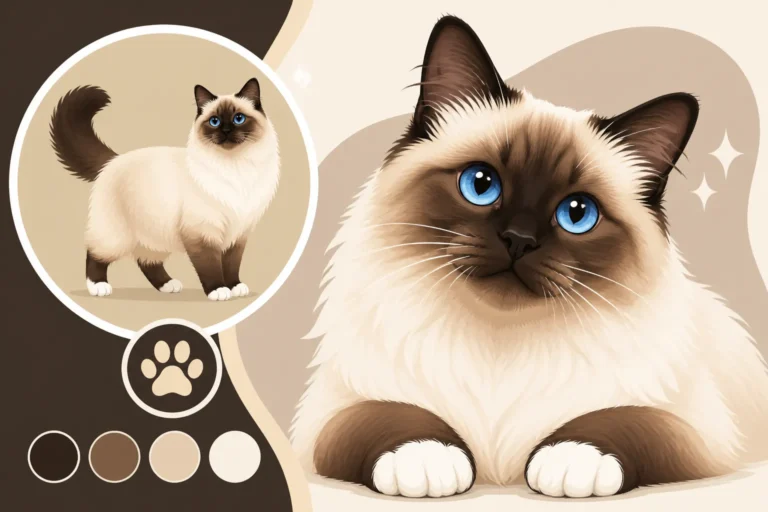
The Birman cat is renowned for many things – its stunning blue eyes, its silky single coat, and of course, its gentle, affectionate nature. But perhaps nothing is quite as defining, or as celebrated in the breed standard, as those perfectly symmetrical white 'gloves' on all four paws, ideally complemented by 'laces' running up the back of the hind legs. These unique markings are truly what set the Birman apart, making them instantly recognizable and utterly captivating.
What Makes Birman Gloves So Unique?
Birman gloves aren't just pretty; they're a hallmark of the breed, ingrained in its very history and legend. The story goes that these cats were temple guardians in ancient Burma, and a divine intervention bestowed upon them their sapphire eyes and pure white paws as a symbol of purity and grace. While the legend is beautiful, the reality lies in a specific genetic trait. Every Birman carries two copies of The Gloving Gene Every Birman Carries Two Copies Of, which is responsible for these distinct white markings. This gene interacts with the cat's colorpoint genetics, which dictates where color develops based on temperature. The combination creates a visually striking contrast that breeders strive to perfect, knowing that even slight imperfections can differentiate a show cat from a beloved pet.
The challenge for breeders, and the fascination for owners, is how these gloves develop. They aren't simply "there" from birth in their final form. Instead, they emerge and refine over time, making the early weeks of a kitten's life a period of careful observation. For many prospective owners, the perceived perfection of these gloves often dictates pricing, which is why understanding their development is key. When assessing the cost of a Birman, factors like the precision of the gloves, the symmetry, and the length of the 'laces' on the back feet are paramount. A kitten with impeccable gloves, mirroring the breed standard, will naturally command a different price point than one with less distinct or uneven markings. This is a common point of discussion, and often, what constitutes Why a Mismarked Birman Is a Pet Price Cat is simply a charming variation rather than a flaw in personality or health.
The Birman Kitten's Early White Start
If you've ever seen a newborn Birman kitten, you might have been surprised by its appearance. Unlike older Birmans with their distinct points, a tiny Birman kitten is born almost entirely pure white, or a very pale cream. It’s an adorable sight, but quite different from the regal adults we envision. This initial paleness is due to the same temperature-sensitive gene that creates their pointed coloration in the first place. Inside the warmth of the womb, the kitten's body temperature is uniform, preventing the color pigment from developing.
As the kitten grows and is exposed to the cooler external environment, its extremities – the points of its body like the ears, face, paws, and tail – begin to cool down. This cooling allows the pigment to develop, gradually darkening these areas over the first few weeks and months of life. It’s a slow, magical reveal. The first subtle signs of this transformation often appear as a slight darkening on the tips of their ears and the very end of their tiny tails. Their little paws, however, remain a bright, pristine white, hinting at the gloves to come. This initial blank canvas is why monitoring glove development is such a specific and eagerly anticipated part of watching a Birman kitten mature. The waiting game is part of the joy, as you anticipate those beautiful markings taking shape.
The Timeline of Glove Development in Birman Kittens
The journey of a Birman kitten's gloves is a gradual unveiling, often marked by subtle changes from week to week. It's not like flicking a switch; it's more like watching a photograph slowly develop in a darkroom. Patience is truly a virtue when it comes to observing these specific markings.
Weeks 0-4: The Barely-There Phase
In the very first weeks of a Birman kitten's life, the focus is purely on their health, growth, and bonding with their mother and littermates. Their paws, while white, don't yet display any clear definition of what will eventually become their distinctive gloves. At this stage, they are simply tiny, unpigmented paws. A breeder will be looking at overall health and vigor – ensuring the kittens are feeding well, gaining weight, and reaching early developmental milestones.
While the white paws are present, the precise line between the white and the developing point color isn't established. You won't see crisp, even lines or distinct "laces" climbing up the back legs. It's just a general whiteness that extends further up the leg than the mature glove will. This early stage is all about potential, not final presentation. Trying to predict the exact quality of the gloves at this point would be akin to guessing the final masterpiece from a faint pencil sketch. Breeders might have a general idea based on the parentage and previous litters, but concrete assessments are still a long way off.
Weeks 5-8: Hints of Definition Emerge
As Birman kittens approach the two-month mark, around weeks 5 to 8, you'll start to notice more discernible hints of their future gloves. The point coloration on their ears, faces, and tails will be more apparent, providing a clearer contrast to the white on their paws. This is when the white areas on the paws begin to retract slightly, or rather, the color begins to creep further down the leg, starting to define the upper edge of where the glove will sit.
However, even at this stage, the gloves are rarely "perfect" or fully formed. They might appear a bit smudgy, uneven, or still too high or too low. It’s a transitional period where the underlying genetics are truly starting to express themselves in a more visible way. This is often the time when breeders start to get a better sense of which kittens might have show potential versus those who will make magnificent, albeit pet-quality, companions. It's a tricky assessment, as some kittens develop quickly, while others take their sweet time. This complexity is one of the reasons Why a Birman Kitten's Gloves Are Clearest at Eight Weeks, making this a key observation window. Still, it's not the absolute final word, but rather an important checkpoint.
Weeks 9-12: The Critical Assessment Period
This period, typically from nine to twelve weeks, is arguably the most crucial for assessing a Birman kitten's gloves. By now, the point coloration on the body should be much clearer, and the contrast with the white gloves is significantly more defined. The white on the paws should have settled into its more permanent position, and breeders can begin to judge the symmetry, height, and overall shape of the gloves. The "laces" on the hind legs, if they are going to be present and well-formed, will also be much more evident.
This is when the serious evaluations happen. Breeders will look for crisp, clean lines where the white meets the color. They'll assess how evenly the gloves appear on each front paw, and how well the laces match in length and width on the back paws. A truly outstanding set of gloves will be symmetrical, end at the correct height on the front paws (ideally just above the paw pad), and have distinct, even laces that don't extend too high up the leg. Kittens with these exceptional markings might be considered for show or breeding programs, while those with minor imperfections, such as uneven gloves, 'runners' (streaks of white up the leg), or 'gauntlets' (white extending too high up the leg), will typically be sold as pet-quality companions. This is often when a breeder determines How a Breeder Prices a Birman at Twelve Weeks, as the markings play such a significant role.
Factors Influencing Glove Finality and Appearance
While the core gloving gene is a given for every Birman, the expression of those beautiful white paws isn't a simple "on/off" switch. There's a fascinating interplay of genetics and environment that shapes the final appearance of a kitten's gloves, making each Birman truly unique.
Genetics: The Unseen Architect of Glove Perfection
At the heart of glove development is genetics. We know all Birmans carry the gloving gene, but there are also modifier genes at play. These are like tiny genetic tweaks that influence how the primary gloving gene expresses itself. They can affect the crispness of the white line, the height of the gloves, the symmetry between paws, and the precise length and evenness of the laces on the hind legs. This is why even within the same litter, you can see a wide spectrum of glove quality, from near-perfection to those charmingly idiosyncratic markings that make a kitten undeniably "pet quality."
The presence of these modifier genes is precisely why Glove Genetics Are Unpredictable in a Birman. A breeder can pair two cats with excellent gloves and still produce kittens with varied markings, and vice-versa. It's a testament to the complexity of inheritance. Responsible breeders carefully study pedigrees and the glove quality of their breeding cats, generation after generation, striving for consistency. They'll often keep detailed records and photos of kittens from previous litters to understand patterns and predict outcomes better. However, even with the most meticulous planning, nature always has a few surprises up its sleeve. This ongoing genetic puzzle is part of what makes Birman breeding both challenging and incredibly rewarding.
Environment and Nutrition's Subtle Role
While genetics are undoubtedly the primary driver behind the formation of a Birman's gloves, environmental factors and nutrition can play a subtle, indirect role in their appearance and overall coat health, which in turn affects how the gloves are perceived. The most direct environmental factor influencing Birman coloration is temperature. As mentioned earlier, the point color develops in cooler areas of the body. While gloves themselves are genetically white, their contrast with the darker points is crucial. If a kitten is kept in an unusually warm environment, its points might develop more slowly or be lighter in shade, which can make the white gloves appear less distinct simply due to less contrast.
Beyond temperature, general health and nutrition are vital for overall coat quality. A healthy kitten with a rich, silky coat will have more vibrant point coloration and the white of its gloves will appear clearer and brighter. Conversely, a kitten that isn't receiving optimal nutrition might have a duller coat, which could make the lines of the gloves seem less defined. Providing a high-quality, balanced diet rich in essential nutrients, particularly omega fatty acids, contributes to a luxurious coat and healthy skin. Specialized kitten formulas are often designed to support healthy growth and a gleaming coat. While these foods won't change the genetic blueprint of the gloves, they ensure the kitten's coat is in peak condition to showcase its beautiful markings. Remember, maintaining the pristine white of the gloves also involves practical aspects, and considering Why a Birman Needs a Litter That Does Not Stain is a small but important detail in their daily care.
When a Breeder Calls It "Final" and What That Means for You
The moment a Birman breeder makes their final assessment of a kitten's gloves is a significant one. It's the culmination of weeks of observation, genetic understanding, and anticipation. This decision shapes the kitten's future, influencing whether it's destined for the show ring, a breeding program, or a loving pet home.
The Breeder's Decision-Making Process
For a Birman breeder, assessing a litter's gloves is a serious business. It’s not just about aesthetics; it reflects the success of their breeding program and their adherence to the breed standard. Typically, the most definitive assessment happens between 10 to 13 weeks of age, although some breeders prefer to wait a little longer, up to 16 weeks, to be absolutely sure. During this time, the point colors have settled significantly, and the white gloves are as developed as they're going to get. Breeders meticulously examine each paw, comparing them against the detailed standards set by feline registries. They look for symmetry, the crispness of the white line, the appropriate height of the front gloves, and the evenness and length of the 'laces' on the hind paws.
Kittens deemed "show quality" will meet these criteria almost perfectly. These are the kittens that a breeder might decide to keep for their own program or sell to another reputable breeder with breeding rights. However, the vast majority of kittens, even from top lines, will be designated "pet quality." This doesn't mean they are any less healthy, loving, or beautiful; it simply means their gloves have minor imperfections that would penalize them in a show ring. Perhaps one glove is slightly higher than the other, or a lace isn't quite symmetrical. This is why Why a Birman Breeder Holds Back the Best Marked Kitten is a common practice, as these select few are critical for the future of their lines. Pet-quality kittens are sold with strict neuter/spay contracts, ensuring they are not used for breeding, thereby protecting the breed standard.
Pet vs. Show Quality: Understanding the Differences
Understanding the distinction between pet and show quality is crucial for anyone looking to bring a Birman into their home. A "show quality" Birman will possess gloves that are as close to perfection as genetically possible. This means:
- Front Gloves: Pure white, ideally ending in a perfectly straight line just above the paw pad, with absolute symmetry between the two front paws.
- Rear Gloves/Laces: Pure white gloves on the hind paws, extending up the back of the leg in a symmetrical "lace" or "gauntlet" shape, usually ending at the hock or slightly above, with even length and width.
- Absence of Faults: No 'runners' (streaks of white extending too high up the leg), no unevenness, no discolored patches within the white.
Conversely, a "pet quality" Birman, while still possessing beautiful white gloves, will have some variations from this ideal. These can include:
- Uneven Gloves: One front glove might be slightly higher or lower than the other.
- Asymmetrical Laces: The 'laces' on the hind legs might differ in length, width, or shape.
- Gauntlets: The white on the hind legs might extend too far up, past the hock, which is considered a fault.
- Small Runners or Spots: Tiny streaks or spots of white outside the defined glove area.
These minor differences are purely cosmetic and do not impact the cat's health, temperament, or ability to be a wonderful companion. Yet, they significantly affect the kitten's price. This is why you'll often see that One Birman Litter Spans Two Thousand Dollars in Price, with the most perfectly marked kittens at the top of that range. Many owners find the unique "mismarks" on their pet-quality Birmans endearing, giving their cat even more personality!
Living with "Final" Gloves: No More Changes, But Continued Care
Once your Birman kitten's gloves have been assessed by the breeder and are considered "final," you can rest assured that they won't undergo any dramatic changes in their markings. The lines are set, the white is established, and you know what those beautiful paws will look like for the rest of your cat's life. While the overall point color will continue to darken slightly as the cat ages or if it lives in a cooler environment—you might notice Caring for a Birman Once Its Points Have Gone Dark over time—the defined white areas of the gloves themselves will remain stable.
However, "final" doesn't mean "maintenance-free." Those lovely white gloves, particularly on a curious, playful cat, can get dirty! Regular attention will keep them looking pristine. This includes routine grooming to prevent mats in their silky coat, especially around the paws where dirt can accumulate. You might find yourself occasionally wiping their paws after a vigorous litter box session or an adventurous romp through the house. Investing in a good quality, low-dust litter, as discussed in Why a Birman Needs a Litter That Does Not Stain, can also help immensely in keeping those white feet sparkling.
Beyond aesthetics, remember that owning a Birman is a long-term commitment, often spanning The Twelve to Sixteen Years a Birman Usually Gets. Throughout their life, whether they have show-perfect gloves or charming quirks, they will need consistent care, including regular vet check-ups, quality nutrition, and plenty of love. Thinking ahead about potential health costs, such as those that contribute to What Keeping a Birman Costs Every Year, is wise. Many owners consider pet insurance from providers like Healthy Paws to help manage unforeseen veterinary expenses, ensuring their cherished Birman receives the best possible care throughout its long and happy life, regardless of its glove perfection.
| Age Range | Glove Development Status | Breeder Assessment | Owner Observation Focus |
|---|---|---|---|
| 0-4 Weeks | Paws are generally white, no distinct glove lines. | Overall health, vigor, early growth milestones. | General appearance, ensuring healthy development. |
| 5-8 Weeks | Hints of definition appear; white areas start to settle. | Preliminary assessment; identifying potential show cats. | Observing the emerging contrast between white and points. |
| 9-12 Weeks | Gloves become clearer, lines more defined, laces visible. | Critical assessment for pet vs. show quality. | Noticing symmetry, crispness, and lace development. |
| 13-16+ Weeks | Gloves are largely "final" in their pattern. | Final placement for homes; contracts established. | Consistency of markings, maintaining cleanliness. |
| Adult Birman | Glove pattern is fixed, point color deepens with age. | N/A (assessment complete). | Ongoing care, grooming, and celebrating unique markings. |
Disclaimer
This article is for general informational purposes only and does not constitute professional advice. Laws, prices and regulations vary by location and change over time. Consult a qualified professional for guidance on your specific situation.