What a Birman Kitten Has Had Done by Thirteen Weeks
Bringing home a new Birman kitten is such an exciting time, but it’s also completely normal to feel a little overwhelmed by everything your new furry family member has experienced in their first few months. You might wonder exactly what vaccinations they've had, what kind of early training they’ve received, and what health checks a responsible breeder completes before a kitten is ready for its forever home. This guide is here to demystify those crucial first thirteen weeks, giving you a clear picture of the comprehensive care and development your Birman kitten has undergone.
The Crucial Early Weeks: Foundations of Health and Temperament
Those first few weeks of a Birman kitten's life are absolutely foundational, setting the stage for their health, personality, and overall well-being. It’s a period of rapid growth and learning, mostly under the watchful eye of their mother and, of course, a dedicated breeder. This isn't just about cute cuddles; it’s about critical development that shapes the cat they will become.
From the moment they are born, Birman kittens are almost entirely white, with their beautiful point colors only just beginning to faintly emerge. Why a Birman Kitten Is Born Almost White explains more about this fascinating process. By the time they're a few weeks old, their striking blue eyes are open, and they're starting to explore their immediate surroundings, wobbly at first, then gaining confidence on their little padded feet.
Initial Health Checks and Vaccinations
A responsible Birman breeder will have their kittens undergo several veterinary checks during these early weeks. The very first check is often within days of birth, ensuring there are no obvious congenital issues and that all the kittens are nursing well and gaining weight. This initial visit is a rapid assessment of their general health. The vet will check heart sounds, listen to lungs, and make sure their little tummies are soft and free of any lumps or tenderness.
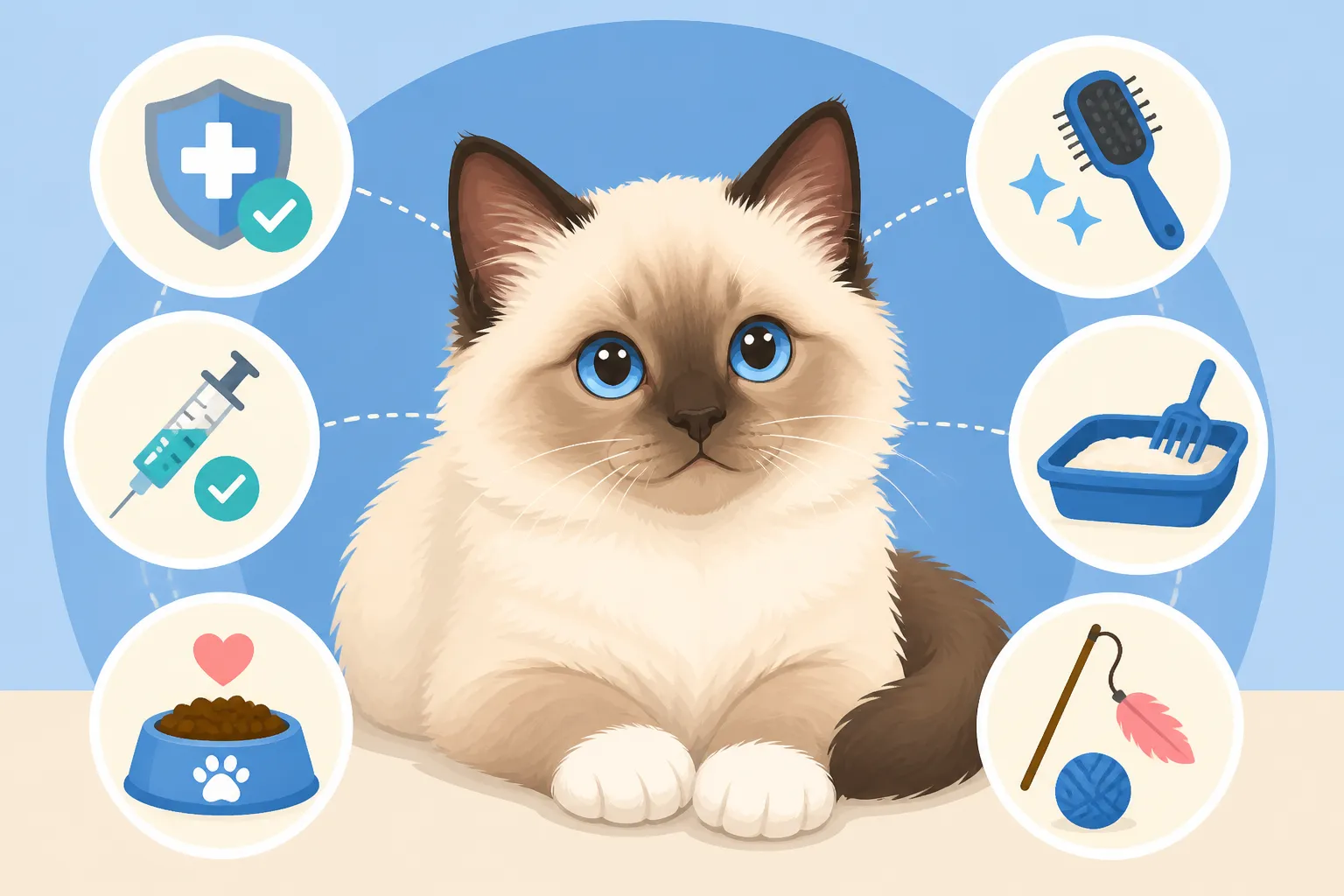
As the kittens grow, typically around 6-8 weeks, they'll have their first round of core vaccinations. This is a critical step in building their immunity against common feline diseases. These initial shots usually cover conditions like feline panleukopenia (distemper), feline herpesvirus, and feline calicivirus. Along with vaccinations, kittens will receive their first dose of deworming medication. Parasites are unfortunately very common in young animals, and regular deworming is essential to keep them healthy and growing. The breeder will also likely begin a preventative flea and tick regimen, ensuring the kittens are protected even before they leave for their new homes.
It's also at this stage that a good breeder will often start to gently introduce handling for things like nail trims and ear checks, making future vet visits and grooming sessions much less stressful for your kitten. How to Handle a Birman Kitten From Day One dives deeper into the importance of early, positive handling experiences.
Socialization and Early Learning
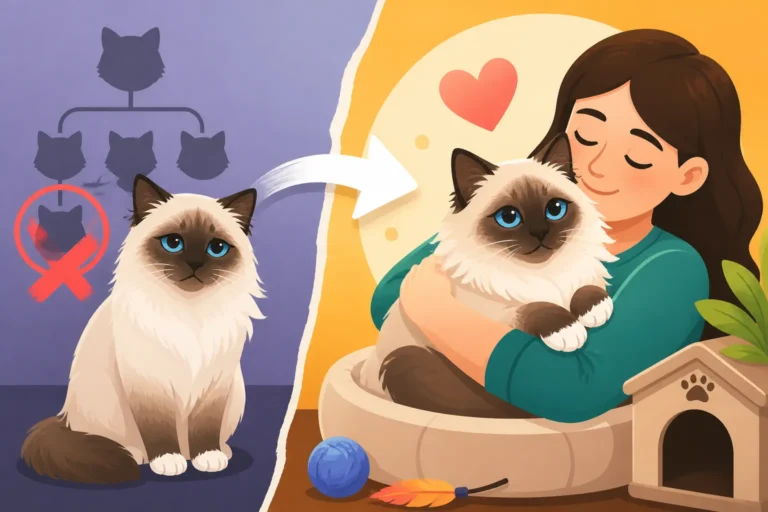
Beyond the essential medical care, the first weeks are paramount for a Birman kitten's social development. Kittens learn so much from their mother and littermates – how to play gently, how to interpret feline body language, and even basic self-grooming. A good breeder ensures that kittens remain with their mother for as long as possible, ideally until at least 12-13 weeks, because this extended time is vital for learning appropriate social behaviors and bite inhibition.
During this period, the kittens are also introduced to human interaction. They’re regularly handled, played with, and exposed to the normal sights and sounds of a household. This early, positive exposure helps them develop into confident, friendly adults. Imagine a kitten that’s only ever been in a quiet backroom; they would likely be much more timid and fearful in a bustling family home. Instead, a well-socialized Birman kitten will come to you curious and calm, ready to integrate into your life.
Litter training also begins very early. Most Birman kittens are already reliably using a litter box by 4-5 weeks old, simply by mimicking their mother. The breeder will have chosen a cat-friendly, low-dust litter, important for their delicate respiratory systems and also to help keep their pristine white gloves clean. Why a Birman Needs a Litter That Does Not Stain has more insights on this.
Preparing for the Forever Home: Weeks 9-13
As your Birman kitten approaches the 13-week mark, a lot of significant preparations are made to ensure they are robust, well-adjusted, and legally ready to leave their breeder. This period is a flurry of activity, ensuring all necessary health protocols are completed and that the kitten has the best possible start in its new life.
Second Round of Vaccinations and Parasite Control
Around 10-12 weeks of age, your Birman kitten will receive their second, and often final, set of core vaccinations. These booster shots are crucial because the immunity passed on from their mother (maternal antibodies) can interfere with the effectiveness of the first round of vaccines. The boosters ensure a strong, long-lasting immune response. Depending on your region and the vet's recommendations, they might also receive a vaccination for feline leukemia virus (FeLV), especially if there's any chance they might interact with other cats whose vaccination status is unknown in the future.
At this stage, another round of deworming is also typically administered, as well as continued flea and tick prevention. It's all about ensuring your kitten is as healthy and parasite-free as possible before the big move. When you bring your kitten home, your vet will discuss an ongoing parasite prevention plan, which might include monthly topical treatments or oral medications. Brands like Chewy offer a wide range of these preventative products, making it easy to keep up with your kitten's needs.
Microchipping and Official Paperwork
Before leaving the breeder, your Birman kitten will almost certainly be microchipped. This tiny chip, inserted under the skin between the shoulder blades, is a permanent form of identification. It's a lifesaver if your cat ever gets lost. The breeder will register the chip in their name initially, and then you, as the new owner, will be responsible for transferring ownership into your details. This is an essential step for responsible pet ownership.
Alongside the microchip, you'll receive a folder full of important documents. This includes their pedigree papers, registration certificates with the relevant cat associations, and crucially, their vaccination record. This record will detail every vaccine administered, when it was given, and when boosters are due. It will also typically list deworming dates and possibly records of genetic testing performed on the parents. Why FOXN1 Results Belong on a Birman's Paperwork highlights how important these documents are for understanding your kitten’s genetic health background. You might also receive a health guarantee from the breeder, outlining their commitment to the kitten's well-being.
Grooming and Handling Foundation
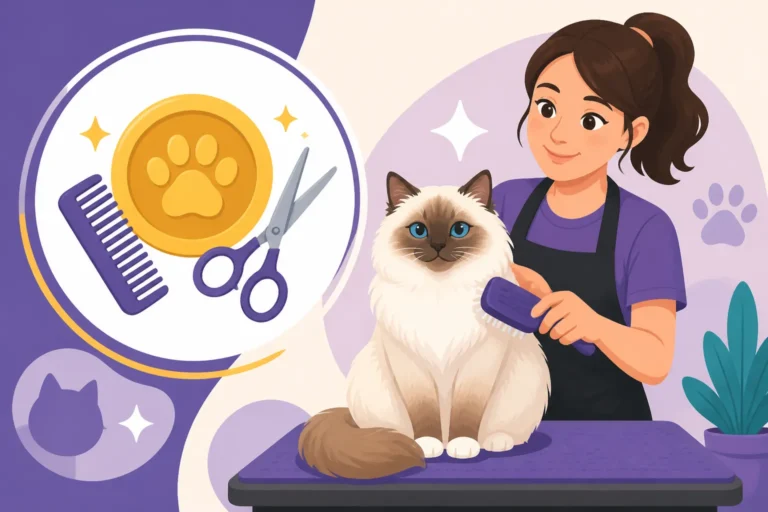
A good breeder will have gently introduced grooming from an early age. This means your Birman kitten will likely be accustomed to being brushed with a soft comb, having their paws handled for nail trims, and even having their ears gently cleaned. This early exposure makes a world of difference. It transforms grooming from a potentially scary experience into a routine, even enjoyable, bonding time for you and your cat.
By 13 weeks, your kitten should tolerate a quick daily comb-through without a fuss. This gentle grooming helps maintain their beautiful, silky coat and prevents mats from forming, especially around their ruff and britches. How to Start Combing a Birman Kitten offers great tips for continuing this routine. They should also be familiar with having their nails clipped, a task that becomes much easier when started young. Some breeders even begin to introduce kittens to a soft toothbrush and cat-specific toothpaste, laying the groundwork for good dental hygiene which is so important for Birmans. Introducing a Toothbrush to a Birman Kitten provides guidance on this.
The Breeder's Role: Ensuring a Healthy Start
A responsible Birman breeder isn't just selling kittens; they're investing in the future health and temperament of the breed. Their practices during these first thirteen weeks are paramount, showcasing their commitment to ethical breeding and ensuring each kitten is robust, well-socialized, and free from known genetic health issues before it joins its new family. This commitment is what truly distinguishes a reputable breeder.
Genetic Testing and Health Guarantees
One of the most critical aspects of a reputable breeder's work is genetic health screening. For Birmans, this includes testing breeding cats for conditions like Feline Hypotrichosis with Thymic Aplasia, also known as FOXN1. This recessive genetic disorder can cause kittens to be born bald and have a compromised immune system, leading to a very short lifespan. Understanding What FOXN1 Does to a Birman Kitten is vital for any prospective owner. Breeders should also test for Polycystic Kidney Disease (PKD1), a hereditary kidney condition often seen in breeds with Persian ancestry, as Why a Birman Breeder Still Tests for PKD explains. You should always ask for proof of these genetic tests for both parents.
Beyond genetic tests, good breeders often have their breeding cats regularly screened for Hypertrophic Cardiomyopathy (HCM) via echocardiograms. While there's no genetic test for HCM in Birmans, regular scans help breeders make informed decisions to minimize the risk in their lines. These rigorous health checks provide a foundation of confidence that your kitten comes from healthy lineage. Any reputable breeder will provide written documentation of these test results and offer a health guarantee, often covering specific genetic conditions for a certain period after purchase.
Nutrition and Weaning Progress
By 13 weeks, your Birman kitten will be fully weaned from its mother's milk and eating solid food with gusto. The breeder will have carefully managed this transition, gradually introducing high-quality kitten food that supports their rapid growth and development. They will have been fed a consistent diet, likely a combination of wet and dry food, chosen to provide all the necessary nutrients for a growing Birman. You should be given a detailed feeding schedule and a supply of the food your kitten has been eating, to help with a smooth transition.
It’s important to stick to this diet initially to avoid upsetting your kitten’s sensitive stomach. If you plan to switch foods, do so very gradually over several days or even a week, mixing increasing amounts of the new food with decreasing amounts of the old. Many breeders recommend specific high-protein, nutrient-dense formulas. You might look into fresh, high-quality food or the wide variety of premium kitten foods available. This careful attention to nutrition in the early weeks helps ensure strong bones, healthy development, and that beautiful, silky Birman coat.
Behavioral Observation and Matching
A skilled breeder spends a great deal of time observing each kitten's individual personality. They know which kitten is the bold adventurer, which is the quiet observer, and which is the playful cuddler. This allows them to make informed recommendations, helping match the right kitten to the right family. If you have a busy household with children, they might suggest a more outgoing kitten; for a quieter home, perhaps a more reserved one. Why a Birman Picks One Person and Still Likes Everyone offers insights into their lovely temperament.
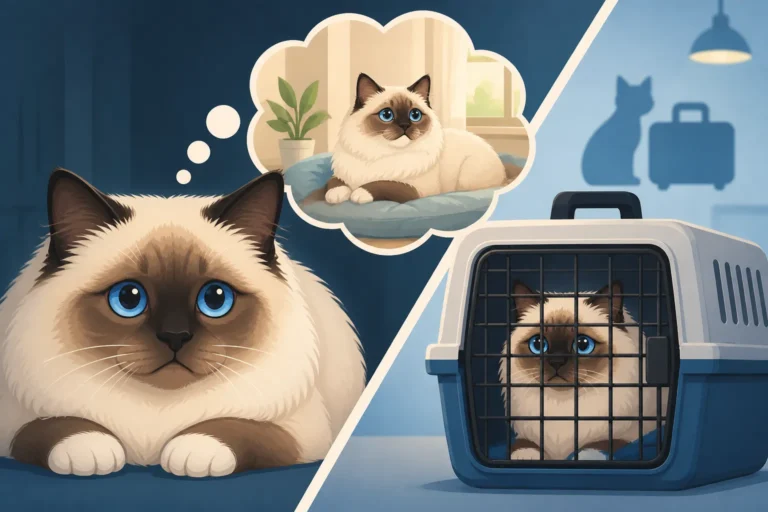
The breeder also works to prepare the kitten for the actual move. This might involve gradually introducing them to a carrier for short periods, helping them associate it with positive experiences rather than just vet visits. They'll also ensure the kitten is comfortable with being handled by various people, accustomed to household noises, and generally confident. All these efforts culminate in a kitten that is not just physically healthy, but also mentally robust and ready to thrive in its new home.
| Aspect of Care | Week 1-8 (Early Development) | Week 9-13 (Pre-Adoption Preparation) | Importance for New Owners |
|---|---|---|---|
| Health Checks | Initial vet check (days old), first vaccinations (6-8 wks), first deworming. | Second vaccinations (10-12 wks), booster shots, continued deworming/parasite control. | Ensures foundational immunity; provides clear vaccination record. |
| Socialization | Learning from mom/littermates, gentle human handling, exposure to household sounds. | Continued positive human interaction, introduction to carrier, varied experiences. | Cultivates a friendly, confident, and well-adjusted cat. |
| Weaning/Nutrition | Nursing from mom, gradual introduction of high-quality kitten food. | Fully weaned onto solid food, consistent feeding schedule, familiar diet. | Provides optimal growth; ensures dietary stability upon arrival. |
| Genetic Screening | Breeder tests parents for FOXN1, PKD1. | Results available; documentation provided with kitten. | Minimizes risk of hereditary diseases; informs future vet care. |
| Microchipping | Not typically done. | Microchipped, initial registration by breeder. | Essential permanent ID for safety and reunification if lost. |
| Grooming Foundation | Gentle handling of paws, ears, initial soft brush. | Regular combing, nail trims, potential toothbrush introduction. | Reduces stress for future grooming; prevents matting and dental issues. |
| Paperwork | No specific paperwork for kittens. | Pedigree, registration, health certificate, vaccination record. | Verifies purebred status, health history, and ownership details. |
Knowing what your Birman kitten has had done by thirteen weeks helps you appreciate the dedication of a good breeder and feel confident in continuing their excellent start. As you settle into life with your new companion, remember that ongoing vet care and proper nutrition are key to a long and happy life together. It's also wise to consider pet insurance from providers like Healthy Paws early on, as it can help cover unexpected vet costs throughout your Birman's life, especially for a breed with specific health considerations.
Disclaimer
This article is for general informational purposes only and does not constitute professional advice. Laws, prices and regulations vary by location and change over time. Consult a qualified professional for guidance on your specific situation.