Whether a Birman’s Chip Is Registered to You or the Breeder
Bringing home a beautiful Birman kitten is such an exciting time, filled with dreams of cuddles and playful antics. But amidst the joy, you're also juggling a lot of new responsibilities, and it's easy to get a bit overwhelmed by all the paperwork and details, especially when it comes to something as vital as their microchip. Many new Birman parents wonder whose name that tiny chip is actually registered under – the breeder's or theirs – and this guide is here to clear up that confusion and walk you through exactly what needs to happen to keep your precious feline friend safe and sound.
The Initial Registration: Breeder's Responsibility or Yours?
When it comes to microchips, there's often a bit of a handover period, and it's not always a clear-cut "either/or" situation from day one. Understanding this transition is key to ensuring your Birman's safety from the moment they join your family.
Why Breeders Often Register First Temporarily
Responsible Birman breeders put a lot of time, love, and resources into their kittens. They are meticulous about their health, temperament, and ensuring they go to the best possible homes. Part of this responsibility often includes microchipping the kittens before they leave, usually around the time of their first vaccinations, which typically happens well before the Why a Birman Kitten Leaves at Thirteen Weeks mark.
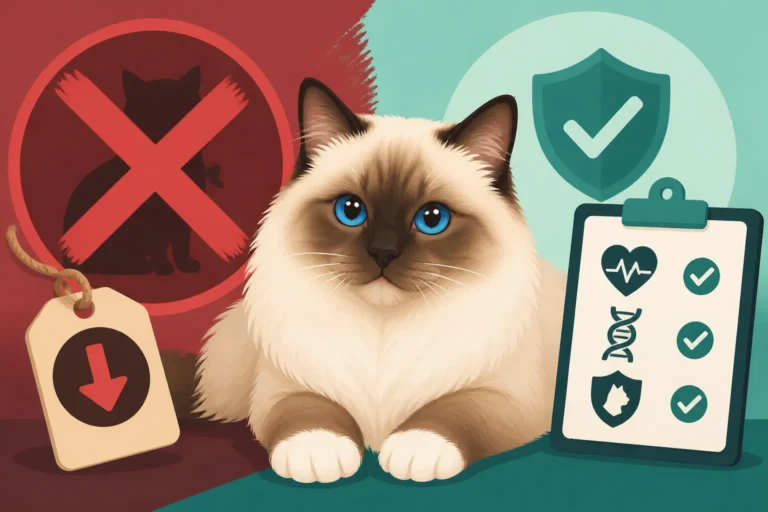
It's very common for a breeder to register the microchip in their own name or their cattery's name initially. Think of it as a temporary safety net. This practice serves several crucial purposes for the breeder. Firstly, it provides immediate identification and proof of ownership while the kittens are still under their direct care. Should a kitten somehow go missing before it's adopted, the chip ensures it can be traced back to the cattery. Secondly, it can act as a safeguard against potential issues if a sale falls through or if there are unforeseen complications before the kitten is fully settled with its new family. It’s a way for them to maintain a degree of responsibility and control during that vulnerable transitional period, ensuring the kitten's welfare.
The Importance of Immediate Transfer
While the breeder might initiate the microchip registration process, and sometimes even keep it temporarily in their name, the absolute critical step for you as the new owner is to ensure the microchip is swiftly and accurately transferred into your name. This isn't just a formality; it's a lifeline for your Birman. Your breeder should provide you with all the necessary documentation and guidance to complete this transfer, or they might even handle the initial transfer process themselves, making sure your details are added as the primary contact right away. When a Birman Is Chipped in the Breeder's Schedule is usually part of the comprehensive care schedule your Birman kitten receives before coming home.
You simply cannot afford to assume the breeder's initial registration is sufficient. If your Birman ever gets lost, rescue centers or veterinary clinics will scan the microchip. If it leads back to the breeder, there will be delays in reuniting you with your beloved pet while they try to contact the breeder, and the breeder then tries to contact you. These delays can be stressful, scary, and potentially dangerous for your Birman. Take ownership of this task immediately upon bringing your kitten home; it's one of the most important things you'll do for their safety.
Understanding the Microchip Registration Process for Your Birman
Navigating the world of microchips can seem a little confusing at first glance, but once you understand the basics, it's quite straightforward. It’s a critical piece of modern pet care that every Birman parent needs to master.
The Microchip Itself: What It Is and Isn't
Let's demystify the microchip for a moment. This tiny device, about the size of a grain of rice, is implanted painlessly under your Birman's skin, usually between the shoulder blades. It's a passive transponder, meaning it doesn't have a battery or move on its own. It doesn't transmit any signal, nor is it a GPS tracker. Its sole function is to store a unique identification number.
When a scanner is passed over your Birman's skin, it emits a low-frequency radio wave that activates the microchip, causing it to transmit its ID number back to the scanner. That's it! This number is then checked against a national database to find the registered owner's contact information. This means the microchip itself is just a serial number; it's the registration of that number in a database that makes it useful. Without proper registration and up-to-date contact details, the microchip is essentially a useless piece of technology, no matter how securely implanted it is.
Steps to Transfer or Register Your Birman's Chip
Getting your Birman's microchip registered in your name is a crucial step for their safety. Here's a clear, step-by-step guide to make sure it's done correctly:
- Obtain the Microchip Number: Your Birman breeder should provide you with the microchip number. This will usually be on the kitten's health record, vaccine card, or a specific microchip registration form. Don't be shy about asking for this if it's not immediately apparent when you're going through Which Certificates a Birman Breeder Hands Over With the Kitten.
- Identify the Registration Database: Along with the microchip number, the breeder should tell you which microchip registry or database the chip is currently associated with. Common registries include AVID, HomeAgain, PetLink, or sometimes a breed-specific or regional database. This information is vital, as you need to register with the correct organization.
- Initiate the Transfer:
- Breeder-Initiated Transfer: Often, breeders will fill out a transfer form with your details and send it directly to the registry. You might then receive a confirmation email or letter, at which point you'll need to verify the information and possibly pay a small transfer fee.
- Owner-Initiated Registration/Transfer: If the breeder provides you with the microchip number and tells you to register it yourself, you'll need to visit the designated registry's website. Look for sections like "New Pet Registration" or "Transfer Ownership." You'll create an account, enter the microchip number, your personal contact information (name, address, phone numbers, email), and often an alternate contact person.
- Pay Any Applicable Fees: Most registries charge a one-time registration fee or an annual renewal fee. This fee covers the cost of maintaining the database and providing customer support. Ensure these fees are paid to keep your Birman's registration active.
- Confirm and Verify: Once you've completed the process, double-check all your information. Some registries will send you a certificate or confirmation via email or postal mail. Keep this documentation in a safe place, perhaps with your Birman's Why a Birman's Weight Should Be Recorded Every Visit charts and other health records.
- Consider Annual Renewals: Some microchip services offer lifetime registration, while others require an annual renewal fee to keep your contact information active. Be aware of your chosen registry's policy to avoid lapse in coverage.
When you're signing up for pet insurance, like a policy from Healthy Paws, they'll often ask for your cat's microchip number, reinforcing the importance of having it registered correctly and actively maintained. Making sure your Birman is properly chipped and registered is a key part of their What a Birman Kitten Has Had Done by Thirteen Weeks preparation for their new home.
Common Scenarios and What to Expect
The microchip process can unfold in a few ways depending on your breeder:
- The Seamless Handover: Some highly organized breeders will have pre-filled transfer forms ready for you to sign, or they will handle the online transfer to your name as part of the kitten pickup process. They might give you a temporary login or a confirmation number. This is the ideal scenario, making it very easy for you.
- The "Here's the Number, You Do It" Approach: Other breeders will simply provide you with the microchip number and the name of the registry. In this case, the onus is entirely on you to go online or call the registry to register your Birman under your name. While it requires a bit more effort on your part, it's still perfectly acceptable, as long as the information is provided clearly.
- The Delayed or Forgotten Transfer: This is where problems can arise. If a breeder keeps the chip registered to themselves indefinitely and doesn't provide you with the means to transfer it, it creates a significant risk for your Birman. Similarly, if you receive the information but simply forget or delay registering it, the chip won't be effective if your cat ever gets lost. You'll want to be proactive about this particular task from the moment your kitten arrives, alongside checking things like What to Check on a Birman Kitten in Its First Week Home.
Why Proper Microchip Registration is Crucial for Your Birman's Safety
A microchip is more than just a piece of plastic; it’s a critical tool in safeguarding your Birman, providing peace of mind, and ensuring their well-being. This is particularly true for such a cherished and often strictly indoor breed.
The Lifeline for Lost Pets
Let's face it: even the most careful Birman parent can face the nightmare scenario of a lost cat. A door might be left ajar, a screen could tear, or your curious Birman might slip out unnoticed during a move or a delivery. While Birmans are generally Why an Indoor Birman Reaches Sixteen More Often and prefer the comfort of home, accidents happen. Without a microchip, an escaped Birman is virtually unidentifiable to a shelter or vet clinic. A collar and tag can fall off, but a microchip stays with your cat for life.
Imagine the relief of receiving that call from a local shelter or veterinary office, telling you your beloved Birman has been found, all thanks to that tiny chip. It's the most reliable method of permanent identification available, significantly increasing the chances of a happy reunion. Your Birman's gentle nature might even make them approach strangers if lost, making identification even more critical.
Proof of Ownership and Legalities
In unfortunate situations, a microchip can serve as undeniable proof of ownership. If your Birman is ever stolen, or if there's a dispute over ownership, the microchip registration in your name is powerful legal evidence. This is especially important for purebred cats like Birmans, which can unfortunately be targets for theft. It ensures that your Birman is unequivocally yours, protecting both you and your pet.
Beyond individual disputes, proper microchip registration contributes to responsible pet ownership within the wider community. It helps animal control and rescue organizations quickly identify and return pets, reducing the burden on shelters and preventing unnecessary euthanasia of healthy, loved animals.
Peace of Mind
Ultimately, having your Birman's microchip properly registered in your name provides immeasurable peace of mind. Knowing that if the worst should happen – if they were to get lost – there's a reliable system in place to bring them home is incredibly comforting. It means you've done everything in your power to protect them, beyond just providing food, shelter, and affection. Just like you care about giving your Birman top-notch nutrition, you also need to prioritize their safety and identification through proper microchip registration. This small, one-time task offers a lifetime of security.
Even a slight change in your Birman's behavior, like becoming a bit What a Withdrawn Birman Is Telling You, can cause concern. Knowing their microchip is updated helps alleviate at least one potential worry about their overall safety.
Common Pitfalls and How to Avoid Them
Even with the best intentions, it's easy to overlook crucial details when it comes to microchip registration. Being aware of these common pitfalls can save you a lot of stress and potential heartache down the line.
Forgetting to Update Contact Information
This is arguably the most frequent and critical error pet owners make. Life happens! You might move to a new house, change your phone number, or get a new email address. Every single one of these changes needs to be updated with your microchip registry. If your Birman goes missing and the contact information linked to their chip is outdated, the microchip becomes useless.
Make it a habit to review your pet's microchip registration information annually, perhaps around the time of their annual vet visit or when you're reviewing other household memberships or subscriptions. Treat it like updating your driver's license or passport information – it's that important. Ensure all primary and secondary contact numbers and email addresses are current.
Not Knowing Which Database Your Birman Is On
With several microchip registries operating, it's not uncommon for pet owners to forget which specific database their Birman's chip is registered with. This can lead to frantic searching if your pet goes missing. When you collect your Birman, the breeder should clearly state which registry they use, as part of their commitment to provide comprehensive paperwork (Which Certificates a Birman Breeder Hands Over With the Kitten).
If you're unsure, there are universal microchip lookup tools available online (often operated by pet recovery services). You can input your Birman's microchip number, and these tools will usually tell you which registry the chip is registered with. Keep this information readily accessible, perhaps saved in your phone or in a prominent place in your pet's care binder. You might find resources on general pet supply sites like Chewy that discuss pet finding services or tags, but remember that the actual chip registration is what matters most.
Assuming the Breeder Handles Everything Indefinitely
While breeders are responsible for the initial care and often the first registration of your Birman's microchip, it's a mistake to assume they will manage it forever. Their responsibility typically ends once the kitten is formally transferred into your care. Relying solely on the breeder's information in the database means they will be the first point of contact if your Birman is found. As discussed, this creates unnecessary delays and complicates the reunion process.
Your role as a pet parent begins the moment your Birman comes home. This includes taking full responsibility for their microchip registration and ongoing updates. It’s an essential part of being a prepared and loving owner, ensuring that every possible measure is in place for your cherished companion's safety.
Here's a quick overview of the roles in microchip management:
| Aspect | Breeder's Initial Role | Owner's Ongoing Role |
|---|---|---|
| Microchip Implantation | Arranges for vet to implant chip | Ensures chip remains in place and is scanned regularly |
| Initial Registration | Registers chip in cattery/their name (temporarily) | Crucially transfers to their name ASAP |
| Providing Information | Gives owner microchip number & registry details | Keeps microchip number & registry details safe |
| Database Updates | Transfers ownership once kitten is sold | Updates all contact details for life of pet |
| Fees | May pay initial registration fee | Pays transfer and/or annual renewal fees |
| Proof of Ownership | Initial record, then transfers | Primary legal proof of ownership |
Disclaimer
This article is for general informational purposes only and does not constitute professional advice. Laws, prices and regulations vary by location and change over time. Consult a qualified professional for guidance on your specific situation.