Why a Birman Does Better With a Companion Than a Toy
It’s a common misconception that cats are solitary creatures, perfectly content to spend their days napping and occasionally batting at a stray dust bunny. While it’s true that felines possess an admirable sense of independence, the Birman cat, with its gentle soul and deeply affectionate nature, truly thrives on companionship in a way that no inanimate toy, no matter how engaging, can ever replicate. This guide will delve into the unique social needs of the Birman, explaining why a living, breathing companion — be it human, feline, or even canine — is far superior to a mere toy in fostering their happiness and well-being.
Understanding the Birman's Unique Social Nature
The Birman isn't your average aloof cat. They possess a profoundly social temperament that sets them apart, making them deeply attached to their family members. This isn't just about wanting food; it's about an intrinsic need for connection and interaction.
The Birman's Innate Affectionate Temperament
Birmans are often described as "the middle cat" — a perfect blend of the active, chatty Siamese and the placid, quiet Persian. This "middle-of-the-road" personality means they are neither overly demanding nor entirely self-sufficient. They don't typically climb the curtains or vocalize constantly for attention, which can sometimes lead owners to underestimate their deep need for connection. Instead, they exhibit their affection and desire for closeness in subtle, yet powerful, ways.
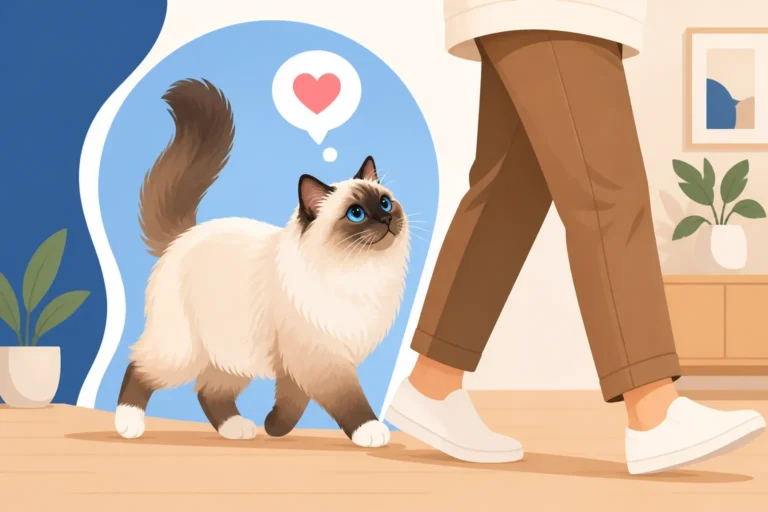
They are known for being constant, quiet companions, often following their favorite people from room to room, choosing to settle nearby rather than on a lap. You might find your Birman lounging gracefully on the sofa cushion next to you while you read, or perhaps observing your cooking endeavors from a safe distance in the kitchen. This constant, gentle presence is their way of participating in your life, seeking the comfort and security that comes from shared space and quiet interaction. They are not usually the kind of cat that will clamor onto your chest demanding immediate petting, but rather one that will melt into your touch once you initiate it, purring softly enough that You Have to Lean In to Hear a Birman Purr.
The Echoes of Their History: Bred for Companionship
The Birman's captivating origin story, whether you believe the legend of the Temple of Lao-Tsun or the more grounded accounts of their journey from Burma to France, consistently highlights their gentle and devoted nature. This isn't a trait that developed by accident; it's been a cornerstone of the breed's appeal for generations. After enduring a severe genetic bottleneck following World War II, when the breed was almost lost and rebuilt from just two cats, Orloff and Xenia de Kaabaa, breeders meticulously selected for temperament as much as physical traits. The emphasis was always on preserving their placid, affectionate disposition.
This historical selective breeding has ingrained a strong social drive into the Birman's very essence. Unlike some breeds that were developed for hunting or more solitary roles, the Birman's purpose has always been to be a beloved companion. Their calm demeanor and adaptability have made them ideal house pets, fitting seamlessly into family life. This means that a Birman isn't just capable of forming strong bonds; they are designed to do so, and their well-being is intrinsically tied to having those bonds fulfilled. Their ancestors were prized for their gentle spirit, and every modern Birman carries that legacy, longing for a connection that goes beyond merely tolerating human presence.
The Limitations of Toys for a Social Breed
While toys certainly have their place in any cat's life, for a Birman, they are merely a supplementary form of entertainment, not a substitute for genuine companionship. Relying solely on toys to keep a Birman happy is like giving a person a smartphone and expecting it to fulfill all their social needs.
Toys as Solitary Play vs. Interactive Engagement
The vast majority of cat toys are designed for solitary play: a kick toy, a crinkle ball, a toy mouse. A Birman might bat at these for a few minutes, perhaps carry a favorite one around, but the engagement is largely one-sided. There's no back-and-forth, no shared experience, no emotional connection built. For a breed that thrives on interaction, solitary play quickly loses its luster. Imagine a Birman sitting alone, batting a toy mouse across the floor while the house is empty. It might provide momentary physical activity, but it doesn't feed their soul in the same way a shared game of fetch or a quiet cuddle session does.
When a Birman plays alone, the activity is often short-lived and lacks the depth of engagement that comes from a companion. A laser pointer, for example, can be exciting for a few minutes, but it's an unfulfilling chase without a tangible reward or shared interaction. Puzzle feeders, while offering mental stimulation, are still a solo activity. They provide a challenge but not the emotional warmth of a bond. Whether a Puzzle Feeder Interests a Birman at All can depend on the individual cat, but even the most food-motivated Birman won't find deep satisfaction from a treat dispenser if they're craving connection. This fundamental difference means that while a toy might momentarily occupy a Birman, it leaves their deeper social needs unaddressed, often leading to boredom or even subtle signs of loneliness.
The Birman's Play Style: Gentle and Interactive
Birmans typically aren't known for wild, acrobatic play sessions. Their play style is generally more subdued and often involves interaction with their humans or other pets. They enjoy wand toys, but the joy often comes from the human on the other end, guiding the toy and providing praise or encouragement. They might carry a toy around, presenting it to you, which is less about the toy itself and more about initiating an interaction. Whether a Birman Brings a Toy Back or Just Carries It often reveals their preference for interaction over a simple game of fetch.
Their gentleness extends to their play. They are usually very soft with their claws in, rarely scratching or biting during play, making them ideal companions for families with children. This gentle nature means that a toy that requires aggressive pouncing or vigorous scratching might not hold their interest as long as a slow-moving wand toy that mimics prey, allowing for a more focused, shared hunting experience. Many Birmans are quite content to simply observe rather than actively participate in intense play, but they always prefer to observe from the comfort of their human's presence. Finding toys that are suitable for their quiet play style on sites like Amazon can be a good way to augment their environment, but it should never be the primary source of their enrichment.
The Profound Benefits of a Companion
For a Birman, a companion offers a level of emotional support and continuous interaction that is simply unmatched by any collection of toys. This companionship fills a fundamental void in their lives.
Emotional Security and Reduced Anxiety
One of the most significant benefits of a companion for a Birman is the profound sense of emotional security it provides. Birmans are sensitive cats, and they truly fret when left alone for extended periods. This isn't always overt; they don't typically howl or destroy furniture. Instead, a lonely Birman might become withdrawn, eat less, or even overgroom as a coping mechanism. What a Lonely Birman Does can be subtle and easily missed if you're not attuned to their quiet nature.
A companion, whether a person or another pet, acts as a constant, reassuring presence. For a Birman that follows you from room to room, simply having another living being in the house can make all the difference in their sense of well-being. This presence alleviates the underlying anxiety that can build up during periods of solitude. Imagine coming home to an empty house every day versus coming home to a friend waiting for you; the difference in emotional comfort is immense, and it’s no different for a Birman. This constant, reliable presence can prevent stress-related behaviors and contribute to a much happier, more balanced cat. Why a Birman Should Not Be Left in an Empty House speaks volumes about their need for connection.
Social Stimulation and Mental Enrichment
Beyond emotional security, a companion provides unparalleled social stimulation and mental enrichment that a toy simply cannot. The interactions with another living being are dynamic, unpredictable, and require constant adaptation. A play session with another cat or a human is never exactly the same twice. There are nuances in communication, body language, and response that keep a Birman's mind engaged in a way that batting a static toy cannot. This constant, gentle engagement helps to prevent boredom and the associated behavioral issues that can arise from a lack of mental exercise.
For example, two Birmans might chase each other, engage in mock battles, or simply groom one another, fostering social bonds and providing a varied form of exercise and mental stimulation. These interactions hone their social skills, reinforce their gentle nature, and provide an outlet for their natural feline instincts in a safe and enriching way. Even a quiet presence, like a human reading a book, offers a different kind of stimulation – the sounds of turning pages, the occasional shift in position, the ambient human noise – all contribute to a richer sensory environment than an empty, silent room. This ongoing, responsive interaction is crucial for a Birman's overall cognitive and emotional health, promoting a resilient and content temperament.
Different Types of Companions for a Birman
The beauty of the Birman's flexible and gentle nature is that they can often adapt beautifully to various forms of companionship, provided the match is right.
Another Birman or Similar Temperament Cat
If you're considering a second cat, another Birman is often an ideal choice. Their shared temperament means they are likely to understand each other's subtle cues and gentle play styles. Breeders often recommend getting two kittens together from the same litter, or at least two Birmans of similar ages, precisely because they do so much better with a feline companion. Why Birman Breeders Often Sell Two Kittens Together is a common recommendation because it ensures immediate companionship and shared socialization.
Two Birmans will often engage in gentle wrestling, chase each other through the house, or simply curl up together for naps. This mutual companionship provides a constant source of comfort and entertainment, especially when their human family is busy or away from home. They help each other burn off energy, engage in social grooming, and fulfill that innate need for feline interaction that a human, no matter how devoted, can't fully replicate. Bringing a Second Cat Home to a Birman That Wants One can be a truly transformative experience for a lonely Birman, dramatically improving their quality of life. In many ways, Why One Birman Usually Becomes Two is a testament to how well they thrive with their own kind.
Human Companionship: The Ultimate Bond
Despite their ability to bond with other pets, the primary companion for most Birmans will always be their human family. The unique bond formed with humans is central to their happiness. Birmans often choose one person as their primary confidante, yet they remain affectionate and welcoming to everyone in the household. Why a Birman Picks One Person and Still Likes Everyone highlights this special trait. They have a calm way of showing affection, often sitting close by, or rubbing against your legs as you move through the house. How a Birman Follows You Room to Room without being clingy is a hallmark of the breed.
This strong human bond means that simply being present is often enough for a Birman. They don't need constant entertainment; they simply need you there. They are perfectly content to sit against your leg rather than on your lap, enjoying your warmth and presence. The Birman Sits Against Your Leg, Not on Your Lap describes this beautifully. Regular petting sessions, gentle conversation, and including them in your daily routines—like watching TV together or having them supervise your chores—all contribute to fulfilling their need for human connection. The nuances of human interaction, from a soft word to a comforting stroke, provide a depth of emotional fulfillment that is irreplaceable.
Canine Companionship: An Unexpected Harmony
For families who also have a dog, the Birman's placid temperament makes them surprisingly adaptable to canine companions. Unlike some more skittish or dominant breeds, Birmans tend to approach new situations, including new housemates, with a calm curiosity. They often settle in with a dog within a week, observing from a distance before gradually initiating closer contact. Why a Birman Settles Next to a Dog Within a Week speaks to their laid-back nature.
Of course, the key is the dog's temperament. A calm, well-behaved dog that respects a cat's space is ideal. A boisterous, high-energy dog might be too much for a gentle Birman, at least initially. However, many Birmans thrive in multi-species households, enjoying the different dynamics that a dog brings. They might not play together in the same way two cats would, but they often develop a peaceful coexistence, sharing sunny spots and even napping in the same room. This makes Birmans an excellent choice for families with existing dogs, or for those considering adding a canine friend later on. It’s one of the many reasons Why the Birman Ends Up in Houses With Both Kids and Dogs so often.
Practical Strategies for Ensuring Companionship
Understanding a Birman's need for companionship is one thing; actively ensuring it is another. Here are some practical steps to keep your Birman feeling loved and connected.
Integrating a New Feline Friend
If you've decided that a second cat is the answer, a slow and careful introduction is crucial for success. You can't just drop a new kitten into your Birman's territory and expect instant friendship. Start by confining the new cat to a separate room with its own food, water, litter box, and bed. Allow them to get used to each other's scents by swapping blankets or toys. After a few days, allow supervised, short visual introductions through a baby gate or screen door. This gradual exposure minimizes stress and gives both cats time to adjust.
Increase the duration of these supervised visits, always ending on a positive note. Use high-value treats and praise to create positive associations. Never force interaction. Remember, Birmans are gentle, so aggressive behavior is rare, but a stressed Birman might retreat. Pheromone diffusers, widely available on sites like Amazon, can also help create a calming atmosphere during this transition period. It can take weeks, even months, for two cats to fully integrate, but the long-term benefits for your Birman's happiness are well worth the patience.
Maximizing Human Interaction
Even with a second cat, your Birman still craves your unique human companionship. Life gets busy, but making a conscious effort to include your Birman in your daily rhythm can make a huge difference. Set aside dedicated playtimes, even if it's just 10-15 minutes with a wand toy. These focused interactions are incredibly valuable for bonding and mental stimulation. Beyond active play, simply being present and available for gentle petting sessions is key.
Consider your Birman's preference for proximity. If you're working from home, let them nap nearby. If you're relaxing in the evening, invite them onto the sofa with you. They often enjoy observing your activities, so having them in the same room, perhaps on a comfy cat tree (you can find many sturdy options on Amazon that aren't too tall, as How Much Height a Birman Bothers to Jump For is not usually very high), allows them to feel included without demanding direct attention. Even a quick check-in, a gentle stroke as you pass by, or a soft word can reinforce your bond. For those who work away from home, technologies like pet cameras can give you peace of mind, allowing you to check in on your Birman and perhaps even interact via two-way audio. What a Camera Shows a Birman Doing While You Are Out can be very insightful, revealing if they are truly content or showing signs of loneliness.
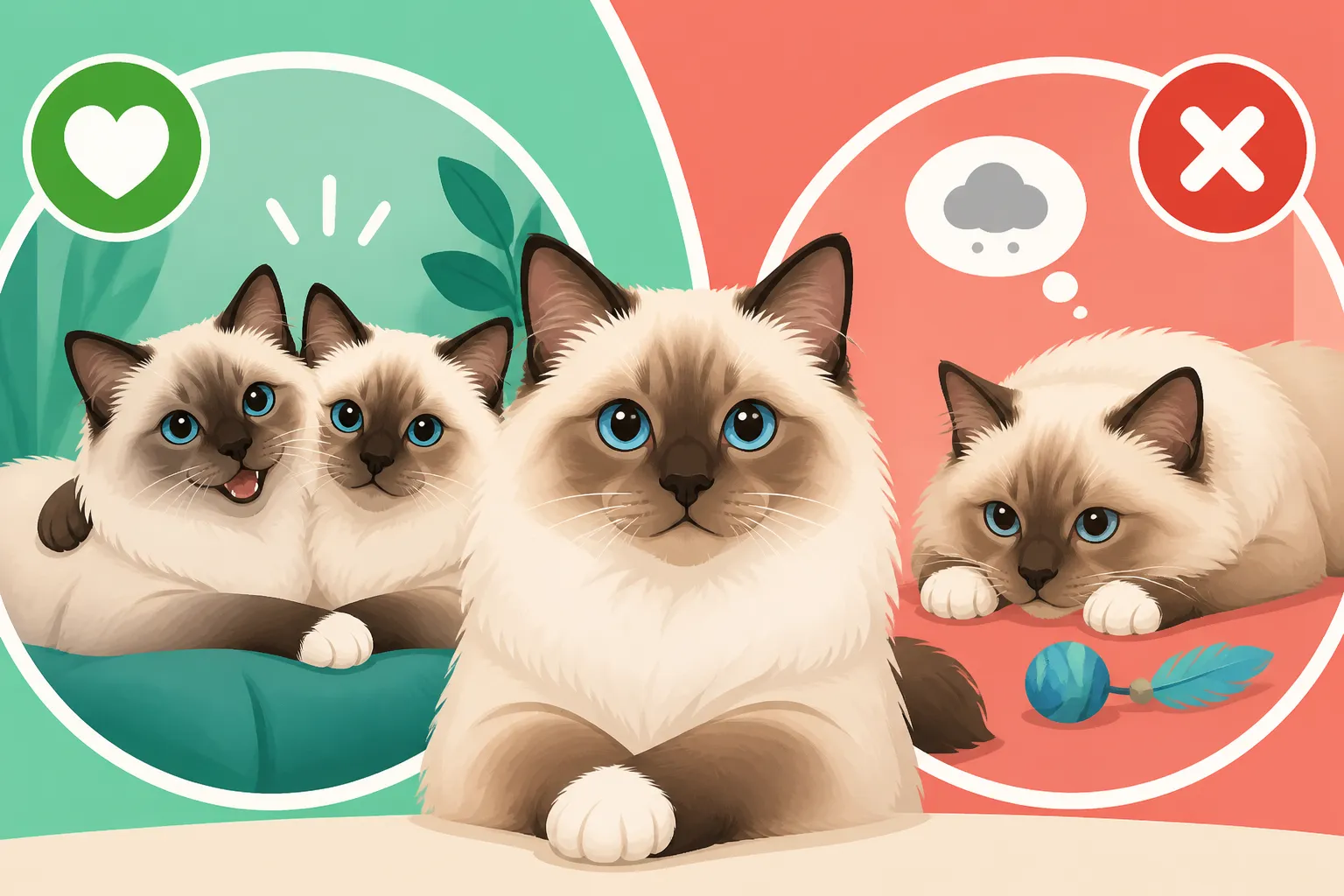
Here's a quick comparison of the benefits of a companion versus relying solely on toys for your Birman:
| Feature | Companion (Human or Pet) | Toys (Solitary) |
|---|---|---|
| Emotional Security | Provides constant presence, reduces anxiety, offers comfort | Provides no emotional support, can exacerbate loneliness |
| Social Stimulation | Dynamic, unpredictable, fosters communication and bonding | Static, predictable, no reciprocal interaction |
| Mental Enrichment | Requires adaptation, problem-solving in social contexts | Limited, often repetitive, quickly loses interest |
| Physical Activity | Often encourages varied and interactive play, shared hunts | Promotes solo play, can be short-lived |
| Loneliness Mitigation | Directly addresses and prevents feelings of isolation | Does not address loneliness, merely distracts |
| Grooming/Comfort | Offers social grooming, shared resting, mutual warmth | Offers none |
| Behavioral Health | Promotes balanced, confident demeanor, reduces stress | Can lead to boredom, overgrooming, or withdrawal |
The table clearly illustrates that while toys offer some basic entertainment, they cannot substitute for the complex, multifaceted benefits that a living companion provides to a Birman. Investing in a companion for your Birman is truly investing in their holistic happiness.
Disclaimer
This article is for general informational purposes only and does not constitute professional advice. Laws, prices and regulations vary by location and change over time. Consult a qualified professional for guidance on your specific situation.