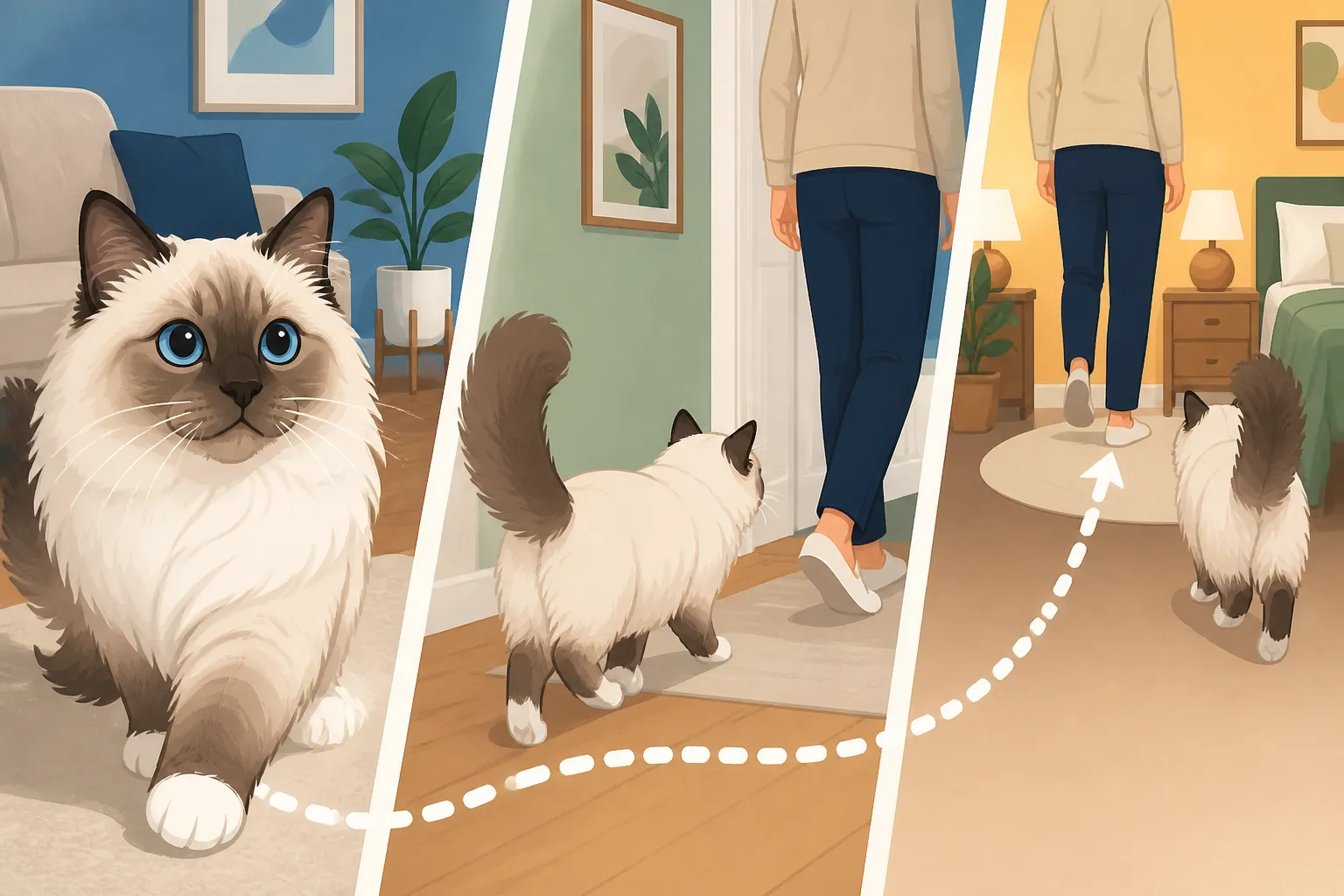
How a Birman Follows You Room to Room
It's incredibly common for Birman owners to find they have a furry shadow, a quiet companion padding along behind them from room to room, never quite underfoot but always present. While this deep connection is one of the most cherished traits of the breed, it can sometimes raise questions about dependence or how to manage this constant closeness in a busy home. This guide will delve into the beautiful reasons behind your Birman's dedication to following you, what this behavior signifies, and how to create an environment where both you and your beloved cat thrive in this unique bond.
The Birman's Innate Drive for Companionship
Birmans are not just pets; they are deeply social creatures who crave connection and integration into their human families. This isn't a mere curiosity or a fleeting interest in what you're doing; it's a fundamental aspect of their breed personality and a testament to their affectionate nature. They possess a unique blend of traits that makes them truly stand out. They aren't typically as boisterous or demanding for attention as a Siamese, nor are they as independently inclined as some of their Persian ancestors might be. Instead, they occupy a wonderful middle ground, desiring constant presence without being overwhelming.
Their lineage and temperament have shaped them into cats that thrive on emotional bonds. A Birman feels safest and most content when its primary human is nearby, even if that means simply being in the same room. This quiet pursuit of proximity is their way of participating in your life, observing your daily rhythms, and feeling secure within their world. It’s a subtle dance of companionship, often characterized by a graceful entry into a room you’ve just occupied, settling into a comfortable spot, and simply existing in your orbit. You might notice them doing this instinctively, without any fuss or loud meows, which is why they are often called "gentle giants" or "velcro cats" without the usual fuss. They are telling you, in their own quiet way, "I'm here for you." This deep connection is why Why a Birman Needs Company More Than Stimulation is so true; their primary enrichment often comes from simply being with you.
Understanding the "Silent Shadow" Phenomenon
If you live with a Birman, you're likely familiar with the "silent shadow" phenomenon. You walk from the living room to the kitchen, and moments later, you glance down to find your Birman has effortlessly glided in behind you, perhaps settling near the refrigerator or on a sunlit patch of floor. Then, as you move to the bedroom, there they are again, finding a new perch on the bed or a nearby chair. It's often so seamless you barely notice they've moved until they're already settled. This isn't accidental; it's a deliberate, yet understated, choice to maintain proximity.
What makes this behavior particularly Birman-like is its quiet nature. Unlike some breeds that might vocalize their desire to follow or demand attention with insistent meows, a Birman typically moves with a serene grace. You won't often hear a loud call from the other room; instead, you might catch the softest purr or The Small Trill a Birman Uses Instead of a Meow as they settle into their chosen spot. They are content simply to be near you, to observe, and to absorb the reassuring presence of their human. They are saying, "I choose to be near you," without making a single demand. It speaks volumes about their trusting and loving personality. How a Birman Shows Affection Without Making Demands captures this essence perfectly – their love is often expressed through quiet closeness. They're often just a few feet away, perhaps on the edge of the rug or a designated blanket, always within your sightline, but rarely directly underfoot causing a tripping hazard unless you're moving too quickly.
Here's a quick look at how a Birman's need for proximity compares to other common cat breeds:
| Trait / Behavior | Birman | Siamese | Persian | Domestic Shorthair |
|---|---|---|---|---|
| Desire for Proximity | High (calm, steady) | Very High (vocal, active) | Moderate (observational) | Variable (depends on cat) |
| Vocal Demands | Low (soft trills/purrs) | Very High (insistent meows) | Low (quiet, infrequent) | Variable |
| Physical Contact Preference | Near (beside, on furniture) | On lap, constant petting | Near (next to, on floor) | Variable |
| Tolerance for Solitude | Low (prefers company) | Very Low (can get anxious) | Moderate (enjoys quiet) | Variable |
| Engagement Style | Observational, gentle | Direct, interactive | Relaxed, independent | Variable |
Cultivating a Positive Proximity Experience
While having a devoted feline shadow is delightful, it's important to foster this behavior in a way that's positive and safe for both you and your Birman. Their desire to be near doesn't mean they need to be in your way. By understanding their needs, you can easily integrate their companionship into your daily routine.
One of the best things you can do is provide comfortable, designated "perching" spots in the rooms you frequent most. If you spend a lot of time in your home office, place a cozy cat bed on the floor next to your desk or a soft cushion on a nearby chair. In the living room, a blanket on the sofa arm or a low-level cat tree (you can find many great options on Amazon) offers them a spot to be close without being underfoot. The same goes for the kitchen – perhaps a small mat or a dedicated corner where they can comfortably supervise your culinary adventures. These spots satisfy their need for proximity while minimizing potential tripping hazards. They truly appreciate a spot near where you last sat (Why a Birman Sleeps Wherever You Last Sat), making a designated spot even more appealing.
It’s also crucial to acknowledge their presence gently. A soft word, a quick head rub, or even just a glance their way when they settle reinforces their sense of security and belonging. They don't require constant petting or intense play to feel loved; simply knowing you see them and appreciate their company is often enough. This quiet affirmation strengthens your bond without demanding excessive interaction. However, be mindful of sudden movements or not seeing them as you back up or turn quickly. Their quiet nature means they can appear seemingly out of nowhere, especially when following you.
For times when you have to be away, even for just a few hours, consider how your Birman might cope. A breed so attuned to companionship can experience stress if left alone for prolonged periods. If your lifestyle means frequent long absences, a companion animal – perhaps even another Birman – can make a world of difference. Why a Birman Does Badly as an Only Cat is a crucial read here. Additionally, enriching their environment with interactive toys, puzzle feeders, or even a window perch where they can watch the world (many excellent ones are available on Amazon) can provide stimulation and comfort in your absence.
The Deeper Meaning of a Birman's Constant Company
The act of your Birman following you from room to room is more than just a habit; it's a profound expression of their trust, affection, and emotional well-being. It speaks to the core of what makes the Birman such a beloved companion breed.
Firstly, their desire for proximity is a strong indicator of security and reassurance. In their eyes, you are the center of their world, providing food, shelter, and safety. By staying close, they're ensuring they remain within the protective sphere of their primary caregiver. It's a primal instinct, refined by their gentle nature, that allows them to feel safe and calm. This is Why a Birman Waits Outside the Bathroom Door or sits patiently while you shower; they're simply maintaining their secure connection to you.
Secondly, this constant companionship is a clear sign of deep affection. Birmans form incredibly strong bonds with their human families. When they choose to be by your side, even silently, they are demonstrating their love and devotion. They’re not necessarily looking for something from you, but rather seeking to share your space, your energy, and the quiet comfort of your presence. This undemanding affection is one of their most endearing qualities.
Consider also the implications for their overall mental health. A Birman that is allowed to follow and participate in the household activities is generally a happier, more settled cat. Conversely, if a Birman suddenly becomes clingy, vocal, or distressed when you leave the room, it could be a sign of underlying stress or even an emerging health issue. Any sudden change in this characteristic "shadowing" behavior, whether it becomes more intense or they stop following altogether, warrants attention. A visit to the vet might be in order, as How to Tell a Quiet Birman From an Unwell One can provide valuable insights into subtle behavioral changes. Sometimes, simply ensuring their environment is stable and predictable, and providing comfort items like a favorite bed (easily found on Amazon), can help What Calms a Stressed Birman.
The Birman's adaptability also plays a role in multi-pet households. They often extend this gentle shadowing to other animals, Why a Birman Settles Next to a Dog Within a Week, finding comfort in shared space. This makes them excellent companions not just for humans, but for other furry friends as well, further reinforcing their need for consistent company. Their quiet, easygoing nature allows them to integrate smoothly, often becoming the glue that holds a diverse pet family together through the simple act of being present.
Disclaimer
This article is for general informational purposes only and does not constitute professional advice. Laws, prices and regulations vary by location and change over time. Consult a qualified professional for guidance on your specific situation.