Whether a Birman Kneads
It's a curious thing, isn't it? You spend time watching your beloved Birman, this magnificent creature with its silky coat and deep blue eyes, and sometimes you see them doing that peculiar "kneading" motion, pushing their paws rhythmically into a soft surface, or even into you. This behavior often sparks questions among cat owners: Is it normal? Why do they do it? And why does my Birman seem to knead more (or less) than other cats I’ve known? This guide is here to unravel the mystery of Birman kneading, helping you understand this instinctive behavior and what it means for your cherished companion.
The Instinctive Art of "Making Biscuits": Why Cats Knead
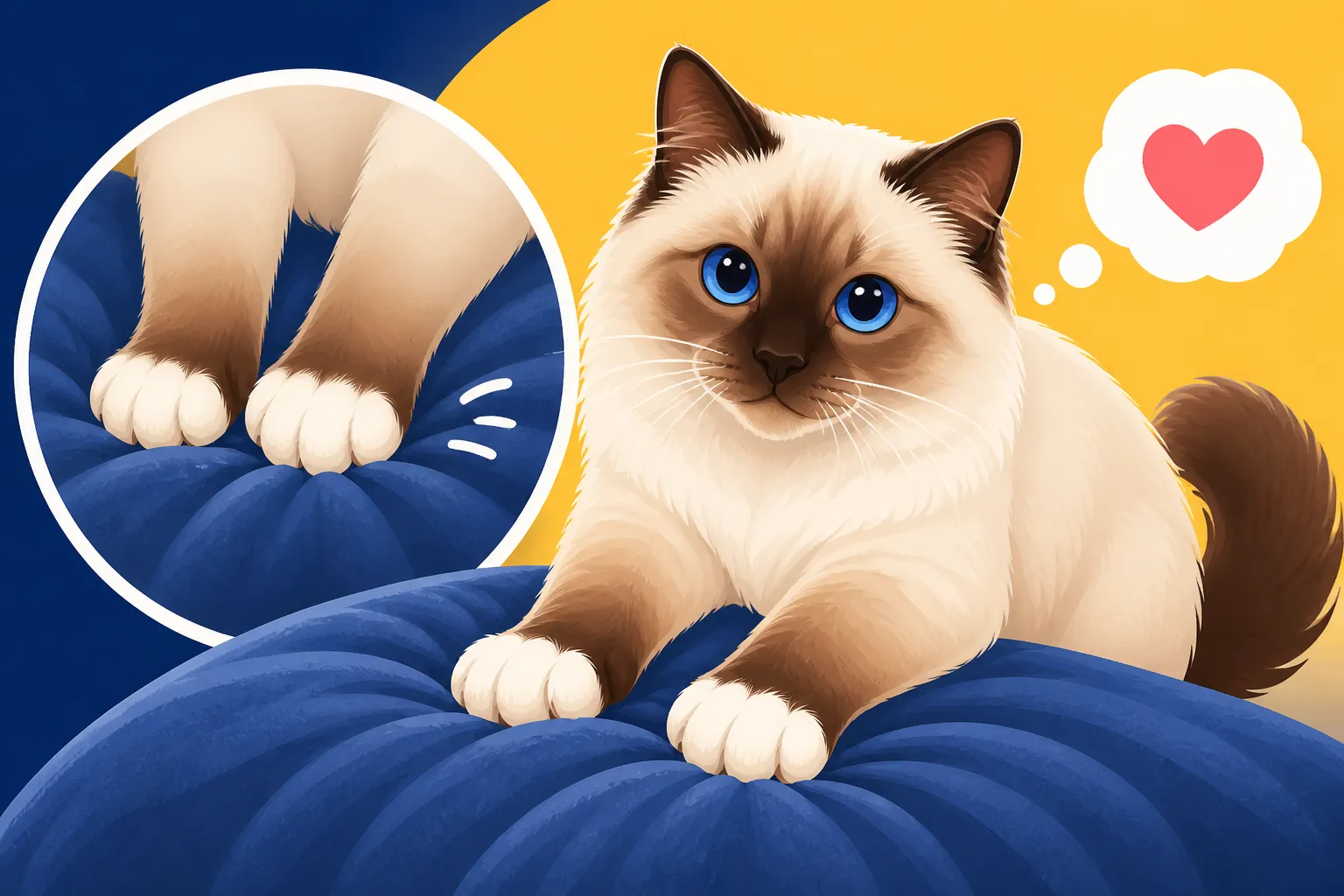
Kneading is one of those deeply ingrained feline behaviors that most cats carry with them from kittenhood right into adulthood. It's often affectionately referred to as "making biscuits" because the motion resembles a baker working dough. For us humans, it can be a source of immense comfort and a sign of affection, but there's a whole world of instinct and feeling behind those rhythmic paw pushes.
The Kitten Reflex
The very first time a cat kneads is usually when they are tiny kittens, nursing from their mother. This motion, pressing their paws into their mother's mammary glands, helps to stimulate milk flow. It's a survival instinct, directly linked to nourishment and security. Imagine a newborn kitten, snuggled against its warm mother, feeling utterly safe and content as it feeds. That physical act of kneading becomes deeply associated with those profound feelings of warmth, safety, and satisfaction. It's not just about getting milk; it's about being cared for and loved in the most fundamental way. Even when a kitten is weaned and grows into an adult cat, this powerful connection remains, buried deep in their subconscious.
Comfort and Security
As cats mature, they continue to knead, even though they no longer need to stimulate milk. This is because the action has become a strong self-soothing mechanism. When your Birman finds a particularly soft blanket, a plush bed, or settles onto your lap, and begins to knead, they are essentially recreating that primal scene of comfort and security. It's a way for them to express that they feel utterly relaxed, safe, and happy in their environment. It’s like a human sigh of contentment, but expressed through their paws. This behavior often happens when they are about to settle down for a nap, or when they've just woken up from a particularly deep sleep, reinforcing the idea that it's linked to states of deep relaxation and ease.
Expressing Affection and Contentment
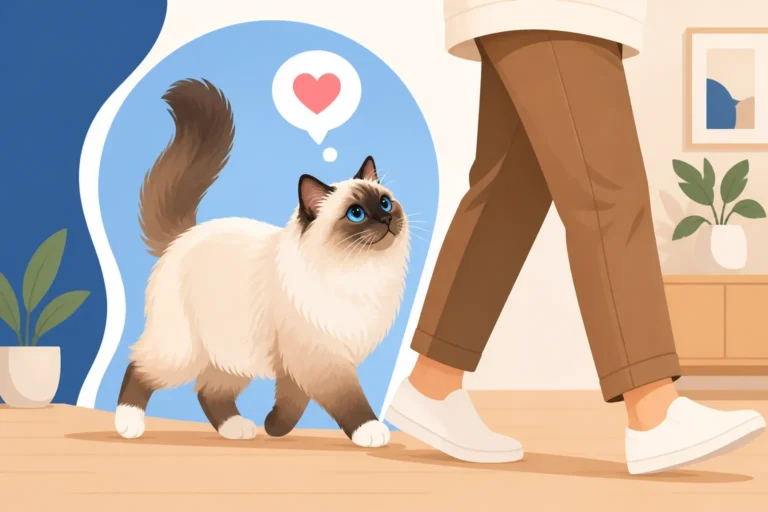
Beyond self-soothing, kneading is also a profound way for cats to show affection and bond with their human companions. When your Birman chooses to knead on you, it's a huge compliment. It means they feel completely at ease, loved, and connected to you. They see you as a source of warmth, safety, and emotional nourishment, much like their mother did when they were a kitten. This is often accompanied by purring, slow blinking, and sometimes even a gentle head-butt or rub. It's their way of saying, "You make me feel safe, and I love you." This display of trust is particularly meaningful from a breed as gentle and companionable as the Birman, which values presence and closeness. They tend to communicate affection in subtle ways, and kneading is one of the clearest. You might notice How a Birman Shows Affection Without Making Demands in other situations, but kneading is an overt sign of their deep contentment.
Do Birmans Knead Differently Than Other Breeds?
Every cat is an individual, and their personalities can vary wildly, even within the same breed. However, Birmans do possess certain characteristics that can influence how and when they knead. Their unique temperament and physical traits play a role in this charming behavior.
The Birman's Gentle Nature
Birmans are renowned for their incredibly placid, gentle, and affectionate dispositions. They are not typically known for being overly boisterous or demanding, but rather for their quiet companionship and loving presence. This gentle nature often translates into their kneading habits. While some breeds might knead with more vigorous intensity, a Birman's kneading tends to be softer, more rhythmic, and less prone to involving sharp claws. They often seek closeness and connection, and kneading is a perfect outlet for this. You'll often find them choosing a spot right next to you, perhaps on your lap or draped across your legs, to begin their "biscuit making." They are generally not lap cats in the sense of always wanting to be on you, but they certainly want to be near you, and often the urge to knead will draw them closer. The Birman Sits Against Your Leg, Not on Your Lap describes their preferred proximity, and kneading fits right into that personal space. This desire for constant, calm company is also Why a Birman Needs Company More Than Stimulation.
Kneading Frequency and Intensity in Birmans
Just like people, some Birmans are enthusiastic bakers, while others are more reserved. You might have a Birman who kneads every single time they settle down for a cuddle, purring up a storm. Another Birman might only knead occasionally, perhaps when they are feeling exceptionally relaxed or in a new, super comfy spot. Both are entirely normal. The intensity can also vary; some Birmans will gently push their paws in and out, claws sheathed, barely making a dent. Others might extend their claws slightly, especially if they are particularly engrossed in their comfort. The silky texture of their coat might also make the experience different for them. Why a Birman's Coat Runs Through Your Fingers so smoothly could mean that the tactile sensation of kneading a soft surface might be extra pleasing for them.
The "Love Bites" or "Over-Kneading" Scenario
Occasionally, a Birman might knead with a little more enthusiasm, sometimes even incorporating gentle "love bites" or extending their claws more than you'd prefer. This is usually not aggression but rather an overabundance of affection and comfort, sometimes a leftover from kittenhood where they might have gently nipped their mother during nursing. If the claws become an issue, especially on delicate clothing or skin, there are gentle ways to manage it. Placing a thick, soft blanket between your Birman and your lap can work wonders. Many Birman owners keep a dedicated "kneading blanket" on the sofa or bed, perhaps a super plush fleece throw from Amazon, for this very purpose. You can also gently redirect their paws onto the blanket if they start to extend claws on you. This isn't about discouraging the kneading itself, but just helping them find a more comfortable outlet for it.
What Kneading Tells You About Your Birman's Well-being
Kneading is more than just a cute habit; it’s a direct window into your Birman’s emotional state. Understanding what this behavior signifies can help you better connect with and care for your beloved cat.
Signs of Contentment and Trust
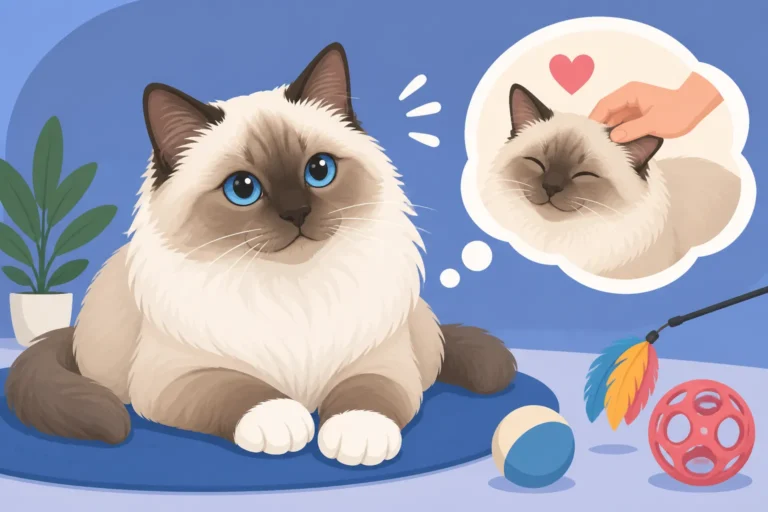
First and foremost, when your Birman kneads, it's generally a powerful signal of deep contentment, relaxation, and trust. It means they feel safe, secure, and loved in their environment and with you. Think of it as their ultimate "happy place" indicator. If your Birman chooses your lap, your chest, or even just a nearby pillow to knead on while looking up at you with half-closed, blissful eyes, know that you've done something right. They're telling you, in their own special way, that you are their sanctuary. This behavior is often accompanied by a deep, rumbling purr, which only further confirms their state of bliss. It's a beautiful moment of connection that every Birman owner cherishes.
Changes in Kneading Behavior
While kneading is mostly positive, any significant change in a cat's normal behavior can sometimes signal an underlying issue. If your Birman, who usually kneads regularly, suddenly stops altogether, or if a cat who rarely kneads suddenly starts doing it intensely and obsessively, it might be worth paying attention.
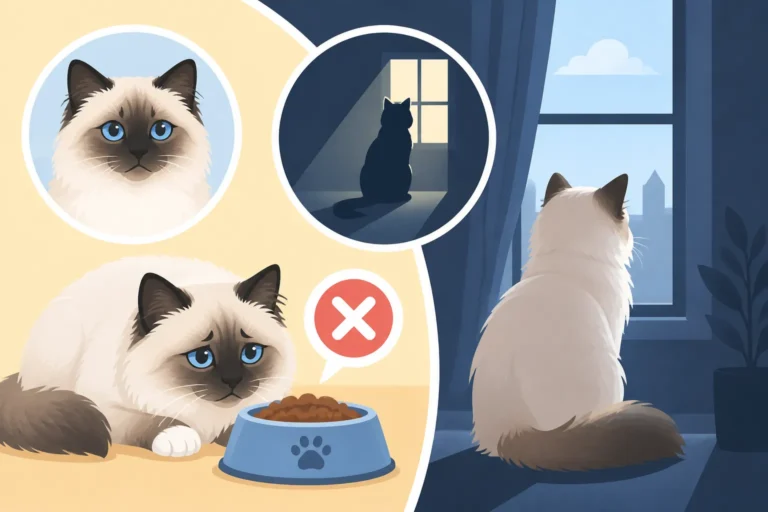
- Reduced or Absent Kneading: A sudden cessation of kneading might indicate that your Birman is feeling stressed, anxious, or unwell. Cats are masters at hiding discomfort, and a shift in their usual comfort behaviors can be a subtle clue. Why a Placid Birman Hides Pain is a well-known trait, making it crucial to observe these nuanced behavioral changes. If they stop seeking out closeness or performing their usual comfort rituals, it could be a sign that something is bothering them.
- Excessive or Obsessive Kneading: On the other hand, obsessive kneading, especially if it seems frantic or is accompanied by other signs of distress like excessive vocalization, pacing, or changes in eating habits, could point to anxiety or even pain. Sometimes, a Birman left alone for extended periods might develop behaviors like excessive kneading as a coping mechanism for loneliness or boredom. If you suspect your Birman is feeling stressed, reading What a Stressed Birman Does can offer more insights into other indicators.
It's always a good idea to consider recent changes in their environment or routine. Have you moved house? Is there a new pet or family member? Even small shifts can affect a sensitive Birman. If you notice persistent changes, a vet visit is always recommended to rule out any medical causes.
Providing Comfort for the Kneader
Encouraging healthy kneading behavior is all about providing a comfortable and secure environment.
- Soft Surfaces: Ensure your Birman has plenty of soft, inviting surfaces to knead on. This could be a plush cat bed, a favorite blanket, or even a soft cushion on your sofa. Consider placing a cozy pet blanket from Amazon on their favorite napping spot.
- Warmth: Cats love warmth, and a warm spot often enhances their feeling of security. A sunny patch on the floor, a blanket fresh from the dryer, or even a heated cat bed can become a prime kneading zone.
- Gentle Interaction: When your Birman is kneading on you, respond with gentle strokes and soft words. Avoid sudden movements or loud noises that might startle them out of their blissful state. This reinforces the positive association with kneading and strengthens your bond. If you worry about their claws, simply place a soft barrier like a throw from Amazon over your lap before they settle in.
When Kneading Becomes an Issue (and What to Do)
While kneading is largely a positive and natural behavior, there are rare occasions when it can become problematic, usually due to sharp claws or excessive intensity. Addressing these concerns gently ensures both you and your Birman remain comfortable and happy.
Managing Claws During Kneading
The most common "issue" associated with kneading is when those loving paws extend their claws, potentially snagging clothes or scratching skin. For a Birman, whose affection is often expressed through closeness, this can be a frequent occurrence. The key is not to stop the kneading, but to manage the claws.
- Regular Nail Trims: Keeping your Birman's claws trimmed short is the most effective preventative measure. Even a tiny trim of the very tip can make a huge difference in how sharp they feel. Many Birmans are quite amenable to nail trims due, once again, to their placid nature. How to Handle a Birman for Nail Trimming offers practical tips to make this a calm and routine part of your care.
- Soft Barriers: As mentioned earlier, placing a thick blanket or towel on your lap before your Birman settles in is a simple yet effective solution. This provides a soft, satisfying surface for them to knead without causing you discomfort. You might even find specialized pet throws on Amazon designed for durability and easy cleaning.
- Redirecting Gently: If your Birman starts to knead directly on your skin with extended claws, gently shift their paws onto a nearby blanket. Avoid scolding or pushing them away forcefully, as this can be confusing and upsetting. The goal is to teach them to associate kneading with comfort on acceptable surfaces.
Excessive or Destructive Kneading
In very rare cases, kneading can seem excessive or even destructive, such as constantly kneading and pulling at furniture or bedding to the point of damage, or doing it so often that it interferes with other activities. This is usually a sign of underlying anxiety or insufficient enrichment.
- Addressing Anxiety: If the kneading seems frantic or compulsive, consider what might be causing your Birman stress. Are they getting enough playtime and interaction? Do they have a secure environment? If Why a Birman Does Badly as an Only Cat rings true for your household, perhaps a companion might help. Sometimes, enrichment toys, puzzle feeders, or simply more dedicated one-on-one time can alleviate anxiety. If the behavior persists and you've ruled out medical issues with your vet, they might suggest calming pheromone diffusers or other behavioral interventions.
- Environmental Enrichment: Ensure your Birman has plenty of appropriate outlets for their energy and instincts. Scratching posts (both vertical and horizontal), climbing structures, and engaging toys can help channel some of that natural energy. Although Birmans aren't usually extreme climbers, a sturdy cat tree or perch from Amazon can provide a sense of elevation and security, which might contribute to their overall contentment.
Embracing the Birman's Unique Expression
Ultimately, kneading is a beautiful and natural part of being a cat, and for Birmans, it's often a profound expression of their loving and gentle nature. It's a reminder of their kittenhood, their deep trust in you, and their immense comfort in their home. Rather than trying to eliminate the behavior, the goal is usually to manage it so that it remains a joyful and comfortable interaction for everyone involved. Embrace these moments; they are a clear sign of a happy, well-adjusted Birman who feels utterly safe and adored in your presence.
| Aspect | What Kneading Typically Means | Potential Issue & Solution (If Applicable) |
|---|---|---|
| Normal Kneading | Deep contentment, relaxation, feeling safe and loved. | None – it's a positive sign! |
| On Your Lap | Affection, trust, strong bond with you. | Sharp claws: Keep nails trimmed, use a thick blanket. |
| Before Napping | Preparing for sleep, comfort, self-soothing. | None – normal pre-sleep ritual. |
| With Purring | Utter bliss, happiness, deep satisfaction. | None – enjoy the moment! |
| Sudden Stop | Possible stress, anxiety, or feeling unwell. | Observe for other changes; consult vet if concerned. |
| Excessive/Frantic | High anxiety, insecurity, boredom. | Increase play, enrichment, vet check for underlying cause. |
| Destructive | Anxiety, lack of appropriate outlets for scratching. | Provide scratch posts, address anxiety, redirect. |
Disclaimer
This article is for general informational purposes only and does not constitute professional advice. Laws, prices and regulations vary by location and change over time. Consult a qualified professional for guidance on your specific situation.