Whether a Birman Suits a Busy House
It’s a common worry when you’re considering a Birman: can this beautiful, serene cat truly thrive in a home that feels like Grand Central Station sometimes? Life gets hectic, kids are noisy, doors are always opening and closing, and you might wonder if such a gentle soul can find its peace amidst the chaos. This guide is here to help you understand exactly how a Birman typically copes with a busy environment and what you can do to ensure they feel safe and loved, even when your schedule is packed.
Understanding the Birman Temperament in a Lively Home
When you're bringing any new pet into your life, especially a purebred cat like the Birman, it's natural to consider how their personality will mesh with your lifestyle. For those of us with bustling households, full of children, other pets, frequent visitors, or just the general hustle and bustle of modern life, the Birman’s reputation for being calm and gentle might seem at odds with a busy environment. However, what often surprises new Birman owners is how adaptable and resilient these cats can be, provided their core needs are met. They're not fragile flowers, but they do have specific preferences that, when understood, allow them to flourish even in a lively setting.
Their Calm and Observant Nature
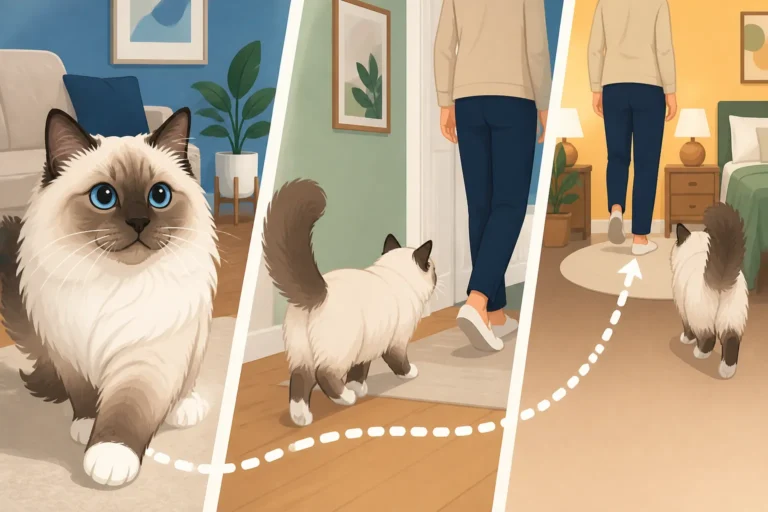
One of the most defining characteristics of the Birman cat is its remarkably calm and observant demeanor. Unlike some breeds that might react with high anxiety or excessive shyness to constant activity, Birmans tend to take it all in. They aren't typically the sort to climb the curtains in a fit of overstimulation, nor are they usually the first to bolt under the sofa when a loud noise occurs. Instead, they often find a comfortable, slightly elevated perch where they can watch the world go by, quietly absorbing the energy of the room without feeling the need to be the center of attention. They want to be part of the family dynamic, but often as a gentle observer. You'll find that a Birman will often choose to sit near you, perhaps on the arm of the sofa or on the floor by your feet, rather than demanding to be a constant lap cat. This desire for proximity without intense demand is a huge asset in a busy household, as they feel included without needing constant one-on-one interaction. They appreciate simply being in the same room, soaking up your presence. Why a Birman Follows You Without Demanding Anything
The Quiet Communicator
Another trait that makes Birmans surprisingly well-suited to busy homes is their quiet nature. If you've ever lived with a particularly vocal cat breed, you know how quickly their demands can add to the feeling of chaos in a house. Birmans, by contrast, are known for their soft, melodious voices. They rarely let out a full-throated meow, and certainly not a piercing yowl. Instead, they communicate with gentle trills, soft chirps, and quiet purrs that you often have to lean in to hear. This means that even if your house is full of the sounds of children playing, music, or conversations, your Birman isn't going to be adding to the decibel level with persistent vocalizations. Their understated way of asking for attention, often a gentle head-butt or a soft rub against your leg, is easily integrated into a busy schedule. They won't interrupt a phone call or demand attention during dinner with loud cries, preferring to wait for a quieter moment to connect. The Small Trill a Birman Uses Instead of a Meow
Tolerance for Children and Other Pets
For families with kids or other animals, the Birman’s tolerance is a huge plus. These cats are renowned for their patience and gentle disposition, which makes them excellent companions for households with active children. They are typically not prone to lashing out with claws or teeth, even if a toddler's enthusiasm gets a bit much. Instead, a Birman is more likely to simply walk away and find a quieter spot, demonstrating a remarkable ability to self-regulate their interactions. This means less worry for parents about potential scratches or bites, and a more harmonious home environment overall. Similarly, Birmans often integrate smoothly with other pets, including dogs, thanks to their calm and accepting nature. They aren't usually confrontational and tend to adapt well to existing animal hierarchies, often befriending even the most boisterous canines. Their placid temperament helps them navigate the unpredictable energy of a multi-pet or child-filled home. Why a Birman Tolerates Toddlers and Why a Birman Settles Next to a Dog Within a Week
Creating a Sanctuary Amidst the Hubbub
Even with a naturally calm cat like the Birman, a busy household still presents unique challenges. The key to their well-being isn't to eliminate all activity (which is often impossible!), but to strategically create spaces and routines that cater to their need for security and peace. Think of it as building little pockets of calm within your lively home, ensuring your Birman always has a retreat where they can decompress and feel safe.
Designated Quiet Zones and High Perches
One of the most crucial things you can do for a Birman in a busy house is to provide them with designated quiet zones. This could be a spare bedroom, a quiet corner of a living room, or even just a well-placed cat tree that offers a sense of elevation and security. Cats, Birmans included, feel much safer when they have a vantage point from which to observe their surroundings without being in the direct line of traffic. A tall cat tree with multiple levels, or shelves mounted on a wall, can offer them a peaceful escape from the bustling floor level. Ensure these spots are away from high-traffic areas, loud appliances, and constantly opening doors. A comfy bed or blanket in these spots will make them even more inviting. When your Birman retreats to these areas, it's important that all family members respect that space and allow the cat to have its alone time without interruption. This teaches them that their "safe haven" is truly safe. Where a Birman Prefers to Perch
The Power of Predictable Routines
While busy homes can feel unpredictable, establishing small, consistent routines for your Birman can provide a vital sense of security. Cats thrive on routine, and even amidst a chaotic schedule, consistent feeding times, a few minutes of play at the same time each day, or a predictable cuddle session before bed can make a world of difference. Your Birman might not outwardly demand these routines, but inwardly, they provide a framework that helps them feel grounded. For example, if dinner is always served at 6 PM, your cat knows that amidst all the afternoon activity, this one constant remains. Similarly, a dedicated 10-15 minute play session with a wand toy right before you settle down for the evening can be a bonding experience that reassures them of your presence and affection, even if your day was packed. These small anchors in a busy day can significantly reduce stress and enhance their overall sense of well-being. Why a Birman Needs Company More Than Stimulation
Enriching the Environment for Independent Play
In a busy home, you might not always have hours to dedicate to active play. This is where environmental enrichment that allows for independent engagement becomes invaluable. While Birmans enjoy interaction, they also appreciate toys that can keep them entertained on their own. Puzzle feeders, for example, can challenge their minds and provide a rewarding activity that doesn't require your direct involvement. Interactive toys that move on their own or offer a variety of textures can also be engaging. However, remember that Birmans tend to be gentle players, so don't expect them to shred toys. They often prefer quieter, more thoughtful play. Rotate toys regularly to keep things fresh and interesting. Even something as simple as a crinkly ball or a soft toy mouse can provide entertainment when you're busy with other tasks. The goal is to give them options for self-amusement that don't escalate the energy level of the house. Which Toys Suit a Birman That Plays Quietly
Fostering Connection Despite a Hectic Schedule
One of the biggest concerns for owners in busy households is ensuring their Birman still feels loved and connected. It’s easy to feel guilty when you’re constantly on the go, but the good news is that Birmans value quality over sheer quantity of interaction. They don’t need you to be constantly doting on them, but they do need consistent, meaningful engagement.
Quality Time Over Quantity
You might not have hours each day to dedicate solely to your Birman, and that's perfectly okay. Birmans thrive on meaningful, focused interactions. Even 15-20 minutes of dedicated, uninterrupted playtime or cuddling can make a huge difference to their emotional well-being. This isn't about how long you're physically present, but how present you are mentally. Put away your phone, turn off distractions, and just be with your cat. Use a wand toy to engage them in gentle play, stroke their silky fur while watching TV, or simply sit quietly with them while they purr contentedly next to you. These concentrated moments of affection and attention reassure your Birman that they are a cherished member of the family, even when life feels rushed. Consistency is key here; a few minutes every day is far more valuable than one long session once a week.
Involving All Family Members
In a busy household, everyone can play a role in connecting with the Birman. Teach children how to interact gently and respectfully with the cat, emphasizing soft strokes and quiet voices. Assigning small, age-appropriate tasks, like helping with feeding or offering a favorite toy, can foster a sense of responsibility and connection. Even visitors can be encouraged to offer a gentle stroke or a kind word. Birmans are generally sociable and accept affection from many people, which means their emotional needs aren't solely reliant on one individual. This distributed attention helps them feel secure and loved by the entire household, making them more resilient to the comings and goings of a busy home. Why the Birman Is the Cat Families Are Told to Get
Recognizing Subtle Stress Signals
Despite their placid nature, Birmans can still experience stress in a very busy environment, and their signs are often subtle. Because they tend to be quiet and non-demanding, they might hide their discomfort rather than openly showing it. It’s crucial for owners in busy homes to be vigilant and observe their Birman closely for any changes in behavior. Signs of stress can include a sudden loss of appetite, changes in litter box habits, over-grooming (leading to bald patches), increased hiding, or a general withdrawal from family activities they once enjoyed. A Birman that stops greeting you at the door or no longer seeks out proximity could be indicating an issue. If you notice these subtle cues, it's time to assess if your Birman is getting enough quiet time, consistent routine, or focused attention. Early recognition allows you to adjust their environment or seek veterinary advice before the stress escalates. What a Stressed Birman Does and Why a Birman's Appetite Goes First When It Is Unsettled
The Case for a Companion: When One Birman Isn't Enough
Sometimes, despite all your best efforts to provide a secure and loving environment, a truly busy household might still leave a Birman feeling a little lonely. This is particularly true if you have long work hours or frequent absences. For these situations, considering a companion animal can be one of the best gifts you can give your Birman.
Why a Second Cat Can Be a Lifesaver
Birmans are fundamentally social creatures. While they bond deeply with their human families, they also thrive on the companionship of other animals. If your household is genuinely busy, meaning there are long stretches of the day when no one is home, a second cat can be an absolute lifesaver for your Birman. Having another feline friend provides consistent company, comfort, and opportunities for play and interaction that no human schedule can always perfectly replicate. This isn't to say a single Birman can't be happy, but for those in exceptionally hectic homes, the presence of a companion can prevent loneliness and boredom, which can lead to stress and destructive behaviors. They’ll have someone to nap with, to chase, and to simply exist alongside during the quiet hours. Why a Birman Does Badly as an Only Cat
Integrating Birmans with Other Pets
The good news is that Birmans are generally fantastic at integrating with other pets. Whether it's another cat or a cat-friendly dog, their calm and easy-going nature usually means a smooth introduction process. They rarely initiate conflict and often adapt quickly to new furry family members. If you're considering a second cat, look for another cat with a similar, gentle temperament. A high-energy, demanding cat might overwhelm a Birman, but a similarly placid breed (or even another Birman!) can create a harmonious pairing. Similarly, if a dog is part of your household, ensure it's a calm, well-trained dog that understands how to respect a cat's space. Birmans typically settle in quickly, often forming strong bonds with their companions, which is invaluable for their mental and emotional well-being in a busy setting. Bringing a Second Cat Home to a Birman That Wants One
Choosing a Compatible Companion
When adding a companion, whether it's another cat or a dog, compatibility is paramount. For another cat, consider breeds or individual cats known for their relaxed disposition. Ragdolls, for instance, share many temperament traits with Birmans and often make excellent companions. Avoid overly boisterous or aggressive cats that might stress your Birman. For dogs, a calm, gentle breed or an older, more settled individual is usually a better fit than a puppy bursting with boundless energy. The goal is to add a presence that enhances your Birman's sense of security and companionship, rather than adding another source of overstimulation. Remember to introduce them slowly and thoughtfully, allowing plenty of time for them to adjust to each other at their own pace. A harmonious multi-pet household can truly make a busy home feel less daunting for your Birman, providing them with a constant source of comfort and interaction. Which Cats Match a Birman's Middle of the Road Pace
Here’s a quick overview of how a Birman's traits align with the realities of a busy home:
| Birman Trait | Busy Household Factor | Compatibility Level |
|---|---|---|
| Calm, Observant Nature | High activity, noise | High: Adapts by observing, not escalating; finds quiet spots. |
| Quiet Vocalizations | Loud environment | High: Rarely adds to noise; communicates subtly, avoiding disruption. |
| Tolerant of Children and Other Pets | Presence of kids, other animals | High: Patient and gentle, prefers to retreat rather than react aggressively. |
| Needs Company (but not constant lap) | Limited dedicated interaction time | Medium-High: Benefits from proximity; quality over quantity of attention is key. |
| Thrives on Routine | Unpredictable schedules | Medium: Requires owners to establish and maintain small, consistent routines. |
| Sensitive to Neglect/Loneliness | Long periods alone | Medium: Benefits greatly from a companion if humans are frequently absent. How Many Hours Alone Before a Birman Stops Eating |
| Hides Illness Well | Easy to miss subtle cues | Low-Medium: Owners must be extra vigilant for behavioral changes. Why a Birman Hides Illness Behind a Placid Temperament |
Ultimately, a Birman can absolutely thrive in a busy house, but it does require thoughtful planning and a commitment from you to understand their needs. Their gentle, adaptable nature is a huge asset, making them one of the better choices for families with a lot going on. By providing them with safe retreats, consistent routines, meaningful interactions, and possibly a companion, you can ensure your Birman feels cherished and secure, no matter how hectic your life gets. They're a truly special breed, and their quiet companionship can be a calming anchor in even the busiest of homes. Why an Apartment Suits a Cat That Never Climbs High
Disclaimer
This article is for general informational purposes only and does not constitute professional advice. Laws, prices and regulations vary by location and change over time. Consult a qualified professional for guidance on your specific situation.