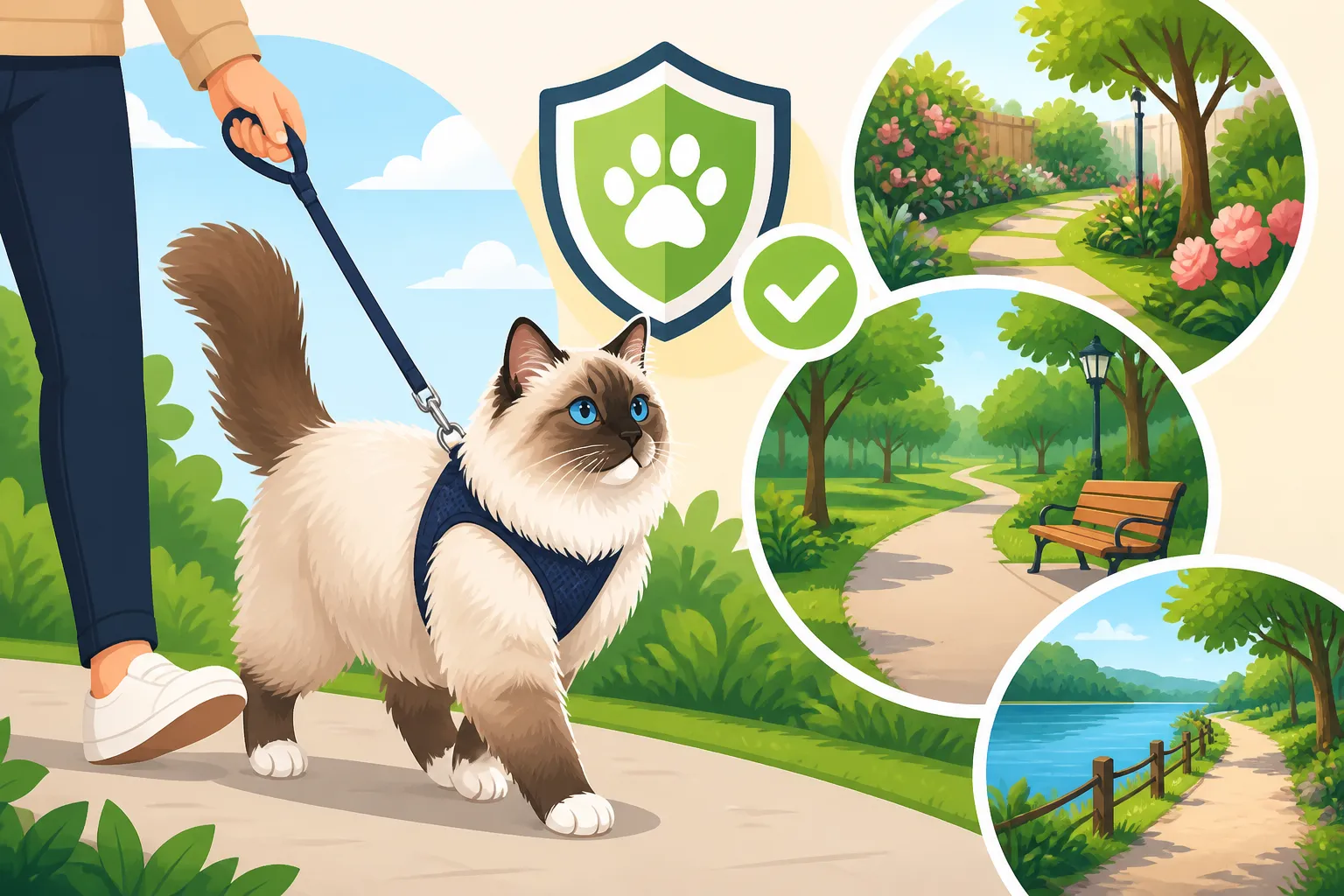
Where a Birman Can Be Walked Without Being Frightened
If you've ever dreamt of taking your beautiful Birman cat for a leisurely stroll, you're not alone! Many of us picture a serene walk in the park with our feline companion. But let's be realistic: while the idea is lovely, the reality of taking a cat, especially a gentle and often somewhat reserved Birman, into the great outdoors can be fraught with potential anxieties for them. The key isn't just where to walk them, but how to ensure their experience is safe, enjoyable, and most importantly, not terrifying. This guide will help you understand your Birman's unique needs when it comes to outdoor adventures, and how to create environments where they feel secure and happy, rather than overwhelmed.
Understanding Your Birman's Outdoor Personality and Preferences
Birmans are famously gentle, placid, and incredibly devoted companions. They love being near their humans and thrive on routine and a calm environment. This isn't a breed known for its daredevil antics or fierce independence in the face of new stimuli. Unlike some more boisterous or highly curious breeds, a Birman often prefers observation over active exploration, especially in unfamiliar territory. This quiet confidence indoors can translate into a need for extreme predictability and security outdoors.
Why the Outdoor World Can Be Overwhelming for a Birman
Imagine a world where every rustle, every distant siren, every sudden movement from a stranger feels like a potential threat. That's often what the outdoors can be like for a cat not accustomed to it, especially one as sensitive as a Birman. Their natural instinct is to be wary of predators and unfamiliar situations, a trait that hasn't been bred out, even in such a domesticated and sweet-natured breed.
The sheer volume of new sounds, smells, and sights can trigger their fight-or-flight response. A sudden loud noise, like a car horn or a barking dog, might send them scrambling for cover, leading to panic and potential injury if they slip out of a harness. Even something as seemingly innocuous as a child running past or another animal appearing unexpectedly can be incredibly frightening. Your Birman's placid temperament indoors means they might hide illness and stress incredibly well, so it's vital to be vigilant about their comfort levels. Why a Placid Birman Hides Pain is a good read to understand this characteristic. They are not typically the type to vocalize their distress loudly, often opting to freeze or try to escape silently.
Recognizing Signs of Stress and Fear in Your Birman
Before you even think about walking your Birman, it's crucial to be fluent in their body language when they're feeling stressed or fearful. This will tell you instantly if an outdoor experience is going wrong. Subtle cues are often the first indicators. Look for flattened ears, dilated pupils, a twitching tail held low, or a rigid body posture. They might stop grooming, refuse treats, or try to press themselves low to the ground. Excessive blinking or lip licking can also be signs of anxiety.
As stress escalates, you might see them try to bolt, hiss, growl (rare for a Birman, but possible under extreme duress), or even attempt to bite or scratch to escape. A Birman that is typically very social might become withdrawn or attempt to hide. If you notice any of these signs, the best thing you can do is immediately remove them from the situation and bring them back to their safe indoor space. Pushing them to "get used to it" when they're clearly distressed can create a lasting negative association with outdoor experiences, making future attempts even harder. Always prioritize their comfort over your ambition for an outdoor adventure.
Preparing for Safe Outdoor Exploration: Harnesses, Training, and Equipment
Before you even consider where to walk your Birman, you need to master the how. A secure harness and leash are non-negotiable for any outdoor cat adventure, and proper training is paramount. Without these foundations, any outdoor excursion risks becoming a frightening ordeal for your beloved feline.
Choosing the Right Harness and Leash
Not all cat harnesses are created equal, especially for a long-haired breed like the Birman with their magnificent ruff. You need something that is secure, comfortable, and escape-proof. A standard dog harness or a flimsy cat harness just won't cut it. Look for a harness that distributes pressure evenly across their chest and shoulders, rather than putting all the strain on their neck. Vest-style harnesses or those with multiple adjustable straps tend to be the most secure. Many reputable brands offer excellent options; you can find a wide selection of cat harnesses on Amazon, often with detailed reviews from other cat owners.
When trying on a harness, ensure you can fit two fingers comfortably under any strap, but no more. It should be snug enough that they can't back out of it, but not so tight that it restricts their movement or breathing. The leash should be lightweight and long enough to allow some exploration without dragging, ideally 4-6 feet. A retractable leash can seem appealing, but for a cat, it can teach them to pull and doesn't offer the same control in a sudden situation.
Harness Training: A Step-by-Step Approach
Introducing a harness requires patience and positive reinforcement, often taking weeks or even months. Remember, a Birman plays gently and responds well to praise, so consistency is key. Why Praise Motivates a Birman More Than Food is a great principle to remember here.
- Introduce the harness slowly: First, just let the harness sit near their food bowl or sleeping area so they can sniff and get used to its presence. You can offer treats near it.
- Short wear times: Once they're comfortable with its presence, put the harness on for very short periods (a few minutes) indoors, always followed by a high-value treat, playtime, or a meal. Don't attach the leash yet.
- Increase duration: Gradually increase the time they wear the harness, always supervising them. Watch for signs of discomfort or stress. Many cats will flop over initially, but most adjust.
- Add the leash: Once they're completely comfortable wearing the harness, attach the leash, but let them drag it around indoors for short periods. This gets them used to the feeling of something trailing behind them. Again, positive reinforcement is vital.
- Practice walking indoors: Start practicing walking on the leash indoors in a quiet, familiar area. Don't expect them to walk like a dog; let them lead, sniff, and explore. Follow them, rather than trying to make them follow you. This is about their comfort and exploration, not your agenda.
- Patience is key: Never force the process. If they show signs of stress, take a step back. The goal is a positive association, not coercion. It might take many sessions. Fitting a Harness Around a Birman's Ruff offers more specific tips for this breed.
Essential Outdoor Gear (Beyond Harness and Leash)
Beyond the harness and leash, consider these items for your Birman's safety and comfort outdoors:
- Carrier: A sturdy, secure carrier is essential for transporting your Birman to and from your chosen outdoor location. It provides a safe haven if they get overwhelmed or if you need to quickly get them to safety. Think about getting one that is Which Carrier Fits a Birman's Length.
- Water and Bowl: Even for short outings, hydration is important. Collapsible bowls are great for portability.
- Treats: High-value treats are crucial for positive reinforcement and can help distract them if they become anxious.
- First-Aid Kit: A small pet-specific first-aid kit can be a lifesaver for minor scrapes or insect stings. Include antiseptic wipes, paw balm, and gauze.
- Identification: Ensure your Birman is microchipped and wears a collar with up-to-date ID tags, even when on a harness and leash. Accidents can happen, and this vastly improves their chances of being returned if they somehow get loose.
- Portable Shade/Shelter: If you're spending more than a few minutes outdoors, especially in warm weather, a small pop-up tent or shaded carrier can offer a quick retreat from sun or unexpected frights.
Ideal Outdoor Settings for a Birman's Calm Nature
Now that you understand your Birman's personality and have the right equipment, let's talk about the where. The goal is always to minimize fright and maximize their sense of security. Forget bustling public parks or busy street corners. For a Birman, success means peace and predictability.
Secure Catios and Enclosed Spaces
Without a doubt, the absolute best place for a Birman to experience the outdoors safely is in a purpose-built catio or a securely enclosed garden. These spaces offer all the sensory enrichment of the outdoors – fresh air, sunshine, birdsong, interesting smells – without any of the associated risks of escape, predators, or frightening strangers.
- Catios: These can range from small window boxes to elaborate multi-level structures. They allow your Birman to observe the world from a safe vantage point. They can bask in the sun, watch birds, and feel the breeze without the stress of being approached by unknown dogs or people. There are many modular catio kits available on Amazon that can be assembled relatively easily, or you can build your own. What a Birman actually does in a catio is often just relax and observe, which is exactly what they need.
- Securely Fenced Gardens: If you have a private garden, ensuring it is genuinely cat-proof is another excellent option. This means high fences with inward-curving tops or electric fence toppers to prevent climbing over, and ensuring there are no gaps or holes for them to slip through. Even then, supervision is key, as no fence is 100% escape-proof for a determined cat. With a secure garden, your Birman can explore familiar territory at their own pace, hide under bushes if they feel nervous, and gradually become accustomed to the outdoor environment without the pressure of a leash.
These environments allow your Birman to engage with the outdoor world on their terms, making it a truly enriching rather than frightening experience. They can enjoy the sensory input and return indoors whenever they choose.
Quiet, Low-Traffic Private Property
If a catio or fully enclosed garden isn't an option, and you're committed to leash walks, the location must be extremely carefully chosen. The ideal spot is quiet, private property with very low foot or vehicle traffic.
- Your Own Backyard: If your backyard isn't fully enclosed but is relatively private and free from immediate hazards, this can be a good starting point. The familiarity of home scents and surroundings will provide a comfort zone. Keep initial walks very short, just a few minutes, focusing on allowing them to sniff and explore nearby bushes or patches of grass.
- A Friend or Family Member's Secure Yard: If you have access to a very quiet, securely fenced yard belonging to someone you trust, this could also work. The key is familiarity – both with the people present and the environment. Ensure there are no dogs or other pets roaming free during your visit.
- Rural or Secluded Areas (with extreme caution): In very rare cases, if you live in a truly rural, isolated area with no risk of encountering other animals, people, or traffic, a very short, highly supervised walk might be possible. However, this comes with significant caveats. The risk of encountering wildlife, loose dogs, or even simply getting disoriented is much higher. Why a Birman Would Be Stolen Outdoors is a sobering thought, even in seemingly safe areas. Always choose the path of least risk.
The paramount rule for any of these options is constant, vigilant supervision. Never leave your Birman unattended, even for a second, and be prepared to scoop them up and retreat at the first sign of distress or unexpected stimulus.
Public Spaces: Generally NOT Recommended for Birmans
This might sound harsh, but for a breed like the Birman, most public spaces are simply too overstimulating and unpredictable to be a "not frightening" walking environment.
- Busy Parks or Trails: These are often full of barking dogs, children running, cyclists, joggers, and unfamiliar scents. Each of these elements can be a trigger for a fearful cat. The sheer volume of sensory input is overwhelming.
- Sidewalks and Urban Areas: Cars, sirens, crowds, strange people, and concrete instead of grass – these are all recipes for a stressed Birman. The risk of them being startled and trying to escape, or even getting hit by traffic, is far too high.
- Pet Stores or Events: While some cats might enjoy these, they are high-stress environments for most, Birmans included. The novelty and constant interaction can quickly turn exciting into terrifying.
It's tempting to want to share all aspects of your life with your cat, but sometimes, the most loving thing you can do is protect them from environments that are inherently stressful for their species and personality. For a Birman, their placid, companion-loving nature means they value security and routine above adventurous thrills.
Maximizing Safety and Minimizing Fear During Outdoor Adventures
Even in the most ideal outdoor settings, there are always steps you can take to make the experience even better for your Birman. It's about being proactive and always putting their well-being first.
Timing Your Outings for Calm
The time of day you choose for your Birman's outdoor adventure can make a huge difference in how calm and enjoyable it is. Aim for the quietest times possible:
- Early Morning: Before most people, dogs, and traffic are out and about. The air is often cooler and fresher, and there's a peaceful quiet that's perfect for a sensitive cat.
- Late Evening: As the sun sets and the world winds down, similar conditions to early morning can prevail. Just ensure there's still enough daylight for you to see clearly and identify any potential hazards.
- Off-Season/Off-Peak: If you're utilizing a shared space (like a friend's large yard), consider going during times when it's least likely to be used by others. Weekday afternoons, for example, might be quieter than weekends.
Avoid peak hours, school dismissal times, or periods when local dogs are typically out for their walks. These high-activity times drastically increase the chances of a sudden fright.
Creating a Familiar "Home Base" Outdoors
Even in a catio or a quiet backyard, having a designated "safe spot" can make a world of difference for your Birman. This is a place they can retreat to if they feel overwhelmed or just need a moment of peace.
- Cozy Carrier: Bring their familiar carrier (the one you've made comfortable for them indoors) outside and leave the door open. Line it with a favorite blanket that smells like home. This offers a dark, enclosed space that feels safe and familiar. Learning How to Make a Carrier Familiar to a Birman is a step you should master anyway for vet visits and travel.
- Hidden Spots: If in a garden, ensure there are dense bushes, overturned pots, or small shelters where your Birman can hide if they feel threatened. Cats often feel more secure when they have cover.
- Familiar Scents: Bring out a favorite bed, blanket, or even a scratch post that has their scent on it. Familiar smells can be incredibly comforting in a new environment.
The presence of these familiar items helps bridge the gap between their indoor sanctuary and the new outdoor space, reducing anxiety.
Managing Interactions and Stimuli
You are your Birman's protector and advocate when they are outdoors. Your vigilance is their safety net.
- Control Encounters: If you're on a leash, be prepared to physically block your Birman's view or pick them up if an unknown dog or person approaches. Don't assume others will understand a cat's need for space. It's okay to politely ask people to keep their distance.
- Minimize Noise: If you're talking on the phone or listening to music, keep the volume low. Your Birman's hearing is far more sensitive than yours.
- Short and Sweet: Keep initial outdoor excursions very short – just 5-10 minutes. Gradually increase the duration as your Birman's confidence grows. It's better to end on a positive note, leaving them wanting more, than to push them until they're stressed. Remember, How Little Play a Birman Needs to Stay Content indoors, so outdoors should be equally low-pressure.
- Focus on Them: Use this time to bond with your Birman. Offer gentle strokes, talk to them in a soothing voice, and offer treats. Observe their body language constantly. Are they relaxed? Are their ears forward? Are they sniffing curiously? Or are they tense and looking for an escape route?
- Respect Their Limits: Some Birmans might simply never enjoy being on a leash outdoors, no matter how much training or how quiet the environment. If your Birman consistently shows signs of fear or distress, don't force it. There are many other ways to enrich their lives indoors, and their comfort is always the priority.
Ultimately, the goal is to provide a controlled, low-stress outdoor experience that enhances your Birman's life, not detracts from it. By understanding their gentle nature, preparing diligently, and choosing the right environment, you can offer them a taste of the wild without any of the fright.
| Outdoor Environment Type | Birman Suitability | Key Advantages | Potential Challenges |
|---|---|---|---|
| Catio (Enclosed Structure) | Excellent | Maximum safety, full outdoor sensory experience, no escape risk, consistent environment. | Initial setup cost, requires space, may need regular cleaning. |
| Securely Fenced Private Garden | Good (with supervision) | Freedom to roam, natural environment, familiar scents. | Requires robust cat-proofing, constant supervision, still potential for wildlife. |
| Leash Walk in Private Backyard | Moderate to Good (with training) | Controlled exposure, familiar home base, builds confidence gradually. | Requires extensive harness training, very limited exploration area, potential for sudden scares. |
| Leash Walk in Rural/Secluded Property | Moderate (with extreme caution) | More varied scenery than backyard, fresh air. | High risk of unexpected wildlife, loose dogs, getting lost if escapes, requires high vigilance. |
| Public Parks / Urban Areas / Busy Trails | Poor to None | Exposure to varied stimuli. | Overwhelming, high noise, unpredictable crowds/dogs, high escape risk, high stress for cat. |
Disclaimer
This article is for general informational purposes only and does not constitute professional advice. Laws, prices and regulations vary by location and change over time. Consult a qualified professional for guidance on your specific situation.