Why a Birman Kitten Bites Less Than Most
It's a common story, isn't it? You bring home a new kitten, full of boundless energy and adorable mischief, only to find your hands, ankles, and anything that moves quickly becoming prime targets for playful (but sometimes painful!) nips and bites. Many new cat parents expect this as part of kittenhood, a phase they just have to "get through." But if you're bringing a Birman kitten into your life, you'll often discover a remarkably different experience. This guide will explore exactly why Birman kittens tend to bite far less than many other breeds, delving into their unique temperament, play style, and how their environment further encourages their gentle nature.
The Birman Temperament: A Foundation of Gentleness
One of the most defining characteristics of the Birman cat, and perhaps the primary reason their kittens exhibit less biting, is their inherently gentle and placid temperament. This isn't just a happy accident; it's a trait that has been carefully nurtured throughout the breed's history.
Inherited Placidness
The Birman is often referred to as the "Sacred Cat of Burma," and while their exact origins are shrouded in a lovely legend, their development in Europe focused heavily on temperament as well as beauty. Breeders consistently selected for calm, affectionate, and docile cats, creating a feline companion that is known for its serene disposition. This placidness is deeply ingrained in their genetic makeup, setting them apart from many of their more boisterous cousins.
Think about the high-energy breeds out there – some cats are practically born with a motor running, ready to chase, pounce, and wrestle with a fierce enthusiasm that can sometimes translate into sharp kitten teeth on human skin. A Birman kitten, by contrast, seems to emerge from the womb with a more tranquil approach to life. They observe, they explore with gentle curiosity, and their play tends to be less about aggressive tussling and more about graceful interaction. They carry themselves with an air of dignified calm, even in their kitten antics. If you've ever observed a group of kittens, you'll quickly see that while some are relentlessly grappling with their littermates, the Birman will often be found engaging in quieter, more measured forms of play. They truly sit somewhere between the boisterous energy of a Siamese and the extreme placidity of a Persian when it comes to activity levels. The Birman Sits Between the Siamese and the Persian This middle-ground nature contributes significantly to their less bitey tendencies.
Early Socialization and Breeder Influence
While genetics lay the groundwork, the environment and early experiences a kitten has are absolutely crucial in shaping their behavior. Reputable Birman breeders understand the importance of early socialization and go to great lengths to ensure their kittens are well-adjusted and comfortable with human interaction from a very young age.
A good breeder will handle their kittens daily, from the moment they are born. This isn't just a quick pat; it involves gentle cuddles, stroking, and familiarizing the kittens with human touch. They are often exposed to various household sounds, gentle handling by children (under supervision, of course), and interaction with other well-tempered adult cats. This consistent, positive exposure teaches Birman kittens that human hands are sources of comfort and affection, not playthings to be bitten. They learn bite inhibition naturally through playing with their littermates and their mother, and this lesson is reinforced by gentle human interaction. If a kitten does mouth a little too hard, a subtle correction (like a soft "ouch" or briefly withdrawing attention) is usually all that's needed because their natural inclination is to be gentle. Learning How to Handle a Birman Kitten From Day One properly from a breeder can significantly reinforce this inherent gentleness, making for a kitten that is already accustomed to soft interaction.
Play Style and Communication: A Softer Approach
Every cat has its own unique way of playing and communicating. Birman kittens, true to their serene nature, typically adopt a softer approach in both these areas, further minimizing the likelihood of biting.
Gentle Play Habits
Birman kittens love to play, make no mistake about that! But their play style is less about rough-and-tumble wrestling and more about elegance and stealth. You'll often see them stalking a toy with intense focus, executing graceful pounces, and batting at feathers or balls with their paws rather than clamping down with their teeth. They enjoy chasing wand toys, batting at crinkle balls, or exploring tunnels. They tend to use their claws for climbing or batting, but rarely as an offensive weapon during play with humans.
They prefer toys that allow for graceful movement and light interaction over those that invite aggressive grappling. Think feather wands that dance enticingly, small soft balls they can bat around, or puzzle feeders that engage their minds. For a Birman, a successful play session is often one where they get to stalk, chase, and pounce without ever needing to use their full bite force. Finding Which Toys Suit a Birman That Plays Quietly can really help encourage this gentle play style. Many suitable toys can be found on Amazon, ranging from interactive feather wands to laser pointers and soft plush toys, all of which align with a Birman's preference for less aggressive play.
Subtle Communication Cues
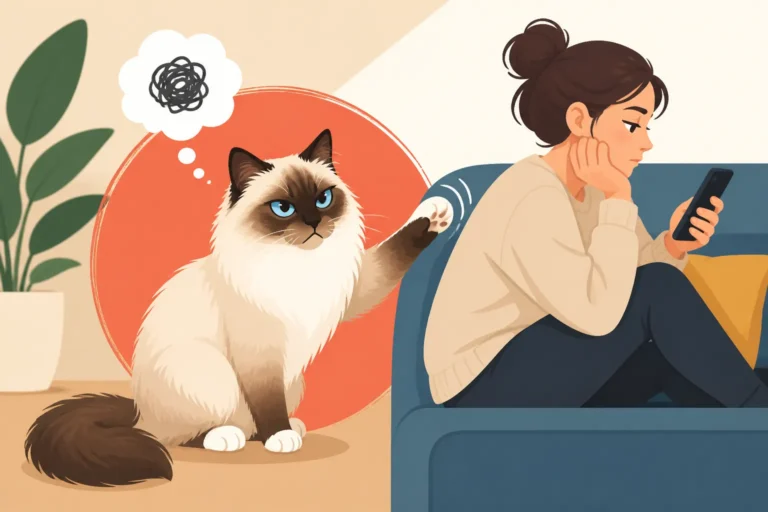
One of the beautiful things about Birmans is their nuanced way of communicating. Unlike some more vocal or physically demonstrative breeds, a Birman will often convey its feelings with subtlety. If a Birman kitten is overstimulated, uncomfortable, or simply wants a break from play, they are far more likely to simply walk away, turn their head, or offer a soft, quiet protest rather than resorting to a nip.
They might give a soft trill, flick their tail gently, or simply change their body posture to signal their desire for space. It's rare for a Birman to go from calm to a bite without several clear, albeit subtle, signals in between. This means that attentive owners have plenty of opportunities to recognize these cues and adjust their interactions before any biting behavior even emerges. Understanding Why a Birman Walks Away Instead of Swiping is key to appreciating their natural inclination towards non-confrontational communication. This behavior makes them exceptionally easy to read and interact with, even for novice cat owners, because their warnings are quiet rather than sharp.
The Importance of Environment and Training
While genetics and early socialization provide a strong foundation, the ongoing environment and consistent gentle training at home play a vital role in maintaining a Birman kitten's placid disposition and ensuring they continue to bite less.
A Calm Home Environment
A Birman thrives in a peaceful and predictable home. Their serene nature means they are generally not fans of loud, chaotic environments or constant upheaval. While they are adaptable and can handle change well with proper introduction, a stable and loving home reinforces their natural calmness. When a Birman kitten feels secure and safe, they are less likely to exhibit any defensive or stress-induced behaviors, including biting.
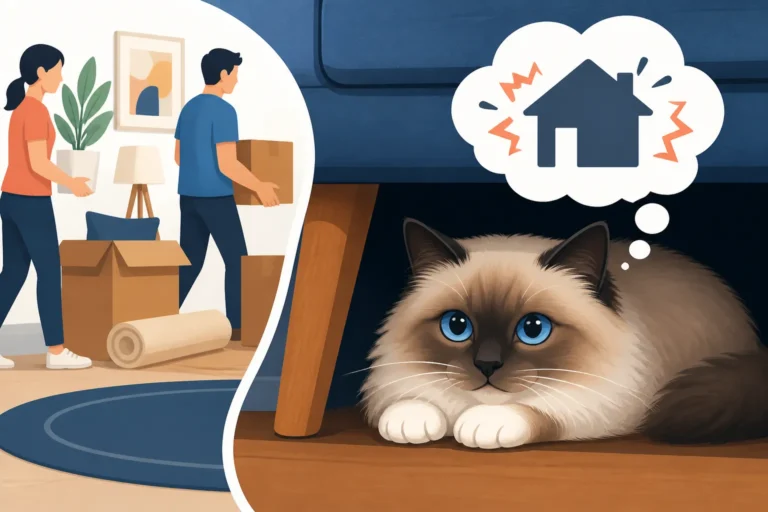
Imagine a home where sudden loud noises are frequent, or where the kitten constantly feels overwhelmed by too much activity. Any cat, even a Birman, could become stressed. However, even under duress, a Birman's first reaction is rarely to bite. Instead, a stressed Birman might hide, become withdrawn, or show a reduced appetite. What a Stressed Birman Does is typically to retreat, not lash out. Therefore, providing quiet spaces, a consistent routine, and a generally calm atmosphere helps nurture their gentle temperament, discouraging any aggressive play or defensive nipping. Moving house, for example, can be unsettling for any cat, but with careful planning, a Birman can adapt beautifully. Understanding How a Birman Takes to Settle After a Move and providing a calm integration period will reinforce their trust and gentle nature.
Reinforcing Gentle Interactions
As an owner, you have a huge role to play in continuing to foster your Birman kitten's gentle nature. The key is consistent positive reinforcement for desired behaviors and redirecting any unwanted actions gently.
Here are some tips:
- Never use your hands as toys. Always use a wand toy, a kicker toy, or a small plush mouse when playing. This teaches the kitten that hands are for petting and cuddling, not for biting. Many interactive toys for this purpose are readily available on Amazon, ensuring your hands stay safe.
- Praise gentle play. When your kitten plays nicely with a toy, or when they solicit attention with a head-butt or a soft rub rather than a playful nip, offer verbal praise and gentle strokes.
- Redirect immediately. If, by chance, your Birman kitten does nip, immediately (but calmly) withdraw your hand and offer an appropriate toy instead. This teaches them what is acceptable to bite.
- Be consistent. Everyone in the household should follow these same rules. Children should be taught how to interact gently, supporting the cat's long body and understanding its signals. Teaching a Child to Support a Birman's Long Back is a wonderful way to ensure safe and respectful interactions from a young age. This consistency is vital for a Birman kitten to understand and internalize the boundaries of play. You can even find specific cat-friendly play gloves on Amazon if you're working with particularly boisterous kittens, though for a Birman, they're rarely a necessity.
Comparing Birman Kittens to Other Breeds
To truly appreciate the Birman's gentle nature, it helps to put it into context by comparing their biting tendencies with those of other popular cat breeds.
Contrast with High-Energy Breeds
Consider breeds like the Siamese or some high-energy domestic shorthairs. These cats often have an incredibly high play drive and may express their excitement or frustration through more intense physical interactions, sometimes including playful (or not-so-playful) biting. Their energy levels are often through the roof, leading to more boisterous wrestling and chasing that can involve teeth. A Siamese kitten, for instance, might be a whirlwind of vocalizations and frantic activity, and while charming, this energy can sometimes translate into a more "hands-on" approach to play, involving sharp little teeth. How a Birman's Energy Compares to a Siamese's highlights this difference beautifully; Birmans simply don't have the same intense, often over-the-top, energy that can lead to more biting.
Birman kittens, on the other hand, while active, usually maintain a more controlled and graceful approach. Their play sessions might involve bursts of speed and agility, but they rarely escalate to the point of aggressive biting towards humans. Their natural inclination is to be companions rather than fierce hunters of human digits. This isn't to say other breeds are "bad," but rather that the Birman's specific temperament minimizes this common kitten behavior.
The Ragdoll Comparison
The Birman is often compared to the Ragdoll, another stunning long-haired, blue-eyed breed renowned for its gentle disposition. Both breeds are known for being exceptionally sweet, tolerant, and good with families. Many people wonder Whether a Birman and a Ragdoll Behave Alike. Indeed, in terms of general gentleness and a low propensity for biting, they share many similarities. Both tend to be less prone to biting than many other breeds.
However, there are subtle differences. While both are calm, some might argue that Ragdolls can be a touch more "floppy" and less independent in their affection, sometimes melting into your arms. Birmans are affectionate but often prefer to be near you rather than constantly on your lap. This slight difference in how they express affection doesn't necessarily mean one bites more or less, but it speaks to their individual nuances. Both are excellent choices for homes seeking a kitten that is inherently less inclined to nip or bite aggressively. Ultimately, both breeds prioritize gentle interaction, making either a wonderful companion for those seeking a more docile feline friend.
What if a Birman Kitten Does Bite?
Even with their reputation for gentleness, no cat is a robot. There might be rare instances where a Birman kitten, or even an adult Birman, might nip or bite. Understanding why this might happen and how to respond is crucial.
Understanding the Cause
If your Birman kitten, usually so gentle, suddenly nips or bites, it's a clear signal that something is amiss. This behavior is almost always a reaction to discomfort, fear, stress, or inappropriate handling, rather than an aggressive tendency.
Consider these possibilities:
- Pain or Discomfort: A kitten might lash out if you touch a sore spot, perhaps an injury you weren't aware of, or even during teething if their gums are particularly tender. A visit to the vet might be in order to rule out any underlying health issues.
- Fear or Startle: A sudden loud noise, an unexpected grab, or a perceived threat can cause any animal to react defensively. If your kitten feels trapped or startled, a nip could be an instinctual response.
- Overstimulation: While Birmans are generally tolerant, even the calmest cat can become overstimulated during intense play or prolonged handling, especially if it's rough. They might be trying to signal "I've had enough."
- Inappropriate Play: If a kitten has been inadvertently taught that biting hands is part of the game (perhaps by previous owners or children who didn't know better), they might continue this behavior. However, Birmans are quick learners and usually respond well to redirection.
- Stress: Changes in environment, new pets, or other stressors can manifest in behavioral changes. A Birman under stress might hide, stop eating, or, in very rare cases, lash out if they feel cornered. Remembering What a Stressed Birman Does can help you understand the root cause of any sudden behavioral shifts.
Gentle Correction and Redirection
When a Birman kitten nips, the response should always be calm, consistent, and geared towards teaching, not punishment. Harsh punishment, yelling, or hitting will only breed fear and mistrust, potentially exacerbating the problem rather than solving it.
Here’s how to respond effectively:
- Stop the interaction immediately: If your kitten nips, let out a soft "ouch!" or a high-pitched "eep!" (like another kitten might do), and immediately withdraw your hand. This simulates how a littermate or their mother would react.
- Ignore for a short period: Turn your back, walk away, or leave the room for a minute or two. This teaches the kitten that biting leads to the immediate cessation of playtime or attention.
- Redirect to appropriate toys: After a brief pause, offer an appropriate toy for them to bite or pounce on. Waving a wand toy from Amazon can quickly refocus their attention away from your hands. This reinforces that toys are for biting, hands are not.
- Be patient and consistent: It might take a few repetitions, but Birmans are intelligent and eager to please. They will quickly learn the boundaries if everyone in the household is consistent in their reactions. Never wrestle with your hands or encourage rough play that involves biting, even if it feels cute when they're tiny.
By understanding the Birman's innate gentleness, respecting their subtle communication, and providing a consistent, loving environment, you'll find that biting is a rare occurrence with these truly special kittens. They are a joy to share your home with, offering quiet companionship and endless soft purrs instead of painful nips.
Disclaimer
This article is for general informational purposes only and does not constitute professional advice. Laws, prices and regulations vary by location and change over time. Consult a qualified professional for guidance on your specific situation.