Which Litter Suits a White Gloved Cat
The Birman's beautiful white gloves are a stunning hallmark of the breed, but if you're a Birman parent, you know the struggle: keeping those pristine paws clean when they're constantly digging in the litter box. It's a common frustration to see those lovely white feet pick up unsightly dust or even become discolored from certain litters, dulling their elegant appearance. This guide is here to help you navigate the world of cat litter to find the best options for maintaining your Birman's signature clean paws, ensuring their beauty shines through every step they take.
The Pristine Paws Predicament: Why Birman Gloves Are So Vulnerable
There’s nothing quite like the sight of a Birman cat, with their striking blue eyes, silky coat, and those exquisite white "gloves" on their paws. These aren't just random white markings; they're a defining characteristic, often extending in a symmetrical line across the front paws and forming delicate "laces" up the back legs. Owners cherish these unique markings, and rightly so, as they contribute significantly to the Birman's regal and gentle appearance. But what makes them so special also makes them incredibly susceptible to the realities of daily cat life, especially when it comes to the litter box.
The Unique Appeal and Challenge of Birman Gloves
Imagine the delicate, fine fur that graces your Birman's paws. Unlike some breeds with denser, coarser hair, the Birman's coat is known for its incredible softness and flow, particularly on the "gloves." This exquisite texture, while a joy to touch, also acts like a tiny magnet for dust, fine particles, and any moisture it comes into contact with. These aren't just white paws; they are a genetic marvel, a hallmark of the breed that breeders strive to perfect, and owners adore. However, this very fineness means that even the slightest amount of litter dust can cling to the hairs, embedding itself into the pristine white.
We understand the pride you feel in your Birman's impeccable appearance, and the disappointment that washes over you when you notice their once-brilliant white paws looking a little dingy. You spend time admiring their elegance, and want to keep them looking their best. It's a constant battle, isn't it? That beautiful silky fur, especially on those pure white paws, just seems to attract everything. We put so much effort into their grooming, only for a quick trip to the litter box to undo some of that hard work. You can read more about how to ensure their paws stay clean in How to Keep a Birman's Gloves Clean.
The Unwanted Stains: From Dust to Discoloration
It’s one thing for dust to cling to fur temporarily, but with Birmans, the problem can escalate. The microscopic particles from certain litters, especially traditional clay varieties, can contain pigments or chemicals that, over time, aren't just superficial dirt. When these particles mix with the natural oils on your cat's fur, or even just a tiny bit of moisture, they can begin to cause a gradual discoloration. What starts as a light dusting can turn into a dull, yellowish, or even brownish tint that seems to stubbornly embed itself into the fur fibers. This is particularly noticeable on white fur, which highlights every imperfection.
This isn't just about aesthetics; it's about comfort and hygiene, too. Owners often find themselves increasing their grooming efforts, gently wiping paws after every litter box visit, which can be a tedious and sometimes frustrating chore for both cat and human. You want your Birman to be able to enjoy their daily routines without the constant worry of unsightly stains. That sinking feeling when you realize the discoloration isn't just surface-level, but seems to have permanently altered the bright white, is a shared experience among many Birman parents. This constant battle against yellowing paws is a real headache, and it’s why many of us dread seeing those lovely white paws lose their sparkle. For more on this, you might find Why a Birman's Gloves Go Yellow insightful.
Deciphering Litter Types: A Deep Dive for White Paws
Choosing the right cat litter feels like a never-ending quest, doesn't it? There are so many options out there, each promising to be the best, the cleanest, the most odor-controlling. But for a Birman owner, the stakes are a little higher. We're not just looking for something functional; we need something that actively protects those precious white gloves. Understanding the fundamental differences between litter types is the first step toward making an informed choice that benefits both your cat's health and their stunning appearance.
The Clay Conundrum: Traditional vs. Low-Dust Options
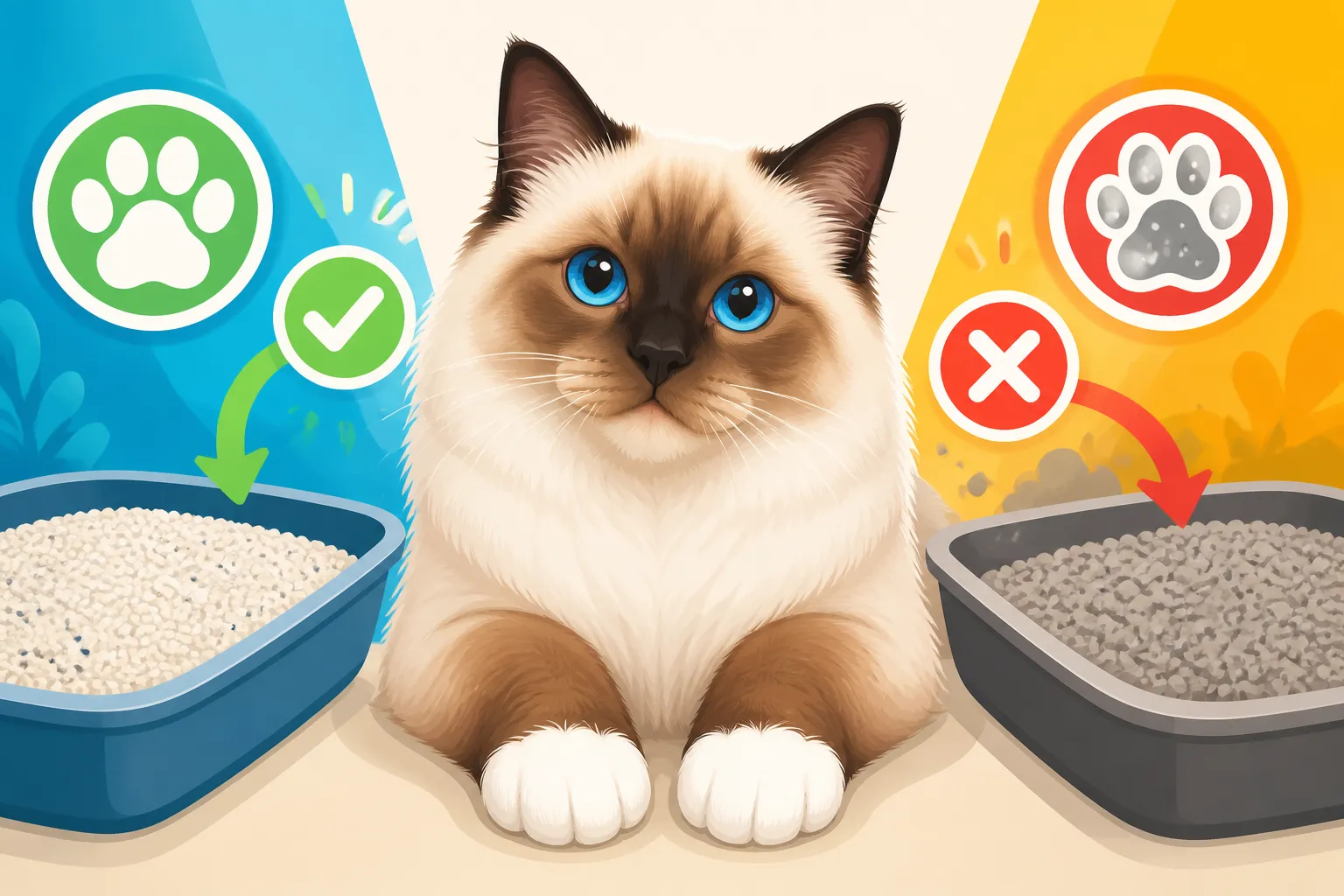
Traditional clay litter has been the go-to for generations of cat owners, primarily because it's economical and, in its clumping form, relatively easy to scoop. It works by absorbing urine and solid waste, forming clumps that can be removed. However, if you've ever poured a bag of conventional clay litter, you know the immediate downside: the dust cloud. This isn't just a minor annoyance; for a Birman with delicate white fur, it's a disaster waiting to happen. The fine, powdery clay particles immediately cling to their paws, coat, and even get inhaled by both cat and human. This pervasive dust is the primary culprit behind dingy, discolored white gloves.
Thankfully, advancements in litter technology have brought us "low-dust" or "99% dust-free" clay litters. These are processed differently, often undergoing additional screening or using larger granule sizes to significantly reduce the amount of fine, airborne particles. While no clay litter can truly be 100% dust-free, these improved versions make a world of difference for white-gloved cats. The reduction in dust means less residue clinging to fur, less tracking through the house, and a much cleaner paw environment. When evaluating these, however, it’s important to remember that even a "low dust" claim might still leave a subtle residue on pristine white fur. You can learn more about how dust affects your cat's paws in Why Dusty Litter Ruins a Birman's Gloves.
Silica Gel: The Clear Choice for Cleanliness?
Silica gel litter, often referred to as crystal litter, operates on a different principle than clay. These litters are composed of tiny, porous silica beads that absorb moisture and odor molecules, essentially trapping them within the crystals. The magic here for Birman owners is its incredibly low dust profile – many silica gel litters are virtually dust-free. This characteristic alone makes them a strong contender for keeping white gloves pristine, as there's simply less particulate matter to cling to fur.
Beyond the minimal dust, silica gel litters typically offer excellent odor control and can last longer between full changes compared to some clumping clay varieties, as you only scoop solid waste and stir the crystals to distribute moisture. This means fewer instances of your Birman wading through damp, potentially staining litter. However, silica gel isn't without its considerations. Its texture can be quite different from traditional clay, and some sensitive Birmans might initially be wary of stepping on the crystals. While they track less fine dust, larger crystals can sometimes be scattered further. You can explore options that lead to a cleaner experience in Which Litter Leaves a Birman's Gloves Clean.
Natural Litters: Green, But Are They Clean for White?
The market for natural litters has exploded, with options ranging from pine to corn, wheat, and recycled paper. Many owners are drawn to these for their biodegradability, renewable sourcing, and often pleasant natural scents. However, for a white-gloved Birman, their suitability needs careful consideration.
Pine litters, often sold as compressed pellets, are generally lower in dust than traditional clay. But as they absorb moisture, these pellets break down into sawdust, which can still be dusty and might even have a yellowish or brownish tint that could transfer to white paws. Corn and wheat litters typically come in finer granules. While some brands are better than others, they can still produce dust and, depending on their natural color or any added dyes, potentially stain light-colored fur. Recycled paper litters, usually in pellet or crumble form, are often praised for being nearly dust-free and very gentle on paws, making them a good choice for cats with sensitivities or after surgery. However, paper litters generally offer less robust odor control than clumping clay or silica gel, and their absorption can sometimes leave the box feeling damp, which isn't ideal for keeping white paws dry and clean. Ultimately, while natural litters offer environmental benefits, you need to be cautious about their potential for dust or color transfer onto those precious white gloves. For a deeper dive into paper litter, check out Whether Paper Litter Suits a Birman.
The Non-Negotiables: What Your Birman Litter Must Have
When you're trying to keep those beautiful Birman gloves looking their best, you can't compromise on certain litter qualities. It's not just about what's convenient or affordable; it's about proactively preventing stains and ensuring your cat's comfort and hygiene. Think of it as a specialized checklist for a specialized cat.
Dust Control: The Foremost Priority
For a Birman, the phrase "low dust" isn't just a marketing buzzword; it's the absolute minimum requirement. Ideally, you should be aiming for "virtually dust-free" products. Even a small amount of airborne dust, invisible to the naked eye when pouring, will inevitably settle on your cat's fine white fur and accumulate over time. This is how those pristine gloves gradually lose their sparkle and take on a dull, discolored appearance. You might not see a cloud every time your cat digs, but the microscopic particles are still there, doing their slow but sure damage.
It's about more than just aesthetics, too. That fine dust, whether from clay or even some natural litters, can be irritating to your Birman's respiratory system, and yours! Cats are fastidious groomers, and they'll be licking any dust off their paws and fur. Prioritizing dust control is a kindness to their lungs and digestive system, as well as a direct line to cleaner paws. Always look for packaging that proudly boasts "99% dust-free" or "ultra-low dust," and be prepared to read reviews from other owners with white-pawed cats to get a real-world assessment.
Superior Clumping and Odor Elimination
When it comes to litter, excellent clumping ability is paramount for a Birman, perhaps even more so for their overall hygiene than for keeping their gloves clean. Why? Because tight, hard clumps mean that soiled litter is fully encapsulated and easily removed from the box. This prevents partially saturated litter from breaking apart and sticking to your Birman's paws as they dig, and it keeps the rest of the litter bed much cleaner. If urine soaks into the surrounding litter and doesn't form a solid clump, it creates a damp, soiled environment that is much more likely to transfer residue and odor onto those delicate white hairs.
Coupled with superior clumping is effective odor elimination. A litter that controls odor well reduces the need for strong perfumes or deodorizers, which can sometimes be dusty or irritating. Instead, it relies on its absorbent properties or activated carbon to neutralize smells. A fresh-smelling box encourages your Birman to use it happily, and a cleaner box means less residual grime on their paws. Remember, even the best clumping litter needs frequent scooping – daily, ideally – to maintain its efficacy and keep those white gloves as clean as possible. Regular scooping also means How Often to Change Litter for a White Footed Cat for your Birman, extending the life of your litter.
Paw-Friendly Texture and Tracking Minimization
Your Birman's comfort is key, and that extends to the texture of their litter. Cats generally prefer softer, finer textures that mimic natural soil, which is why many traditional clay litters are popular. A litter that is too coarse, sharp, or unusual in texture can deter your Birman from using the box, leading to accidents outside of it. This becomes a balancing act: fine textures are often preferred by cats but can sometimes be more prone to tracking and dust. However, advances in litter technology mean you can often find fine-grained litters that are also low-dust and low-tracking.
Minimizing tracking is another crucial factor for white-gloved cats. Tracking refers to the litter particles that stick to your cat's paws and are then carried out of the box and spread around your home. For a Birman, this means those lovely white gloves become little carriers for dusty, dirty particles. While litter mats can certainly help, choosing a litter that inherently tracks less will dramatically reduce the amount of work you have to do to keep paws and floors clean. Look for litters with medium-sized granules, or those specifically formulated for low tracking. Understanding Why a Birman's Coat Carries Litter Out of the Box can also help you choose the right litter and accessories.
Top Recommendations for Birman-Friendly Litters
Navigating the overwhelming number of litter options can feel like a full-time job. But with your Birman's pristine white gloves in mind, we can narrow down the field significantly. The goal is always to find the sweet spot between cleanliness, odor control, and paw comfort, while relentlessly fighting that dreaded dust and potential for staining.
High-Performance Low-Dust Clay Litters
If you're accustomed to traditional clay litter and your Birman is happy with its feel, you don't necessarily have to abandon it completely. The key is to upgrade to a premium, high-performance "low-dust" or "99% dust-free" clumping clay. These litters are specifically engineered to minimize fine particulate matter, which is your Birman's number one enemy when it comes to keeping those white gloves clean. Look for brands that clearly state "multi-cat formula" as these often have enhanced odor control and form extra-hard clumps, making daily scooping more effective and keeping the remaining litter cleaner.
When shopping, pay close attention to user reviews, specifically looking for comments from owners who mention minimal dust or success with white-pawed cats. While no clay will ever be truly 100% dust-free, the best of these options come incredibly close and significantly reduce the chances of your Birman's gloves becoming dingy or stained. A good strategy is to buy a smaller bag of a new brand to test it out in your home environment before committing to a large, heavy box. For readily available options, check out the "low dust" or "dust-free" sections on Chewy or Amazon and read user reviews specifically mentioning dust and white paws.
Embrace the Clarity of Silica Gel
For many Birman owners, silica gel crystal litter becomes the holy grail for maintaining those impossibly white paws. Its primary advantage is its almost non-existent dust production. This means your Birman can dig, cover, and exit the litter box with virtually no dusty residue clinging to their fur, making it an excellent choice for preventing discoloration and maintaining a cleaner home environment. Silica gel also excels at odor absorption, trapping smells within its porous structure rather than just masking them.
When selecting a silica gel litter, consider the size of the crystals. Larger crystals or pearls tend to track less than very fine ones, further contributing to a cleaner floor and cleaner paws. One thing to be mindful of is that some cats don't like the texture of crystals underfoot; it's different from the soft feel of clay. If your Birman is notoriously finicky, try mixing a small amount of silica gel with their current litter to slowly acclimate them to the new feel, or introduce a small separate box with the new litter. Both Chewy and Amazon offer a wide range of silica gel litters; take your time to compare brands and read reviews for texture and longevity.
Proceeding with Caution: Select Natural Litters
If your heart is set on a natural litter, perhaps for environmental reasons or because your Birman has sensitivities, you'll need to proceed with a more cautious and selective approach to protect those white gloves. The main pitfalls with natural litters for white-gloved cats are residual dust and potential for color transfer, especially if the litter is dark or contains natural dyes that can leach when wet.
Look for light-colored, pelletized pine litters, as these tend to produce less fine sawdust than crumbly versions, and their light color minimizes staining risk. Recycled paper pellets or crumbles are another good bet, often being very low dust and unlikely to stain due to their neutral color. However, be prepared for trade-offs; natural litters sometimes offer less potent odor control than their mineral-based counterparts, and their clumping ability can vary wildly. This might mean you'll need to perform full litter changes more frequently to keep the box fresh and prevent damp, soiled litter from coming into contact with your Birman's paws. Always avoid heavily dyed or dark natural litters, as these pose a higher risk of color transfer. It's truly amazing Why White Feet Change Which Litter You Buy and how a specific selection can make a huge difference.
Optimizing the Litter Box Environment for Clean Paws
Choosing the right litter is a massive step, but it’s only one part of the equation when you're aiming for impeccably clean Birman gloves. The entire litter box setup and your daily maintenance routine play an equally crucial role. Think of it as creating a full ecosystem designed to keep those beautiful white paws as pristine as possible, minimizing opportunities for dust and debris to cling to their delicate fur.
The Right Box and Placement
First and foremost, a Birman needs space. Their long, rectangular frames mean they need a litter box that’s generously sized, allowing them to turn around comfortably and dig without pressing against soiled sides. If your Birman feels cramped, they're more likely to step in their own waste or kick litter out of the box, directly leading to dirty paws. So, ditch those small, basic litter boxes and invest in something truly spacious. You can find out more about this in Why a Birman Needs a Longer Box Than a Round Cat.
Next, consider the height of the box. High-sided litter boxes are absolute game-changers for containing litter scatter. Birmans, like most cats, love to dig, and a high-sided box prevents much of that kicked-out litter from ever reaching your floor or, more importantly, your cat's clean fur as they exit. Whether you choose an open-top high-sided box or a covered one (ensuring good ventilation), the extra height creates a barrier. Finally, the placement of the litter box is important. It should be in a quiet, accessible location where your Birman feels safe and unhurried. A stressed cat might rush their litter duties, increasing the chances of messy paws. Consider Where a Birman Expects Its Boxes to Be to ensure they are comfortable.
The Unsung Heroes: Litter Mats and Routine Cleaning
Even with the perfect low-dust litter and a high-sided box, some litter will inevitably escape. That's where a good quality litter mat becomes an indispensable tool. Place a textured litter mat directly in front of and around the litter box opening. These mats are designed with grooves, loops, or honeycomb patterns that gently dislodge litter particles from your Birman's paws as they step out. Look for mats that are easy to clean – either by shaking them out or vacuuming – and that are soft enough for your Birman's sensitive paws.
Beyond the physical setup, your cleaning routine is paramount. Daily scooping is non-negotiable. The less time soiled waste sits in the litter box, the less chance there is for bacteria to grow, odors to develop, or particles to stick to paws. Aim to scoop at least once, preferably twice, a day. Additionally, perform full litter changes regularly. Even with diligent scooping, fine dust and microscopic debris will accumulate at the bottom of the box. Emptying, washing the box thoroughly with mild soap and water, and refilling it with fresh litter on a consistent schedule will maintain the cleanest possible environment, and is crucial for keeping those white gloves sparkling. Don't forget to regularly check How Often to Check Between a Birman's Toes for any embedded litter or debris.
Grooming as a Daily Ritual
Let’s be real: even with the best litter and the most impeccable setup, your Birman’s white gloves will still require some hands-on care. Making paw checks and gentle cleaning a part of your daily routine is the ultimate safeguard against persistent discoloration. Think of it as preventative maintenance that helps prolong the pristine look of their signature markings.
Keep a supply of pet-safe grooming wipes or a soft, damp cloth readily available near the litter box or in your cat’s favorite lounging spot. After your Birman uses the litter box, or just during a quiet cuddle session, take a moment to gently wipe their paws. This quick action can remove any lingering dust or fine litter particles before they have a chance to embed themselves into the fur or cause discoloration. Don't rub aggressively; a gentle pat and wipe is usually all that's needed. This also allows you to regularly inspect their paw pads for any issues. This proactive approach not only keeps their gloves looking beautiful but also reinforces a positive association with paw handling, which is beneficial for nail trims and overall veterinary care. For more detailed instructions on cleaning their paws, see How to Wash a Birman's White Feet.
Disclaimer
This article is for general informational purposes only and does not constitute professional advice. Laws, prices and regulations vary by location and change over time. Consult a qualified professional for guidance on your specific situation.