Whether a Birman Can Be Trained to Stay Off the Table
Birman table training methods explain why cats climb kitchen counters and how to gently stop this behavior without harsh punishments.
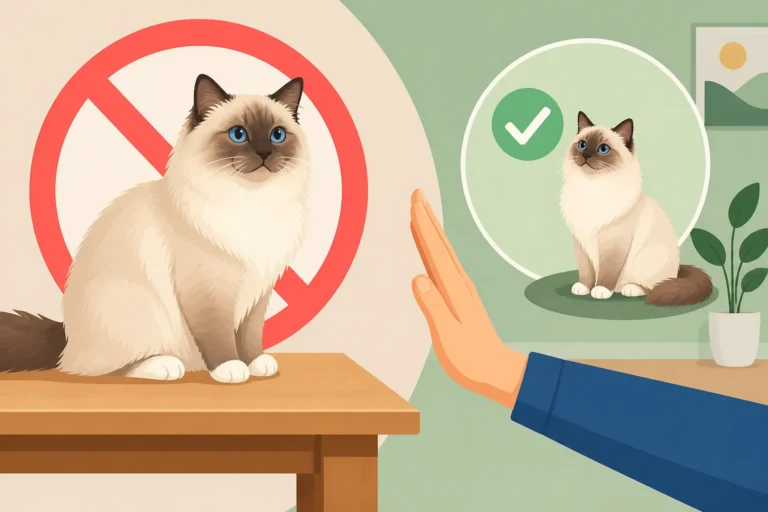
Birman table training methods explain why cats climb kitchen counters and how to gently stop this behavior without harsh punishments.

Birman play needs and gentle activity levels explained, helping owners provide proper mental stimulation through short sessions.

A sudden behavioral shift in a social Birman cat, such as hiding under a bed, signals distress that requires a veterinary visit.

Sudden behavior changes in a calm Birman cat, such as unexplained hiding, indicate hidden pain, illness, or distress requiring attention.

Aging Birman cat play and stimulation strategies explain how senior cats shift interests and maintain mental health with puzzle feeders.
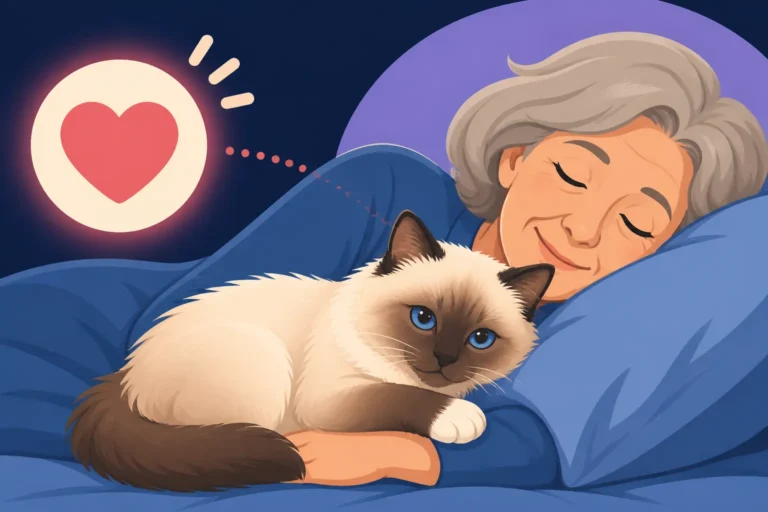
Aging senior Birman cats seek physical proximity for warmth, security, and comfort as their energy levels decline and they rest more.

Senior Birman cats over twelve need adapted play routines and mental stimulation that account for physical slowing and arthritis.

A seven year old Birman shifts from sprinting to stalking, favoring predictable games, structured routines, and mental engagement.

Birman cat development involves a slow physical growth process lasting up to three years alongside extended kittenish playfulness.

Birman cats reach adult size at ten to twelve months, but full behavioral maturity and development takes up to three years.