Caring for an Old Birman That Cannot Reach Its Back
Aging Birmans struggling with arthritis and muscle weakness receive practical help to maintain their coat comfort and dignity.
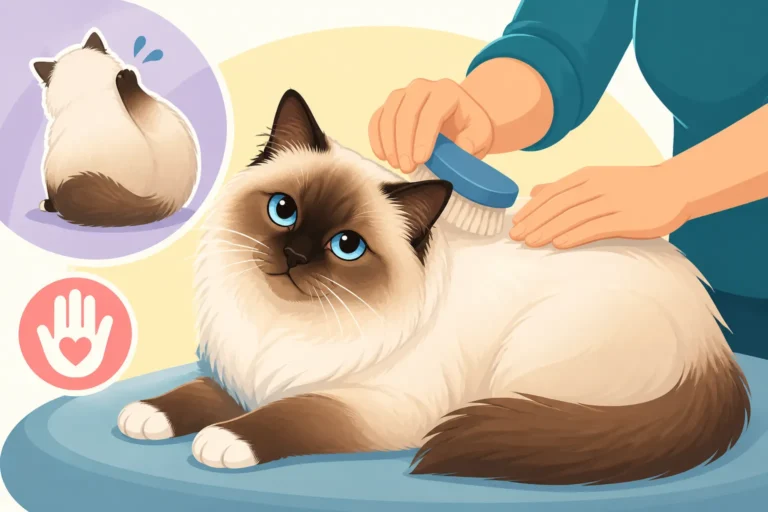
Aging Birmans struggling with arthritis and muscle weakness receive practical help to maintain their coat comfort and dignity.

Birman kitten nutrition supports point color development on ears, face, paws, and tail during the first year of rapid growth.
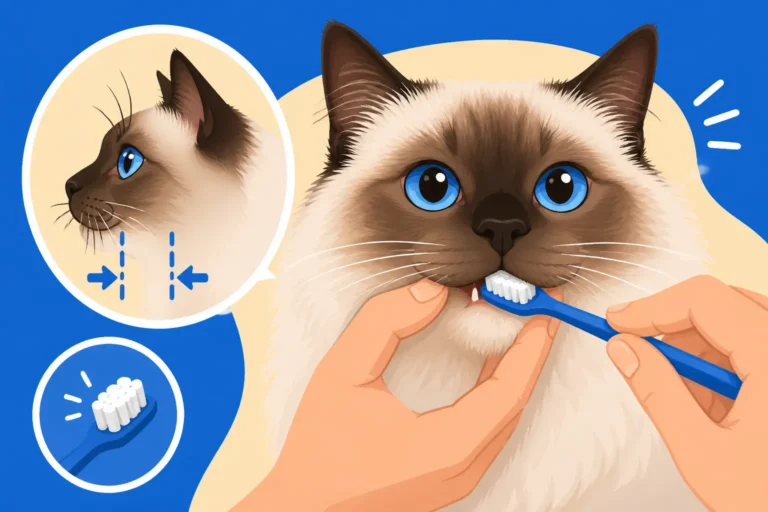
Birman dental care methods help owners manage narrow jaws and prevent painful periodontal disease, gingivitis, and tooth loss.
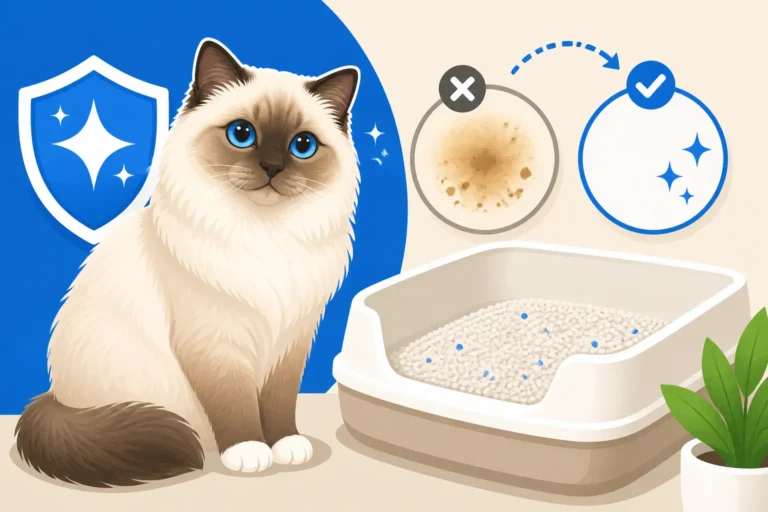
Birman white paw staining prevention requires choosing specific cat litter to stop dust and moisture discoloration on the feet.

Birman cat dietary needs and subtle hunger cues help owners manage quiet mealtime routines without vocal begging or frantic eating habits.

Birman cat grooming three times a week maintains the unique single coat, prevents tangles, and avoids intensive daily brushing.
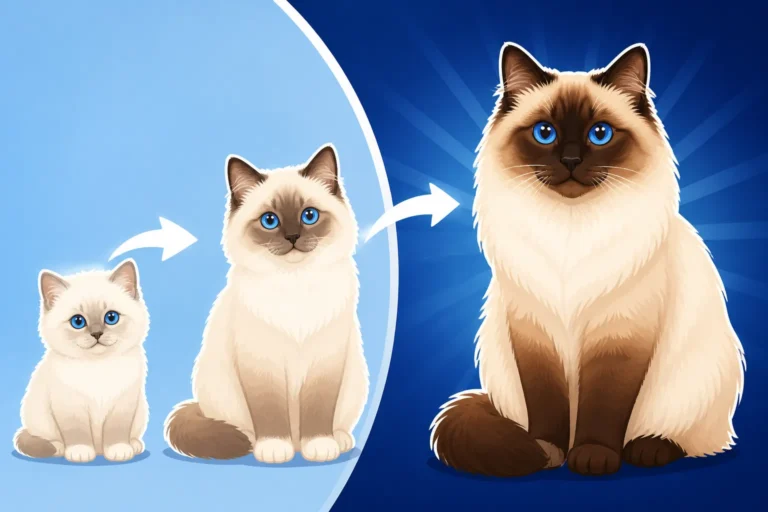
Birman point darkening occurs because a temperature-sensitive enzyme produces melanin in cooler body extremities as cats age.
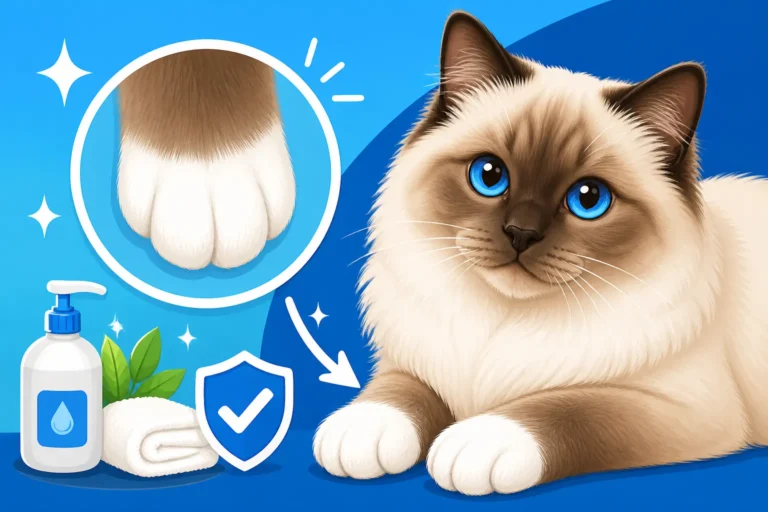
Birman paws and the unique single coat structure require specific care to prevent dirt and yellowing on the white fur.
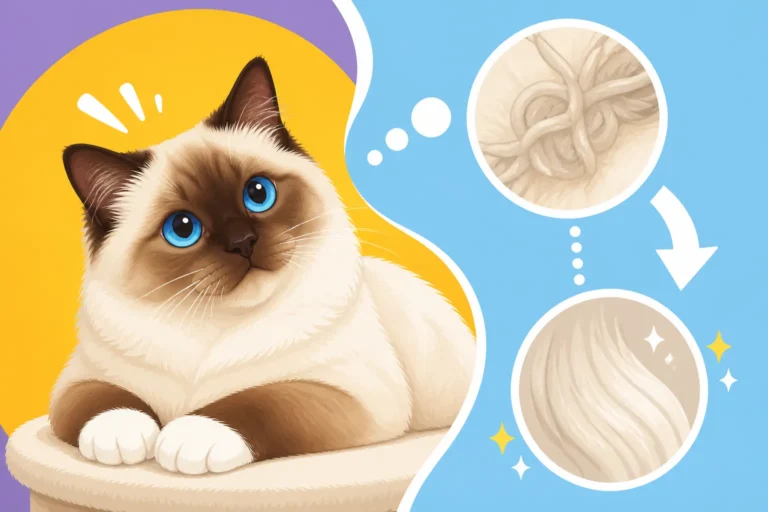
The Birman cat single coat and silky texture prevent severe matting, explaining why the long fur requires less daily grooming.
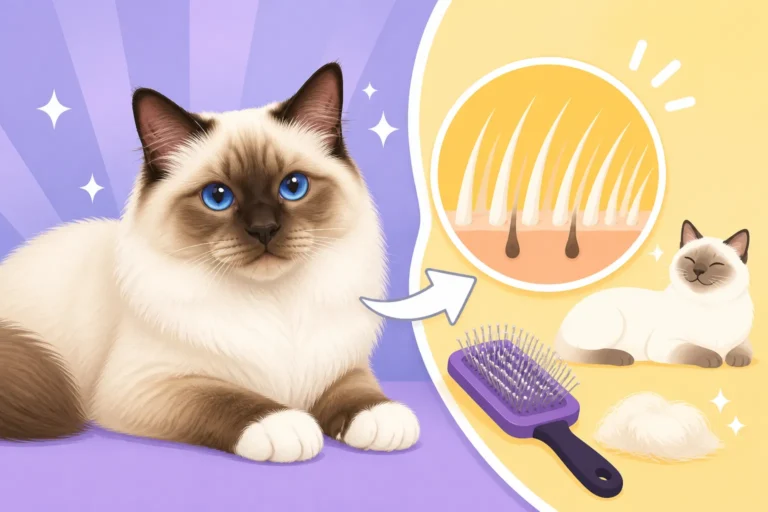
The Birman cat coat lacks a dense woolly undercoat, preventing stubborn mats and reducing daily brushing needs compared to Persian breeds.