Whether a Birman’s Belly Fur Tangles
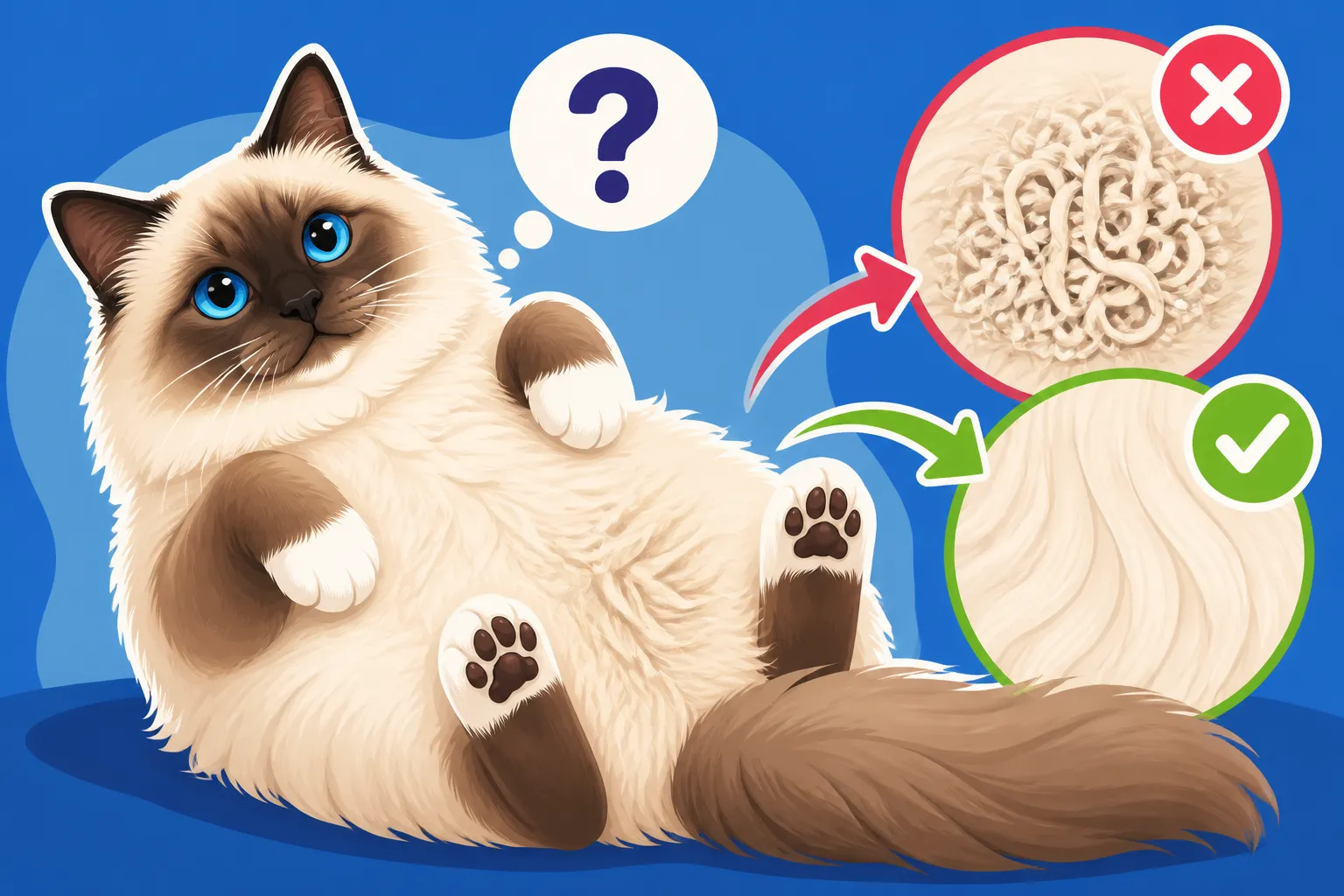
It’s a common misconception that because Birmans have that gorgeous, silky, single coat with no undercoat, their fur is completely immune to tangles and mats. While it’s true that they’re generally lower maintenance than some other long-haired breeds, the reality is that their beautiful belly fur can and sometimes will tangle. This guide will delve into why that happens, the specific areas to watch out for, and most importantly, how to prevent and gently manage those tricky knots to keep your Birman comfortable and looking magnificent.
Understanding the Birman Coat: The Myth of the Mat-Free Belly
When you first hear about the Birman's coat, often breeders or enthusiasts will highlight its "single coat" nature and "lack of an undercoat" as key reasons it's less prone to matting than, say, a Persian. And it's true, to a certain extent! Their fur is wonderfully soft and flows like liquid silk, a stark contrast to the dense, cottony undercoats that often trap shedding hair and form stubborn mats in other breeds. You can run your fingers through a Birman's coat and truly feel the difference – it's light, airy, and doesn't have that woolly density. This unique characteristic is often what draws people to the breed, promising less grooming hassle. Indeed, many Birman owners find that Why a Birman Mats Far Less Than It Looks Like It Should is a pleasant reality compared to their experiences with other breeds.
However, "less prone" doesn't mean "never." Even with their luxurious, non-matting reputation, specific areas of a Birman's body, particularly the belly, are still susceptible to knotting. It’s a bit of a rude awakening when you encounter that first belly mat, isn't it? You've been told your cat is a grooming dream, and then suddenly, there it is – a tiny, sticky knot beneath their softest fur.
What Makes the Birman's Coat Unique
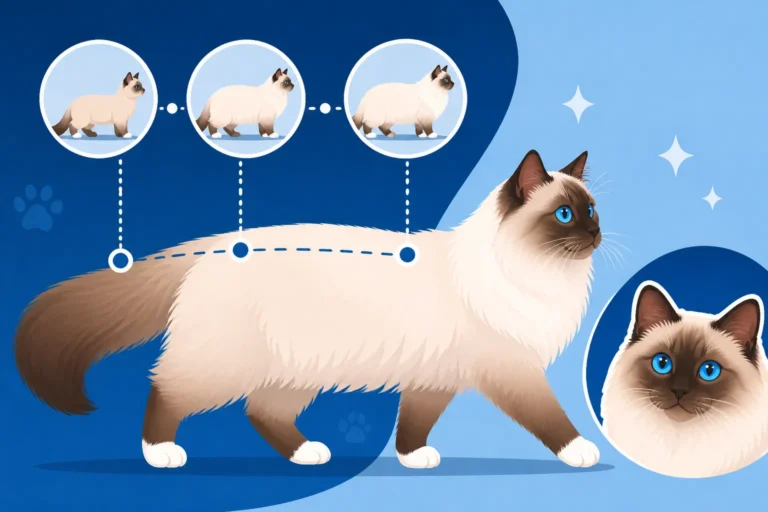
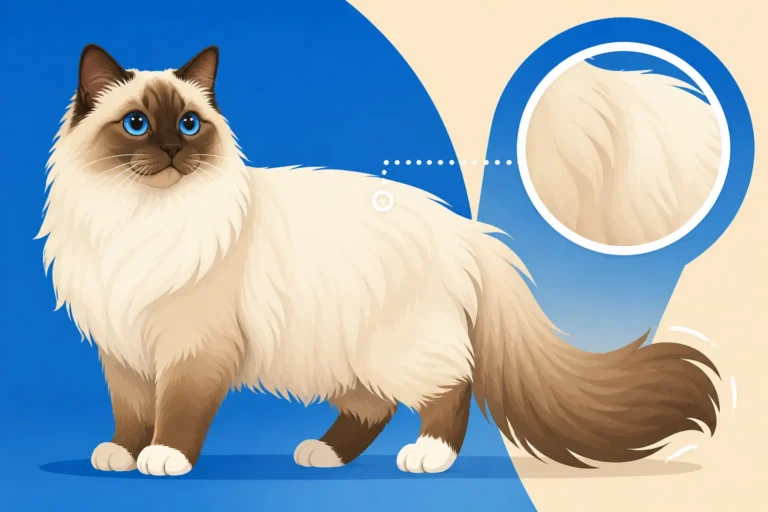
The Birman's coat truly is a marvel. It's classified as a semi-longhair, and the most distinctive feature is that single-layer, medium-long hair that feels incredibly soft and smooth. This lack of a thick undercoat means that shed hairs tend to fall out more easily rather than getting caught in the deeper layers and forming mats. This is why you often find No Undercoat Is What Makes a Birman Easy to Groom to be such a blessing. It really does simplify the daily comb-throughs, allowing the comb to glide through the fur with minimal resistance.
The texture is also a huge factor. Unlike some long-haired cats whose coats might feel coarse or dense, a Birman's fur has a fine, silky quality. This means it's less likely for individual hairs to bind together tightly to form mats under normal circumstances. This smooth texture is a dream to touch and an advantage for daily grooming, as the comb slips right through. You'll also notice What Makes a Birman's Coat Silky Rather Than Woolly means it hangs beautifully, accentuating their elegant, long body frame.
Areas Prone to Tangling
Despite these wonderful qualities, gravity and friction are not to be trifled with. The truth is, certain parts of your Birman’s body are simply more prone to matting due to movement, contact with surfaces, and the natural flow of their fur. The belly is a prime culprit, especially the softer, finer hair that grows there. Think about it: every time your Birman lies down, rolls around, or even just walks, their belly fur rubs against carpets, blankets, and your lap. This constant friction can cause individual hairs to twist and clump together.
Other common trouble spots include the "armpits" (the areas behind their front legs), the "britches" (the long fur on their hindquarters), and occasionally behind the ears. These are all high-friction zones where the fur is often finer and more delicate. A cat's natural movements, like tucking their legs or stretching, can contribute to these areas getting knotted. It's particularly frustrating because these spots are often hidden until a mat becomes quite significant and uncomfortable.
Why Even a "Low-Mat" Coat Still Needs Attention
The "low-mat" reputation, while largely deserved, can sometimes lead owners to be less diligent with grooming, assuming their Birman is completely self-sufficient. This is where problems can start. Just because a Birman mats far less than a Persian doesn't mean they never mat. A routine of Combing a Birman Three Times a Week is usually sufficient to stay ahead of things, but skipping a week or two, especially during shedding seasons, can quickly lead to tiny knots that escalate into larger, painful mats.
It’s crucial to remember that even a small mat can pull on the skin, causing discomfort or even pain for your cat. If left unchecked, mats can grow, tighten, and restrict movement, leading to skin irritation, sores, and even infections underneath. Cats, including Birmans, are masters at hiding discomfort, so by the time you notice a mat, it might already be causing them significant issues. So, while you might not be battling weekly woolly tangles, a Birman's coat still benefits immensely from consistent, gentle grooming, particularly focusing on those vulnerable belly and leg areas.
Factors That Increase Belly Matting in Birmans
Even if you’re doing your best with regular grooming, you might notice that some periods are worse than others for belly tangles. Several factors can contribute to increased matting, turning that silky fur into a knotty mess. Understanding these can help you adjust your grooming routine and be more proactive in keeping your Birman's coat pristine.
Lifestyle and Activity Levels
Your Birman's daily routine plays a huge role in how much their belly fur gets tangled. Cats who are more active, darting around the house, playing vigorously, or engaging in playful wrestling with a companion animal, tend to put their fur through more friction. All that rubbing against furniture, scurrying under beds, or romping with a playmate means more opportunity for hairs to snag and knot.
Consider a Birman who loves to slide across smooth floors on their belly or who frequently rolls onto their back for belly rubs – delightful as these behaviors are, they can easily contribute to mat formation. A very sedate cat, on the other hand, might experience fewer issues simply because their fur undergoes less physical stress. While you certainly don't want to restrict your Birman's joyful play, being aware of their activity can prompt you to give their belly a quick check more often. Also, Why a Birman Needs Company More Than Stimulation means they might engage in less solitary rough play that can lead to tangles, but still enjoy interactive games that can get their fur moving.
Seasonal Changes and Shedding
Ah, the seasons! Just like us, cats respond to changes in temperature, and their coats are no exception. While Birmans don't have a dense undercoat, they still shed. You might notice How Much a Coat With No Undercoat Actually Sheds is usually less than a double-coated cat, but it still happens. During seasonal changes, particularly as winter gives way to spring, or summer transitions to autumn, your Birman will naturally shed more. Even with a single coat, these loose hairs can become interwoven with the still-attached fur, creating a prime environment for tangles, especially in high-friction areas like the belly.
During these periods, it’s not uncommon to find little 'tumbleweeds' of Birman fluff floating around your home. If these loose hairs aren't removed promptly with a comb, they can quickly consolidate into mats. Imagine a stray hair catching onto a few others, and then those few catching onto more as your cat moves. It's a domino effect that a good comb can easily interrupt.
Age-Related Grooming Challenges
As our beloved Birmans age, their flexibility and energy levels naturally change. An older Birman might not be able to contort themselves into those impressive grooming positions they once mastered as a kitten. Caring for an Old Birman That Cannot Reach Its Back becomes a real concern, and this often extends to their belly and hindquarters. Arthritis or other age-related discomforts can make bending and twisting painful, leading to neglected areas.
Additionally, an older Birman's skin can become thinner and more delicate, and their coat might lose some of its elasticity and strength. This combination means mats can form more easily and be more uncomfortable to remove. What was once a minor inconvenience for a younger cat can become a significant source of pain for a senior Birman. You might also notice What an Old Birman Slows Down From First affects their ability to groom thoroughly, making your intervention even more critical. It’s a sad reality, but a loving owner's help becomes indispensable in their twilight years.
Preventative Care: Keeping Your Birman's Belly Fur Smooth
The best offense is a good defense, and that certainly applies to keeping your Birman's belly fur smooth and tangle-free. Establishing a consistent grooming routine with the right tools and techniques can make all the difference, transforming potential matting misery into a pleasant bonding experience.
The Right Tools for the Job
Forget those harsh wire slicker brushes that can pull and damage a Birman's delicate coat. For a Birman's silky fur, a good quality metal comb is your best friend. Look for one with both wide and fine-toothed sections. The wide teeth are great for general detangling and getting through the main body of the fur, while the finer teeth are perfect for working through any smaller knots and smoothing out the belly and leg areas. Which Comb Gets Through a Birman's Ruff Without Pulling is a good starting point, as the same principles apply to the belly.
Another excellent tool is a soft bristle brush or a rubber curry comb, especially for daily passes. These aren't for deep detangling but are fantastic for distributing natural oils, removing loose surface hair, and giving the coat a lovely shine. For particularly sensitive areas, or if you encounter a tiny snag, a de-matting spray can be a lifesaver. Brands like FURminator or Chris Christensen offer excellent grooming tools that many Birman owners swear by, available easily on sites like Amazon or Chewy.
Effective Brushing Techniques for the Underside
Approaching your Birman's belly requires a gentle touch and a calm demeanor. Many cats are sensitive about their undersides, so it's essential to make this a positive experience. Start by slowly introducing the comb or brush. Hold your Birman on your lap or on a comfortable surface where they feel secure. I find that when they're relaxed, maybe even sleepy, is the best time.
Begin with gentle strokes, working from the legs towards the center of the belly. Always comb with the direction of hair growth. If you encounter any resistance, stop pulling immediately. Instead, use your fingers to gently separate the fur around the snag. For small knots, you can often tease them apart with the fine-toothed side of your comb, holding the fur at the base close to the skin to minimize pulling. A spritz of de-matting spray can help lubricate the hairs, making them easier to separate.
Make sure to check the "armpits" and the inside of the hind legs – these are notorious areas for hidden mats that can quickly become problematic. Break up the grooming session into short, frequent intervals if your Birman isn't used to it. Positive reinforcement with treats and praise goes a long way. The goal is to make it a calm, regular ritual, perhaps even daily for a few minutes, rather than a wrestling match when a big mat has already formed. Remember, Combing a Birman Three Times a Week is a good baseline, but the belly might need a quick daily check.
Dietary Support for Coat Health
While regular grooming is paramount, what goes into your Birman also plays a significant role in the health and manageability of their coat. A well-nourished cat often has a healthier, stronger coat that is naturally more resistant to matting. Think of it as an inside-out approach to grooming.
High-quality cat food, rich in protein and healthy fats, is essential. Look for formulas that specifically highlight Omega-3 and Omega-6 fatty acids, as these are crucial for skin and coat health. These beneficial fats help maintain the skin's moisture barrier and contribute to a lustrous, silky coat that's less prone to dryness and breakage, which can exacerbate matting. Why Omega Oils Matter for a Birman's Coat cannot be overstated – they truly make a visible difference.
Some owners also choose to supplement their Birman's diet with fish oil or specialized skin and coat supplements. Always consult your vet before adding any supplements to your cat's diet to ensure they are appropriate and correctly dosed. Adequate hydration is also key; ensure your Birman always has access to fresh, clean water, perhaps even a flowing water fountain, as hydration reflects in coat quality.
| Area of Birman's Body | Matting Tendency | Recommended Tool | Special Considerations |
|---|---|---|---|
| Belly | High | Fine-toothed comb, de-matting spray | Be extra gentle, sensitive area, work slowly |
| Armpits | High | Fine-toothed comb | Hidden area, check regularly, fur is fine |
| Britches (hind legs) | Medium | Wide-toothed comb, then fine | Fur can be dense, prone to tangles from movement |
| Behind Ears | Low-Medium | Fine-toothed comb | Fine fur, often overlooked, check during petting |
| Ruff (neck) | Low | Wide-toothed comb | Longest fur, but less friction, usually easy to comb |
| Tail Plume | Low | Wide-toothed comb | Less prone to true mats, but can get 'clumps' |
Dealing with Existing Mats: Gentle Removal and When to Seek Help
Despite your best efforts, sometimes a mat still manages to sneak in. Whether it's a tiny tangle you missed or a more significant knot that formed overnight, dealing with existing mats requires patience, gentleness, and knowing when to call in the professionals.
Small Mats: At-Home Solutions
When you discover a small, loose mat, don't panic or try to yank it out immediately. That will only cause pain and distress for your Birman, making future grooming sessions much harder. Your first line of defense is a good de-matting spray or even a sprinkle of cornstarch to help loosen the hairs and reduce friction. Gently work the spray or powder into the mat.
Next, use your fingers to carefully try and pull the mat apart into smaller sections. Once it’s somewhat loosened, take your fine-toothed metal comb and start at the very edge of the mat, working a few hairs at a time. Always hold the fur at the base of the mat (closest to your cat's skin) to prevent pulling on their sensitive skin. This technique, often called "line combing" or "pinpoint combing," allows you to gently detangle without causing discomfort. It’s slow work, but it’s the kindest way. For more specific guidance, you might find tips on How to Get a Mat Out of a Birman's Coat useful. Remember, patience is crucial here. If your Birman shows any sign of discomfort, take a break and try again later.
When to Call the Groomer or Vet
Sometimes, a mat is just too big, too tight, or too close to the skin for you to safely handle at home. This is not a failure on your part; it's recognizing your limits and prioritizing your Birman's well-being. If a mat is causing pain, appears to be pulling the skin tightly, or you simply can't get it out with gentle methods, it's time to seek professional help.
A professional groomer has specialized tools and techniques for safely removing mats, often without sedating your cat. They can assess the situation and decide if clipping the mat out is the best option. If the mat is extremely tight, causing skin irritation, or if your Birman is particularly sensitive or aggressive during grooming attempts, a veterinary visit might be necessary. Vets can often sedate cats for mat removal, ensuring the process is stress-free and pain-free, especially if clipping close to the skin is required to prevent injury. Don't let pride or a desire to save money prevent you from seeking professional help for a problematic mat; your Birman's comfort is what matters most.
Preventing Recurrence After Mat Removal
Once a mat has been successfully removed, whether by you or a professional, the immediate goal is to prevent it from coming back. This means redoubling your efforts in preventative grooming. Re-evaluate your grooming schedule: perhaps those three times a week need to become daily five-minute checks, especially for the belly and other previously matted areas.
Consider why the mat formed in the first place. Was it a seasonal shed you missed? Did you recently change your cat's diet? Were they more active than usual, or perhaps recovering from an illness that affected their self-grooming? Addressing the root cause can help. For instance, if you noticed increased shedding, a daily comb-through during that period is a must. If it was due to a change in activity, be extra diligent with targeted belly combing.
You might also consider incorporating grooming aids like detangling sprays or conditioning rinses (cat-specific, of course) into your routine. These can make the fur smoother and harder for mats to form. And don't forget the power of positive reinforcement! Make grooming a pleasant experience with treats and praise, so your Birman associates it with good things. This makes them more cooperative and you more likely to stick to the routine. After all, a few minutes of gentle combing each day is far better than a stressful hour battling a painful mat.
Disclaimer
This article is for general informational purposes only and does not constitute professional advice. Laws, prices and regulations vary by location and change over time. Consult a qualified professional for guidance on your specific situation.