Why a Birman Hides Illness Behind a Placid Temperament
It’s a frustrating and often heartbreaking reality for many Birman parents: these beautiful, gentle souls are masters of disguise when it comes to feeling unwell. You might not realize something is wrong until an illness has progressed significantly, simply because your Birman's inherently placid and undemanding temperament means they'll often suffer in silence. This comprehensive guide will delve into why Birmans hide their discomfort, what subtle clues to watch for, and how you can become an even more vigilant advocate for your cherished feline companion.
Understanding the Birman's Nature: The Root of the Problem
The Birman cat is renowned for its tranquil disposition and affectionate nature, often described as a "gentle giant" or a "dog-like" cat due to their tendency to follow their owners from room to room. While these traits make them wonderful companions, they also contribute to a significant challenge in identifying illness early. Their quiet demeanor can mask pain or discomfort, making it incredibly difficult for even the most attentive owner to spot subtle shifts in health.
The Birman's Gentle and Undemanding Personality
Unlike some more vocal or boisterous breeds, a Birman typically won't loudly complain if something is amiss. They aren't prone to excessive meowing or dramatic displays of distress. Instead, their natural inclination is to remain calm and composed. This serene personality, which we all adore, means they often won't draw attention to themselves when they're feeling under the weather. They might simply become a little quieter than usual, a subtle change that can easily be overlooked in a cat that's already naturally reserved. Imagine a child who never cries, even when hurt – that's often the Birman's approach to feeling poorly. They are deeply bonded with their humans but express distress through withdrawal, not overt complaint.
Ancestral Instincts: Hiding Vulnerability
Digging a little deeper into feline behavior, we can see that this tendency to hide illness isn't unique to Birmans, but their specific temperament amplifies it. In the wild, showing weakness makes a cat vulnerable to predators or to being ostracized by their group. While our domestic Birmans aren't fending off lions in our living rooms, these deep-seated instincts remain. A cat's innate response to discomfort is to retreat, become less active, and attempt to appear normal to avoid attracting unwanted attention. For a breed already predisposed to calmness, this "hiding" behavior can be incredibly effective, tragically so, in masking serious underlying issues.
Why a Quiet Cat is Easy to Misread
It's natural to assume that if a cat is in pain, they'll cry out, limp noticeably, or refuse to eat. With a Birman, this is often not the case. Their tolerance for discomfort can be surprisingly high, and their stoic nature means they'll often just "power through" symptoms. A slight decrease in appetite, a barely perceptible change in litter box habits, or a tiny shift in their favorite sleeping spot might be the only indicators of a brewing problem. If you've always known your Birman to be a peaceful, serene presence, it can be incredibly challenging to differentiate between their usual calm demeanor and a calm that's a symptom of feeling unwell. Understanding that Why a Quiet Birman Is Easy to Misread is paramount to protecting their health. We need to actively look for changes, rather than waiting for obvious distress signals.
Subtle Signs of Illness: What to Look For
Since Birmans are not ones for grand declarations of discomfort, you need to become a detective, paying close attention to nuanced shifts in their daily routine. These subtle cues are your Birman's quiet language, signaling that they might need your help.
Changes in Appetite and Hydration
One of the most common, yet easily missed, indicators of a Birman feeling unwell is a change in their eating or drinking habits. It might not be a complete refusal of food, but rather a gradual decrease in their normal portion size, or a less enthusiastic approach to mealtime. Perhaps they leave a few kibbles behind when they usually clean the bowl, or they take longer to finish. Similarly, subtle changes in hydration can be telling. Are they drinking more or less than usual? Do they visit the water bowl at different times, or spend more time there? Increased thirst, for instance, can be a symptom of conditions like kidney disease or diabetes. A Birman might not actively vocalize their hunger or thirst, but their behavior around their food and water stations offers valuable insight. Pay attention to how quickly they approach their food, how much they consume, and if there's any vomiting or changes in their stool. These small observations are critical.
Alterations in Grooming Habits and Coat Condition
Birmans are typically fastidious groomers, proud of their beautiful, silky coats. A shift in these habits can be a red flag. If your Birman suddenly stops grooming as thoroughly, you might notice their coat becoming dull, matted, or greasy, particularly in hard-to-reach areas like their back or hindquarters. Conversely, excessive licking or chewing in a specific spot could indicate pain, itchiness, or even stress. While Birmans have a single coat that mats far less than some other longhairs, any noticeable matting or an unkempt appearance is cause for concern. Additionally, watch for changes in shedding patterns that seem unusual for the season. Their pristine white gloves, for example, might start to look discolored if they are neglecting their usual meticulous cleaning.
Shifts in Playfulness and Interaction
Even the most placid Birman has moments of playfulness and interaction. They might enjoy a gentle chase with a wand toy, or a quiet cuddle on the sofa. If you notice your Birman is less interested in these activities, it’s a significant sign. Perhaps they're sleeping more than usual, seem withdrawn, or are simply less engaged with their favorite toys or family members. A Birman who typically greets you at the door might start staying on their perch, or one who usually enjoys a good grooming session might shy away. They might just seem a bit "off" – a general lethargy or disinterest can be a key indicator that something isn't right. Observing if they're still performing their usual jumps to their favorite windowsill or cat tree is important, as reduced mobility can signal pain, especially in older cats. Reflecting on What a Withdrawn Birman Is Telling You can help interpret these subtle shifts.
Common Health Issues Birmans Face and How They Manifest Quietly
Birmans, like all purebred cats, have certain predispositions to specific health conditions. The challenge, as we've discussed, is that these often present subtly, masked by their calm temperament. Knowing which conditions to watch for can significantly aid in early detection and intervention.
Cardiac Concerns: HCM and Silent Progression
Hypertrophic Cardiomyopathy (HCM) is a common heart disease in cats, where the heart muscle thickens, making it harder for the heart to pump blood effectively. Unfortunately, Birmans are among the breeds that can be predisposed to this condition. The insidious part is that HCM often progresses silently for a long time. Your Birman might show no outward symptoms until the disease is quite advanced, or even in a crisis. They might simply seem a little less energetic, perhaps not jumping as high or playing as long. You might notice a subtle increase in breathing rate, particularly when at rest. It’s rare for a Birman to show dramatic signs like coughing or gasping until heart failure is imminent. This is why regular veterinary checks, including listening for heart murmurs and considering echocardiograms, are so vital. If you're wondering How HCM Shows Up in a Birman, remember it's often quietly. Many reputable breeders will have their breeding cats scanned regularly, and this information should be transparently shared.
Kidney Disease: Slow and Insidious Onset
Kidney disease is another silent killer in felines, and Birmans, potentially due to their ancestral links to breeds like the Persian that introduced certain genes, can be susceptible to conditions like Polycystic Kidney Disease (PKD). PKD causes fluid-filled cysts to form in the kidneys, gradually impairing their function. Even without PKD, chronic kidney disease is common in aging cats. The early signs are often extremely subtle: a slight increase in thirst and urination, a mild decrease in appetite, or just a general dullness in their coat. A Birman might start spending more time near the water bowl or making more trips to the litter box, but these changes can be so gradual that they become part of the new "normal." You may not notice them drinking more until their kidneys are already significantly compromised. This is why understanding Why PKD Reached the Birman Through the Persian and the importance of screening, such as How the PKD1 Test Clears a Birman, is crucial for responsible ownership.
Dental Disease: A Hidden Source of Pain
Imagine having a constant toothache but never complaining about it. That's often what dental disease is like for a Birman. This is an incredibly common problem in cats, with a high percentage of adult cats suffering from some form of dental issue, from gingivitis to painful tooth resorption. Birmans can be particularly prone due to their narrow jaw structure which can lead to overcrowding of teeth. The signs are usually very subtle: a slight change in how they chew their food, maybe a preference for softer foods, or a noticeable decrease in their interest in hard kibble. You might detect bad breath, which is often dismissed as "cat breath" but is actually a strong indicator of infection. They might also drool more than usual or rub their face, but these are often advanced signs. How Dental Disease Progresses in a Birman often goes unnoticed until a vet performs a thorough oral exam, usually under anesthesia. The chronic pain from dental issues can lead to weight loss, lethargy, and a general decline in well-being, all masked by their placid nature.
The Importance of Regular Vet Checks for a Quiet Cat
Because Birmans are so good at hiding illness, routine veterinary visits become even more critical for their well-being. These appointments aren't just for vaccinations; they are comprehensive health assessments designed to catch issues before they become emergencies.
Beyond the Physical Exam: What Your Vet Looks For
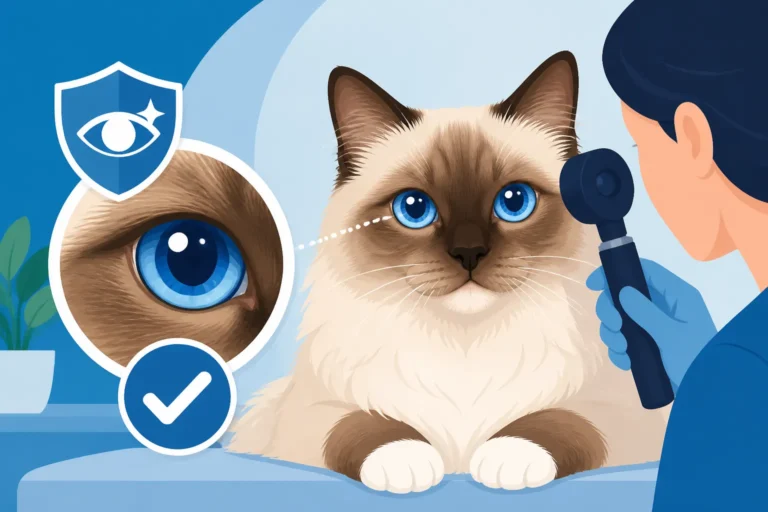
When you bring your Birman to the vet, it's not just about a quick once-over. Your veterinarian is looking for those subtle clues you might miss at home. They'll pay close attention to changes in weight, body condition, and muscle mass – often the first things to shift when a cat is unwell. They'll palpate your Birman's abdomen, check their lymph nodes, listen to their heart and lungs for any murmurs or abnormal sounds, and perform a thorough oral exam. They'll also assess their gait and overall demeanor, noting if your typically calm Birman is unusually stressed or withdrawn in the clinic environment, which can sometimes be an indicator of underlying discomfort. Remember, Why a Birman's Weight Should Be Recorded Every Visit is a critical aspect of early detection, as even a small, unexplained loss or gain can be significant.
Routine Diagnostics: Bloodwork and Urinalysis
For a cat like a Birman, routine bloodwork and urinalysis are not just an option but a vital part of preventative care, especially as they age. These diagnostic tests provide a snapshot of their internal health, revealing potential issues long before clinical symptoms appear. Blood tests can detect early signs of kidney disease by monitoring creatinine and BUN levels, indicate diabetes through glucose levels, or point to liver problems. A complete blood count (CBC) can flag infections or anemia. Urinalysis, on the other hand, can identify urinary tract infections, kidney issues, or even diabetes. Imagine catching elevated kidney values when your Birman is still acting completely normal – this allows for dietary changes or early interventions that can significantly slow the progression of disease and improve their quality of life. Consider What a Birman's Yearly Panel Should Include After Eight for comprehensive senior care.
Specialized Screenings: Heart and Kidney Scans
Given the Birman's potential predisposition to HCM and kidney issues, specialized screenings are often recommended, particularly for breeding cats or as they approach middle age. An echocardiogram, or "echo," is a non-invasive ultrasound of the heart that allows a veterinary cardiologist to visualize the heart muscle, measure its thickness, and assess its function. This is the gold standard for diagnosing HCM. Since there's no DNA test for HCM in Birmans, regular echoes are essential for monitoring. Similarly, abdominal ultrasounds can screen for conditions like PKD or other kidney abnormalities that might not show up on bloodwork until later stages. These proactive screenings are incredibly powerful tools in a Birman owner's arsenal, offering peace of mind and, more importantly, the chance to intervene early if a problem is detected. Discuss with your vet How Often a Breeding Birman Needs Scanning or for your pet Birman, especially as they get older.
Creating a Home Environment That Encourages Openness
Even with the best veterinary care, your Birman spends the vast majority of their time at home with you. Crafting a supportive and observant environment can make a huge difference in spotting subtle changes in their health.
Consistent Routines and Observing Norms
Cats, especially Birmans, thrive on routine. They are creatures of habit, and disruptions can cause stress, which itself can manifest as illness or mask existing problems. Maintaining a consistent daily schedule for feeding, playtime, and quiet time can help you establish a baseline for your Birman's "normal" behavior. When their routine is predictable, any deviation becomes much more noticeable. For instance, if your Birman typically greets you at the door every evening, but suddenly starts staying curled up in their bed, that's a break from the norm. If they usually nap in the same sunbeam, but are now hiding under the bed, that's a red flag. Your ability to observe these norms and quickly identify when they're broken is your superpower as a Birman parent. Small changes in their daily patterns are often the quietest calls for help.
Providing Safe, Accessible Spaces
A Birman needs to feel secure in their environment, especially if they're feeling vulnerable. Ensure your home offers plenty of safe, quiet retreats where your cat can relax undisturbed. This includes cozy beds, cat trees (though a Birman often prefers mid-height perches rather than soaring high), and perhaps a hidden cubby. Crucially, these spaces should be easily accessible, especially for an older or less mobile Birman. If your cat usually jumps onto a high shelf but now struggles, that's a clear indicator of discomfort or reduced agility. Consider ramps or steps to help them reach their favorite spots if they're showing signs of slowing down. A cat who feels safe and unthreatened is more likely to exhibit their true behavior, making it easier for you to notice when something is off.
Minimizing Stress and Environmental Changes
Cats are notoriously sensitive to stress, and Birmans, despite their calm nature, are no exception. Major changes in the household, such as moving furniture, introducing a new pet, having unfamiliar visitors, or even loud noises, can be incredibly unsettling. Stress can suppress their immune system, making them more susceptible to illness, and it can also cause them to hide more, further masking any health issues. If possible, introduce changes gradually. Provide your Birman with a consistent environment, and if stress is unavoidable, offer extra comfort and reassurance. Pheromone diffusers can sometimes help create a calmer atmosphere. A calm environment contributes to a cat's overall health and ensures that any behavioral changes you observe are more likely related to physical illness rather than anxiety. Why a Birman Would Be Stolen Outdoors is a different kind of risk, but highlights why maintaining a safe, indoor environment free from external stressors is best for these gentle cats.
Proactive Care and Observation: Being Your Birman's Best Advocate
Being a Birman owner means embracing a proactive approach to their health. Their quiet disposition demands that we step up as vigilant observers and advocates, ensuring their silent suffering doesn't go unnoticed.
Daily Check-ins and Gentle Handling
Incorporating a daily "health check" into your routine can be incredibly beneficial. This doesn't have to be a formal examination; it can be as simple as spending a few minutes gently petting your Birman, running your hands over their body. Feel for any lumps, bumps, or areas of tenderness. Check their ears for cleanliness, look at their eyes for clarity or discharge, and gently lift their lip to check their gums for redness or swelling. Pay attention to how their fur feels – is it still soft and silky, or is it rough or matted? Observe their breathing and note any changes. Since Birmans typically tolerate handling well, these daily check-ins can become a positive bonding experience, allowing you to catch minor issues before they escalate. Think of it as a loving ritual that doubles as an early warning system.
Maintaining a Health Journal
One of the best ways to track your Birman's subtle health changes over time is to keep a detailed health journal. This can be a simple notebook or a digital document. Record details like:
- Daily food and water intake: Note any significant increases or decreases.
- Litter box habits: Frequency, consistency, and any changes in stool or urine volume.
- Energy levels and playfulness: How long do they play? Are they sleeping more?
- Grooming habits: Are they maintaining their coat? Any excessive licking?
- Weight: Record their weight regularly, perhaps monthly, at home or during vet visits. How to Feel a Birman's Ribs Under a Silky Coat can help you gauge their ideal body condition.
- Any unusual behaviors: Hiding, changes in vocalization, or reluctance to use stairs.
This journal provides objective data that can be incredibly helpful for your vet, helping them to see patterns or pinpoint the onset of symptoms that might otherwise be forgotten. It's a concrete way to prove that "something just isn't right" when your Birman isn't outwardly complaining.
| Observation Category | Normal Birman Behavior | Potential Sign of Illness | Action to Take |
|---|---|---|---|
| Appetite | Eats measured meals consistently, approaches food eagerly | Gradual decrease in intake, pickiness, leaving food | Monitor closely for 1-2 days, contact vet if persists or worsens |
| Hydration | Drinks regularly, clear urine, normal litter use | Increased thirst, increased urination, strong odor, straining | Contact vet for bloodwork/urinalysis |
| Grooming | Meticulous self-groomer, silky coat, clean gloves | Dull/matted coat, excessive licking in one spot, dirty gloves | Check for pain/skin issues, consult vet |
| Activity/Play | Enjoys gentle play, follows owner, sleeps in favorite spots | Lethargy, disinterest in play, hiding more, struggling to jump | Observe closely, if sustained, contact vet |
| Temperament | Affectionate, calm, enjoys company, gentle | Unusual irritability, withdrawal, aggression, increased vocalization | Seek vet advice immediately |
| Weight | Stable weight for age and size | Unexplained weight loss or gain | Vet visit for investigation |
The Role of Pet Insurance in Early Detection
When you're committed to proactive care, the costs of diagnostic tests, specialized screenings, and potential treatments can add up quickly. This is where pet insurance, like a plan from Healthy Paws, can be an absolute lifesaver. Knowing that you have financial support can empower you to pursue every recommended diagnostic test without hesitation, even for those subtle symptoms that might otherwise be dismissed. If your Birman's yearly echo or senior bloodwork flags an issue, having insurance means you can focus on their health rather than the vet bill. Early detection, especially for conditions like HCM or kidney disease, often leads to better outcomes and a longer, happier life for your beloved Birman. Investing in a good insurance policy ensures you can afford to be the best advocate for your quiet companion.
Disclaimer
This article is intended for informational purposes only and is not a substitute for professional veterinary advice. Always consult with a qualified veterinarian regarding any health concerns or before making any decisions about your Birman's care.