Why a Birman’s Back Legs Go Cold and Useless in an Hour
Finding your beloved Birman suddenly unable to use their back legs, cold to the touch, and clearly in distress is one of the most terrifying experiences a cat owner can face. It's a sudden, acute crisis that signals a dire underlying health issue, demanding immediate, emergency veterinary attention. This guide will walk you through understanding this frightening condition, why Birmans are particularly susceptible, how to recognize the critical signs, and what steps you need to take when every second truly counts.
The Sudden Onset of Hind Leg Paralysis in Birmans
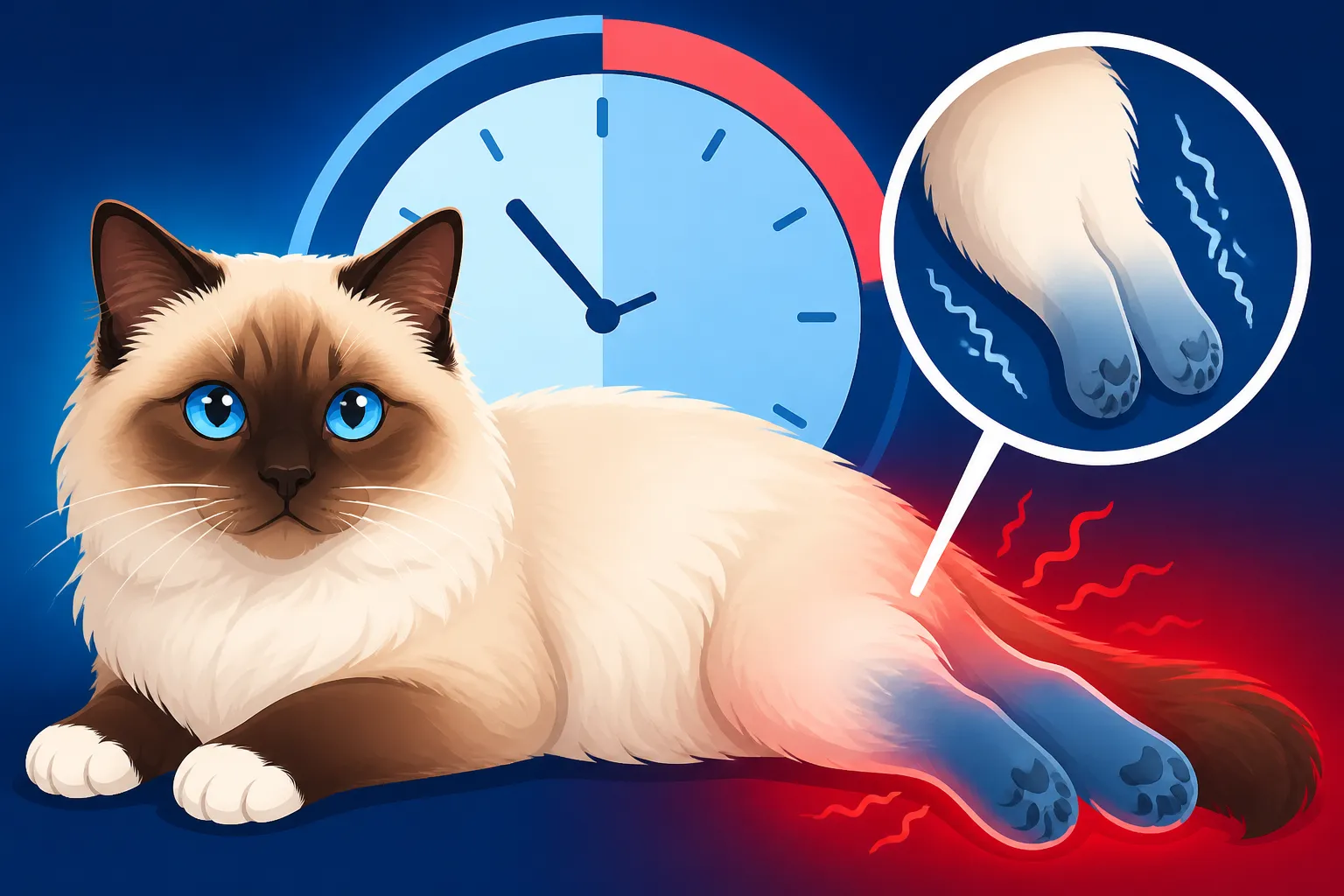
When a Birman's back legs suddenly become cold and unresponsive, it's almost always a symptom of a condition called Feline Aortic Thromboembolism, or FATE. This terrifying event is more commonly known as a "saddle thrombus," due to where the blood clot typically lodges. It's an excruciating and life-threatening emergency that results from a blood clot breaking free from the heart and traveling down into the main artery supplying blood to the hind limbs.
What is a Saddle Thrombus?
A saddle thrombus begins as a small blood clot, or thrombus, forming within the heart itself. In cats, this is almost exclusively a complication of underlying heart disease, particularly Hypertrophic Cardiomyopathy (HCM), which we'll delve into shortly. The inside of a healthy heart is smooth, preventing clots from forming. However, in a diseased heart, changes to the heart wall or turbulent blood flow can create an environment where clots easily develop. These clots can vary in size, from tiny specks to larger, more substantial masses.
The "saddle" part of the name comes from the anatomical location where this rogue clot often gets stuck. The aorta, the body's largest artery, carries oxygenated blood from the heart. As it travels down the body, it eventually splits into two smaller arteries, the iliac arteries, which supply blood to each hind leg. This junction, known as the aortic trifurcation, is a narrow point. When a clot breaks away from the heart and is pumped into the aorta, it often travels until it literally gets "stuck in the saddle" of this trifurcation, completely blocking blood flow to one or both hind legs. This sudden blockage causes immense pain and rapid tissue damage.
Why Blood Flow Stops to the Hind Legs
The moment the saddle thrombus lodges, it acts like a dam, abruptly cutting off the supply of oxygen-rich blood to the muscles, nerves, and skin of the hind limbs. This lack of blood flow is called ischemia. Without oxygen and nutrients, the cells in the affected tissues quickly begin to suffer and die. This is what causes the legs to become cold; there's no warm blood circulating. It also leads to the paralysis or severe weakness, as the muscles and nerves simply stop functioning. The pain is intense because the deprived tissues send out strong pain signals, and the affected nerves can become hypersensitive.
Imagine a garden hose suddenly crimped shut; water flow immediately ceases. It’s a similar, devastating effect within your cat’s circulatory system. The speed at which this happens is truly alarming – one moment your Birman might be walking fine, and the next, they're in excruciating pain with paralyzed legs.
The Underlying Cause: Hypertrophic Cardiomyopathy (HCM) in Birmans
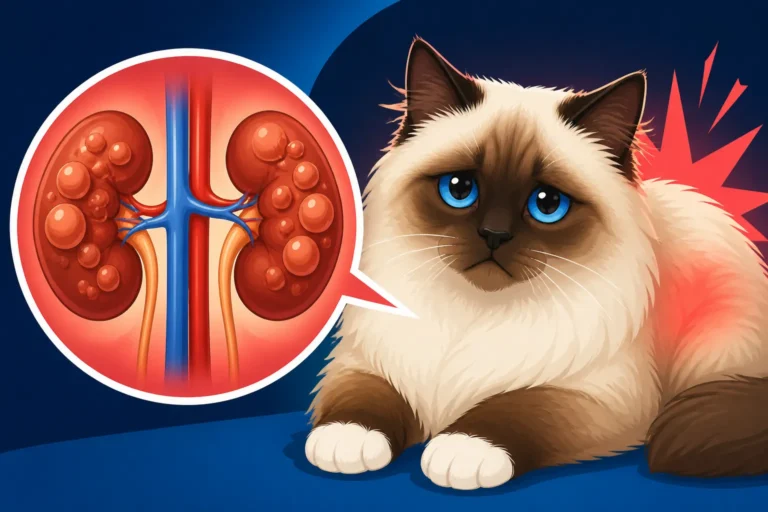
FATE is almost always a secondary condition, meaning it's caused by another primary health problem. In cats, particularly Birmans, that primary problem is most frequently Hypertrophic Cardiomyopathy (HCM). HCM is a heart disease characterized by a thickening of the heart muscle, especially the walls of the left ventricle. This thickening makes the heart muscle stiff and less efficient at pumping blood, leading to a cascade of problems.
How HCM Leads to Clot Formation
In a healthy heart, blood flows smoothly and efficiently. With HCM, the thickened heart walls and sometimes an enlarged left atrium create an abnormal environment. The heart's chambers may not fill or empty properly, leading to areas where blood can pool and become stagnant. Imagine a slow-moving river versus a fast-flowing one; debris (in this case, components of blood that lead to clotting) is more likely to settle and accumulate in the slower, turbulent areas.
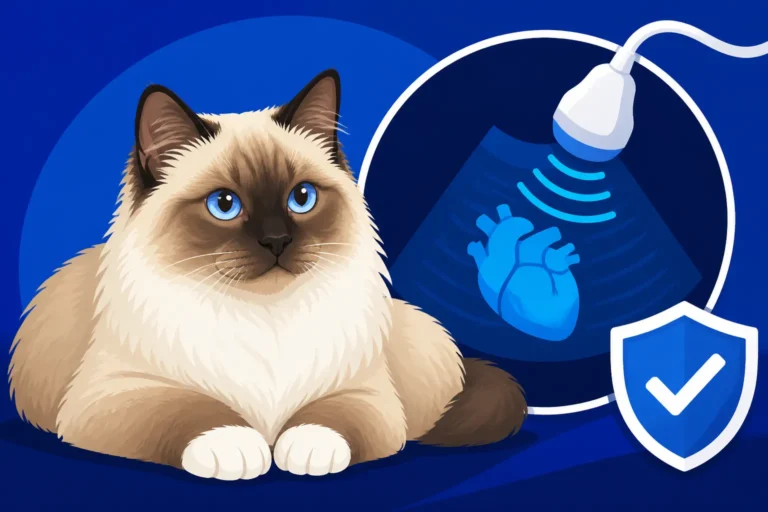
This stasis, combined with potential damage to the heart lining from the abnormal muscle thickening and turbulent blood flow, makes the perfect breeding ground for blood clots to form within the left atrium. While we might focus on genetic tests for other Birman conditions like Why a Birman Breeder Still Tests for PKD, HCM often remains a silent threat without proper screening. Unfortunately, HCM in a Birman Has No DNA Test, Only an Echo, making regular ultrasound screenings vital. Without these crucial insights, an owner might not even know their Birman has a ticking time bomb in its chest until a crisis like a saddle thrombus strikes.
The Genetic Predisposition in Birmans
While a specific gene mutation for HCM hasn't been definitively identified and linked directly to Birmans, as it has in some other breeds like Maine Coons or Ragdolls, the Birman breed is nonetheless recognized as having a higher prevalence of HCM than the general cat population. This suggests a strong genetic component, even if the precise markers aren't yet known. Responsible breeders are keenly aware of this risk and strive to only breed cats that have been regularly screened and cleared of HCM. You can learn more about How HCM Shows Up in a Birman through symptoms and diagnostic methods.
The unpredictable nature of HCM, coupled with its heightened incidence in Birmans, underscores the critical importance of early detection through routine echocardiograms, especially for breeding cats. Knowing the health history of your Birman's line can provide some reassurance, but even Birmans from lines with a clear history should still receive regular vet checks. The disease can progress silently for years before showing any outward signs, which is why a sudden event like a saddle thrombus can be so shocking.
Recognizing the Crisis: Symptoms and Emergency Action
Identifying a saddle thrombus quickly is paramount, though it's undeniably harrowing. The acute nature of the event means that there's a very narrow window for intervention that might improve the outcome. Your Birman's placid temperament, while endearing, can sometimes make it difficult to spot distress. Why a Birman Hides Illness Behind a Placid Temperament is a known trait, making careful observation even more critical during any health scare.
Key Signs to Look For
Beyond the obvious sudden inability to use their back legs, there are several distinct symptoms that point directly to a saddle thrombus:
- Sudden Paralysis or Severe Weakness in Hind Legs: This is the most striking symptom. Your Birman will be unable to stand, walk, or move their hind limbs. It can affect one leg more than the other, but often both are impacted to some degree.
- Cold Hind Legs: This is a hallmark sign. Gently touch your Birman's hind legs, especially the paws and lower limbs. They will feel noticeably colder than the front legs or the rest of their body due to the lack of blood flow.
- Intense Pain and Distress: Cats in this situation are in severe pain. You might observe loud vocalization (meowing, crying, howling), rapid breathing (panting), or unusual body postures. They might refuse to be touched, especially around their hindquarters, and may become withdrawn or try to hide. Even a quiet Birman might pant or develop a fixed stare in response to the agonizing pain.
- Pale or Bluish Paw Pads: Check the color of their paw pads. If blood flow is severely compromised, the pads might appear pale or even have a bluish tint (cyanosis).
- Weak or Absent Femoral Pulses: A veterinarian will check for this by feeling the pulse inside the upper thigh. In a saddle thrombus, the pulses will be absent or extremely weak in the affected legs.
- Hard Leg Muscles: The muscles in the hind legs can feel unusually stiff or hard due to the lack of blood flow and subsequent muscle damage.
| Symptom | Description | Urgency Level |
|---|---|---|
| Hind Leg Paralysis/Weakness | Sudden inability to move or stand on back legs. | Immediate |
| Cold Hind Legs | Legs, especially paws, are noticeably colder than the rest of the body. | Immediate |
| Intense Pain/Distress | Loud vocalization, panting, rapid breathing, agitation, refusal to be touched, abnormal posture. | Immediate |
| Pale/Bluish Paw Pads | Discoloration of paw pads due to lack of oxygenated blood. | Immediate |
| Weak/Absent Femoral Pulses | Not always visible to owners, but a key diagnostic for vets. | Immediate |
The Critical Window for Veterinary Care
This is not a "wait and see" situation. A saddle thrombus is an absolute, critical emergency. Every minute that blood flow is blocked, irreversible damage occurs to muscles, nerves, and other tissues. You need to get your Birman to an emergency veterinary hospital immediately – ideally within the first hour. Call ahead to let them know you're coming and describe the symptoms, so they can be prepared.
Transport your Birman carefully, using a carrier that allows them to lie comfortably without putting pressure on their hind legs. A soft blanket can help provide comfort. The cost of such an emergency can be significant, so having pet insurance from providers like Healthy Paws can be a lifesaver, helping you focus on your cat's health rather than the financial strain during this frightening time. It's often the difference between being able to pursue aggressive treatment or having to make difficult choices.
Treatment and Prognosis for FATE in Birmans
Once you arrive at the emergency vet, the team will work quickly to assess your Birman's condition and begin stabilization. Treatment for FATE is complex and aims to manage pain, dissolve or prevent further clots, and support the cat's overall health.
Emergency Veterinary Intervention
The first priority is always pain management. The pain associated with a saddle thrombus is extreme, and controlling it is crucial for your cat's comfort and to reduce the stress on their heart. Strong injectable pain medications will be administered immediately.
Next, the veterinary team will begin therapies aimed at the clot itself. This typically involves:
- Anti-clotting Medications: Drugs like heparin or clopidogrel (Plavix) are used to prevent existing clots from growing and to inhibit the formation of new clots. These don't actively dissolve the existing saddle thrombus very quickly, but they are vital for managing the condition.
- Supportive Care: This includes intravenous (IV) fluids to maintain hydration and blood pressure, oxygen therapy if your Birman is struggling to breathe, and potentially medications to support heart function.
- Monitoring: Your Birman will be continuously monitored for vital signs, pain levels, and the progression of the condition. They will also likely perform an echocardiogram to assess the underlying HCM, as discussed in Why a Murmur in a Birman Sends You Straight to an Echo. Understanding the severity of the heart disease is crucial for both immediate and long-term management. Which Drugs a Birman Goes On After an HCM Diagnosis will depend heavily on these findings.
It's important to understand that fully dissolving a large, existing saddle thrombus quickly is extremely difficult and often not possible with medication alone. The body can sometimes break down the clot over days or weeks, allowing blood flow to slowly return, but the initial damage from the lack of oxygen can be permanent.
Long-Term Outlook and Prevention
The prognosis for Birmans experiencing a saddle thrombus is guarded to poor, especially if both legs are affected. Even with aggressive treatment, many cats do not survive the initial crisis or succumb to complications. Those who do survive often face a long, difficult recovery, including potential nerve damage, muscle atrophy, and ongoing pain. Furthermore, the recurrence rate is very high without diligent, lifelong management of the underlying HCM. This means that How Many Years a Birman Lives After Its Heart Is Diagnosed can be severely shortened.
Prevention is truly key. For Birmans diagnosed with HCM, even if they haven't experienced a thrombus, veterinarians will often prescribe anti-clotting medications like clopidogrel to reduce the risk of FATE. Regular echocardiograms are absolutely essential to monitor the progression of HCM and guide treatment decisions. Breeders, in particular, should adhere to strict screening protocols for How Often a Breeding Birman Needs Scanning to try and reduce the incidence of HCM in future generations. For pet Birmans, even if they never go outside, annual veterinary check-ups and discussions about heart health are crucial. If a vet detects a heart murmur, it should prompt an immediate recommendation for an echo, as Whether Annual Listening Is Enough for a Pet Birman is often not sufficient.
Living with a Birman who has suffered a saddle thrombus or has a diagnosis of HCM requires immense dedication. The financial implications can be significant, even with pet insurance like Healthy Paws, as ongoing medications, regular specialist visits, and potential future emergencies can add up. However, with careful management and a strong partnership with your veterinary team, you can strive to give your beloved companion the best possible quality of life, understanding the risks involved. Learning about What Kills a Birman Whose Line Was Never Echo Scanned can offer further perspective on the importance of proactive care and knowing your cat's lineage.
Disclaimer
This article is intended for informational purposes only and does not constitute medical advice. If your Birman is exhibiting any of the symptoms described, seek immediate veterinary attention. Only a qualified veterinarian can diagnose and provide appropriate treatment for your pet.