Why a Birman Should Not Be Left in an Empty House
It's easy to fall into the trap of thinking that cats, with their independent spirit and graceful aloofness, are perfectly content to be left alone for long stretches. Many cat parents assume that as long as there's food, water, and a clean litter box, their feline friend is just fine. But for us Birman lovers, that assumption can lead to a truly unhappy situation. Birmans, with their incredibly gentle and affectionate nature, are far from solitary creatures, and leaving them in an empty house for extended periods can take a serious toll on their emotional and even physical well-being. This guide is all about understanding why your Birman thrives on companionship and how to ensure they never feel truly alone, even when you're not physically present.
Understanding the Birman's Innate Need for Company
The Birman isn't your average "lone wolf" cat. This breed is renowned for its people-loving personality, often described as having a dog-like devotion. They form deep bonds with their human families and thrive on interaction and companionship. It's a fundamental part of The Birman Is the Sacred Cat of Burma, and the Story Is a Legend and their development.
A Breed Bred for Connection
When we talk about the Birman, we're discussing a cat whose very essence is interwoven with gentle companionship. Unlike some of their more fiercely independent cousins, Birmans were not bred to be barn cats or aloof hunters. Their history, steeped in legend and refined by generations of careful breeding, emphasizes their role as beloved household members, cherished for their calm demeanor and affectionate presence. This deep-seated need for connection isn't something you can simply train out of them; it's an inherent part of their genetic makeup and personality. They are often found waiting patiently at the door when you arrive home, a quiet greeting that speaks volumes about their longing for your return.
Think about the quiet way a Birman follows you from room to room. It's not usually a demanding presence, more of a gentle shadow, preferring to be in the same space as you rather than necessarily on your lap. This constant desire for proximity speaks to their need for connection. They observe, they participate subtly, and they absorb the energy of the home. When that energy is absent for too long, their world becomes quiet, still, and lacking the vital human interaction they inherently crave. It's why they are often referred to as "velcro cats" – not in an intrusive way, but in their quiet, ever-present attachment to their people.
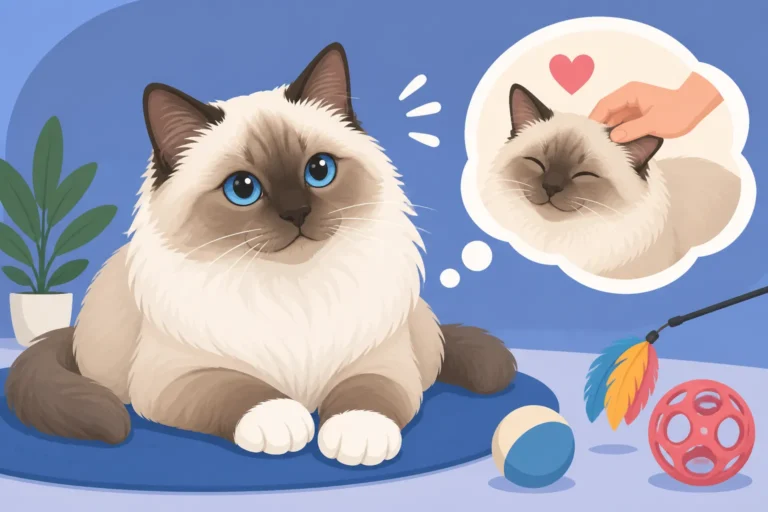
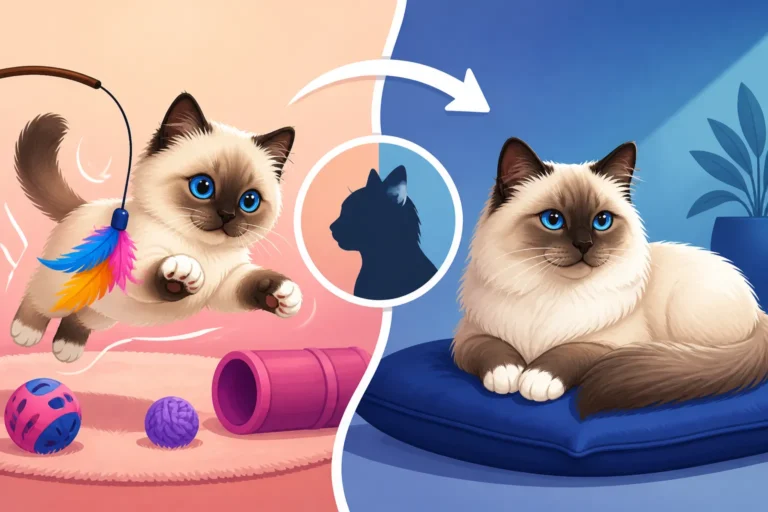
This isn't to say a Birman can't entertain itself for a little while, or isn't capable of independent play. Of course, they are cats! But their ideal day involves significant chunks of time spent in the presence of their humans. A quick playtime with a feather wand, a quiet moment curled up near your feet while you read, or simply watching you go about your day – these are the interactions that fill their emotional cup. Without these consistent, gentle connections, a Birman can start to feel a void, which can quickly manifest in various forms of distress.
How a Birman Communicates Its Need
Birmans are not known for being overly vocal. They don't typically have the piercing yowl of a Siamese or the incessant chatter of some other breeds. Instead, their communication is often subtle, relying on body language, soft trills, and gentle nudges. This quiet nature can, unfortunately, make it easy to misinterpret their needs, especially when they are left alone. A cat that isn't loudly complaining might be perceived as perfectly content, when in reality, it's silently struggling.
When you're home, a Birman might express its desire for attention with a soft head-bonk against your leg, a gentle rub, or a quiet trill that sounds more like a question than a demand. They might slow blink at you, a clear sign of contentment and trust. But when alone, these subtle cues are lost to an empty room. The quietness that might seem peaceful to a human can be deafening for a Birman craving interaction. You might come home to find your Birman gazing at you with an intense, almost mournful look, or perhaps they'll follow you even more closely than usual, as if trying to soak up all the lost connection in one go.
It's important to differentiate between a truly content, resting Birman and one that is simply enduring solitude. A truly happy Birman, even when napping, will be relaxed and respond positively to your presence. A Birman that is habitually left alone might become withdrawn, spending excessive time sleeping out of boredom or mild depression, rather than true relaxation. What a Withdrawn Birman Is Telling You is crucial to understand. This quiet suffering can go unnoticed until it escalates into more obvious behavioral or health issues, making it vital for us to be proactive in addressing their need for companionship.
The Emotional Toll of Isolation on a Birman
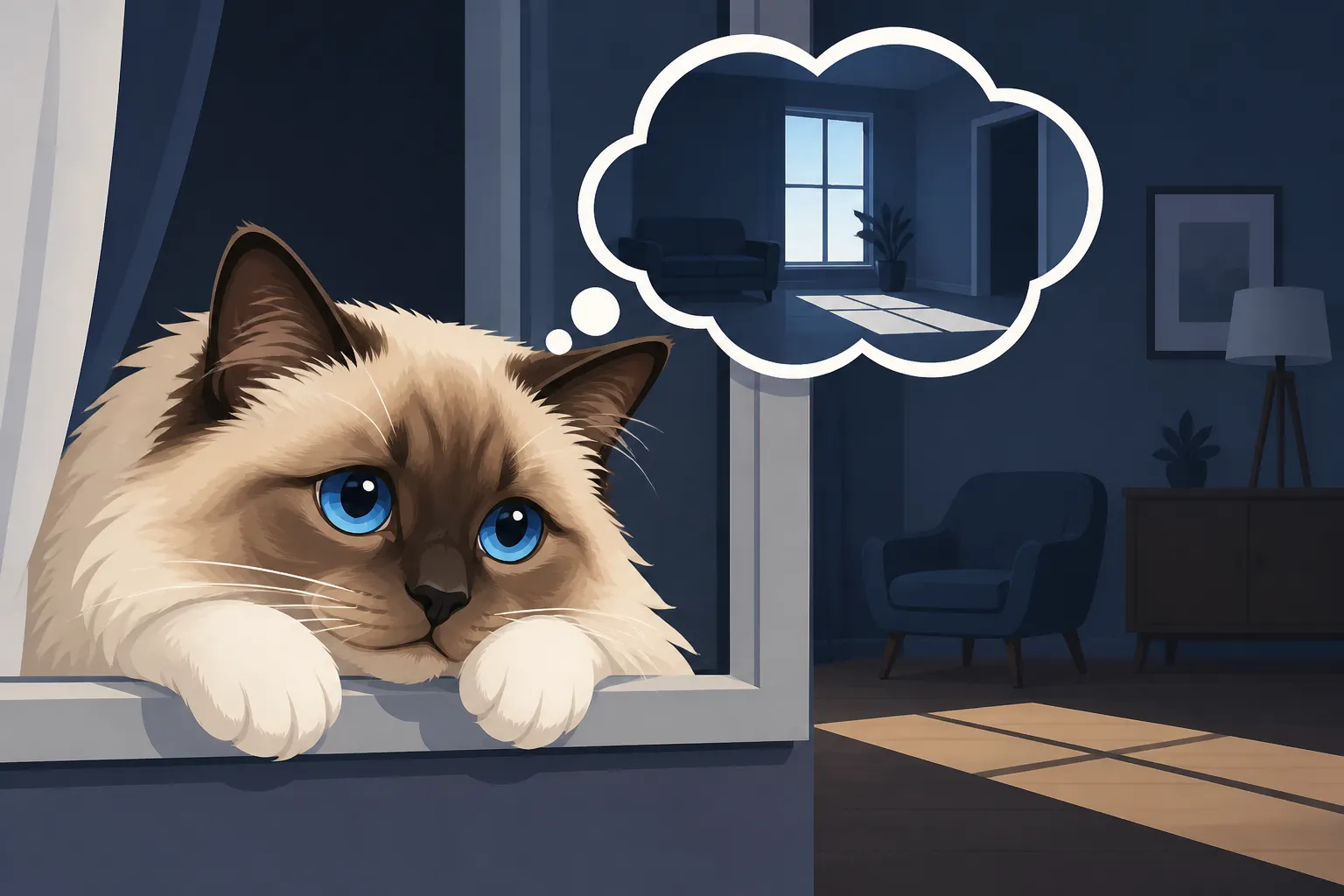
Imagine being in a beautiful home, with plenty of food and comfort, but utterly alone, day in and day out, with no one to talk to, no one to interact with. That's often the reality for a Birman left in an empty house for too long. Their gentle souls aren't built for prolonged solitude, and the emotional consequences can be significant.
Anxiety and Stress Manifestations
Just like humans, cats can experience anxiety and stress, and for a Birman, prolonged periods of isolation are a prime trigger. This isn't just about missing you; it's about a disruption to their core need for social engagement and predictability. When their world, which revolves around your presence, becomes consistently empty, it can create a pervasive sense of unease. They might start pacing, vocalizing (unusually for a Birman), or even show signs of agitation when they anticipate your departure.
This anxiety can manifest in various ways. Some Birmans might become hyper-vigilant, constantly listening for sounds of your return, unable to truly relax. Others might withdraw and become lethargic, losing interest in toys or their surroundings. You might notice a change in their greetings when you come home; instead of a calm, happy trill, they might be overly frantic or clingy, as if trying to ensure you won't leave again. This isn't just a "happy to see you" reaction; it's a desperate attempt to reconnect and quell the anxiety built up during your absence. What a Stressed Birman Does can be subtle but indicative.
In more severe cases, chronic stress can even lead to physical symptoms. The constant state of alertness or unease puts a strain on their system, potentially impacting their immune response or exacerbating existing health conditions. It's a vicious cycle where emotional distress can lead to physical vulnerability, and vice-versa. Therefore, understanding and mitigating the sources of their anxiety, especially isolation, is paramount for their overall well-being.
Depression and Lethargy
While it might sound overly human, cats, particularly highly social breeds like the Birman, can absolutely experience a form of depression when deprived of companionship. This isn't necessarily about feeling "sad" in the human sense, but rather a profound lack of stimulation, joy, and purpose in their daily lives. A Birman thrives on shared moments, even if those moments are simply co-existing in the same room. When those moments are consistently absent, their world shrinks.
A depressed Birman might exhibit signs such as reduced activity, spending most of its time sleeping in out-of-the-way places, or showing a marked decrease in playful behavior. They might not greet you with the same enthusiasm they once did, or they might seem generally subdued. Their appetite might decrease, or conversely, they might overeat out of boredom. Why a Birman's Appetite Goes First When It Is Unsettled is a key indicator. These subtle shifts can be easy to miss, especially if you're only seeing them for a few hours in the evening.
This lethargy isn't just about being a "calm" cat; it's about a change from their normal, gentle engagement. A naturally placid Birman might become even more still, almost unresponsive. It's a sad sight to see a typically affectionate and curious Birman lose its spark simply because its environment lacks the most crucial element: consistent, loving companionship. Preventing this emotional decline requires proactive engagement and ensuring their social needs are met, whether by a person or a suitable animal companion.
Physical Manifestations of Loneliness: When Behavior Becomes a Symptom
When a Birman is struggling with loneliness, it doesn't always show up as a quiet sadness. Often, their distress manifests in behaviors that can be confusing or frustrating for owners. These aren't acts of spite; they are desperate calls for attention and expressions of underlying stress.
Destructive Behaviors
An anxious or bored Birman might resort to destructive behaviors as a way to cope with their feelings or simply to relieve pent-up energy. This can be incredibly frustrating for an owner, who might come home to find scratched furniture, torn carpets, or even items knocked off shelves. From a human perspective, it looks like bad behavior, but from the Birman's perspective, it's a reaction to an unmet need. They don't understand that scratching the sofa is "wrong"; they only know that it provides a physical outlet for their stress or an interesting activity in an otherwise monotonous day.
These destructive acts are often an attempt to self-soothe or to create some form of stimulation. A Birman might start scratching door frames or walls near exit points, a clear sign of separation anxiety. They might target items that carry your scent, like clothes or bedding, tearing them up as a way to feel closer to you, even if unconsciously. It’s their way of interacting with their environment when their primary source of interaction – you – is absent. It's a desperate attempt to alleviate boredom, anxiety, or both.
It's crucial not to punish these behaviors, as punishment only increases their stress and damages your bond. Instead, the focus should be on understanding the root cause: loneliness and lack of appropriate stimulation. By addressing these core issues, you can often alleviate the destructive tendencies. Providing plenty of appropriate scratching posts, enriching their environment, and increasing companionship are far more effective solutions than scolding.
Excessive Grooming and Other Stress-Related Habits
One of the most common, yet often overlooked, physical manifestations of stress and loneliness in cats is excessive grooming, also known as psychogenic alopecia. A Birman's beautiful, silky coat is usually a source of pride, but when stressed, they might over-groom specific areas, leading to thinning hair, bald patches, or skin irritation. What Overgrooming Means in a Birman is a clear signal that something is amiss internally. They might lick constantly at their belly, legs, or flanks, often in secret, making it hard to catch them in the act.
Beyond over-grooming, other stress-related habits can emerge. Some Birmans might develop obsessive behaviors like tail chasing, repetitive pacing, or even sucking on fabric. Others might show changes in their litter box habits, going outside the box despite a clean environment. This isn't defiance; it's usually a desperate cry for help, a sign that they are deeply uncomfortable or anxious. These behaviors often intensify when you're away and diminish when you're home and providing attention, clearly linking them to feelings of isolation.
It's tempting to think these are just "quirks," but for a Birman, these are often red flags. If you notice any significant change in your cat's grooming habits or the appearance of new, repetitive behaviors, it's time to assess their environment and routine. Consulting with your vet can rule out any underlying medical causes, but often, addressing their emotional and social needs through increased companionship and enrichment is the key to resolving these concerning habits.
Changes in Appetite and Litter Box Habits
Loneliness and stress can wreak havoc on a Birman's delicate digestive system and overall routine. While Birmans are not usually voracious eaters, a sudden decrease in appetite or, conversely, an increase in grazing, can be a symptom of emotional distress. A cat that picks at its food, or leaves it untouched for hours, especially if it was a food they usually enjoy, might be telling you they're too anxious or depressed to eat. Why a Birman's Appetite Goes First When It Is Unsettled means it can be one of the first things you notice.
On the flip side, some Birmans might develop a habit of stress-eating or eating purely out of boredom when left alone. They might clean out their bowl quickly and then spend the rest of the day looking for more, gaining unhealthy weight. This can lead to obesity and related health issues down the line. It's important to monitor their food intake and body condition closely, as changes here are often a direct reflection of their emotional state.
Similarly, changes in litter box habits are a common stress indicator. An otherwise perfectly litter-trained Birman might start eliminating outside the box, particularly if the litter box is in a high-traffic area, or if they feel vulnerable. This isn't about being "naughty"; it's a profound sign of stress, anxiety, or even a desperate attempt to communicate their discomfort. It's their way of saying, "I'm not okay." Always consult a vet first to rule out medical issues like a urinary tract infection, but if medically cleared, emotional distress due to isolation should be a primary consideration.
Creating an Enriched Environment for a Solo Birman
While nothing truly replaces human companionship for a Birman, creating a stimulating and comforting environment can go a long way in mitigating the effects of solitude. This means thinking beyond just food and water, and actively designing a space that caters to their natural instincts and keeps their intelligent minds engaged.
The Power of Play and Interactive Toys
A bored Birman is often a lonely Birman. Providing a variety of engaging toys can help fill the void left by your absence. But not just any toys! Birmans are generally gentle players, so look for items that encourage quiet, focused activity rather than frantic energy bursts. Puzzle feeders, for example, are fantastic because they challenge your Birman mentally, requiring them to "work" for their treats. Which Puzzle Feeder Suits a Birman can make a huge difference in mental engagement. You can find many options on Amazon, from simple treat balls to more complex multi-level puzzles.
Rotating toys regularly is also key to keeping interest high. Don't leave all the toys out all the time; instead, introduce a few new ones each day and put others away. This keeps them fresh and exciting. Consider battery-operated interactive toys that move or make sounds on their own, mimicking prey. These can provide bursts of engaging activity throughout the day. Even simple things like crumpled paper balls or empty toilet paper rolls can be surprisingly entertaining.
Beyond toys, consider dedicated play sessions when you are home. Even if your Birman is quiet, they cherish interactive play with you. Feather wands, laser pointers (used responsibly, never shining directly into their eyes), or even a simple string can provide valuable bonding time and physical exercise, which contributes to better mental health while you're away. Remember, a well-exercised and mentally stimulated cat is often a happier and less anxious cat.
Vertical Spaces and Scratching Opportunities
Cats inherently feel safer and more confident when they have access to vertical spaces. This instinct comes from their wild ancestors, who used height for surveillance and safety. For a Birman, having cat trees, shelves, or window perches provides a sense of security and allows them to observe their territory from a vantage point. This is especially important in an empty house, where they might feel more exposed or vulnerable at ground level.
Invest in sturdy cat trees that are tall enough to offer a good view but also have cozy cubbies for napping. Birmans aren't typically extreme climbers, so mid-height perches and sturdy platforms are often preferred over ceiling-high structures. Placing these near windows can give them hours of entertainment, watching birds and squirrels outside. Even a simple, well-placed window perch, perhaps from Amazon, can transform a dull window into an exciting "cat TV" channel, enriching their solo hours.
Equally important are ample scratching opportunities. As mentioned, destructive scratching is often a sign of stress or boredom. Provide a variety of scratching posts – vertical sisal posts, horizontal cardboard scratchers, and even carpeted ramps. Place them in prominent areas, especially near furniture they might be tempted to scratch. This encourages appropriate scratching, which is a natural, stress-relieving behavior for cats. A well-placed post can be a huge deterrent to inappropriate scratching and provides a healthy outlet for their natural instincts.
Environmental Enrichment Beyond Toys
Enriching your Birman's environment goes beyond just toys and cat trees. Think about their senses. Many cats enjoy watching fish, so a secure, cat-proof aquarium can provide endless fascination. Some Birmans respond positively to calming music or audiobooks left playing softly, which can help mask outdoor noises that might cause anxiety and create a more comforting atmosphere. Pheromone diffusers, such as those made by Feliway, can also be beneficial in creating a sense of calm and security for anxious cats. Whether Pheromone Diffusers Help a Birman is a question many owners ask, and for many Birmans, they do.
Consider setting up a "feeding station" that requires a little effort. Instead of just putting food in a bowl, hide small portions of kibble around a safe room or use a slow feeder bowl. This mimics natural foraging behavior and extends mealtime, providing mental engagement. Even simple things like leaving a crumpled paper bag (handles removed for safety) or an empty cardboard box can become an exciting temporary hideaway or plaything.
Finally, a consistent routine provides immense comfort for a Birman. While you're away, knowing when food will appear, when lights might come on (if automated), and having a predictable environment reduces anxiety. When you are home, stick to regular feeding times, playtimes, and cuddle sessions. This predictability helps them feel secure and understand that even though you leave, you will always return and their needs will be met.
The Role of Companionship: Another Pet or Human Interaction
While environmental enrichment is vital, for a truly social breed like the Birman, nothing beats the presence of another living being. If your schedule means prolonged absences are unavoidable, considering a companion or external human interaction can be a game-changer.
Bringing a Second Birman into the Home
For many Birman owners, the ultimate solution to loneliness is to bring in a second Birman. These cats often thrive with feline companionship, particularly with another Birman who shares their gentle temperament and play style. Two Birmans can keep each other entertained, groom one another, and provide a sense of security during your absence. Why a Birman Does Better With a Companion Than a Toy is a truth many owners discover.
Introducing a second cat requires careful planning, but the benefits for a lonely Birman can be immense. They'll have a constant companion for naps, quiet games, and simply sharing space. This significantly reduces the emotional burden of solitude. Many breeders even suggest getting two littermates or two Birmans close in age, as they often bond quickly and provide immediate companionship. The idea of "why one Birman usually becomes two" is a common sentiment among owners who witness the positive change in their cats.
Of course, this isn't a decision to be taken lightly. It doubles the responsibility and expense, but for a Birman struggling with loneliness, it can transform their quality of life. The sight of two Birmans curled up together, or gently batting a toy back and forth, is a testament to the power of feline friendship. It mitigates the risk of behavioral issues stemming from isolation and ensures your beloved Birman always has someone to share their quiet moments with.
Other Feline or Canine Companions
While another Birman might be the ideal companion, not everyone is in a position to bring in another purebred. Fortunately, Birmans are generally known for their adaptable and tolerant nature, making them suitable companions for other gentle cats or even dogs. The key is to introduce them slowly and ensure the new companion has a temperament that matches the Birman's placid disposition. Which Cats Match a Birman's Middle of the Road Pace and Which Dogs Are Calm Enough for a Birman are important considerations.
If considering another cat, opt for a breed or rescue cat known for its calm and friendly nature. A high-energy, boisterous cat might overwhelm a gentle Birman. Slow, supervised introductions, providing separate resources (food, water, litter boxes, resting spots), and giving both cats plenty of individual attention will pave the way for a successful integration. The goal is a companion, not a source of further stress.
For dog owners, Birmans surprisingly often do very well with calm, well-behaved dogs. Their gentle nature means they're unlikely to instigate conflict, and they can often form strong bonds with canine housemates. Again, a careful, gradual introduction is key, with plenty of positive reinforcement. A dog that respects a cat's boundaries and isn't overly boisterous can provide that much-needed companionship, even if it's just shared nap times on the sofa.
Engaging with Professional Pet Sitters or Friends
If a permanent companion isn't feasible, or if you're planning an extended absence, securing regular human interaction is crucial. This is where trusted pet sitters, friends, or family members come into play. A Birman thrives on human presence, and even a daily visit can make a world of difference in preventing the acute loneliness that can set in.
A professional pet sitter can visit your home, feed your Birman, clean the litter box, and most importantly, spend quality time playing and interacting with them. Many sitters are experienced with breed-specific needs and understand that a Birman requires more than just a quick drop-in. They can provide cuddles, brushing, and engaging play, mimicking the routine your Birman is used to. This maintains their social connection and reduces anxiety about your absence.
If relying on friends or family, ensure they understand the Birman's need for attention. A quick food drop-off might be enough for some cats, but not for a Birman. Ask them to spend at least 30-60 minutes playing, talking to, and petting your Birman. This continuity of human interaction is invaluable. When considering longer trips, exploring options like in-home pet sitters who stay overnight can provide continuous companionship, which is often ideal for a Birman that frets when you travel.
Technology as a Bridge: Keeping Connected When You're Away
In our modern world, technology offers some fantastic tools to help bridge the gap when you can't be physically present with your Birman. While no gadget can replace genuine interaction, these devices can provide comfort, stimulation, and peace of mind.
Pet Cameras and Two-Way Audio
Pet cameras have become indispensable for anxious cat parents, and for good reason. Being able to check in on your Birman throughout the day can alleviate your worries and allow you to spot any signs of distress quickly. Many pet cameras, readily available on Amazon, offer high-definition video, night vision, and even two-way audio. What a Camera Shows a Birman Doing While You Are Out can be surprisingly insightful.
The two-way audio feature is particularly valuable for Birmans. While they may not understand your words, hearing your voice can provide immense comfort. Imagine your Birman looking bored or pacing, and you can speak to them through the camera, offering a familiar, soothing sound. Some cameras even allow you to dispense treats remotely, turning an otherwise isolating moment into a positive interaction. This connection, however brief, reinforces your presence and can help mitigate feelings of loneliness.
Regularly checking the camera can also help you understand your Birman's daily rhythm. Are they mostly sleeping? Are they pacing or looking out the window? Are they interacting with their toys? This insight can help you adjust their environment or routine to better suit their needs when you're away. It's a fantastic tool for monitoring, but remember, it's a bridge, not a replacement for actual presence.
Automated Feeders and Water Fountains
Automated feeders and water fountains play a crucial role in maintaining a consistent routine and ensuring your Birman's basic needs are met, especially during your absence. A timed feeder, easily found on Amazon, can dispense measured meals at specific times throughout the day, ensuring your Birman doesn't go too long without food. This consistency is comforting and can prevent overeating due to boredom or undereating due to anxiety.
For Birmans with a history of kidney concerns, which is not uncommon due to their Persian ancestry, adequate water intake is vital. A circulating water fountain encourages cats to drink more by offering fresh, flowing water, which is often more appealing than stagnant bowl water. This helps support their kidney health and keeps them hydrated. Which Wet Food Suits a Birman's Kidney History is an important dietary consideration.
These devices contribute to a sense of predictability and well-being. Knowing that their food and water needs are consistently met, even when you're not there, reduces a potential source of stress. While they are practical tools, their psychological benefit in creating a stable environment for your Birman should not be underestimated.
Interactive Treat Dispensers and Laser Toys
Beyond basic enrichment, technology can also provide engaging entertainment. Modern interactive treat dispensers aren't just puzzle feeders; some are automated and can be programmed to release treats or play games at intervals. These can keep a Birman mentally stimulated and physically active throughout the day, breaking up long periods of inactivity.
Automated laser toys are another option. These devices project a laser dot that moves randomly, enticing your Birman to chase and "hunt." This can be a great way to encourage exercise and mental engagement. Just remember to occasionally allow your Birman to "catch" something physical, like a small toy, after a laser session to prevent frustration from never truly "winning" the hunt. This small detail ensures the play remains rewarding and reduces stress.
Again, while these tools are fantastic for enrichment and combating boredom, they are not substitutes for your presence and interaction. They are best used as supplementary tools within a broader strategy of ensuring your Birman's emotional and social needs are met. Think of them as helpful assistants in providing a well-rounded and stimulating environment.
Planning for Extended Absences: Sitters and Boarding
Sometimes, extended absences are unavoidable. Whether it's a vacation, a business trip, or a family emergency, ensuring your Birman's well-being during these times requires careful planning beyond just leaving out extra food.
The Benefits of In-Home Pet Sitting
For a Birman, who thrives on routine and familiarity, an in-home pet sitter is almost always the preferred option for extended absences. The comfort of their own home, surrounded by familiar scents and sounds, dramatically reduces stress. This minimizes the disruption to their established routine, which is incredibly important for a cat with a placid, comfort-loving temperament. Why a Sitter in the House Suits a Birman Better is a common piece of advice from experienced Birman owners.
An in-home sitter doesn't just feed and clean; they provide genuine companionship. They can mimic your daily interactions, from morning cuddles to evening play sessions. This consistent human presence alleviates loneliness and provides emotional security. They can also administer any medications, bring in mail, and generally keep an eye on your home, offering peace of mind on multiple fronts.
When choosing a pet sitter, look for someone with excellent references, experience with cats (especially long-haired breeds or those with specific needs like Birmans), and who is bonded and insured. A trial visit before your actual trip can help your Birman get used to the sitter, making the transition smoother for everyone. It's an investment, but one that pays dividends in your Birman's happiness and health.
Considering Boarding Facilities: Pros and Cons
While generally not ideal for Birmans, sometimes boarding at a reputable cat-only facility is the only option. If you must board your Birman, choose a facility that is clean, quiet, and designed specifically for cats, with individual spacious enclosures rather than communal rooms. Look for places that offer "cat condos" with multiple levels, perches, and private litter areas.
The main "con" for Birmans in a boarding environment is the stress of a new, unfamiliar place, new sounds, and new smells. This can be particularly upsetting for a cat that values routine and familiarity. Some Birmans might become withdrawn, refuse to eat, or even develop stress-related illnesses in such an environment. This is why Why Boarding Unsettles a Birman More Than Most Cats needs careful consideration.
However, a "pro" can be the consistent supervision and care from staff, especially if your Birman has medical needs or requires regular medication. A good facility will have staff trained to recognize signs of stress or illness. If you do opt for boarding, ensure the facility has clear policies on feeding, cleaning, and, critically, interaction with the cats. Ask about their daily routine for cats, how much individual attention they receive, and what measures they take to reduce stress. A facility that allows you to bring your Birman's own bedding and toys can also help them feel more secure.
Preparing Your Birman for Your Absence
Regardless of whether you choose a sitter or boarding, preparing your Birman for your absence is key to reducing their stress. Start well in advance of your trip. If using a sitter, have them visit a few times beforehand, so your Birman gets accustomed to their presence. If boarding, consider a short "practice" stay of a day or two if the facility allows it.
Ensure all vaccinations are up to date and your Birman has had a recent vet check. Leave clear, detailed instructions for food, medication, litter box habits, and any quirks or preferences your Birman has. Make sure emergency contact information for you and your vet is readily available. Leave out familiar items that carry your scent, like a worn t-shirt, which can provide comfort.
Ultimately, your goal is to minimize disruption and maximize comfort. A well-prepared Birman, whether at home with a sitter or in a thoughtfully chosen boarding facility, will cope much better with your absence than one simply left to fend for itself. It's a testament to our responsibility as Birman parents to ensure their emotional needs are met, even when we can't be there in person.
Recognizing and Addressing Signs of Distress
It's one thing to understand that Birmans don't like being alone, and another entirely to pinpoint when your specific cat is actually struggling. These gentle cats are masters at masking discomfort, so learning to read their subtle cues is incredibly important.
Subtle Cues of Unhappiness
Birmans, with their placid temperament, often hide illness or distress. Why a Birman Hides Illness Behind a Placid Temperament means you have to be extra vigilant. They won't always scream for attention or tear up the house in a dramatic fashion (though some might!). Instead, their unhappiness often manifests in subtle shifts in behavior that, if not observed closely, can be easily missed or misinterpreted. One of the first things you might notice is a change in their routine or demeanor upon your return.
For instance, a Birman that used to greet you at the door with a gentle trill might now be hiding or seem indifferent. Or, conversely, they might become overly clingy and desperate for attention, following you everywhere as if trying to make up for lost time. Observe their sleeping patterns: are they sleeping more than usual, or in unusual, secluded spots? Are they less interested in their favorite toys or previous activities? These quiet alterations in their everyday habits are often the earliest indicators that they're not feeling quite right.
Even their grooming habits can be a subtle tell. While excessive grooming is an obvious sign, a decrease in grooming can also be an indicator of depression or lethargy. Are they keeping their beautiful ruff and tail plume as pristine as usual? Are their white gloves looking a bit dingy because they haven't been as diligent? These seemingly small changes are like whispers from your Birman, telling you that their emotional landscape might be shifting.
When to Consult Your Veterinarian
If you've identified several subtle cues and suspect your Birman is struggling with loneliness or stress, and environmental enrichment or increased interaction hasn't helped, it's always wise to consult your veterinarian. While many behavioral issues stem from environmental or social factors, a vet visit is crucial to rule out any underlying medical conditions that might be contributing to, or even causing, the changes in behavior.
For example, changes in appetite, litter box habits, or excessive grooming can all be symptoms of physical ailments. Your vet can perform a thorough examination, including blood tests or urinalysis, to ensure there isn't a medical reason for your Birman's distress. They might also check their heart, as How HCM Shows Up in a Birman is a critical health concern for the breed, and stress can sometimes exacerbate physical conditions. Why a Birman That Stops Following You Needs a Vet points to potential issues that need medical evaluation.
Once medical causes have been ruled out, your vet can also offer advice on behavioral modification strategies or refer you to a feline behaviorist. These professionals are experienced in understanding cat psychology and can help you implement targeted solutions to address your Birman's specific needs. They can provide guidance on everything from adjusting routines to introducing new companions, ensuring you have the best possible support for your beloved cat.
Long-Term Strategies for a Happy Birman
Addressing loneliness in a Birman isn't a one-time fix; it requires a commitment to long-term strategies that prioritize their social and emotional well-being. The ultimate goal is to create a life where your Birman feels consistently loved, secure, and connected. This might mean adjusting your own schedule, rethinking your living situation, or making a long-term commitment to a companion pet.
If your lifestyle dictates long hours away from home, seriously consider the option of bringing in a second Birman. The companionship between two Birmans is often unparalleled and provides continuous comfort. If that's not possible, explore options like a consistent cat sitter who visits daily, or even a friend or family member who can regularly spend time with your cat. Building a reliable support network for your Birman is a vital long-term strategy.
Continue to invest in environmental enrichment, rotating toys, maintaining vertical spaces, and utilizing technology. But always remember that these are supplementary to direct interaction. Dedicate specific time each day for play, cuddles, and quiet companionship. Your Birman's happiness is a direct reflection of the love and attention they receive, and by proactively addressing their need for company, you'll ensure your gentle companion leads a full, joyful, and emotionally secure life.
| Signs of Birman Loneliness/Stress | Potential Underlying Cause | Recommended Action |
|---|---|---|
| Increased hiding/withdrawal | Anxiety, depression | Increase interaction, vet check to rule out illness, consider companion |
| Destructive scratching/chewing | Boredom, anxiety | Provide appropriate scratchers/toys (e.g., from Amazon), enrich environment |
| Excessive grooming/bald patches | Stress, anxiety | Vet check to rule out skin issues, use pheromone diffusers, increase mental stimulation |
| Changes in appetite (over/under) | Stress, depression, illness | Vet check, maintain routine, consider puzzle feeders |
| Inappropriate urination/defecation | Stress, illness, territorial | Vet check immediately, clean litter box, ensure multiple boxes, address stress |
| Reduced play/lethargy | Depression, boredom, illness | Vet check, introduce new interactive toys, dedicated play time |
| Overly clingy upon your return | Separation anxiety | Gradual desensitization, ensure consistent goodbyes/hellos, consider companion |
Disclaimer
This article is for general informational purposes only and does not constitute professional advice. Laws, prices and regulations vary by location and change over time. Consult a qualified professional for guidance on your specific situation.