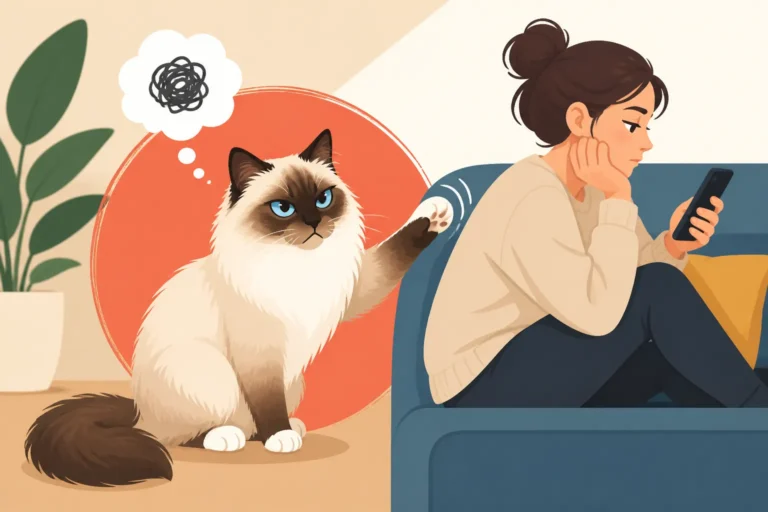
Why a Birman’s Appetite Goes First When It Is Unsettled
It's incredibly distressing when your usually calm and composed Birman suddenly turns its nose up at their favorite meal, or worse, stops eating altogether. This change isn't just a sign of fussiness; for a Birman, a sudden loss of appetite is often one of the very first, and most significant, indicators that something in their world has become unsettling or stressful. This guide will help you understand why your Birman's appetite is so sensitive to their emotional state and what you can do to bring back their comfort and their hunger.
The Birman's Sensitive Nature: Why Appetite is a Barometer
Birmans are famously gentle, affectionate, and even-tempered cats. They are known for their placid demeanor, their quiet 'trill' instead of a loud meow, and their preference for being near you rather than constantly in your lap. This delightful personality, however, comes with a caveat: their sensitivity. They are creatures of habit and deeply attuned to their environment and their human companions. When their world is disrupted, even subtly, their inner peace can be rattled, and this often manifests first in their eating habits.
The Placidity Paradox: Hiding Distress
One of the most challenging aspects of caring for a Birman is their inherent tendency to mask illness or distress. Unlike some more vocal or demonstrative breeds that might cry out or become overtly destructive when upset, a Birman often internalizes its discomfort. They might retreat slightly, become a little quieter than usual, or simply stop participating in activities they once enjoyed. Their placid nature, while endearing, can make it tricky to spot early signs of trouble. This is what I call the "placid paradox": their calmness can actually make them harder to read when they are genuinely struggling.
When a Birman feels unwell or stressed, they might instinctively try to hide it, a leftover trait from their wild ancestors who wouldn't want to appear vulnerable to predators. Losing their appetite is a less obvious signal than, say, vomiting or vocalizing pain. It’s a quiet way for them to say, "Something isn't right." If your Birman, who usually greets you for breakfast, suddenly ignores their bowl, it's a huge red flag that something is off, and it demands your immediate attention. Don't assume they're just being finicky; assume they're trying to tell you something important. This is why it’s crucial to understand Why a Quiet Birman Is Easy to Misread.
Deep Attachments and Routine Reliance
Birmans thrive on routine and strong bonds with their human families. They become deeply attached, often choosing one person as their primary confidante but still showing affection to everyone in the household. This attachment means they are incredibly sensitive to any changes in your presence or the household dynamic. A sudden change in your work schedule, a family vacation, or even a new person moving into the home can throw them off balance.
They also rely heavily on predictable routines. Meal times, playtime, and even quiet snuggle times are important markers in their day. If these routines are disrupted, it can cause significant anxiety. Imagine if your entire schedule shifted unpredictably every day; you’d likely feel unsettled too. For a Birman, this translates directly to their sense of security. When that security is threatened, their gut—and therefore their appetite—is often the first place it shows. They might decide that eating isn't safe, or simply lose interest in food when their mind is preoccupied with their anxiety. Why a Birman Does Badly as an Only Cat is a good point to consider here, as a lone Birman has even more reliance on human company, making any absence more impactful.
Common Triggers for a Birman's Appetite Loss
Understanding why your Birman might be unsettled is the first step toward helping them. It’s rarely just one big thing; often, it’s a cumulative effect of smaller stressors that build up. You might think, "But nothing major has changed!" but what seems minor to us can be monumental to a creature of routine and deep sensitivity.
Environmental Shifts and Changes
Cats, including Birmans, are territorial creatures. Their home is their castle, and any alteration to it can feel like a breach of security.
- Moving House: This is perhaps the most obvious and significant stressor. A new environment means new smells, new sounds, and a complete upheaval of their established territory. Even if you try to make it comfortable, the sheer novelty can be overwhelming. How to Move House With a Birman provides detailed advice on this specific challenge. They may spend days hiding or exploring cautiously, putting eating far down their priority list.
- New Furniture or Rearrangement: Something as seemingly harmless as buying a new sofa or moving existing furniture around can disrupt their scent markers and familiar pathways. Suddenly, their comfortable napping spot is gone, or their route to the litter box feels different. This subtle change can be enough to make them anxious. Why a Birman Dislikes a New Piece of Furniture goes into this in more detail.
- Loud Noises or Construction: Birmans, with their generally quiet disposition, are not fans of loud, sudden noises. Construction work, a new noisy appliance, or even boisterous guests can make them feel unsafe. They might retreat to a quiet corner and avoid venturing out, including to their food bowl, until the disturbance passes.
- Changes to Their Litter Box: Believe it or not, the litter box is a huge factor in a cat's sense of security. A new type of litter, a change in its location, or insufficient cleaning can make them uncomfortable. If they feel unsafe or stressed using their litter box, they might associate this negative feeling with other essential bodily functions, including eating. Considering Why a Birman Needs a Longer Box Than a Round Cat can also play a role in their comfort and willingness to use the facilities.
Social Disruptions and Loneliness
As we discussed, Birmans thrive on companionship. While they aren't typically demanding, they do crave presence and interaction.
- Changes in Household Members: A new baby, a new pet, a houseguest, or even a housemate moving out can drastically alter the social dynamic. Birmans need time to adjust to new faces and can become anxious if they feel their bond with you is threatened or their space invaded. This anxiety can manifest as a refusal to eat.
- Extended Absences of Owners: If you work long hours, go on vacation, or frequently travel, your Birman can become lonely and stressed. They are highly dependent on human company, and a lack of it can lead to anxiety. It's not uncommon for a Birman to reduce its food intake when its primary person is away. This is closely related to How Many Hours Alone Before a Birman Stops Eating. Even if a pet sitter visits, the absence of you can be deeply felt.
- Lack of Interaction or Play: While Birmans are not high-energy cats, they do need regular, gentle play and interaction. If they feel neglected or bored, it can lead to stress. A quick laser pointer session or a wand toy can make a big difference, not just for exercise but for mental stimulation and bonding. Consider picking up a few different wand toys from a site like Amazon to see which one your Birman prefers.
Health Concerns Masked by Behavior
It’s absolutely critical to remember that loss of appetite is also a classic symptom of many underlying health issues. A Birman's placid nature means they often don't show obvious signs of pain or discomfort until a condition is quite advanced. This is why Why a Placid Birman Hides Pain is such an important concept for Birman owners.
- Dental Issues: Painful teeth or gums can make eating excruciating. Your Birman might want to eat but stops once they feel the pain. Dental disease is common in cats as they age, and their narrow jaws can be particularly prone to issues.
- Digestive Upset: Nausea, stomach upset, or constipation can all lead to a refusal to eat. This could be due to something simple like a hairball or something more serious.
- Kidney or Liver Disease: As Birmans age, these conditions become more prevalent. Early signs often include subtle changes in appetite and water intake.
- Hyperthyroidism: An overactive thyroid gland can make a cat ravenously hungry at first, but in later stages, it can lead to nausea and appetite loss.
- Heart Conditions (HCM): While not directly causing appetite loss, a cat feeling generally unwell due to a progressing heart condition might lose interest in food. How HCM Shows Up in a Birman highlights the importance of regular health checks.
- Pain: Arthritis, an injury, or any source of pain can make a cat feel too unwell or uncomfortable to eat. If your Birman is also showing other subtle signs like changes in movement, hiding more, or avoiding being picked up, pain might be a factor. This is why if your Birman that normally follows you everywhere Why a Birman That Stops Following You Needs a Vet, it could be a sign of illness.
It cannot be stressed enough: if your Birman's appetite loss persists for more than 24 hours, or if it's accompanied by any other symptoms like lethargy, vomiting, diarrhea, hiding, or changes in litter box habits, a vet visit is absolutely essential. Don't wait; stress can sometimes lead to serious complications if a cat doesn't eat, such as hepatic lipidosis (fatty liver disease).
Practical Strategies to Restore Your Birman's Comfort and Appetite
Once you’ve ruled out immediate medical emergencies with your vet, you can focus on strategies to reduce stress and encourage your Birman to eat again. The goal is to rebuild their sense of security and make their environment feel safe and predictable once more.
Creating a Sanctuary: Stability and Security
Your Birman needs a safe, consistent space where they feel completely in control.
- Provide a Quiet Retreat: Ensure your Birman has access to a quiet, undisturbed spot where they can retreat if they feel overwhelmed. This could be a high perch on a cat tree, a cozy bed under a table, or even just a soft blanket in a less trafficked room. Make sure it's their space.
- Maintain Routine: Stick to a predictable schedule for feeding, playtime, and attention. Cats thrive on routine, and knowing what to expect can significantly reduce anxiety. Feed them at the same times each day, in the same location.
- Minimize Environmental Changes: If possible, avoid drastic changes to furniture placement or loud noises during periods of stress. If you must make changes, introduce them gradually. For instance, if getting new furniture, allow your Birman to explore the new item in a separate room before bringing it into their main space.
- Pheromone Diffusers: Products like Feliway diffusers, readily available on Amazon, release synthetic feline facial pheromones that can help create a sense of calm and security in their environment. Many owners find these beneficial, especially during times of transition or stress. Consider Whether Pheromone Diffusers Help a Birman for more insights.
- Clean and Accessible Litter Boxes: Ensure litter boxes are impeccably clean, scooped daily, and placed in quiet, private locations. If you have multiple cats, you should have one more litter box than the number of cats. Use the same type of litter your Birman is accustomed to.
Nurturing Social Bonds and Engagement
Reassuring your Birman of your love and presence is paramount.
- Dedicated Bonding Time: Spend extra quiet time with your Birman. Gentle petting, soft talking, or simply sitting near them can be incredibly reassuring. Let them approach you on their terms. Remember, A Birman Would Rather Be Near You Than On You, so respecting their space while offering presence is key.
- Gentle Play Sessions: Engage them in short, calm play sessions with their favorite toys. This can help distract them from stress and redirect their energy positively. Slow, wand-style toys are often a hit with the more placid Birman. Look for interactive toys on Amazon that mimic prey but aren't overly aggressive.
- Consider a Companion (If Appropriate): If your Birman is an only cat and you work long hours, considering a second, compatible cat might alleviate loneliness, but this is a big decision requiring careful thought and introduction. Why a Birman Does Better With Company is worth exploring if you're thinking about a multi-cat household.
- Maintain Your Own Calm: Cats are incredibly perceptive and can pick up on human stress. Try to remain calm and collected around your Birman, as your anxiety can inadvertently heighten theirs.
Appealing to Their Palate and Hydration Needs
Getting your Birman to eat again requires a bit of gentle persuasion and creativity.
- Offer Tempting Foods:
- Warm Food: Gently warming wet food to body temperature can enhance its aroma and make it more appealing.
- Strong-Smelling Options: Offer canned tuna (in water, unsalted, and in very small amounts as a treat), sardine water, or a little plain cooked chicken. These strong smells can pique their interest.
- Wet Food Options: If your Birman usually eats kibble, offer high-quality wet food. It's more aromatic, easier to digest, and provides much-needed hydration. Which Wet Food Suits a Birman's Kidney History offers some guidance here.
- Pâté Consistency: Some cats prefer a smooth pâté, while others like chunks. Experiment to see what appeals.
- Hand-Feeding: Sometimes, simply offering a tiny bit of tempting food directly from your finger or a spoon can encourage them to start eating. It’s a way of saying, "See? It's safe, and I'm here."
- Separate Eating Area: Ensure their food and water bowls are in a quiet, safe spot, away from busy household traffic or other pets if they feel threatened.
- Hydration is Key: Ensure multiple sources of fresh water are available. A cat drinking fountain (many good options on Amazon) might encourage them to drink more, which is crucial for overall health and can stimulate appetite.
- Avoid Force-Feeding: Never force-feed your Birman unless specifically instructed by a vet, as this can create a negative association with food and increase their stress.
- Small, Frequent Meals: Instead of one large meal, offer several small portions throughout the day. This can be less intimidating and easier for a stressed cat to manage.
When to Consult the Vet: Ruling Out Illness
As mentioned, persistent appetite loss demands veterinary attention. It’s always best to err on the side of caution when it comes to your Birman’s health.
- Don't Delay: If your Birman hasn't eaten in 24 hours, or if they are showing any other symptoms of illness, call your vet immediately. Dehydration and malnutrition can quickly become serious problems for cats.
- Be Thorough with Symptoms: When you speak to your vet, be ready to describe all observed symptoms, no matter how minor. This includes changes in behavior, litter box habits, energy levels, and vocalizations. Even subtle changes in What a Withdrawn Birman Is Telling You can be key diagnostic clues.
- Diagnostic Tests: Your vet may recommend blood work, urinalysis, X-rays, or ultrasound to pinpoint the cause of appetite loss. These tests are essential to rule out underlying medical conditions.
- Follow Veterinary Advice: Once a diagnosis is made, follow your vet's treatment plan diligently. This might include appetite stimulants, anti-nausea medication, a special diet, or treatment for an underlying condition.
By being vigilant, understanding their sensitive nature, and taking proactive steps to address both their environment and their emotional needs, you can help your Birman through periods of stress and get them back to happily enjoying their meals and their peaceful life with you.
| Stressor Category | Common Examples | Birman Response (Appetite Loss Often First Sign) | Actionable Steps to Mitigate |
|---|---|---|---|
| Environmental | Moving house, new furniture, loud noises | Hiding, reluctance to approach food/water, seeking quiet | Provide safe spaces, use pheromone diffusers, gradual changes |
| Social | New person/pet, owner absence, lack of interaction | Withdrawal, reduced play, ignoring beloved treats | Increase dedicated bonding time, gentle play, maintain routine |
| Health Related | Dental pain, nausea, internal organ issues | Dropping food, refusal to eat, lethargy, vomiting | IMMEDIATE vet consultation, diagnostics, specific treatment |
| Routine Disruption | Changed feeding times, inconsistent attention | Anxiety, restlessness, reluctance to engage | Establish and maintain strict daily routines |
Disclaimer
This article is for general informational purposes only and does not constitute professional advice. Laws, prices and regulations vary by location and change over time. Consult a qualified professional for guidance on your specific situation.