Why a Birman Plays Gently
One of the most common observations about our beloved Birman cats is just how incredibly gentle they are, especially when it comes to playtime. If you've ever owned a Birman, you'll know that their idea of a rollicking good time often involves soft paws, quiet chases, and very little in the way of aggressive pouncing. This guide will delve into the unique reasons behind their famously gentle play style, offering insights into their temperament, physical traits, and how to best engage with these wonderfully placid felines.
The Birman's Innate Temperament and Play Style
Birmans are often described as occupying a delightful middle ground in the feline world, a beautiful blend between the high-octane energy of a Siamese and the serene, sometimes sedentary, nature of a Persian. This unique positioning is a significant factor in The Birman Sits Between the Siamese and the Persian, shaping their entire approach to life, including how they play. They aren't prone to frantic bursts of energy that send them scaling curtains or tearing through the house like a whirlwind. Instead, their energy is more contained, expressed in graceful movements and thoughtful interactions.
This innate placid temperament means that Birmans approach play with a certain dignity. You'll rarely see them launch into aggressive attacks on toys or engage in rough-and-tumble wrestling with a ferocity that could leave a scratch. Their play is often a form of engagement and companionship, an extension of their desire to be near you and involved in your activities. They might follow you from room to room, a soft trill acknowledging their presence, waiting for an invitation to interact. Why a Birman Follows You Without Demanding Anything perfectly encapsulates this subtle companionship. Their quiet nature extends to their vocalizations during play; instead of loud meows or yowls, you're more likely to hear soft chirps or purrs, especially when they're enjoying a favorite toy or a gentle feather wand session.
When they do play, Birmans tend to keep their claws sheathed, even during moments of excitement. They're not "all claws out" players, preferring to use soft paws for batting, nudging, and gentle pounces. This makes playtime much safer and more enjoyable for human companions, especially children, who might accidentally get scratched by a more boisterous breed. You'll quickly notice Why a Birman Plays With Its Claws In, which is a testament to their calm demeanor. Their interaction is less about simulated hunting and more about shared activity. Even when introduced to new people, they tend to be curious and welcoming, approaching with a gentle confidence rather than retreating or showing aggression. This translates into their play with visitors too; How a Birman Behaves With Visitors is typically a picture of calm, inquisitive charm.
Physical Attributes that Influence Gentle Play
A Birman's physical characteristics also play a role in shaping their gentle play habits. While they are a solid, medium-sized cat, they don't possess the extreme musculature or super-athletic build of some of their more acrobatic cousins. Their body is long and rectangular, well-proportioned, but not built for sustained, high-intensity aerial maneuvers. They are graceful, certainly, but their grace is more about fluid movement along the ground or elegant leaps onto moderate heights, rather than scaling to the absolute pinnacle of a towering cat tree. This means their play style is naturally grounded and less prone to wild, uncontrolled movements that could result in accidental bumps or scratches.
Their magnificent single coat, which is so famously silky and easy to manage, is another subtle factor. Unlike cats with dense, woolly undercoats, the Birman's fur is less prone to tangling and matting. How a Birman's Coat Differs From a Ragdoll's is a great example of this distinction. While this isn't a direct cause of gentle play, a cat with a coat that tangles easily might be more cautious about rough play that could lead to discomfort. Birmans can enjoy a good roll or a playful tussle without the immediate concern of creating knots in their beautiful fur. This means they are comfortable with floor-level games and interactive play that doesn't demand excessive acrobatics.
Furthermore, their distinctive white "gloves" on their paws are a hallmark of the breed, a feature cherished by enthusiasts and judges alike. While their gloves are primarily an aesthetic trait, some owners speculate that Birmans might subconsciously be more careful with their paws, as if protecting this unique feature. This is, of course, a playful observation rather than a scientific fact, but it speaks to the overall impression of carefulness and gentleness that Birmans exude. Their paws are often used with precision, whether they are batting a toy or delicately exploring a new scent. This careful use of their paws contributes to the overall "soft touch" feel of their play.
How Their Companionship Needs Affect Play
One of the most defining aspects of the Birman personality is their profound need for companionship. These cats are not solitary creatures content to entertain themselves for hours on end. Instead, they thrive on interaction with their human families and often other pets in the household. This deeply ingrained need for connection directly influences their play style, making it more about shared experience than independent exertion. Why a Birman Needs Company More Than Stimulation is a critical insight for any potential or current Birman owner. They don't just want to play; they want to play with you.
Their gentle play is often an invitation for interaction. A Birman might bring you a favorite toy, not necessarily expecting you to throw it for them to fetch like a dog, but perhaps to share a moment of batting it around together. They might watch you intently, then slowly approach a wand toy, engaging with it in a deliberate, unhurried manner. This isn't a sign of disinterest, but rather their preference for a calm, reciprocal play session. They enjoy games where you are actively involved, gently teasing them with a feather wand or rolling a soft ball their way.
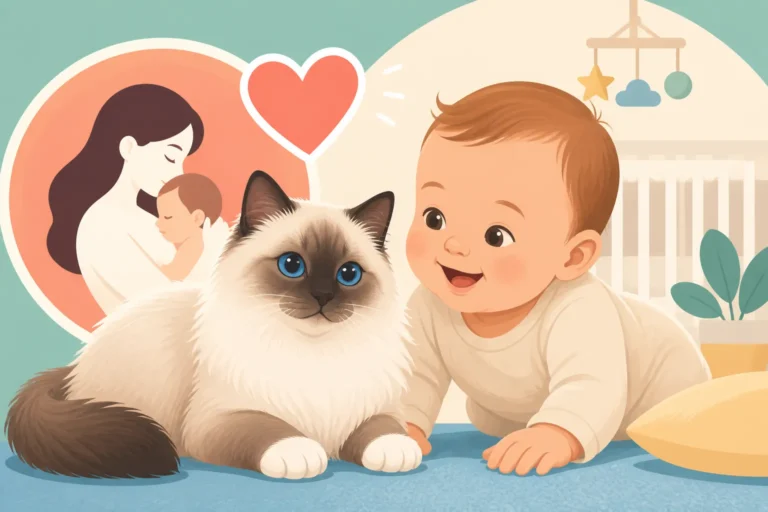
Birmans are also known for their incredible tolerance and patience, making them ideal companions for families with children or other pets. Why a Birman Suits a Household With Children or dogs is because they adapt beautifully to various dynamics, and their play reflects this. They are unlikely to lash out or become overwhelmed by the boisterous energy of a child or a playful puppy. Instead, they’ll often engage with a quiet dignity, teaching younger playmates the art of gentle interaction. If a situation becomes too intense, a Birman is far more likely to simply walk away than to react aggressively, demonstrating their calm approach to conflict. Why a Birman Walks Away Instead of Swiping highlights this peaceful aspect of their nature. This means their play rarely escalates into anything rough, as they prefer harmonious interactions above all else.
Encouraging Gentle Play and Appropriate Toys
Understanding why a Birman plays gently empowers you to create the most enriching and enjoyable play environment for them. Since their nature leans towards calm, interactive engagement, it's best to lean into this rather than trying to force them into a more energetic play style that goes against their intrinsic personality. The goal is to provide stimulation that matches their gentle spirit and reinforces their natural tendencies.
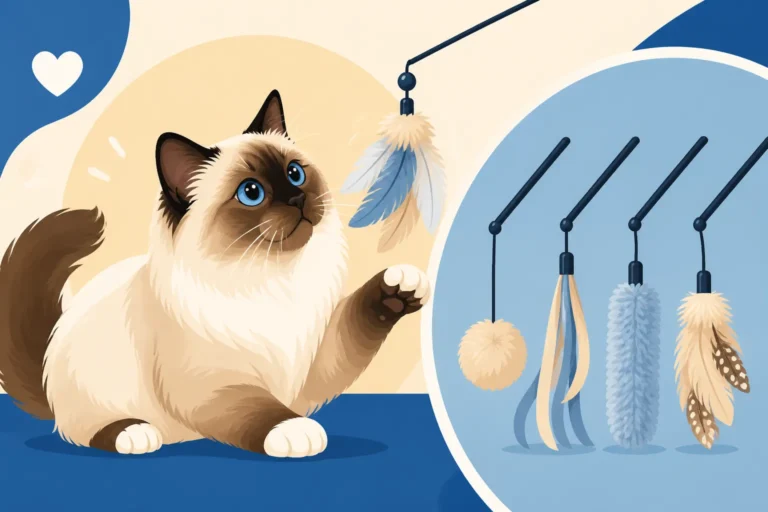
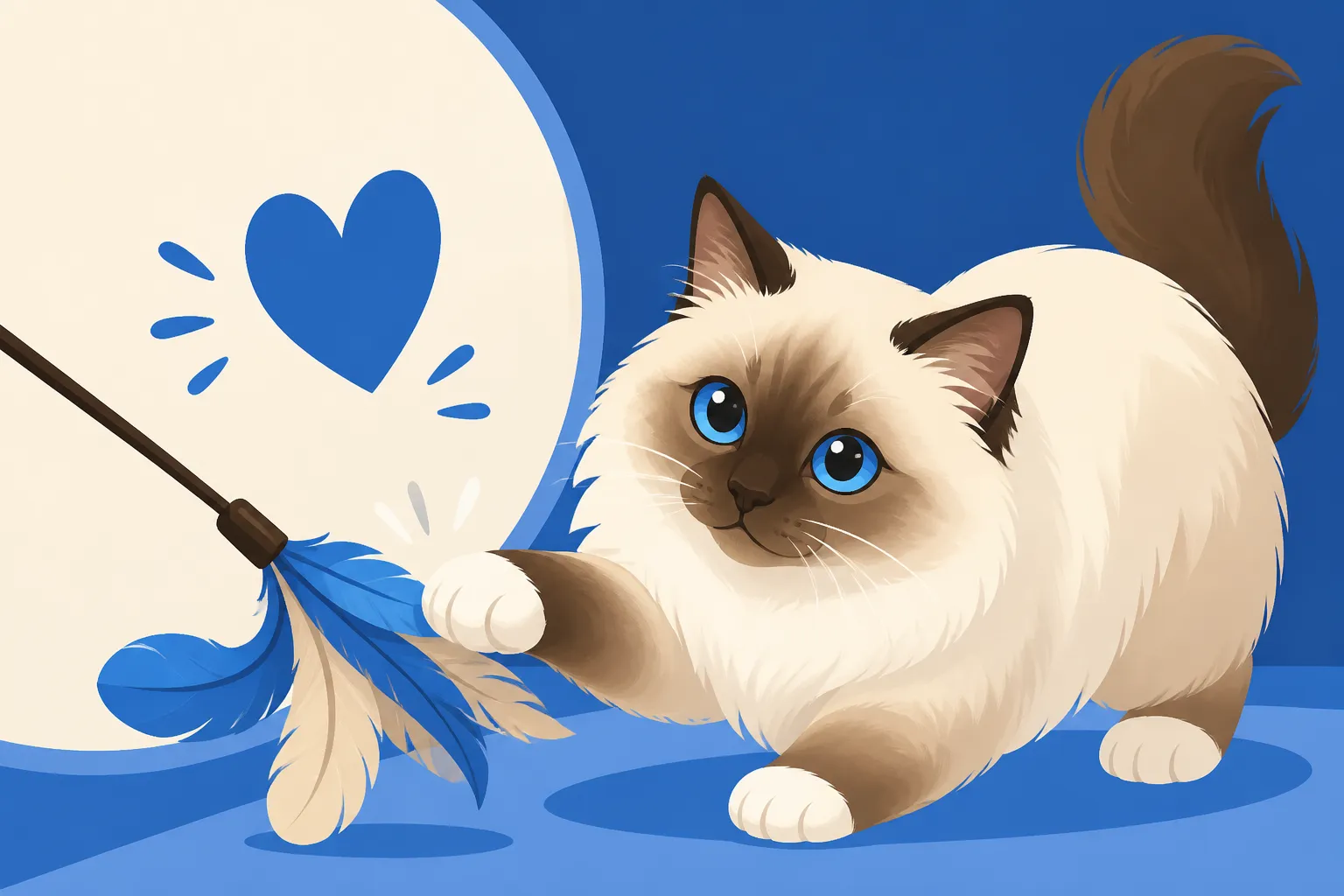
One of the best ways to engage a Birman is through interactive play using wand toys. Think feather wands or soft fabric ribbons on a stick. These allow you to control the pace and intensity of the play, keeping it slow, flowing, and unpredictable enough to hold their interest without over-stimulating them. A Birman will often stalk and pounce with graceful precision, batting at the toy rather than tearing at it aggressively. When selecting toys, look for durable, soft options that won't encourage them to use excessive force or sharp claws. Many excellent options can be found on Amazon, from simple feather teasers to more elaborate interactive wands. Which Wand Toys Move Slowly Enough for a Birman will often be their preference, allowing them to engage their natural hunting instincts in a measured way.
While Birmans enjoy interaction, they don't necessarily need hours of intense exercise. A few dedicated play sessions spread throughout the day, each lasting 10-15 minutes, are usually sufficient to keep them happy and engaged. How Much Play a Birman Needs Daily is less about quantity and more about quality, focusing on meaningful interaction. They appreciate mental stimulation as much as physical, so puzzle feeders or toys that dispense treats can also be a hit, engaging their problem-solving skills in a quiet, focused manner. Again, Amazon offers a wide selection of these types of enrichment toys that are perfect for a Birman's thoughtful nature.
It's also important to provide a calm and consistent environment. Birmans thrive on routine and predictability. Sudden changes or high-stress situations can impact their behavior, potentially making them withdrawn or even leading to signs of stress. If a Birman becomes noticeably withdrawn or its appetite changes, it might be What a Stressed Birman Does. Keeping their daily life stable supports their gentle temperament, making them feel secure enough to engage in playful interactions. Even their eating habits reflect their placid nature; Why a Birman Will Quietly Eat Everything You Leave Down rather than rushing or guarding their food.
Finally, remember that the joy of owning a Birman often lies in their quiet companionship. Their gentle play is not a sign of laziness or disinterest, but a manifestation of their deeply affectionate and placid nature. Embrace their soft paws and quiet trills; these are the charming hallmarks of a truly sacred cat.
| Play Style Characteristic | Birman Cat | More Energetic Breeds (e.g., Siamese, Bengal) |
|---|---|---|
| Paws Usage | Soft, sheathed claws, batting, nudging | Often uses claws, grabbing, wrestling |
| Vocalization | Soft trills, purrs, quiet chirps | Loud meows, yowls, chirps |
| Intensity | Gentle, deliberate, measured | High energy, fast, acrobatic |
| Interaction Focus | Companionship, shared activity | Simulated hunting, vigorous exercise |
| Tolerance for Rough Play | High tolerance, walks away if overwhelmed | May escalate or react defensively |
| Preferred Toy Type | Feather wands, soft balls, puzzle feeders | Laser pointers, chase toys, climbers |
Disclaimer
This article is for general informational purposes only and does not constitute professional advice. Laws, prices and regulations vary by location and change over time. Consult a qualified professional for guidance on your specific situation.