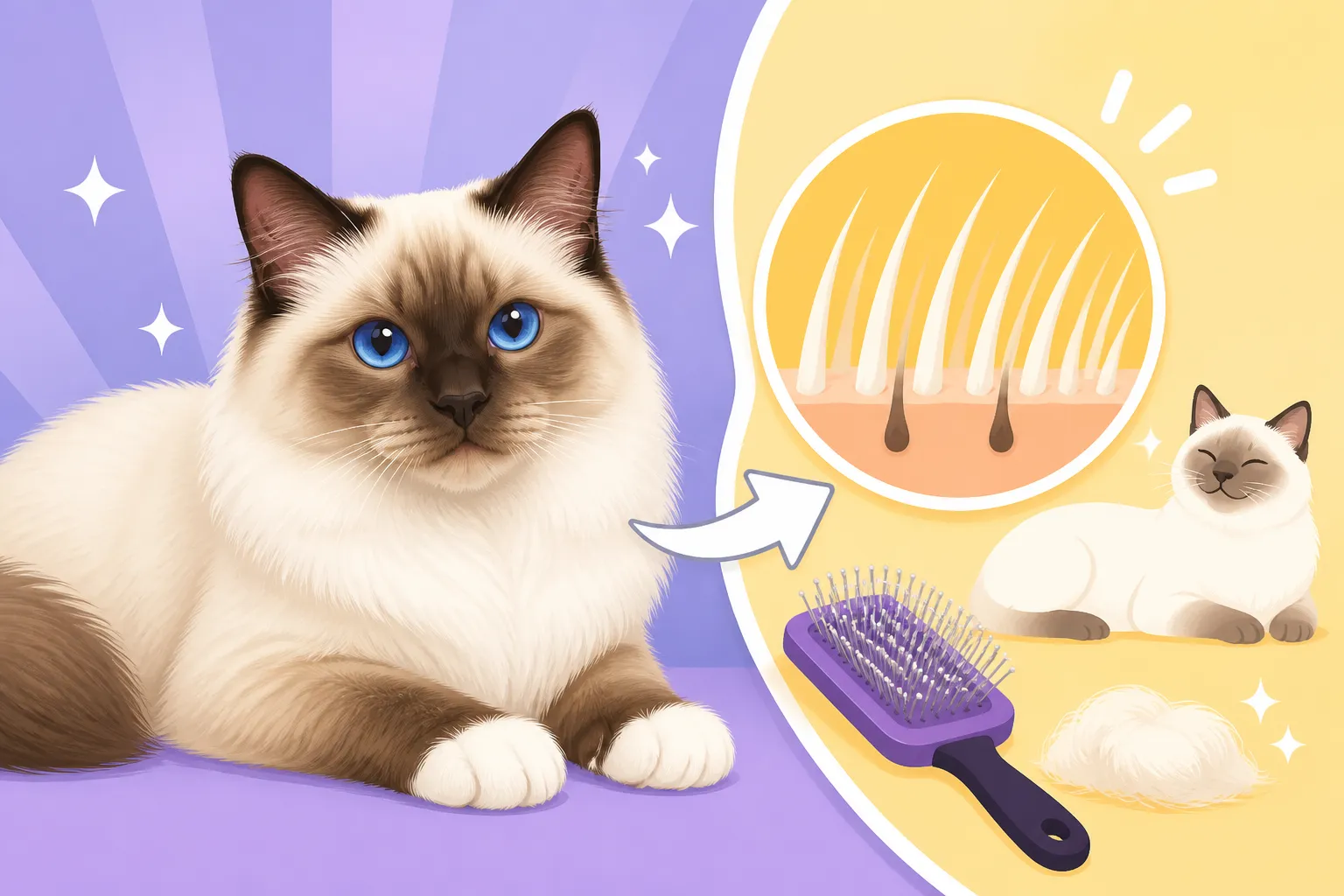
No Undercoat Is What Makes a Birman Easy to Groom
If you've ever admired a long-haired cat, you've probably also imagined the daily battle with tangles and mats that must come with such a magnificent coat. Many cat owners, especially those new to purebreds, often dread the thought of endless grooming sessions. But when it comes to the Birman, you're in for a delightful surprise, because their unique coat, largely free of a dense undercoat, means far less work for you, allowing you more time for cuddles and play. This guide will walk you through why the Birman’s coat is so refreshingly manageable and how to keep it looking its best with ease.
The Birman's Secret Weapon: A Single, Luxurious Coat
The Birman's coat truly is a marvel, especially if you're used to other long-haired breeds. The perception that all long-haired cats require intensive, daily grooming can be a real deterrent for potential owners, leading to unnecessary worry. However, the Birman stands out in this regard, offering all the beauty of a flowing, silky coat with surprisingly minimal effort. This isn't just a convenient trait; it's a defining characteristic that sets them apart and makes them such a joy to live with. It feels luxurious to the touch and looks absolutely stunning, but without the hidden labor that often accompanies such elegance.
What "No Undercoat" Really Means for Grooming
When we talk about a cat having "no undercoat," what we mean is that the Birman lacks the dense, fluffy layer of shorter, woolly hairs typically found beneath the longer guard hairs in many other breeds. Think of a Persian, for example; they have a thick, cotton-like undercoat that insulates them but is also prone to matting and holding onto shed hair. The Birman, on the other hand, primarily has a single layer of guard hairs. These are the long, silky strands that give the Birman its flowing appearance. Because there isn't that woolly layer underneath to trap loose hairs or create a tangled mess, the coat simply flows and doesn't cling to itself in the same way. This fundamental difference is what makes their grooming needs so much lighter than one might assume, preventing a lot of the common struggles longhair owners face. It's truly a blessing for both cat and owner, reducing stress and increasing quality time together.
The absence of a substantial undercoat significantly impacts the type and frequency of grooming required. Without that dense layer, shed hairs tend to fall out more easily rather than getting caught and forming mats. This means you won't spend nearly as much time trying to tease apart stubborn clumps of fur. For many owners, the idea of a long-haired cat often conjures images of matted armpits and knotted britches, but with a Birman, these issues are remarkably rare. This single-coat structure also contributes to a cleaner cat overall; fewer trapped debris and less static means a more naturally pristine appearance. It's not just about reducing effort, but about making the entire grooming experience more pleasant and less of a chore for everyone involved.
Comparing the Birman's Coat to Other Longhairs
Let's put the Birman's coat into perspective by comparing it to some other popular long-haired breeds. Take the Persian, for instance. Persian cats are known for their incredibly thick, plush double coats, which are beautiful but notoriously high-maintenance. Their extensive undercoat requires daily, thorough brushing to prevent severe matting, and many Persian owners even opt for regular professional grooming or lion cuts to manage it. Then there's the Maine Coon, another magnificent longhair, which also has a dense, water-repellent double coat that needs consistent attention, especially in areas like their britches and ruff, to avoid tangles. In contrast, the Birman's single, silky coat is a breath of fresh air. While it still needs regular care, the intensity and frequency are drastically reduced. You're not battling a dense woolly layer, but rather gently maintaining a flowing, fine mane. How a Birman's Coat Differs From a Ragdoll's is another great read if you're curious about breed-specific coat differences.
This comparison isn't just academic; it has real-world implications for how you live with your Birman. Imagine the difference in time spent grooming each week. A Persian might demand an hour or more spread across daily sessions, whereas a Birman can often get by with just a few shorter combings. This frees up significant time for bonding, playtime, or simply enjoying the peaceful presence of your feline companion. Owners who have previously had other long-haired breeds often express surprise and relief at how much easier Birman grooming truly is. It means less stress for the cat, who might not appreciate prolonged grooming sessions, and less stress for the owner, who can avoid the frustration of intractable mats. It truly redefines what it means to own a long-haired cat, proving that beauty doesn't always have to come with a heavy price tag of endless maintenance.
The Myth of the "High-Maintenance" Longhaired Cat
It’s easy to fall into the trap of believing that all long-haired cats are inherently high-maintenance, demanding hours of grooming each week. This myth is perpetuated by images of heavily matted rescue cats or stories from owners of breeds with very dense, woolly undercoats. While it’s true that some long-haired breeds require significant grooming commitment, it’s a generalization that doesn’t apply across the board, and certainly not to the Birman. The Birman's unique coat structure directly challenges this misconception, demonstrating that a long, flowing coat can actually be quite easy to care for. It's all about understanding the specific characteristics of the breed's fur and knowing what to expect.
For those considering a long-haired cat but intimidated by the perceived grooming demands, the Birman offers a perfect solution. You get the stunning aesthetics of a luxurious, flowing coat without the typical difficulties. This means you can enjoy the beauty and elegance of a long-haired companion without the constant worry of mats, tangles, or excessive shedding overwhelming your home. It’s a breed that often surprises people with its manageability, turning potential grooming nightmares into pleasant bonding moments. Dismissing all long-haired cats as "high-maintenance" is a disservice to breeds like the Birman, which are specifically known for their relatively easy-care coats, proving that a gorgeous, flowing mane can indeed be enjoyed without constant intervention.
Understanding the Birman's Coat Structure and Texture
To truly appreciate why your Birman is so easy to groom, it helps to understand a bit more about the specific structure and texture of their coat. It’s not just that there’s "no undercoat"; it's how the existing hair behaves. This insight can guide your grooming choices, helping you select the right tools and techniques to keep your Birman looking pristine without ever feeling like a chore. The unique qualities of their fur are a delight, both visually and tactilely, and contribute significantly to their reputation as a manageable longhair breed.
The Fine, Silky Guard Hairs: A Closer Look
The Birman's coat is primarily made up of very fine, silky guard hairs. These hairs are soft to the touch, almost like human hair, and have a natural sheen that catches the light beautifully. Unlike coarser guard hairs found in some other breeds, Birman hair doesn't have a tendency to tangle or snag on itself easily. Imagine running your fingers through a cloud of silk; that's the feeling of a well-maintained Birman coat. This luxurious texture is a key reason why Why a Birman Mats Far Less Than It Looks Like It Should is a common observation. The individual strands are so smooth that they tend to glide past each other, making it much harder for them to lock together into stubborn mats.
This silky texture also means that dirt and debris are less likely to cling to the coat. Instead of getting embedded deep within a woolly undercoat, particles often sit on the surface of the Birman's fur, making them easier to brush away. This contributes to the Birman's overall cleanliness and the ease with which you can maintain their immaculate appearance. If your Birman ever rolls in something outdoors (perhaps a stray leaf or a bit of dust from under the sofa), a quick brush is often all it takes to restore their pristine look. It's this innate quality of the hair itself that does a lot of the grooming work for you, requiring minimal intervention to keep it free-flowing and elegant.
Where the Birman's Fur Grows Longest and Why
While the Birman generally boasts a lovely semi-long coat, there are specific areas where the fur grows noticeably longer, forming signature features of the breed. The most prominent of these is the magnificent ruff around their neck, often described as a "mane." This ruff can be quite impressive, framing their face and adding to their regal appearance. You'll also notice longer fur on their britches (the fluffy fur on their hind legs) and a beautiful, plumed tail. How Long a Birman's Coat Actually Is helps put this into perspective. These longer sections require a little extra attention during grooming, not because they mat easily, but because they are areas of high traffic or volume.
The reason for these longer sections is purely genetic, contributing to the breed's distinct aesthetic. While these areas are still composed of the same silky, single-layer hair, their length means they are more likely to gather loose hairs or minor debris. For example, the britches might collect a bit of litter dust, and the tail plume can brush against surfaces. Therefore, when you're combing your Birman, these are the spots to give a few extra passes with your comb. It's not about untangling significant mats, but simply ensuring these flowing sections remain free of any minor knots or shed hairs that might accumulate. It's a small concession for such stunning features.
How the Coat Minimizes Shedding and Hairballs
Another fantastic benefit of the Birman's single coat is its impact on shedding and, by extension, hairballs. While no cat is truly non-shedding, the Birman's shedding is often surprisingly light compared to double-coated breeds. Because there's no dense undercoat to "blow" seasonally, you won't experience the massive influx of fur that can come with some other long-haired cats. Instead, shedding tends to be a more consistent, low-level affair throughout the year. The fine, silky hairs that do shed are also less likely to cling to furniture and clothing, often being easier to remove with a lint roller or a quick vacuum. How Much a Coat With No Undercoat Actually Sheds might be helpful to read.
The reduced shedding directly correlates to fewer hairballs. Hairballs form when a cat grooms itself and swallows loose fur, which then accumulates in the digestive tract. With less fur being ingested during self-grooming, the chances of your Birman producing hairballs are significantly lowered. This is a huge relief for owners, as hairballs can be unpleasant for both the cat (causing discomfort or vomiting) and the owner (who has to clean them up). Regular combing, even if just three times a week, further reduces the amount of loose fur available for ingestion, making hairballs an even rarer occurrence. It’s a win-win: less fur around the house and a more comfortable, healthier cat.
Establishing a Gentle Grooming Routine for Your Birman
Even with their easy-care coat, Birmans still benefit immensely from a consistent grooming routine. It’s not just about preventing the rare mat; it's also a wonderful way to bond with your cat, check their skin and overall health, and keep their coat in peak condition. The key word here is "gentle" – Birmans appreciate a calm, reassuring approach, and thankfully, their coat doesn't require anything more aggressive. This routine is less about battling tangles and more about maintaining their natural splendor.
Why Three Combings a Week Is Enough for a Birman
For many Birman owners, combing their cat three times a week strikes the perfect balance between coat maintenance and not over-grooming. This frequency is typically sufficient to remove any loose hairs before they have a chance to form even the smallest tangle. With their silky, single coat, excessive daily combing isn't usually necessary and can even be counterproductive if it irritates their skin or breaks healthy hairs. Combing a Birman Three Times a Week is a practice that genuinely works for this breed. These sessions don't need to be long, arduous affairs; a quick 5-10 minute comb-through is often all that's required to keep their coat flowing freely.
Think of it as a pleasant ritual rather than a chore. By making it a regular, calm part of your week, your Birman will likely come to enjoy these sessions. They'll associate the comb with gentle strokes and your attentive presence. If you stick to this schedule, you'll find that their coat rarely presents any major challenges. The goal isn't to strip every single hair out, but to gently loosen and remove any shed fur that might be clinging to the longer guard hairs. This light, consistent approach is what keeps the Birman's coat so beautiful and manageable without demanding too much from your busy schedule.
The Best Brushing Techniques to Preserve Coat Health
When grooming your Birman, the technique you use is just as important as the tool. Always start with a gentle approach, especially if your cat is new to grooming. Begin by stroking their back and sides with the comb, working your way down their body. Use long, smooth strokes in the direction of hair growth. For areas with longer fur, like the ruff, britches, and tail, you might want to part the hair gently with your fingers and comb in sections, ensuring you reach the base of the hair without pulling. A good-quality metal comb with both wide and fine teeth is often ideal. Which Comb Gets Through a Birman's Ruff Without Pulling is essential for avoiding discomfort. Avoid using slicker brushes with stiff bristles, as these can actually damage the fine, silky guard hairs and cause static, making the coat appear dull or even break the delicate strands.
When you encounter a very minor tangle (which will be rare!), resist the urge to pull or yank. Instead, gently work through it with the wide-toothed side of your comb, using short, feather-light strokes, holding the fur at the base with your fingers to prevent pulling on the skin. You can also lightly spray the area with a cat-safe detangling spray if needed. The aim is always to be soft and deliberate, turning grooming into a relaxing experience for your Birman. If you approach it with patience and care, your cat will be much more cooperative, and their coat will thank you by remaining glossy and free of damage. Remember, consistency and gentleness are your best allies in maintaining that exquisite Birman coat.
Handling Those Rare, Stubborn Mats
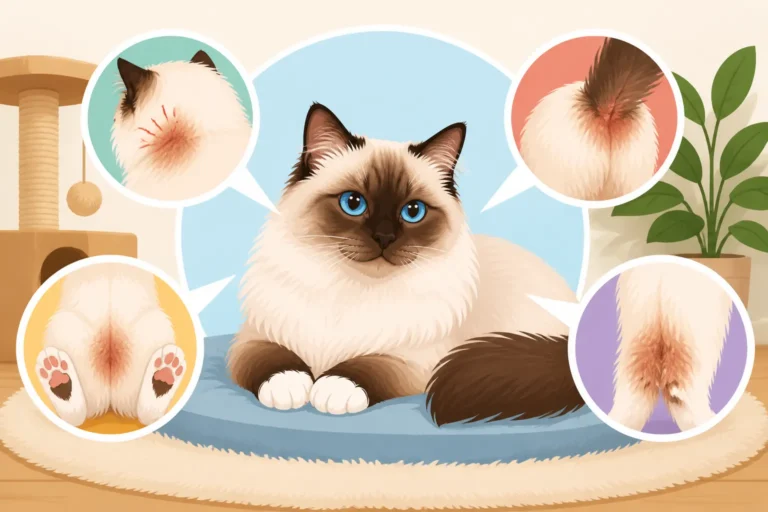
Despite the Birman's easy-care coat, a mat can occasionally form, especially in areas of high friction or if grooming has been neglected for a longer period than usual. These are most commonly found behind the ears, in the armpits, or on the britches where the fur is longest and might rub. The key is to address them promptly while they are still small. Ignoring a small mat only allows it to grow larger and tighter, making it more painful and difficult to remove later. Where a Birman's Few Mats Form is a good resource to pinpoint these areas.
For a small, loose mat, start by gently separating the hairs with your fingers. Once you've loosened it a bit, use a wide-toothed comb, working from the outside edges of the mat inwards, a few hairs at a time. Always hold the fur at the base closest to the skin while combing to prevent pulling and hurting your cat. If the mat is a bit more stubborn, a small amount of cornstarch or cat-safe detangling spray can help. Sprinkle the cornstarch directly onto the mat, work it in with your fingers, and then gently comb. If a mat is very tight or close to the skin, it’s always best to err on the side of caution. Never try to cut out a mat with scissors unless you are absolutely confident and can see the skin clearly, as it's incredibly easy to accidentally cut the skin, which can lead to serious injury and a costly vet visit. If you're unsure or uncomfortable, a professional groomer or your veterinarian can safely shave out the mat, ensuring your Birman remains comfortable and unharmed. It’s far better to seek professional help than to cause unnecessary pain or injury.
The Signature White Gloves: Keeping Them Spotless
One of the most defining and enchanting features of the Birman cat is their pristine white "gloves" on their paws and "laces" on their hind legs. These markings are crucial to the breed standard and contribute immensely to their elegant appearance. However, white fur, especially on the paws, comes with its own set of unique challenges when it comes to keeping it clean. Owners often fret over maintaining this delicate feature, but with the right approach, it's entirely manageable. Keeping a Birman's White Gloves White is a top priority for any Birman parent.
Daily Checks and Quick Cleans for Pristine Paws
The best defense against discolored or dirty white gloves is a proactive daily approach. Take a few moments each day to quickly inspect your Birman’s paws. Look for any litter dust, dirt, or stains that might have accumulated. This is especially important after they’ve used the litter box or explored any dusty corners of your home. If you spot a fresh mark, a swift intervention can prevent it from setting in and becoming a stubborn stain. A soft, damp cloth (preferably lint-free) or an unscented pet wipe can be your best friend here. Gently wipe down the white fur on their paws and between their toes, removing any debris.
This routine serves multiple purposes beyond just aesthetics. It also allows you to check for any injuries, like small cuts or scrapes, and ensures no foreign objects are lodged between their paw pads. Birmans are generally quite tolerant of having their paws handled, especially if you start this practice when they are kittens and make it a positive experience. A little treat afterwards can go a long way in reinforcing good behavior. By incorporating these quick checks and cleans into your daily interactions, you can significantly reduce the need for more intensive cleaning sessions and keep those beautiful gloves sparkling.
Why Litter Choice Matters for White Gloves
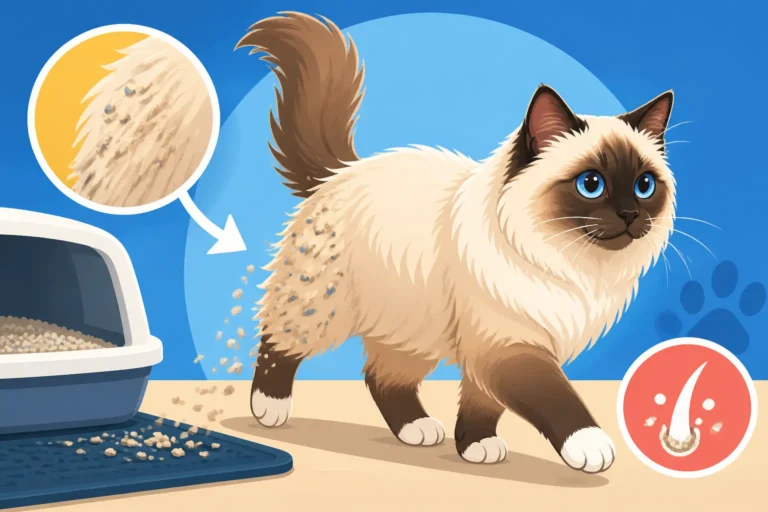
This might sound like a niche concern, but for Birman owners, litter choice is paramount. Many standard clay litters, particularly those that are dusty or contain dark dyes, can easily stain a Birman's delicate white gloves. Imagine your cat stepping out of a dark, dusty litter box; those fine particles cling to the fur and, over time, can cause a yellowish or grayish discoloration that is difficult to remove. Why a Birman Needs a Litter That Does Not Stain is a question many new owners ask early on.
To combat this, opt for litters that are low-dust, unscented, and ideally, made from lighter-colored materials. Silica gel litters, pine litters, or certain types of corn-based litters can be excellent choices as they tend to be less dusty and lighter in color, reducing the risk of staining. Some owners even use paper pellets, which are virtually dust-free, though they might require more frequent changing. Experiment with different brands to find one that works best for both your Birman and your aesthetic standards. Investing in a high-quality, low-dust litter might cost a little more upfront, but it can save you a lot of time and frustration trying to scrub out paw stains down the line, ensuring those gorgeous white gloves stay as pristine as they were meant to be. This is one area where a slightly higher cost pays dividends in cleanliness and coat health. Chewy and Amazon offer a wide array of low-dust, light-colored litter options designed to minimize staining.
When a Foot Bath Becomes Necessary
Despite your best efforts with daily checks and careful litter selection, there might be times when your Birman's white gloves acquire a stubborn stain or become significantly soiled, necessitating a more thorough cleaning than a simple wipe-down. This could happen if they step in something unexpected, or if a persistent stain starts to set in. The thought of bathing a cat can be daunting for many, but with a Birman's placid temperament, a paw bath can often be a calm, manageable experience.
To give your Birman a foot bath, gather your supplies first: a small basin of lukewarm water (just enough to cover their paws), a gentle, cat-specific shampoo (preferably a whitening one, if safe), and several clean towels. Gently place your Birman's paws into the basin, one by one or two at a time, depending on their comfort level. Wet the fur thoroughly, apply a tiny amount of shampoo, and gently lather, focusing on the stained areas. Rinse thoroughly, ensuring no shampoo residue is left behind, as this can irritate the skin or attract more dirt. Pat their paws dry with a soft towel, and consider using a low-heat hairdryer on a very gentle setting if your Birman tolerates it, especially if the air is cool. Remember, the goal is to clean their paws, not give them a full-body bath, so keep it contained and calm. A happy Birman with clean gloves is a testament to your careful attention.
Beyond the Fur: Comprehensive Birman Care
While the Birman's coat often takes center stage in grooming discussions, their overall health and well-being depend on addressing other essential grooming needs. Neglecting these areas can lead to discomfort, health issues, and even expensive veterinary bills down the line. Thankfully, just like with their coat, Birmans are generally cooperative when it comes to these tasks, especially if introduced early and consistently. It's about a holistic approach to care, ensuring every aspect of their physical well-being is tended to with love and attention.
Dental Care: Protecting Your Birman's Pearly Whites
Dental health is often overlooked but is critically important for cats, and Birmans are no exception. Just like humans, cats can develop plaque and tartar buildup, leading to gum disease, pain, and even systemic health issues if left untreated. Unfortunately, many cats quietly suffer from dental problems, as their instinct is to hide discomfort. Regular dental care at home can make a significant difference in preventing these issues. Getting a Toothbrush Into a Birman's Narrow Jaw is a skill worth learning for any Birman owner.
The gold standard for at-home dental care is regular toothbrushing. Aim for several times a week, or even daily if your Birman tolerates it. Use a cat-specific toothbrush (often smaller with softer bristles) and cat-friendly toothpaste (never human toothpaste, as it contains ingredients toxic to cats). Start slowly, introducing the toothbrush as a positive experience with treats and praise. Focus on the outside surfaces of their teeth, where plaque tends to accumulate most. While brushing is ideal, if your Birman absolutely won't cooperate, consider dental rinses, water additives, or specialized dental treats, which can offer some benefit, though usually not as comprehensively as brushing. Regular veterinary dental check-ups are also crucial, often including professional cleanings under anesthesia when necessary, to remove stubborn tartar and address any existing issues.
Ear and Eye Hygiene: Simple Steps for Health
Keeping your Birman's ears and eyes clean is a relatively simple task that can prevent common irritations and infections. Their slightly longer fur around these areas can sometimes trap dirt or moisture, so regular, gentle checks are a good habit. For the eyes, simply look for any discharge, redness, or excessive tearing. If you notice a small amount of dark crusting in the corner of their eyes, this is usually normal and can be gently wiped away with a soft, damp cloth or a dedicated pet eye wipe. Always wipe away from the eye, towards the nose, and use a fresh part of the cloth for each eye to prevent potential cross-contamination. Persistent discharge, redness, or signs of pain warrant a vet visit.
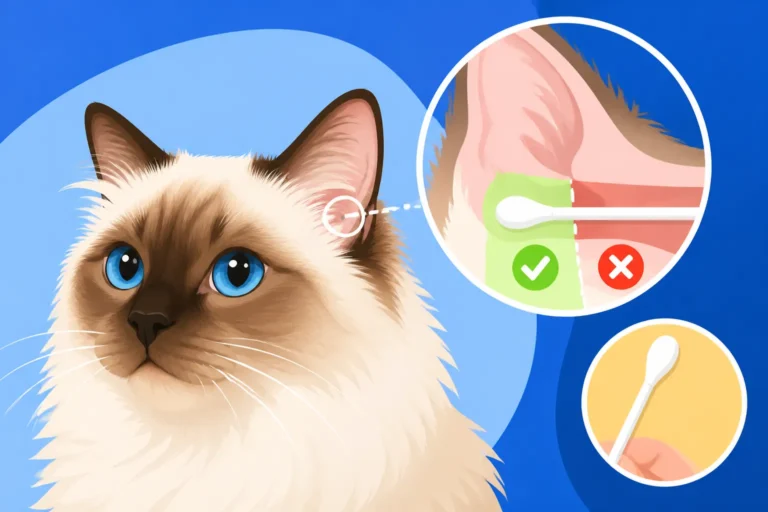
For their ears, a quick visual inspection should be part of your routine. Healthy Birman ears should be clean, pale pink, and free of strong odor or excessive wax buildup. If you notice any redness, swelling, unusual discharge (black, brown, or yellow), or a foul smell, it's time to consult your vet, as these could be signs of an ear infection or mites. If cleaning is needed, use a veterinarian-approved ear cleaner. Apply a few drops into the ear canal, gently massage the base of the ear, and then use a soft cotton ball or gauze to wipe away any loosened debris from the outer ear flap. Never insert anything into the ear canal, as this can cause damage. Birmans typically have less ear wax than some breeds, but these simple steps help ensure their comfort and prevent issues.
Nail Trimming: Keeping Paws Healthy and Comfortable
Regular nail trimming is an essential part of grooming for any indoor cat, and your Birman is no exception. Untrimmed claws can become too long, making it difficult for your cat to walk comfortably, getting snagged on carpets or furniture, and even growing into their paw pads, causing pain and infection. Aim to trim your Birman's nails every 2-4 weeks, depending on how quickly they grow.
Start with a good quality pair of cat-specific nail clippers. Make sure you have good lighting so you can clearly see the "quick" – the pink part inside the nail that contains blood vessels and nerves. Avoid cutting into the quick, as this is painful and will cause bleeding. If your Birman has dark nails, it can be harder to see the quick; only clip the very tip of the nail, or shine a flashlight from behind the nail to locate the quick. If your cat is nervous, introduce clippers slowly, perhaps just clipping one nail at a time, or offering a treat after each claw. Make it a positive, calm experience. If you accidentally cut the quick, apply a styptic powder (available at pet stores or from your vet) to stop the bleeding. If you're really uncomfortable or unsure, your veterinarian or a professional groomer can perform nail trims for you and even teach you the proper technique. Regular trimming keeps your Birman's paws healthy, prevents damage to your home, and ensures they can walk and play without discomfort.
Diet and Environment: Supporting a Healthy Birman Coat
Beyond direct grooming, two fundamental factors profoundly influence the health and appearance of your Birman’s coat: their diet and their living environment. A glossy, soft, and shed-resistant coat isn't just about what you brush onto it; it's very much about what goes into their body and the conditions they live in. Addressing these foundational elements ensures your Birman's coat isn't just easy to manage, but vibrantly healthy from the inside out.
The Role of Nutrition in Maintaining a Glossy Coat
You know the saying, “you are what you eat”? Well, the same applies to your Birman's coat. A diet rich in high-quality protein, essential fatty acids, and key vitamins and minerals is absolutely vital for maintaining that characteristic silky, lustrous Birman fur. Protein provides the building blocks for healthy hair growth, ensuring the strands are strong and resilient. Look for cat foods where a named meat source (like chicken, salmon, or turkey) is the first ingredient.
Equally important are omega-3 and omega-6 fatty acids, often found in fish oils (like salmon oil) and certain plant-based oils. These "good fats" are crucial for skin health, which directly translates to coat quality. They help keep the skin supple and moisturized, which in turn promotes a healthy, shiny coat that is less prone to dryness, flakiness, and excessive shedding. Many premium cat foods, available through retailers like Chewy, are specifically formulated with optimal levels of these nutrients. If your Birman's coat seems dull or dry despite regular grooming, a dietary review with your vet and potentially adding a vet-approved supplement could make a world of difference. Why a Birman's Coat Needs Fat in the Diet is a crucial aspect to understand.
Hydration and Its Impact on Skin and Fur
Just like diet, adequate hydration is a silent hero for your Birman's skin and coat. A dehydrated cat will often have dry, flaky skin, which can lead to a dull, brittle coat and even increased shedding. Cats, by nature, don't always drink enough water, especially if they are primarily fed dry kibble, as their wild ancestors got most of their moisture from their prey. This ancestral trait means that many domestic cats have a low thirst drive.
To encourage better hydration, consider incorporating wet food into your Birman's diet. Wet food has a much higher moisture content than dry kibble, directly contributing to their daily water intake. Offering multiple water bowls in different locations, or investing in a pet drinking fountain, can also entice your Birman to drink more. Running water can be particularly appealing to cats, as it mimics fresh, moving water sources. Ensure the bowls are clean and filled with fresh water daily. This simple attention to hydration can dramatically improve skin elasticity and hair shaft quality, leading to a noticeably healthier and more vibrant coat. Given the breed's predispositions, Why a Birman's PKD History Makes Water Intake Matter is an especially important read for owners.
Environmental Factors Affecting Coat Condition and Color
Your Birman’s environment also plays a subtle yet significant role in their coat's appearance and health. One of the most fascinating aspects of Birman coats is their temperature-sensitive coloring. Birmans are a "pointed" breed, meaning their cooler extremities (face, ears, paws, tail) are darker, while their warmer body core remains lighter. This is due to a specific enzyme that produces pigment only at lower temperatures. This means that a Birman living in a consistently cooler environment might develop darker points than one living in a warmer home. Why a Birman's Points Darken as It Ages is also tied to this phenomenon, as an older cat's metabolism and body temperature can shift.
Beyond color, factors like humidity, indoor air quality, and exposure to sunlight can affect coat condition. Very dry indoor air, especially during winter months with heating, can lead to dry skin and a static-prone coat. Using a humidifier can help. Regular vacuuming and dusting also reduce airborne irritants that might settle on your cat's fur and skin. Keeping your Birman indoors, away from extreme weather and environmental pollutants, also protects their coat from damage and discoloration. A clean, comfortable, and stable indoor environment is the best backdrop for a truly healthy and gleaming Birman coat.
Grooming Through the Ages: Birman Care from Kitten to Senior
The Birman's grooming needs, while generally low-maintenance, do evolve throughout their lifespan. What works for a playful kitten might need slight adjustments for a fully grown adult, and certainly for a dignified senior. Understanding these shifts allows you to adapt your care, ensuring your Birman always looks and feels their best, regardless of their age. It’s about a continuous journey of attentive and responsive care.
Introducing Grooming to a Birman Kitten
The kitten stage is the absolute best time to introduce grooming to your Birman. Kittens are naturally curious and adaptable, making them more receptive to new experiences. Start with very short, gentle sessions, just a minute or two at a time. Use a soft brush or a wide-toothed comb made for kittens. Don't aim for a perfect groom initially; the goal is to create a positive association with the tools and the process. Gently stroke their fur, handle their paws (for future nail trims), and peek into their ears. Feeding a Birman Kitten While Its Points Come In is important, as diet plays a role even at this early stage.
Make grooming a part of your daily bonding time, perhaps when they are relaxed after a meal or a play session. Offer plenty of praise, cuddles, and small, tasty treats. If your kitten shows signs of discomfort or restlessness, stop the session and try again later. Never force them, as a negative experience early on can lead to lifelong resistance. The more consistently and positively you introduce grooming during these formative months, the more accepting and even enjoyable the routine will become for your Birman throughout their life. This early investment pays huge dividends in terms of future ease of care.
Maintaining Grooming Habits in Adulthood
Once your Birman reaches adulthood, typically around 1-2 years old, your established grooming routine will likely be well-ingrained. By this point, your Birman should be comfortable with regular combings, nail trims, and occasional ear or eye cleanings. The frequency of three combings a week remains a good standard for most adult Birmans, preventing mats and keeping their coat lustrous. Continue to use the appropriate tools, such as a metal comb, to gently work through their silky fur.
Adulthood is also a good time to become more attuned to subtle changes in their coat or skin. A sudden increase in shedding, dry patches, or dullness could be an indicator of dietary deficiencies, underlying health issues, or stress. Because Birmans are so placid, they can often hide discomfort, so regular grooming sessions provide an excellent opportunity for you to perform a hands-on health check. As you comb, feel for any lumps, bumps, or tender spots on their body. Noticing these changes early can lead to quicker veterinary intervention if needed, keeping your adult Birman healthy and happy. This consistency isn't just about beauty; it's a vital part of their preventative health care.
Adapting Grooming for an Ageing Birman
As your Birman enters their senior years, typically around 10-12 years old, their grooming needs might require some thoughtful adjustments. Older cats often become less flexible, making it difficult for them to reach and groom certain parts of their body, particularly their back, hindquarters, and tail. You might notice their coat becoming a bit duller, drier, or more prone to minor matting in these inaccessible areas. Caring for an Old Birman That Cannot Reach Its Back highlights this very common issue.
This is where your increased assistance becomes crucial. You might need to increase the frequency of your combing sessions, focusing specifically on those hard-to-reach spots. Be extra gentle, as older Birmans may have arthritis or other joint pain that makes certain positions uncomfortable. Support their body as you groom, and keep sessions short if they seem to tire easily. Their skin can also become thinner and more delicate with age, so always use soft, rounded-tooth combs and avoid any harsh pulling. If you notice persistent matting that you can’t gently resolve, don't hesitate to seek help from a professional groomer or your vet. They can safely trim or shave problem areas, ensuring your senior Birman remains comfortable and clean, even if they can no longer do all the grooming themselves. Your loving care ensures their golden years are as comfortable and dignified as possible.
Essential Grooming Tools for Your Birman
Having the right tools makes all the difference when it comes to grooming your Birman. You don't need a vast arsenal, but a few key items will ensure you can maintain their beautiful coat with ease and effectiveness. Investing in quality tools designed for long-haired cats, especially those with fine, silky coats, will save you time and prevent discomfort for your feline friend. Many of these tools are readily available from retailers like Amazon and Chewy.
The Right Comb: Your Birman's Best Friend
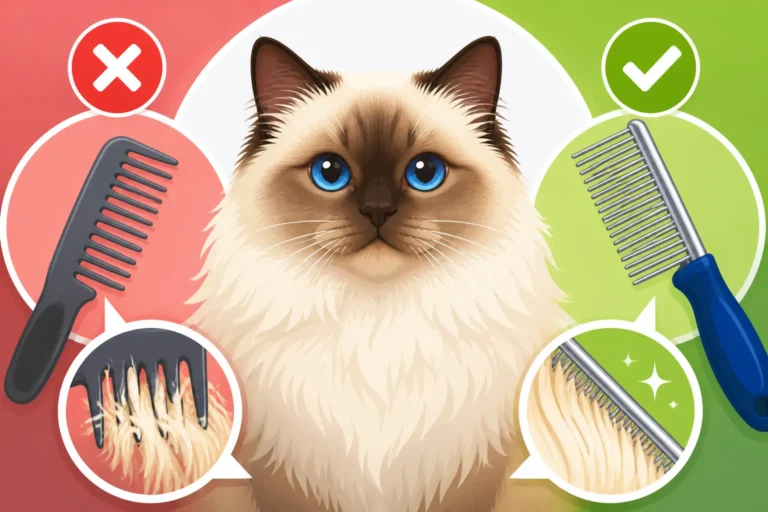
For a Birman, a good quality metal comb is undoubtedly the most essential grooming tool you'll own. Forget the harsh slicker brushes that can damage their delicate single coat; a comb is designed to glide through their silky fur without pulling or causing static. Look for a comb that has both wide and fine-toothed sections. The wider teeth are excellent for initial passes, gently working through the bulk of the fur and catching loose hairs without snagging. The finer teeth can then be used for more detailed work, particularly on areas like the ruff or tail, ensuring a thorough groom.
When choosing a comb, pay attention to the material and the tips of the teeth. Stainless steel is durable and easy to clean. Ensure the tips of the comb's teeth are rounded or blunted, not sharp, to prevent scratching your Birman's skin during grooming. This simple tool, when used regularly and correctly, will be the cornerstone of your Birman's grooming routine, keeping their coat tangle-free and beautifully flowing. You'll be amazed at how effectively it removes loose hair without disrupting the integrity of their exquisite fur.
Gentle Brushes and Deshedding Tools: Use with Caution
While combs are paramount, there are a few other tools you might consider, but always with caution and a clear understanding of your Birman's coat. A very soft bristle brush, like one made from natural bristles, can be used for a final polish after combing. This can help distribute natural oils, enhancing shine, and can feel quite pleasant for your cat. However, it's not a primary tool for detangling.
Deshedding tools, like those with fine, rake-like teeth, should be used very sparingly, if at all, on a Birman. These tools are designed to pull out undercoat, which your Birman essentially lacks. Overuse can damage their delicate guard hairs, break the fur, and irritate their skin. If you do opt to use one, choose a very gentle version and use it with the lightest touch, only on areas where you might see a slight bit of denser fur, such as a very full ruff, and only for a few strokes. Always monitor your Birman’s reaction and stop immediately if they show any signs of discomfort. When it comes to a Birman's coat, less is often more with these types of tools. Prioritize gentle combing to protect their unique silky texture.
Grooming Wipes and Shampoos for Spot Cleaning
Even with regular combing, life happens, and your Birman might occasionally need a quick clean-up beyond the brush. This is where pet-specific grooming wipes and gentle shampoos come in handy. Grooming wipes are fantastic for spot cleaning, especially for their white paws or any areas that might have picked up a small smudge. Look for unscented, alcohol-free wipes that are specifically designed for cats, available from brands on Amazon or Chewy. They are quick, convenient, and perfect for those daily paw checks.
For more significant soiling that requires a full paw bath or even a rare, targeted full body wash, a gentle, cat-specific shampoo is essential. Never use human shampoos, as they can be too harsh and disrupt your cat's skin pH, leading to dryness or irritation. If your Birman's white gloves are prone to yellowing, a "whitening" shampoo formulated for cats might be an option, but use it with care and always follow the instructions closely. Ensure any shampoo you use is thoroughly rinsed out to prevent residue, which can attract dirt and irritate skin. Having these items on hand means you’re prepared for any grooming emergency, big or small, keeping your Birman looking pristine without stress.
| Grooming Tool Category | Recommended for Birman? | Best Use Case | Caveats / Tips |
|---|---|---|---|
| Metal Comb | Absolutely Essential | Daily/weekly combing, detangling minor knots | Choose wide & fine teeth, rounded tips. Go gently, especially on ruff. |
| Soft Bristle Brush | Optional, Gentle | Finishing polish, distributing oils, pleasant massage | Use after combing, not for detangling. Avoid stiff bristles. |
| Slicker Brush | Generally NO | Damages delicate Birman guard hairs, causes static | Very rarely, if ever. Can be too harsh for their single coat. |
| Deshedding Tool | Use with Extreme Caution | Minimal use on very full areas (e.g., dense ruff) | Designed for undercoats; overuse damages Birman's hair. Lightest touch only. |
| Cat Nail Clippers | Essential | Every 2-4 weeks for nail maintenance | Avoid the quick! Use sharp clippers. Start early with kittens. |
| Grooming Wipes | Highly Recommended | Daily paw checks, spot cleaning, quick refreshes | Unscented, alcohol-free, cat-specific. Great for white gloves. |
| Cat Shampoo | For Bathing, if needed | Full paw baths or rare full body cleans | Cat-specific only. Rinse thoroughly. Whitening shampoos if appropriate for white paws. |
| Ear Cleaner | As Needed | Removing dirt/wax from outer ear flaps | Vet-approved only. Never insert anything into the ear canal. |
Disclaimer
This article is for general informational purposes only and does not constitute professional advice. Laws, prices and regulations vary by location and change over time. Consult a qualified professional for guidance on your specific situation.