Why a Slicker Tears a Birman’s Silky Guard Hairs
Many Birman cat owners, understandably, reach for a slicker brush, thinking it's the go-to tool for any long-haired cat. However, this common mistake can actually damage your Birman's uniquely silky coat. This guide will walk you through why slicker brushes are detrimental to your beloved Birman's magnificent fur and, more importantly, what the right tools and techniques are to keep them looking their best.
Understanding the Birman's Unique Coat Structure
Before we dive into why certain tools are a no-go, let's really appreciate what makes a Birman's coat so special. It’s not just long; it has a very distinct texture and composition that sets it apart from many other long-haired breeds. Understanding this is the first step to proper grooming.
The Single Coat Advantage: No Undercoat Means Less Matting
Unlike many other fluffy breeds, such as Persians or Maine Coons, the Birman boasts a single coat. This means it lacks the dense, woolly undercoat that often causes serious matting issues. This is truly a blessing for Birman owners, as it significantly reduces the amount of time and effort required to keep tangles at bay. You'll find that a Birman's fur just flows, rather than clinging and knotting. This single-layer structure is also why Birmans are often described as "easy to groom" compared to their heavily undercoated cousins. No Undercoat Is What Makes a Birman Easy to Groom describes this phenomenon beautifully.
Because there's no fuzzy, cottony layer underneath, a Birman's coat doesn't trap shed hairs in the same way. The individual strands are less prone to interlocking and forming tight, felted mats. This doesn't mean mats are impossible – especially in areas of high friction like behind the ears or in the 'armpits' – but they are far less frequent and often easier to tease out when they do occur. This unique characteristic is a huge part of the Birman's charm, offering all the beauty of a long-haired cat without the intense daily struggle of dematting.
Think about it: when you stroke a Birman, your hand glides through their fur with remarkable ease. That's the single coat at work. This genetic trait is a key differentiator and informs every aspect of their grooming needs. It’s why you'll find Why a Birman Mats Far Less Than It Looks Like It Should to be such a relief to read, confirming that you're not imagining things when your Birman seems less prone to tangles than other longhairs you might know.
The Silky Guard Hairs: A Defining Feature
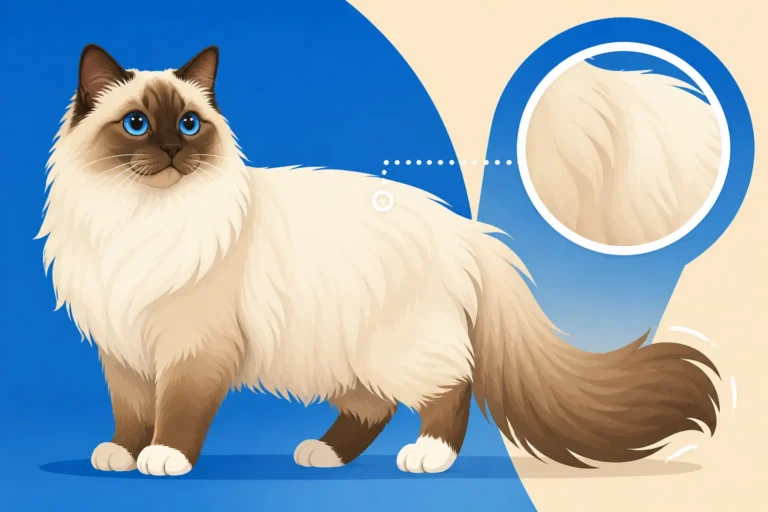
The Birman's coat is renowned for its incredibly soft, silky texture. These are its guard hairs, which are the visible, outer layer of fur. They are fine, lustrous, and feel almost like spun silk to the touch. This delicate texture is what gives the Birman its regal, flowing appearance. These guard hairs are meant to lie smoothly, creating that luxurious drape that is so characteristic of the breed.
This silkiness is also surprisingly dirt-repellent, meaning that minor dust and debris often fall off rather than embedding themselves deeply within the fur. However, their delicate nature also means they are susceptible to damage if mistreated. Rough brushing or the wrong tools can snap these fine hairs, leading to frizz, breakage, and a duller appearance. Maintaining the integrity of these silky guard hairs is paramount for preserving the Birman's signature look and feel.
Many owners fall in love with the Birman not just for their striking point coloration and sapphire eyes, but for this tactile experience of their coat. It’s a coat that invites petting and snuggling. To keep it that way, you need to treat those guard hairs with the utmost respect. They're not coarse or wiry; they're fine strands that can be easily compromised by aggressive grooming.
How Long a Birman's Coat Actually Is
While often described as a long-haired cat, the Birman's coat isn't uniformly long across its entire body. The length varies, contributing to its graceful silhouette. The fur is typically medium-long over the body, but it becomes noticeably longer around the neck, forming a magnificent ruff, and on the tail, where it creates a beautiful plume. The britches, or fur on the hind legs, also tend to be longer and thicker. How Long a Birman's Coat Actually Is gives a detailed breakdown of these lengths.
The fur on the main body usually lies close to the cat, preventing it from appearing bulky or overly fluffy. This variation in length means that different areas of the Birman's body require slightly different approaches when it comes to grooming. The delicate fur on the belly, for example, might need a lighter touch than the more substantial ruff. It’s about understanding the topography of their fur and adapting your technique accordingly.
These longer sections, particularly the ruff and tail, are also the areas where minor tangles are most likely to occur simply due to their length and exposure. The ruff, especially, can gather food or water if not kept clean and regularly combed. Owners often find themselves paying extra attention to these luxurious areas, as they are key to the Birman's majestic appearance.
The Problem with Slicker Brushes for Birmans
Now that we understand the Birman's unique coat, it becomes clearer why a slicker brush, a staple for many other long-haired breeds, is actually counterproductive and potentially harmful for these silky beauties.
Tearing and Snagging: Damage to the Delicate Guard Hairs
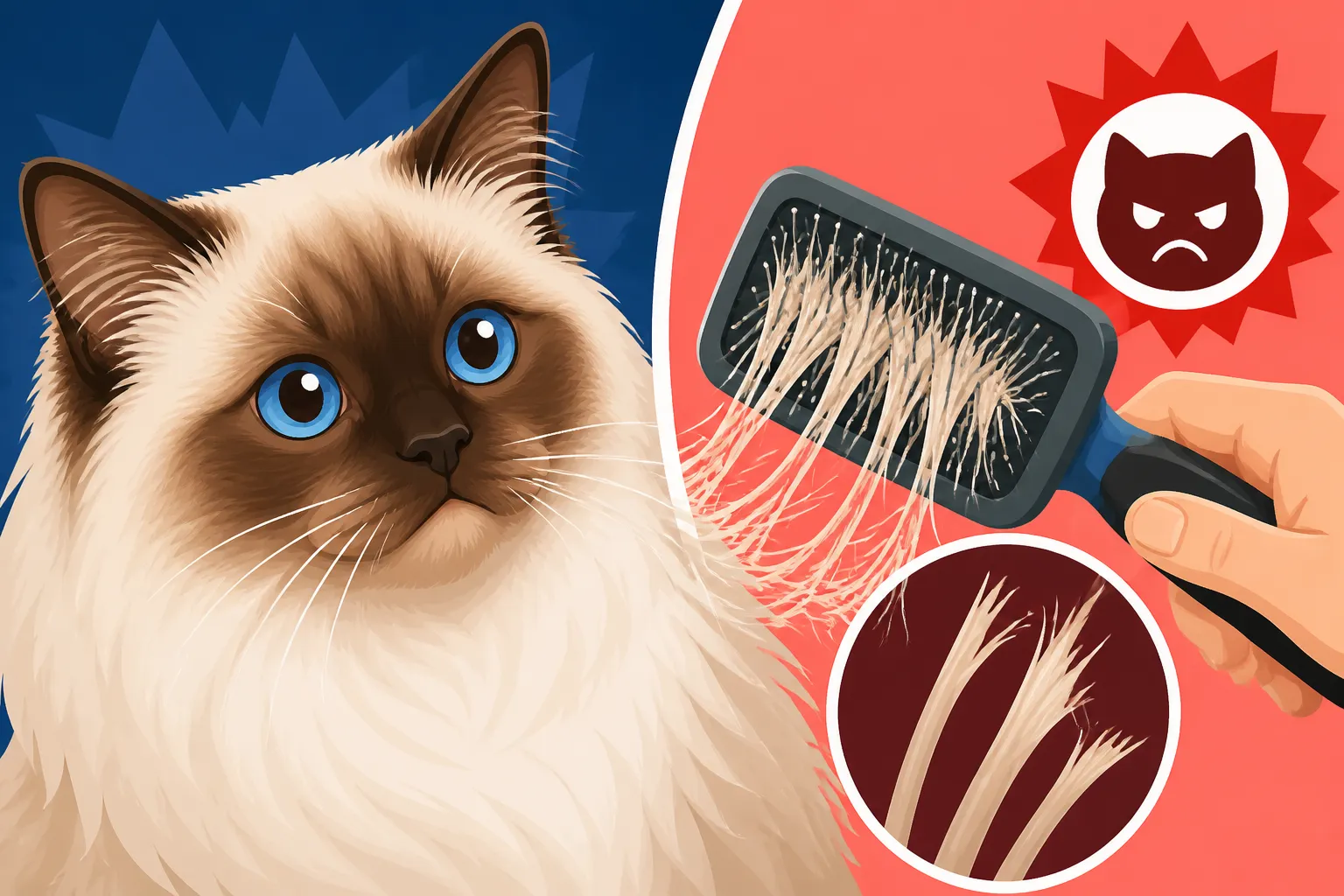
Slicker brushes are designed with many fine, tightly packed wire bristles, often angled. While excellent for pulling out loose undercoat from breeds like Persians or working through dense double coats, these bristles are far too harsh for a Birman's single, silky coat. When used on a Birman, a slicker brush doesn't just remove loose hair; it actively catches and tears at the delicate guard hairs.
Imagine trying to brush fine silk threads with a stiff wire brush. The result wouldn't be smooth and shiny; it would be snagged, broken, and frayed. The same principle applies to your Birman's fur. The sharp tips and rigidity of slicker brush bristles can cut, break, and pull out healthy hairs, leading to split ends, a frizzy texture, and a loss of that characteristic luster. This isn't just cosmetic damage; it weakens the coat over time, making it more prone to tangles and looking less vibrant.
Owners often report that after using a slicker brush, their Birman's fur feels rougher or looks duller, and they might even see more hair than usual coming off on the brush, not because it's shedding, but because the brush is literally breaking the hairs. This is particularly noticeable on the longer fur of the ruff and tail, where the damage can be quite pronounced. Instead of contributing to a healthy, flowing coat, the slicker brush causes unnecessary wear and tear.
Static Electricity and Breakage: A Frizz Disaster
Another significant issue with slicker brushes is their propensity to generate static electricity. The friction of the wire bristles against fine fur creates an electrical charge, causing the hairs to stand on end and become frizzy. For a breed like the Birman, whose coat is meant to lie flat and smooth, this is the exact opposite of the desired effect.
This static not only makes the coat look untidy and unkempt, but it also makes the hairs more brittle and susceptible to breakage. Static-charged hairs are weaker and more easily snapped, exacerbating the tearing and snagging problem. In dry environments, this issue can be particularly severe, turning a beautiful silky coat into a halo of flyaways.
Many owners are baffled when their Birman's coat suddenly seems to be full of static after a grooming session, attributing it to the weather or dry air. While environmental factors play a role, the wrong brush can be a major culprit, actively contributing to frizz and breakage rather than preventing it. The goal is a sleek, calm coat, not one that crackles and stands on end.
Skin Irritation and Discomfort: More Than Just Hair Deep
Beyond just damaging the fur, the rigid wire pins of a slicker brush can be very uncomfortable, and even painful, for your Birman's sensitive skin. While Birmans are generally placid and tolerant, repeated scraping of sharp bristles against their skin can cause irritation, redness, and even small scratches. This discomfort can quickly turn grooming into a dreaded experience for your cat.
A cat that associates grooming with pain will naturally resist it, making future sessions a struggle for both of you. They might start hiding when they see the brush, growling, or even lashing out, which is highly uncharacteristic for this gentle breed. This negative association can be hard to reverse. The entire point of grooming is to keep your pet healthy and comfortable, and if the tool itself is causing distress, it defeats the purpose.
It's crucial to remember that a Birman's skin is delicate, just like their fur. A good grooming tool should feel pleasant, like a gentle massage, not a harsh scrape. If your cat flinches, pulls away, or vocalizes during brushing, it's a clear sign that the tool you're using might be causing them pain. Prioritizing their comfort is essential for building a positive grooming relationship.
The Right Tools for Birman Grooming
So, if slicker brushes are out, what should you be using? The good news is that grooming a Birman is generally not a complex task, provided you have the right tools that respect their unique coat.
Wide-Toothed Combs: The Gentle Detanglers
For a Birman, a wide-toothed metal comb is your absolute best friend. These combs are designed with smoothly polished, widely spaced teeth that glide through their silky fur without snagging or pulling. They are perfect for gently detangling any minor knots and for separating the long strands of fur. Which Comb Gets Through a Birman's Ruff Without Pulling further elaborates on the importance of the right comb for different areas.
Start with a wide-toothed comb to work through the entire coat, paying special attention to areas prone to tangles, such as the ruff, britches, and tail plume. Always comb in the direction of hair growth, starting from the ends and working your way up to the roots, especially if you encounter a small tangle. This prevents unnecessary pulling and discomfort. Regular use of a wide-toothed comb will ensure that any loose hairs are removed before they have a chance to form mats, keeping the coat smooth and free-flowing. You can easily find high-quality metal combs on platforms like Chewy, which often have various tooth spacings to suit different coat areas.
This type of comb is also excellent for checking the skin for any abnormalities, fleas, or dry patches, as the widely spaced teeth allow you to see through the fur more easily. It's a foundational tool that every Birman owner should have in their grooming kit. Remember, gentle, steady strokes are key to maintaining both your cat's comfort and the health of their beautiful coat.
Pin Brushes with Rounded Tips: For General Smoothing
Once you've detangled the coat with a wide-toothed comb, a pin brush with rounded tips can be used for general smoothing and to distribute natural oils, enhancing the coat's shine. The pins on these brushes are typically made of metal or bamboo, set into a cushioned base, and are designed to be much gentler than a slicker brush. The rounded tips are crucial here, as they prevent scratching the skin.
A pin brush is excellent for getting that final, polished look. It helps to smooth down any flyaways and gives the coat a sleek finish. It’s also a good choice for daily maintenance between more thorough combings, keeping the fur looking neat and lustrous. Use it with light, even strokes, ensuring the pins are simply gliding over the skin without digging in.
When choosing a pin brush, feel the tips carefully. They should be smooth and rounded, not sharp or abrasive. You might find a good selection of these on Amazon, with options ranging from natural wood handles to ergonomic designs. This brush isn't for serious detangling, but rather for surface smoothing and stimulating circulation, which contributes to overall coat health.
Specialty Combs for Specific Areas: Tackling the Ruff and Britches
While a general wide-toothed comb covers most of the body, some areas on a Birman truly benefit from specialized tools. The magnificent ruff around their neck, the luxurious tail plume, and the often denser fur on their britches can sometimes accumulate more loose hair or develop minor tangles due to friction.
For these areas, a greyhound comb, which typically has both wide and medium-spaced teeth on the same comb, can be incredibly useful. You can start with the wider teeth for initial detangling and then move to the narrower teeth for a more thorough pass. A smaller, finer comb might also be handy for the delicate fur behind the ears, which can sometimes mat if neglected.
It's all about having the right tool for the right job, ensuring that no part of your Birman's beautiful coat is left untended or damaged by an inappropriate instrument. Paying close attention to these areas will not only keep your Birman looking pristine but also prevent more serious matting issues from developing. These specialized combs are readily available at pet supply stores or online retailers like Chewy.
| Grooming Tool | Purpose for Birman Coat | Why it's suitable / unsuitable |
|---|---|---|
| Slicker Brush | Intended for dense undercoats | UNSUITABLE: Tugs, tears, and breaks delicate guard hairs; causes static; can irritate skin. |
| Wide-Toothed Comb | Detangling, removing loose hair, general combing | SUITABLE: Glides through silky single coat without snagging; preserves hair integrity. |
| Pin Brush (Rounded Tips) | Smoothing, distributing oils, gentle daily maintenance | SUITABLE: Gentle on skin and fur; enhances shine; good for surface grooming. |
| Greyhound Comb | Detangling/smoothing specific areas (ruff, britches, tail) | SUITABLE: Versatile with varied tooth spacing for different fur densities; effective and gentle. |
| Fine-Toothed Comb | Removing debris, checking for fleas, delicate areas | SUITABLE (with caution): Use only for specific tasks like flea checking or around eyes, not for general coat brushing. |
Establishing a Gentle Grooming Routine
Having the right tools is only half the battle; establishing a consistent and gentle routine is equally important for keeping your Birman's coat in top condition and making grooming a positive bonding experience.
Frequency and Duration: How Often is Enough?
Thanks to their single coat, Birmans don't require the intensive daily grooming that some other long-haired breeds do. Generally, two to three thorough combing sessions per week are sufficient to prevent tangles and remove loose hair. However, if your Birman is actively shedding, you might increase this to every other day, or even daily, for a short period. Combing a Birman Three Times a Week outlines this perfectly.
Each session doesn't need to be overly long. A typical grooming session might last anywhere from 10 to 20 minutes, depending on the length and density of your individual cat's fur and whether you encounter any minor tangles. The key is consistency over duration. Shorter, more frequent sessions are far better than infrequent, marathon struggles that can stress both you and your cat.
It’s about making grooming a natural part of your week, something your Birman comes to expect and even enjoy. If you wait too long between sessions, loose hair can accumulate, and small tangles can tighten, making the process more difficult and potentially uncomfortable. A regular schedule ensures you stay on top of any potential issues before they become major problems.
Starting Early: Making Grooming a Positive Experience
The best time to introduce grooming is when your Birman is a kitten. Kittens are naturally curious and adaptable, and establishing a positive association with brushing from a young age is invaluable. Start with very short, gentle sessions, just a few minutes at a time, using the correct wide-toothed comb. What a Birman Kitten Should Learn by Twelve Weeks includes grooming as a vital part of early socialization.
Make grooming a rewarding experience. Offer plenty of praise, gentle strokes, and even a tiny treat during and immediately after the session. If your kitten becomes restless or tries to bite the comb, stop for a moment, redirect their attention, and then try again. Never force the issue or make it a battle; you want them to associate grooming with calm affection.
By the time your Birman reaches adulthood, they should be accustomed to being handled and combed, making future grooming sessions much easier and more pleasant for everyone involved. A well-socialized Birman often lies still, purring contentedly, while being groomed, turning a chore into a cherished bonding ritual.
Technique Matters: Brushing With the Grain
When grooming your Birman, always work with the natural direction of their hair growth, also known as brushing "with the grain." This means starting at the head and working your way down the back, sides, and eventually the tail and legs. Brushing against the grain can be uncomfortable, pull at the fur, and irritate the skin.
Use smooth, gentle strokes with your wide-toothed comb. For areas with longer fur, like the ruff or britches, you might need to part the fur in sections to ensure you're reaching down to the skin, but still comb in the natural direction. Take your time, especially if you encounter any resistance or a slight tangle. A slow, steady hand is far more effective and comfortable for your cat than rushed, aggressive strokes.
Always be mindful of your cat's reactions. If they flinch, pull away, or show signs of discomfort, pause and reassess your technique or the area you're working on. The goal is to gently lift away loose hair and smooth the coat, not to scrape the skin or tug at tangles harshly. This mindful approach ensures grooming remains a calm and positive interaction for both you and your placid Birman.
Maintaining Coat Health Through Nutrition and Environment
Grooming isn't just about brushes and combs; it's also deeply connected to your Birman's overall health, which is heavily influenced by their diet and living environment. A healthy cat on the inside will naturally have a healthier, shinier coat on the outside.
Dietary Support for a Lustrous Coat
What goes into your Birman's bowl has a direct impact on the luster, softness, and strength of their coat. A high-quality diet rich in animal protein, healthy fats, and essential nutrients is crucial for maintaining those silky guard hairs. Look for cat foods that list meat as the first ingredient and avoid excessive fillers.
Specifically, omega-3 and omega-6 fatty acids are vital for skin and coat health. These “good fats” help keep the skin supple and moisturized, which in turn leads to a healthier, shinier coat. Many premium cat foods include these, often derived from fish oils or flaxseed. If your Birman's coat seems dull or dry, your vet might even suggest a fatty acid supplement. Why Omega Oils Matter for a Birman's Coat delves deeper into this topic. Consider foods that focus on high-quality ingredients, which can contribute significantly to coat health.
Beyond fatty acids, adequate protein ensures strong hair growth, while vitamins and minerals support overall skin health. A well-nourished Birman will naturally have a more resilient, beautiful coat that is less prone to dryness and breakage. Remember, their magnificent fur isn't just for show; it's a reflection of their internal well-being. How Many Calories a Birman Needs to Hold Its Coat is also important to consider, as insufficient calories can also impact coat quality.
Hydration and Its Impact on Hair Health
Just like humans, cats need plenty of water to maintain healthy skin and fur. Dehydration can lead to dry, flaky skin and a dull, brittle coat. Cats, especially those on a primarily dry kibble diet, can sometimes struggle to get enough moisture.
Encourage your Birman to drink more by providing multiple water bowls in different locations, using ceramic or stainless steel bowls (some cats dislike plastic), and considering a pet fountain. Many cats are drawn to the sound and movement of running water. Incorporating wet food into their diet is another excellent way to boost their daily water intake. The higher moisture content in wet food significantly contributes to overall hydration.
A well-hydrated Birman will have more supple skin and a more vibrant, elastic coat that is less prone to static and breakage. Adequate water intake also supports kidney function, which is particularly relevant given that some Birmans may have a predisposition to kidney issues. Ensuring they have constant access to fresh, clean water is a simple yet profoundly effective step in supporting their coat health.
Environmental Factors: Humidity and Temperature
The environment your Birman lives in also plays a role in the condition of their coat. Dry indoor air, especially during winter months when heating systems are running, can strip moisture from their skin and fur, leading to dryness, static, and brittleness.
Using a humidifier in your home, particularly in the rooms where your Birman spends most of its time, can help maintain a healthier level of humidity. This can significantly reduce static electricity and keep their skin and coat more hydrated. Additionally, protecting your Birman from extreme temperature fluctuations can help. While Birmans are generally comfortable indoors, sudden changes can be stressful and impact their physical health, including their coat.
Keeping your home at a consistent, comfortable temperature is ideal. While Birmans enjoy basking in sunbeams, prolonged exposure to very dry, hot air can also contribute to coat dryness. A balanced indoor environment helps their skin and coat thrive, complementing your grooming and nutritional efforts.
Addressing Common Grooming Challenges
Even with the right tools and a solid routine, you might encounter specific challenges. Knowing how to handle these situations effectively and gently is key to successful Birman care.
Dealing with Small Mats and Tangles Safely
Despite their less-prone-to-matting coat, small tangles can still occur, especially in friction areas like behind the ears, under the chin, in the "armpits," or on the britches. The golden rule is to address them immediately before they have a chance to grow larger and tighter.
Never try to pull or cut a mat out with scissors unless you are absolutely sure of what you are doing, as it's incredibly easy to accidentally cut the skin, which is often pulled taut into the mat. Instead, use your wide-toothed metal comb. Gently work a small amount of cornstarch or a specialized detangling spray into the mat, which can help loosen the hairs. Then, using just the tips of the comb's teeth, carefully tease the mat apart, strand by tiny strand, working from the outer edges inwards.
This process requires patience and a very light touch. If the mat is stubborn, you can try using a seam ripper or a blunt-ended dematting tool (specifically designed for gentle use on delicate coats, not a sharp blade tool) to carefully split the mat in half lengthwise, then tease it apart. If a mat is too large, too tight, or too close to the skin to handle safely yourself, a professional groomer or veterinarian can shave it out without injuring your cat.
Keeping Those White Gloves Pristine
The Birman's iconic white "gloves" on its paws are a defining feature, but they can sometimes be a challenge to keep clean, especially if your cat is an enthusiastic digger in the litter box or an outdoor adventurer (though Birmans are typically indoor cats). How Often to Check Between a Birman's Toes is a good practice.
To keep the gloves sparkling, regular paw checks are essential. If you notice any discoloration from litter or dirt, a quick wipe with a damp, warm cloth can often do the trick. For more stubborn stains, a cat-safe dry shampoo or a gentle, specific cat shampoo (like those available on Chewy or Amazon) can be used, focusing only on the paws, followed by a thorough rinse and gentle towel dry. Keeping a Birman's White Gloves White offers even more tips.
Choosing a low-dust, non-clumping litter can also make a significant difference. Some litters, particularly clay-based ones, can leave a fine dust that discolors white fur over time. Silica gel or paper pellet litters tend to be cleaner options. Regularly scooping the litter box also helps prevent your Birman from stepping in soiled litter. These proactive steps, combined with targeted cleaning, will help maintain the pristine appearance of their distinctive white paws.
Seasonal Shedding Management
While Birmans are known for shedding less than many other long-haired breeds due to their single coat, they still do shed. You'll likely notice an increase in shedding during seasonal changes, typically in spring as they lose their thicker winter coat and again in autumn as they prepare for winter.
During these periods, increasing the frequency of your combing sessions to daily or every other day can be very beneficial. This will help remove the loosened hairs before they end up on your furniture or form small tangles in your cat's coat. Continue to use your wide-toothed comb and pin brush for these sessions.
Resist the urge to use deshedding tools designed for dense undercoats during these times, as they are still too harsh for a Birman's silky guard hairs. The goal is to gently assist the natural shedding process, not to aggressively strip the coat. A consistent, gentle routine during peak shedding times will keep your Birman comfortable and your home cleaner.
Disclaimer
This article is for general informational purposes only and does not constitute professional advice. Laws, prices and regulations vary by location and change over time. Consult a qualified professional for guidance on your specific situation.