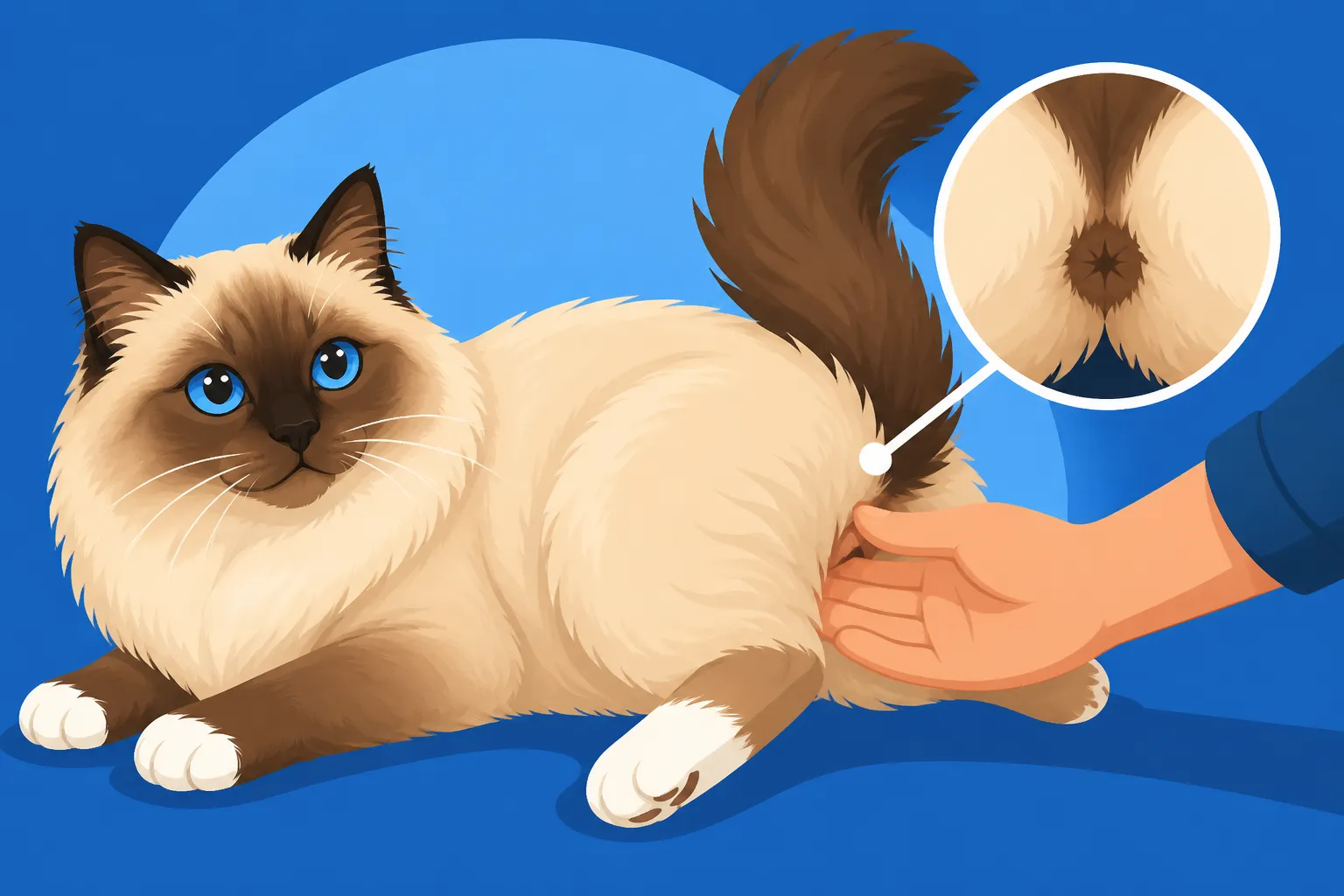
Reaching a Birman’s Britches Without Turning It Over
Oh, the Birman britches dilemma! If you're a Birman parent, you know exactly what I'm talking about. That beautiful, flowing fur around their hindquarters can become a magnet for… well, let's just say, things we'd rather not think about. And trying to get in there to groom it, especially if your sweet Birman isn't keen on being turned belly-up, can feel like you're attempting a delicate surgical procedure with a wriggling, disgruntled patient. This guide is all about giving you the practical tips and gentle techniques you need to keep your Birman's britches clean and pristine, without resorting to wrestling matches or stressing out your beloved feline.
Understanding Your Birman's Grooming Quirks
Before we dive into the nitty-gritty of grooming, it's really helpful to understand why this particular area can be such a challenge for our Birman friends. It's not just about the fur; it's about their unique personality and coat type.
The Birman's Gentle, Yet Reserved Nature
Birmans are famously gentle and placid cats, often described as "middle-of-the-road" in terms of energy and vocalization. They love to be near you, following you from room to room, but they aren't always the most keen on being held upside down or manipulated into awkward positions. While they are usually tolerant of handling, especially if started young, there's a difference between a nice stroke and having their sensitive backside attended to. They prefer to feel secure and in control, and being flipped onto their back can make them feel vulnerable, leading to resistance. This isn't defiance; it's simply a cat's natural instinct to avoid a compromising position. It's why Why a Placid Birman Hides Pain is so important to remember – their quiet nature means they often internalize discomfort rather than vocalizing it aggressively.
This inherent gentleness means that a calm, respectful approach is always best. Forcing the issue will not only make future grooming sessions harder but could also damage the trust you've built with your Birman. We want grooming to be a positive, or at least neutral, experience, not a traumatic one. Many Birman owners will tell you that their cats are quite particular about personal space, even while being affectionate. You might notice your Birman will sit against your leg rather than directly on your lap, a subtle preference that extends to how they prefer to be groomed.
The Unique Challenges of the Birman's Silky Coat
The Birman's coat is often celebrated for its luxurious, silky texture and lack of an undercoat. This single coat is a blessing in many ways – it mats far less than a Persian's woolly double coat, and grooming often takes less time. You might think, "Great! Less matting, easier grooming!" And for the most part, that's true. Regularly Combing a Birman Three Times a Week is usually sufficient for the main body. However, the fur around the britches can still pose a problem.
While it lacks an undercoat, the hair in this area can be quite dense and long, especially in males, forming what we affectionately call "britches." This length, combined with its fine, silky texture, makes it prone to collecting debris, and if not regularly brushed, it can tangle and mat quite severely. Unlike the main body coat which sheds easily, the fur in this region can cling, turning small tangles into larger, more stubborn mats surprisingly quickly. Plus, the close proximity to their hygiene activities means it's frequently exposed to moisture and whatever else might cling, exacerbating the matting potential and leading to unpleasant staining or odors.
Why Turning a Birman Over Can Be a Battle
Many cats, not just Birmans, dislike being held on their back. It's a vulnerable position that exposes their belly, a highly sensitive area. In the wild, being on their back means they're either playing (which is a choice) or in a fight they're losing. Even in the comfort of your home, this instinct persists. For a Birman, with their generally calm demeanor, this discomfort might manifest as subtle wiggling, trying to squirm away, or simply freezing up, rather than outright scratching or biting.
This can be frustrating when you just need to get to those tricky britches! But understanding why they resist helps us find alternative methods. Instead of forcing them into a position they instinctively dislike, we can learn to work with their natural posture, keeping them comfortable and making the grooming experience more palatable for both of you. It's about respecting their boundaries while still getting the job done efficiently. Remember, a calm cat is a cooperative cat, and forcing them will only build negative associations with grooming.
Setting Up for a Stress-Free Britches Grooming Session
A successful grooming session, especially for a sensitive area like the britches, starts long before you even pick up a comb. Preparation, the right tools, and a calm atmosphere are your secret weapons.
Essential Grooming Tools for the Job
Having the right tools is paramount. You wouldn't try to sculpt a masterpiece with a butter knife, and similarly, you need specialized tools for delicate Birman britches. Forget the heavy-duty slicker brushes that are fantastic for double-coated breeds; they'll tear through a Birman's fine, silky guard hairs.
Here’s what you’ll want in your grooming kit:
- Fine-toothed metal comb: This is your primary tool. Look for one with both wide and narrow-set teeth. The narrower teeth are perfect for gently working through small tangles and ensuring no stray hairs are missed in the britches area. You can find excellent quality combs on sites like Chewy or Amazon.
- Blunt-tipped scissors: Essential for carefully trimming away any severely matted fur that can't be combed out, or for a hygiene trim if needed. Always choose scissors with blunt tips to minimize any risk of poking your cat.
- Dematting tool (optional, use with extreme caution): If mats are a frequent issue, a dematting comb might be helpful, but use it sparingly and very gently. These tools have sharp blades, so extreme care is necessary to avoid cutting the skin.
- Pet grooming wipes (unscented): Perfect for a quick cleanup of any superficial dirt or stains without needing a full bath. These are great for keeping those lovely Keeping a Birman's White Gloves White – and britches – sparkling between deeper cleans.
- High-quality pet-safe conditioner/detangler spray: A spritz of this can help lubricate the fur, making it easier to comb through minor tangles without pulling.
| Tool | Primary Use | Why it's Essential for Birman Britches | Caution/Tip |
|---|---|---|---|
| Fine-toothed Metal Comb | Detangling, smoothing, removing loose hair | Gets deep into dense britches fur | Always comb gently, never pull. Start from the ends of the hair. |
| Blunt-tipped Scissors | Trimming severe mats, hygiene trims | Safe for delicate areas, precise | Always point away from the body. Use only on dry, clean fur. Keep fingers between skin and scissors. |
| Dematting Tool | Breaking up stubborn mats | Reduces need for scissor cuts | Extremely sharp! Use with light pressure, only on mats, and never directly on skin. Avoid pulling. |
| Unscented Pet Wipes | Quick cleanups, stain removal | Keeps the area fresh between grooms | Ensure they are pet-safe and unscented to prevent irritation. |
| Detangler Spray | Lubricating fur, easing comb-through | Reduces pain from tangles | Use sparingly. Check for pet-safe ingredients. Avoid spraying near face/eyes. |
Creating a Calm Environment
Your Birman picks up on your mood. If you're stressed, they'll be stressed. So, approach grooming with a calm, patient demeanor.
- Choose a quiet time: Avoid busy household hours. Turn off the TV, put away your phone, and minimize distractions.
- Select a comfortable surface: A non-slip mat on a table can be helpful. This elevates your Birman, making it easier on your back, and often cats behave better on a slightly raised surface than on the floor. What a Birman Behaves Better Combed on a Table is a really helpful principle to apply here.
- Gentle handling: Talk to your Birman in a soft, soothing voice. Offer gentle strokes before you even start combing.
- Positive reinforcement: Have some favorite treats ready. A small, tasty reward immediately after a few seconds of cooperation, or after the entire session, can make a huge difference. Think about high-quality, protein-rich treats, or simple dried salmon treats.
The Importance of Timing and Routine
Regularity is key. Don't wait until the britches are a matted mess before tackling them. Short, frequent sessions are far more effective and less stressful than long, infrequent battles.
- Establish a routine: Aim for 2-3 times a week, just a few minutes each time. This helps your Birman get used to the process and prevents small tangles from becoming big problems.
- Capitalize on relaxation: Is your Birman already purring and sleepy on your lap after a meal? That's your window! They're much more likely to tolerate handling when they're already in a relaxed state.
- Start young: If you have a kitten, begin gentle handling and combing of all areas, including the hindquarters, from a very early age. This desensitizes them and makes future grooming much easier. How to Get a Birman Used to a Comb outlines these early steps perfectly.
Mastering the "No-Flip" Grooming Technique
Alright, this is the main event! Getting to those britches without turning your Birman upside down is entirely possible with a bit of finesse and patience. The goal is to work with their natural posture as much as possible.
Gentle Positioning and Support
The trick here is to encourage your Birman to stand or lie in a way that gives you access to their britches, rather than forcing them into an uncomfortable position.
- Standing position: Most Birmans are quite happy to stand while being groomed. Gently guide them to stand facing away from you on your chosen surface (a non-slip mat on a table is ideal). Place one hand on their back, just in front of their tail, providing a sense of security. With your other hand, you can then gently lift their tail up and away from their body. This immediately gives you a much better view and access to the britches area. Talk to them softly, reassure them, and keep them feeling stable. You might even find they lean into your supporting hand slightly.
- Side-lying position: Some Birmans are comfortable lying on their side. If yours is, gently encourage them into this position. You can then use one hand to softly lift their upper hind leg, which opens up the view to the britches on the downside. This can be particularly useful for reaching the inner thighs and areas closer to the perineum. Always keep a supporting hand on their body to make them feel secure. This isn't about pinning them down, but about gentle suggestion and maintaining contact.
- The "lap lean": If your Birman loves sitting on your lap (even if it's just leaning against you), you can try having them sit facing away from you, with their hindquarters slightly off your lap. This allows gravity to help the fur hang, giving you a better angle. Again, gently lift the tail for access. This works well for cats who crave closeness but dislike being truly held.
In all these positions, the key is to keep them feeling supported and in control of their own body. Avoid scruffing or holding them too tightly, as this can cause panic. Your goal is a gentle, cooperative dance, not a struggle.
Sectioning the Fur for Easier Access
Once you have your Birman in a good position, don't try to tackle the entire area at once. Think of it like a meticulous gardener pruning a bush – you work in small, manageable sections.
- Start at the edges: Begin combing the fur on the outer edges of the britches and work your way inward, towards the more sensitive areas. Always comb with the direction of hair growth first, then against it very gently to lift any loose fur or minor tangles.
- Tail lift: With your non-dominant hand, gently lift the tail straight up. The base of the tail is often where mats can start, so paying close attention here is crucial. Work the comb through the fur around the tail base, being extra careful.
- Leg lift: For the fur closer to the inner thighs and hind legs, you may need to gently lift one hind leg at a time. Do this slowly and see how your Birman reacts. If they tense up, go back to the tail area and try again later, or try the side-lying position. The goal is to separate the fur, making each strand accessible to your comb without pulling on sensitive skin.
- Layer by layer: Just like you would comb a long human hair, work in layers. Part the fur with your fingers, hold the hair close to the skin (this minimizes pulling if you hit a tangle), and then comb downwards, slowly releasing more hair as you go. This meticulous approach prevents you from tugging on knots deep in the fur.
Dealing with Mats and Tangled Areas
Even with regular combing, Birmans can occasionally develop mats in their britches. This is where patience and extreme caution come in.
- Never pull: The golden rule for mats is never pull. Pulling is painful and will make your Birman resent grooming forever.
- Isolate the mat: Gently separate the mat from the surrounding healthy fur with your fingers.
- Use a detangler spray: Liberally apply a pet-safe detangler spray to the mat. Let it sit for a minute or two to soften the fur. Brands like Burt's Bees or Earthbath often have gentle, effective options you can find on Amazon.
- Work from the outside in: Start at the very edge of the mat with your fine-toothed comb, picking at it gently. Work your way into the center, slowly teasing the strands apart. You might only get a few hairs free at a time, but persistence pays off.
- Blunt-tipped scissors for severe mats: If a mat is too tight or close to the skin to comb out safely, you'll need to cut it. This is where your blunt-tipped scissors are critical.
- Always place your fingers between the mat and your Birman's skin. This creates a protective barrier.
- Cut into the mat, parallel to the body, rather than across it. Make several small cuts into the mat, which will help break it into smaller, more manageable pieces that you can then comb out.
- If a mat is very flat and tight against the skin, consider a hygiene shave by a professional groomer or vet. This is always safer than trying to cut it yourself if you're unsure. Remember How to Get a Mat Out of a Birman's Coat provides more detailed instruction here.
Finishing Touches and Rewards
Once you've successfully combed or trimmed the britches area, it's time for the final steps to make sure your Birman feels good about the whole experience.
- Final smooth over: Give the entire area a gentle, final comb-through to ensure all loose hairs are removed and the fur lies smoothly.
- Wipe down: Use an unscented pet wipe to clean any residue, dust, or very minor stains from the britches. This is particularly important for Birmans with their light-colored gloves and britches that can show dirt easily. Why a Birman's Gloves Go Yellow often relates to issues like this, where even small amounts of residue can cause discoloration.
- Inspect the skin: Briefly check the skin for any redness, irritation, or bumps that might indicate an underlying issue.
- Praise and reward: This is crucial! Lavish your Birman with praise, gentle strokes, and their favorite treat immediately after the session. Make it a celebration of their patience and cooperation. This positive association is what builds willingness for next time. Whether it's a freeze-dried chicken bit or a salmon chew, make it something truly special.
Long-Term Britches Care and Prevention
Preventing mats and keeping the britches clean is always easier than dealing with a disaster. Incorporating a few simple habits into your routine can make a world of difference.
Dietary Considerations for Coat Health
What goes into your Birman's body absolutely impacts the quality of their coat. A healthy coat is less prone to matting and stays cleaner.
- High-quality protein: Ensure your Birman is eating a diet rich in high-quality animal protein. This is the building block for healthy fur. Fresh, high-quality ingredients can be excellent for promoting overall coat health and vitality.
- Omega fatty acids: Look for foods or supplements that include omega-3 and omega-6 fatty acids. These are vital for skin health and a shiny, supple coat. A well-nourished coat will be smoother and less likely to tangle, especially in dense areas like the britches. Many premium cat foods, available on Chewy, explicitly list these beneficial oils.
- Hydration: Proper hydration is also essential for skin and coat health. Ensure your Birman always has access to fresh water. A cat fountain can encourage them to drink more, which contributes to overall health, including better skin elasticity and less dry, brittle fur that can snag and mat easily.
Choosing the Right Litter to Avoid Stains
This is a big one for Birman britches! Their beautiful white feet and the long fur around their rear make them susceptible to litter dust and tracking.
- Low-dust or dust-free litter: This is non-negotiable. Dusty litter will coat your Birman's fur, dull its shine, and contribute to unsightly stains, particularly on white areas. Look for litters marketed as "99% dust-free" or made from alternative materials like paper, corn, or tofu. Many reputable brands offer excellent low-dust options that you can order conveniently from Amazon or Chewy.
- Larger granule size: Finer litters tend to cling more to long fur. A litter with slightly larger, heavier granules might be less prone to sticking to the britches and being tracked around.
- Unscented: While not directly related to staining, heavily scented litters can be irritating to cats and can sometimes leave an unpleasant artificial smell on their fur. Stick to unscented options for the cleanest possible outcome.
- Regular scooping: Scoop the litter box at least twice daily, if not more. A clean litter box means less chance of your Birman stepping in soiled litter, which can then transfer to their britches. For more on this, check out Why a Birman Needs a Litter That Does Not Stain.
Regular Checks and Early Intervention
Consistency is your best friend in preventing britches blowouts.
- Daily visual inspection: Make it a habit to quickly glance at your Birman's britches daily. When they stretch, walk past you, or hop onto your lap, take a quick peek. This five-second check can catch a tiny tangle before it becomes a massive mat.
- Gentle weekly comb-through: Even if you do a more thorough grooming session a few times a week, a gentle, quick comb-through of the britches every day or every other day can work wonders. This simply brushes out any loose hair and prevents the formation of small tangles.
- Address issues immediately: Don't procrastinate if you spot a tangle or a small mat. The sooner you address it, the easier it will be to remove. A tiny mat that takes 30 seconds to comb out today could become a painful, solid lump in a few days.
- Consider a hygiene trim: If your Birman is particularly prone to getting messy, or if they have extremely dense britches fur, a regular hygiene trim might be beneficial. This involves carefully trimming the fur around the anus and inner thighs a little shorter with blunt-tipped scissors. If you're not comfortable doing this yourself, a professional groomer or your vet can perform a neat, safe trim. It's a small change that can make a huge difference in cleanliness and comfort for your Birman.
By combining gentle handling, the right tools, a supportive environment, and proactive prevention, you can ensure your Birman's beautiful britches remain clean, healthy, and tangle-free, all without ever having to turn them over. Your Birman will thank you for the respectful and calm approach!
Disclaimer
This article is for general informational purposes only and does not constitute professional advice. Laws, prices and regulations vary by location and change over time. Consult a qualified professional for guidance on your specific situation.