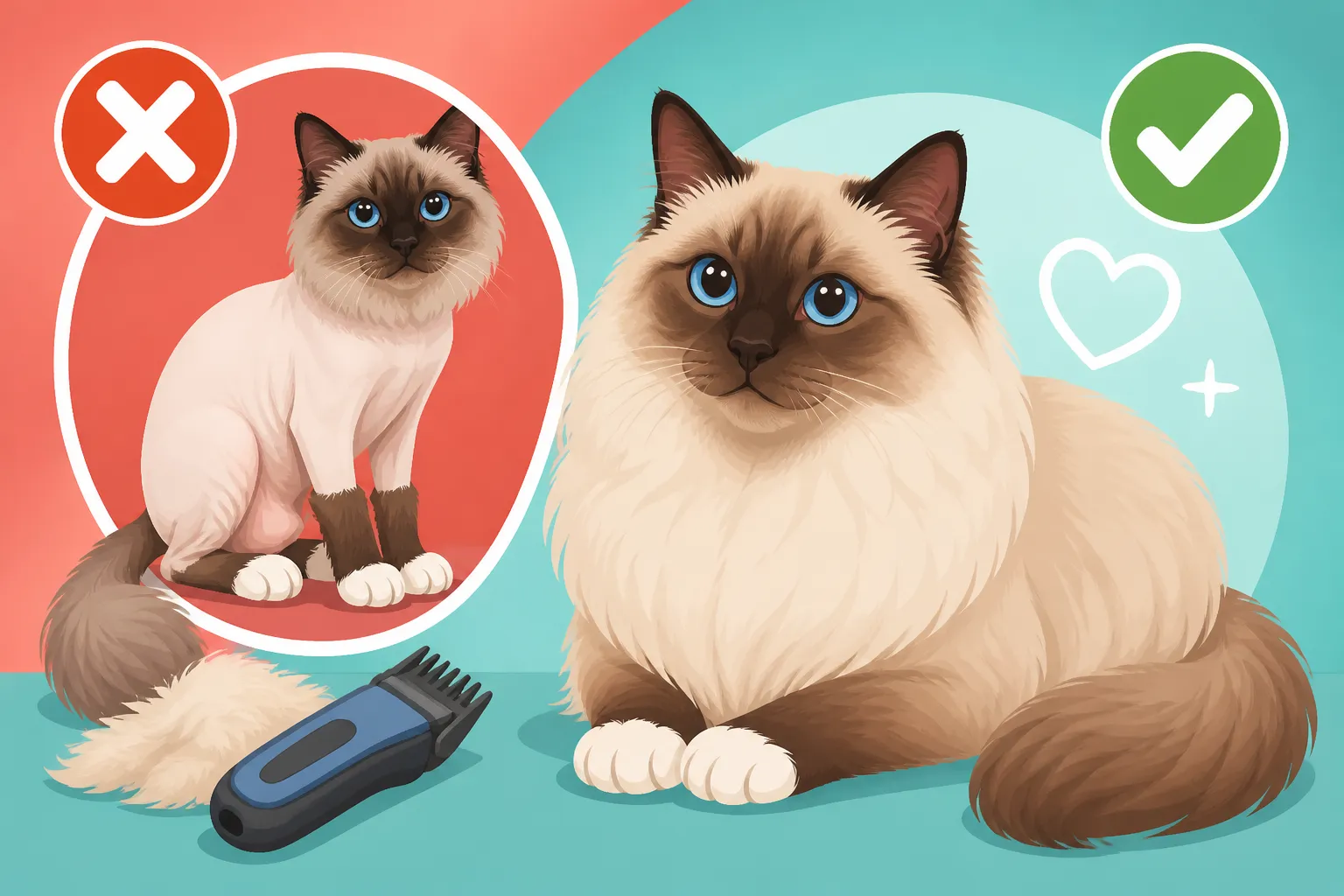
Why a Lion Cut Is Rarely Needed on a Birman
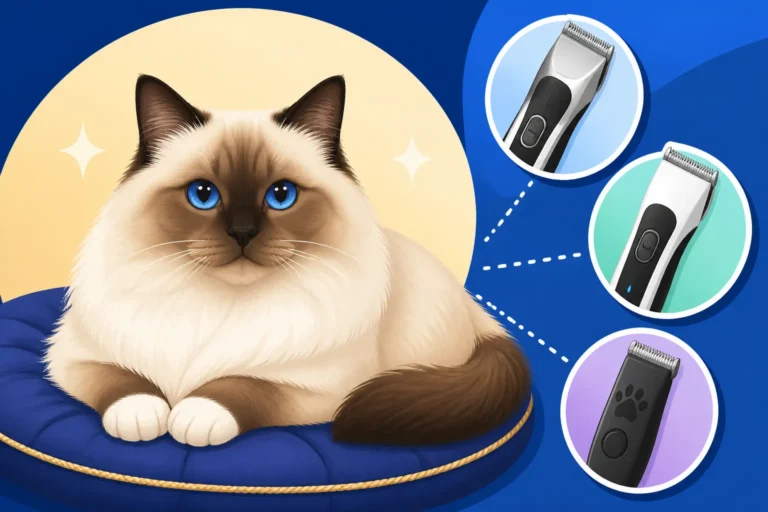
It’s a common sight to see a big, fluffy cat sporting a chic lion cut, especially during warmer months or when owners are battling relentless matting. Many people assume that gorgeous, long-haired breeds like the Birman must require similar drastic measures to keep their coats manageable. However, if you’re a Birman owner or considering becoming one, you’ll be relieved to discover that a lion cut is almost never a necessary step for these wonderful cats, thanks to the unique nature of their silky coats. This guide will dive deep into why the Birman’s coat stands apart, how easy it is to maintain, and why reaching for the clippers is a truly rare, last-resort situation.
The Birman's Unique Coat: A Groomer's Dream, Not a Nightmare
When you first lay eyes on a Birman with its flowing ruff, plumed tail, and glorious britches, you might instantly picture hours of tangled fur and grooming battles. It's a natural assumption, especially if you've had experience with other long-haired breeds known for their dense, mat-prone coats. But here's the beautiful secret about the Birman: their coat is fundamentally different, and that difference makes all the world of difference in its care.
The Single-Layered Secret: No Dense Undercoat Here!
Unlike some of their fluffy cousins, the Birman cat possesses a single coat. This isn't just a fancy way of saying "long hair"; it means they lack the thick, woolly undercoat that many other long-haired breeds have. Think of a Persian or a Maine Coon, and you're likely imagining a double-layer coat that feels incredibly plush and dense. That dense undercoat, while insulating, is also the primary culprit behind severe matting, as it traps loose hairs against the skin, forming felt-like clumps that are incredibly difficult to remove.
The Birman's coat, by contrast, is known for being incredibly fine, soft, and silky. It flows rather than clumps. This unique texture means that loose hairs tend to fall out easily or get caught on a comb, instead of weaving themselves into stubborn mats deep within a dense underlayer. This is precisely No Undercoat Is What Makes a Birman Easy to Groom, allowing a comb to glide through effortlessly with just a few passes. It's a blessing for both owner and cat, turning what could be a chore into a pleasant bonding experience.
How Matting Actually Happens (and How to Prevent It)
While a Birman's coat is remarkably mat-resistant compared to many other long-haired breeds, it's not entirely immune. Small tangles or minor mats can still form, particularly in areas of friction or where the fur is exceptionally long and fine. Common "trouble spots" include the armpits, behind the ears, on the britches (the long fur on their hindquarters), and sometimes around the ruff. These are areas where movement, rubbing, or even litter can cause the delicate hairs to intertwine.
However, these are almost always superficial and easily managed with regular attention. The key is consistency, not intensity. If you run your fingers through these areas daily, you'll catch any nascent tangles before they escalate. A quick, gentle comb-through every couple of days in these specific spots, in addition to their regular full-body grooming, is usually more than enough to keep their coat in pristine condition. Ignoring these smaller areas is usually what leads to a small tangle turning into a slightly more stubborn mat, but even then, these are typically isolated and don't require shaving the entire cat. Why a Birman Mats Far Less Than It Looks Like It Should is really down to this single-layered structure; it doesn't give mats the internal scaffolding to build into massive felted armor.
The Practicalities of Grooming a Birman Without Clipping
The beauty of the Birman's coat isn't just in its luxurious appearance, but in its surprisingly low maintenance demands. You don't need a professional groomer on speed dial, nor do you need an arsenal of heavy-duty tools. A simple, consistent routine is all it takes to keep your Birman looking regal.
The Gentle Art of Combing: Three Times a Week is Plenty
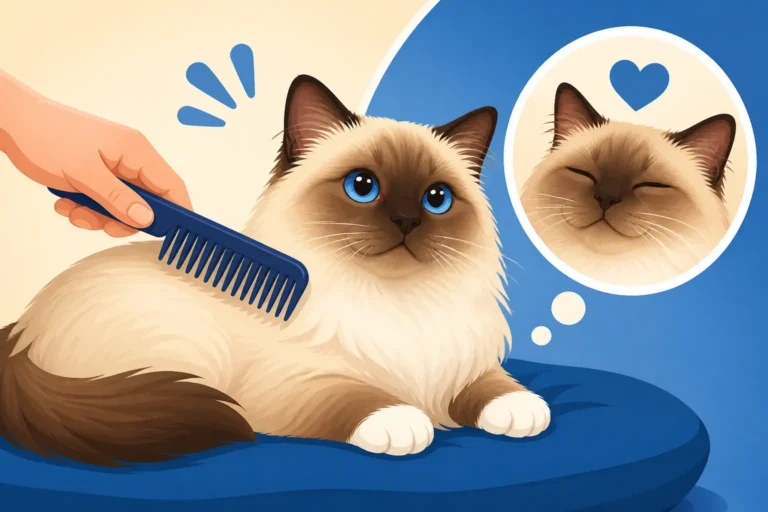
For most Birmans, three combing sessions a week, each lasting perhaps 10-15 minutes, are perfectly sufficient. This isn't an arduous task; it's a chance to connect with your cat. Focus on making it a positive experience from kittenhood. Start with short sessions, offering treats and praise. Your Birman will quickly associate grooming with affection and positive attention, often purring happily throughout.
When it comes to tools, choosing the right comb is crucial. A slicker brush, often recommended for other breeds, can actually damage the Birman's delicate guard hairs, tearing at them rather than gently detangling. Instead, opt for a good quality metal comb with both wide and fine teeth. The wider teeth are excellent for initial passes through the body and ruff, gently teasing out any loose fur. The finer teeth can then be used on the more delicate areas like the face, behind the ears, and the britches. Which Comb Gets Through a Birman's Ruff Without Pulling is a good guide here; you want smooth, rounded teeth that glide through their silky strands. You'll be amazed at How Much a Coat With No Undercoat Actually Sheds – it’s less than you might think, especially when regularly combed.
To make combing easier, especially in areas prone to static or slight tangles, you might consider a detangling spray designed for cats. A light mist can help the comb glide through even more smoothly, reducing any pulling sensation. Products available from retailers like Chewy or Amazon can provide a wide array of options for cat-safe detangling sprays and high-quality combs.
Dealing with Minor Issues: Keeping White Gloves Pristine
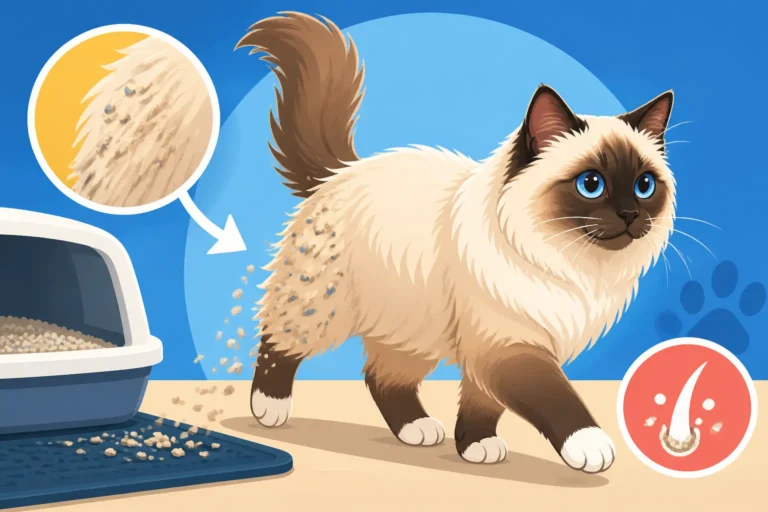
The Birman's signature white "gloves" on their paws are absolutely stunning, but they can be a magnet for dirt, especially if your cat has a penchant for digging in their litter box. This is one of the more common "grooming challenges" a Birman owner faces, far more so than widespread matting.
You'll quickly learn that Keeping a Birman's White Gloves White sometimes involves selective cleaning, not a full bath. For minor discoloration or litter dust, a damp cloth is often all you need. For more stubborn stains, a cat-specific dry shampoo or a very gentle, pet-safe shampoo designed for white coats can be used sparingly on the paws, followed by a thorough rinse and gentle towel dry. It's rare for a Birman to need a full bath, largely because their single coat doesn't trap oils and dirt like a dense undercoat would. In fact, How Rarely a Birman Needs More Than Its Feet Washed is a testament to the self-cleaning nature of their silky fur.
A proactive approach involves choosing the right litter. Opt for low-dust, non-clumping varieties that are less likely to stick to their delicate paw fur. Why a Birman Needs a Litter That Does Not Stain becomes evident very quickly once you bring home a white-gloved kitten!
When a Lion Cut Might Be Considered (The True Last Resort)
The idea of a lion cut for a Birman should honestly be filed under "extreme circumstances" rather than routine care. It's not a styling choice for this breed; it's a solution to a severe problem that almost always stems from neglect or a serious medical issue.
Extreme Neglect and Medical Necessity
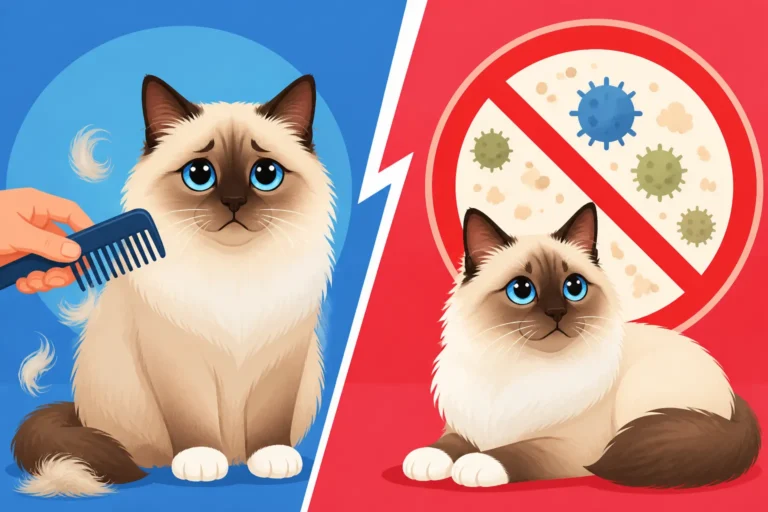
In nearly all cases where a Birman receives a lion cut, it's because the cat's coat has become severely matted, tangled, and felted due to a complete lack of regular grooming. This is a heartbreaking situation that can happen when an owner is unable to care for their cat (due to illness, age, or lack of knowledge), or in rescue situations where cats have been abandoned. In these scenarios, the mats are often so tight and close to the skin that they pull, cause pain, restrict movement, and can even lead to skin infections underneath. In such cases, a veterinary professional or a skilled groomer will recommend a full shave, not for aesthetics, but for the cat's health and comfort. It's simply the most humane way to remove the painful, matted fur and allow the skin to breathe and heal.
Another rare instance where a lion cut might be necessary is for extensive medical treatment. If a Birman needs surgery, or has a severe skin condition that requires topical medication over a large area, shaving might be part of the treatment plan. This is always done under veterinary guidance and for a specific health purpose, not for convenience.
It’s important to reiterate that these situations are outliers. A Birman kept in a loving home with a consistent, even minimal, grooming routine is highly unlikely to ever require such a drastic measure. What Makes a Birman's Coat Silky Rather Than Woolly is its inherent protection against such catastrophic matting.
The Emotional and Physical Impact on Your Birman
Undergoing a lion cut is not a pleasant experience for a cat. While the relief from painful mats is undeniable, the process itself can be stressful and frightening, often requiring sedation. Afterward, the cat can feel exposed, cold, and even self-conscious. Many cats react to having their fur shorn by becoming withdrawn, hiding, or even over-grooming the remaining stubble.
Physically, a shaved Birman might struggle to regulate its body temperature, especially in cooler environments, as their single coat, while not thick, still offers some insulation. The regrowth process can also be challenging. While the fur will grow back, it can sometimes come in a different texture, or the color points might darken significantly due to the change in skin temperature, a phenomenon related to how a Birman's Points Darken as It Ages and with cold exposure. The ruff, which is often the longest fur on a Birman, will also be gone, leaving them looking quite different from their natural, majestic selves.
For these reasons, a lion cut is avoided unless absolutely medically necessary. It's a testament to the breed's low-maintenance coat that such measures are almost universally unnecessary for healthy, cared-for Birmans.
Maintaining Your Birman's Natural Beauty Long-Term
The goal for any Birman owner should be to preserve that stunning, silky coat in its natural glory. It’s entirely achievable with a holistic approach that combines consistent, gentle grooming with good overall care.
Diet for a Healthy Coat: Inside Out Beauty
What your Birman eats has a significant impact on the health and luster of their coat. A high-quality diet provides the essential nutrients, vitamins, and fatty acids needed to keep their fur strong, shiny, and less prone to breakage or dullness. Look for cat foods with high-quality protein sources as the first ingredient. A healthy coat is a sign of a healthy cat.
Specifically, omega-3 and omega-6 fatty acids are fantastic for skin and coat health. Many premium cat foods include these, but you can also supplement with fish oil, ensuring it's specifically formulated and dosed for felines. This helps keep the skin moisturized and the fur soft and resilient. Why Omega Oils Matter for a Birman's Coat cannot be overstated; they contribute to that gorgeous sheen and supple texture. Also, ensure the food has a good protein level; Which Protein Level a Birman's Ruff Needs to Stay Full is usually higher than what you might find in budget brands, contributing to that luxurious mane. Brands like those found on Chewy often provide detailed nutritional information, making it easier to select appropriate options.
Environmental Considerations: Comfort and Cleanliness
Your Birman's environment also plays a role in coat health. While their single coat means they aren't prone to overheating like some other breeds, they can get chilly in cooler temperatures. Providing cozy, warm sleeping spots helps maintain their body temperature, which in turn can influence coat condition.
Cleanliness, especially around the litter box, is paramount, particularly with those white gloves. As discussed earlier, selecting a low-dust, non-staining litter is a big step. Ensure the litter box itself is kept scrupulously clean to prevent tracking and staining. A bigger box, appropriate for your Birman's long, rectangular body, will also help prevent accidents and reduce the chances of them stepping in soiled litter. Why a Birman Needs a Litter That Does Not Stain is a constant refrain among Birman enthusiasts! Regularly scooping and changing the litter helps maintain hygiene and keeps their paws looking their best.
By focusing on these practical and loving care routines, you'll find that your Birman's beautiful, flowing coat remains magnificent without ever needing the harsh intervention of a lion cut. It's a testament to this wonderful breed that their signature look is also, thankfully, quite easy to maintain.
Disclaimer
This article is for general informational purposes only and does not constitute professional advice. Laws, prices and regulations vary by location and change over time. Consult a qualified professional for guidance on your specific situation.