Why an Overweight Birman Stops Grooming Itself
It's a heartbreaking sight, isn't it? Your once pristine Birman, known for its flowing, silky coat and impeccable grooming habits, suddenly looks a little disheveled. The glorious ruff might be tangled, the pristine white gloves a bit dingy, and you notice mats forming in spots they never used to. This isn't just about aesthetics; an overweight Birman struggling to groom itself is a sign of underlying discomfort and potential health issues that need our attention, and this guide will walk you through why this happens and what you can do to help your beloved companion get back to feeling its best.
The Physical Hurdles: Why an Overweight Birman Can't Reach
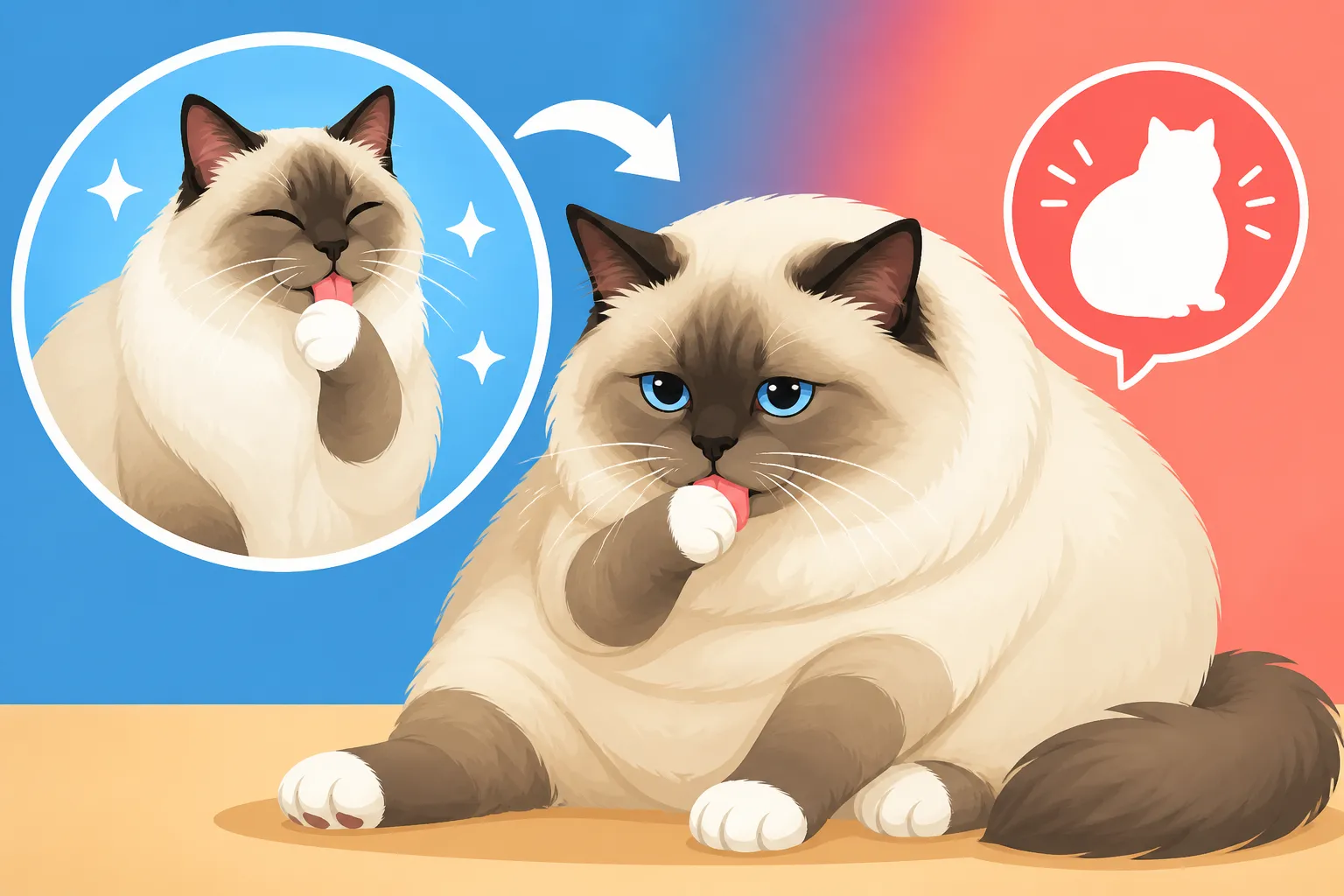
When your beautiful Birman carries extra weight, the simple act of grooming becomes a monumental task. Imagine trying to tie your shoes if you suddenly gained a lot of weight around your middle – that’s essentially what your cat is experiencing. Their flexible, agile bodies, designed for graceful movements and thorough self-care, are now impeded by the added bulk. It's not laziness; it's a physical impossibility to maintain their usual fastidious standards.
Restricted Mobility and Reduced Flexibility
A healthy Birman is a surprisingly agile creature, despite its luxurious coat and generally calm demeanor. They can twist, turn, and bend their long, rectangular bodies into impressive contortions to reach every inch of their fur with their tongues. This includes those tricky spots like the base of the tail, the hind legs, and even parts of their back. When fat accumulates around their torso, spine, and hips, it literally "locks" their joints and limits their range of motion. The spine, which should allow for a significant curve, becomes stiff, making those deep stretches and twists nearly impossible. They simply cannot bend enough to bring their mouth or paws to the areas that need cleaning and detangling the most. It's like trying to comb the back of your head with very short arms; some spots just become unreachable.
This decreased flexibility also impacts their ability to scratch properly. Cats use their hind claws to scratch various parts of their body, particularly behind their ears and along their flanks. An overweight Birman might find lifting a hind leg high enough to scratch effectively is too strenuous or even painful. You might notice them rubbing against furniture more often, attempting to get some relief from an itch they can't reach, or simply giving up on those areas altogether.
Joint Discomfort and Pain
Beyond just being physically blocked by fat, carrying excess weight puts a tremendous strain on your Birman’s joints. Just like in humans, extra pounds can lead to or exacerbate conditions like arthritis, particularly in the hips, knees, and spine. Even if full-blown arthritis hasn't set in, the constant pressure on their joints can cause significant discomfort. This discomfort makes twisting and bending painful, discouraging them from attempting the strenuous movements required for thorough grooming. Think about how much less you’d want to exercise if every movement sent a twinge through your knees. Your Birman feels something similar, and grooming, while a natural instinct, can become a source of pain rather than comfort.
This pain isn't always obvious. Birmans are known for their Why a Quiet Birman Is Easy to Misread and tendency to hide illness, so they might not cry out or limp dramatically. Instead, they might just become less active, move more slowly, and, crucially, stop attempting difficult grooming maneuvers. If you see your Birman hesitate before jumping onto a low sofa or notice them struggling to squat comfortably in the litter box, these could be subtle signs that their joints are protesting the extra weight. What an Old Birman Slows Down From often begins with these very issues, and excess weight can bring these problems on much earlier in life.
The Tangled Truth: How Weight Impacts Coat and Skin Health
When a Birman can't properly groom itself, the consequences extend far beyond just looking a bit scruffy. Their magnificent coat and delicate skin, which usually thrive under their meticulous care, quickly start to suffer. This creates a vicious cycle: the inability to groom leads to coat and skin issues, which then make grooming even more challenging or uncomfortable.
Mats, Greasy Fur, and Skin Irritations
One of the most immediate and visible problems is the formation of mats. Birmans have a beautiful, silky single coat, which, while No Undercoat Is What Makes a Birman Easy to Groom and less prone to matting than some double-coated breeds, still requires regular attention. Their long hair, especially around the ruff, britches, and belly, can quickly tangle if not combed by their tongue or a brush. When an overweight Birman can't reach these areas, these small tangles turn into tight, painful mats. These mats pull on the skin, causing discomfort and even open sores beneath them. They can also trap dirt, debris, and parasites, leading to further irritation.
Beyond mats, you might notice your Birman's fur becoming greasy, especially around the base of the tail and along their back. A cat's tongue naturally distributes oils and helps clean the coat. Without this regular self-grooming, natural skin oils can build up, leading to a dull, oily appearance. This greasy fur is also a prime breeding ground for bacteria and yeast, potentially resulting in skin infections. You might even detect an unusual odor coming from your cat, something you’d rarely expect from a typically pristine Birman. The skin underneath the matted and greasy fur can become inflamed, flaky, or even infected, causing intense itching. This creates a truly uncomfortable situation for your cat, making them feel even worse. For severe matting, knowing How to Get a Mat Out of a Birman's Coat safely is key.
The Problem of Stains and Hygiene Around the Rear
Another significant issue that arises from an overweight Birman's grooming struggles is poor hygiene, particularly around their hindquarters. Normally, cats keep this area impeccably clean, but with restricted flexibility, reaching to clean after using the litter box becomes difficult, if not impossible. This can lead to feces getting caught in the fur around their britches and tail, creating a messy and unsanitary situation. These lingering messes can cause skin irritation, inflammation, and even painful infections.
Not only is this unpleasant for your cat, but it can also become a health hazard within your home. The soiled fur can track bacteria around the house, and the constant dampness can lead to skin scald or urinary tract infections. It's a distressing situation for any pet owner, and it highlights just how crucial proper grooming is for a cat's overall well-being. Keeping a Birman's Keeping a Birman's White Gloves White is hard enough, but trying to keep their entire rear clean when they can't reach is a much bigger battle. For these reasons, you might find yourself needing to step in more frequently with gentle wipes or even a targeted bath to keep them comfortable and healthy. Look for pet-safe grooming wipes or gentle shampoos on Chewy or Amazon that are specifically designed for sensitive skin, as harsh chemicals can worsen irritation.
Tackling the Root Cause: Comprehensive Weight Management
The good news is that by addressing your Birman's weight, you can help them reclaim their grooming independence and vastly improve their overall quality of life. This isn't about rapid, drastic changes, which can be dangerous for cats, but rather a thoughtful, consistent approach to diet and activity. Why an Overweight Birman Must Come Down Slowly is vital to prevent serious health complications like hepatic lipidosis.
Re-evaluating Diet and Portion Control
The first and most crucial step in weight management is taking a hard look at your Birman's diet. It’s easy to accidentally overfeed, especially when a cat isn't vocal about its hunger. Birmans are not typically demanding like some other breeds; they often eat what’s given to them without complaint. Why a Birman Will Not Tell You It Is Hungry means you can easily misjudge their needs. Start by accurately weighing your cat and consulting with your vet to determine an ideal target weight and the appropriate daily calorie intake. Don't guess; different cats have different metabolic rates, and your vet can provide a tailored plan.
Measuring food precisely is non-negotiable. Forget eyeballing a scoop; invest in a digital kitchen scale to measure kibble by weight, not volume. For wet food, stick to the recommended serving sizes for weight loss. Many commercial foods offer “weight management” or “light” formulas, which can be helpful. However, the quality of ingredients still matters. Look for high-protein, moderate-fat foods that keep your Birman feeling full and maintain muscle mass during weight loss. Fresh, pre-portioned meals can be an excellent option for precise calorie control and high-quality nutrition. Transitioning slowly to any new food is also important to avoid digestive upset. Why a Birman Accepts a Food Change Without Complaint can be a double-edged sword here; they might eat it, but it doesn't mean it's the right choice or introduced correctly.
Eliminate free-feeding entirely. Instead, divide their daily allowance into two to three measured meals. This approach, where Why a Birman Does Better on a Fixed Feeding Time, can help regulate their metabolism and prevent overconsumption. Be mindful of treats; they add calories quickly. How Quickly Treats Show on a Birman's Long Frame is surprising. If you use treats for training or enrichment, account for them in their daily calorie count. Consider low-calorie options like freeze-dried chicken or tiny pieces of their regular kibble.
Encouraging Play and Gentle Exercise
While diet is paramount, increasing your Birman's activity level plays a vital supporting role. For an overweight cat, "exercise" doesn't mean intense cardio; it means gentle, consistent movement that builds strength and improves flexibility without putting undue stress on their joints. Think short, frequent play sessions rather than long, exhausting ones.
Invest in interactive toys that encourage movement. Wand toys are fantastic for engaging Birmans, who enjoy stalking and pouncing. Try moving the toy slowly at first, allowing them to "catch" it easily to build confidence. Laser pointers can also work, but always end a session by allowing them to "catch" a physical toy to prevent frustration. Puzzle feeders, available on Chewy or Amazon, can make mealtime an activity, encouraging them to work for their food and adding mental stimulation. This can also help slow down fast eaters.
Create an enriching environment that encourages gentle movement. Consider low-level cat trees or sturdy steps to help them access favorite window perches or your sofa without straining. Placing food bowls on different levels can encourage a bit more movement throughout the day. If your Birman is particularly placid, even just getting them to follow you from room to room can add to their daily activity. Remember, How Much Play a Birman Needs Daily can be less than you think for an overweight cat, but consistency is key. Even five to ten minutes of active play, several times a day, can make a significant difference over time.
| Aspect | Healthy Weight Birman | Overweight Birman |
|---|---|---|
| Grooming Ability | Flexible, can reach all body parts, fastidious | Restricted flexibility, struggles to reach hindquarters/back |
| Coat Condition | Silky, clean, minimal matting, healthy shine | Greasy, dull, prone to severe matting, especially on back |
| Skin Health | Clear, healthy, free from irritation | Prone to skin infections, redness, irritation, unpleasant odor |
| Joint Comfort | Agile, moves easily, comfortable jumping | Joint pain, reluctance to jump or stretch, slower movement |
| Hygiene | Self-cleaning after litter use, pristine rear | Soiled hindquarters, trapped feces, increased risk of UTIs |
| Overall Energy | Playful, engages in activity, curious about surroundings | Lethargic, less interested in play, sleeps more |
When to Call the Vet: Professional Intervention and Support
Sometimes, the challenges of an overweight Birman extend beyond just diet and exercise. If your cat is severely matted, showing signs of skin infection, or you suspect underlying health issues, a trip to the vet is absolutely essential. They can provide immediate relief and develop a comprehensive plan to get your Birman back on track.
Addressing Health Complications and Pain Management
An overweight Birman is at a higher risk for various health problems, including diabetes, heart disease, and severe joint issues. If your Birman has significantly reduced grooming habits, it’s a good idea to have a vet perform a thorough check-up. They can rule out other medical conditions that might be contributing to lethargy or an inability to groom, such as thyroid problems or dental pain. For example, Why a Birman That Drops Food Has a Mouth Problem might indicate an issue preventing them from eating properly, which could tie into a reduced energy level for grooming.
If your Birman is experiencing joint pain, your vet can discuss pain management options. This might include anti-inflammatory medications, joint supplements, or even specialized prescription diets that support joint health. Alleviating their pain will not only make them more comfortable but also encourage them to move more freely and potentially resume some self-grooming. It’s important to remember that improving mobility is a cornerstone of getting them to self-groom again.
Your vet will also be able to check for any skin infections that may have developed due to lack of grooming. They can prescribe medicated shampoos or topical treatments to heal irritated skin and prevent further complications. This is particularly important for cats with long fur, where infections can become trapped and worsen quickly.
Professional Grooming and Ongoing Support
For Birmans with severe matting, a professional groomer or your vet might need to step in. Attempting to cut out tight mats yourself can be dangerous, as it’s very easy to accidentally cut the skin underneath. A professional groomer has the right tools and expertise to safely remove mats, often with specialized clippers that get under the mat without damaging the skin. In some severe cases, especially if the mats are extensive and very close to the skin, sedation might be necessary at the vet's office to ensure your cat's comfort and safety during the process. This can be the first crucial step in allowing their skin to breathe and heal. This is part of Caring for an Old Birman That Cannot Reach Its Back, but it can apply to any age with weight issues.
Beyond addressing immediate issues, your vet can be a fantastic partner in developing a long-term weight loss plan. They can help you set realistic goals, recommend specific foods, and monitor your Birman’s progress. Regular weigh-ins at the clinic can keep both you and your cat accountable. Don't be afraid to ask for advice on How to Feel a Birman's Ribs Under a Silky Coat or how to manage treats. Many veterinary clinics also offer nutritional counseling services, which can provide invaluable support. Learning What an Old Birman Needs Once Its Ruff Starts Matting can also provide valuable insights, as these issues are similar regardless of cause.
Remember, helping your overweight Birman get back to a healthy weight and resume self-grooming is a journey, not a sprint. It requires patience, consistency, and a lot of love. But seeing your Birman regain their agility, comfort, and their signature pristine coat will be incredibly rewarding, both for you and for them.
Disclaimer
This article is for general informational purposes only and does not constitute professional advice. Laws, prices and regulations vary by location and change over time. Consult a qualified professional for guidance on your specific situation.