Why a Birman’s Coat Carries Litter Out of the Box
It's a familiar sight for many Birman parents: you walk into a room, admiring your beautiful, gentle companion, only to notice a trail of litter leading from the box, across the hallway, and perhaps even into your favorite armchair. You scratch your head, wondering how such a refined cat can leave such a mess. The truth is, it's not a reflection of their tidiness, but rather a direct consequence of their unique, luxurious coat and their particular grooming habits. This guide will delve into exactly why your Birman's glorious fur seems to be a magnet for litter, and, more importantly, what you can do about it.
The Unique Birman Coat and Litter Tracking
Your Birman's coat is a thing of beauty, truly. It's one of the hallmarks of the breed – that long, silky, flowing fur, especially around the ruff and tail, topped off with those signature white "gloves" and "laces." But these very characteristics, which make them so captivating, also make them exceptionally good at carrying litter from point A (the litter box) to point B (everywhere else). It's a double-edged sword, and understanding why is the first step to managing the mess.
The Silky, Single Layer Secret
Unlike some other long-haired breeds, the Birman has what's known as a single coat. This means they lack the dense, woolly undercoat that breeds like Persians possess. You might think, "Great! Less shedding, fewer mats!" And you'd be right, to an extent. Indeed, No Undercoat Is What Makes a Birman Easy to Groom, and their coat tends to run through your fingers without catching, earning them the reputation for being relatively low-maintenance among longhairs. However, this very silkiness, combined with its length, turns their fur into a fantastic litter-collection device.
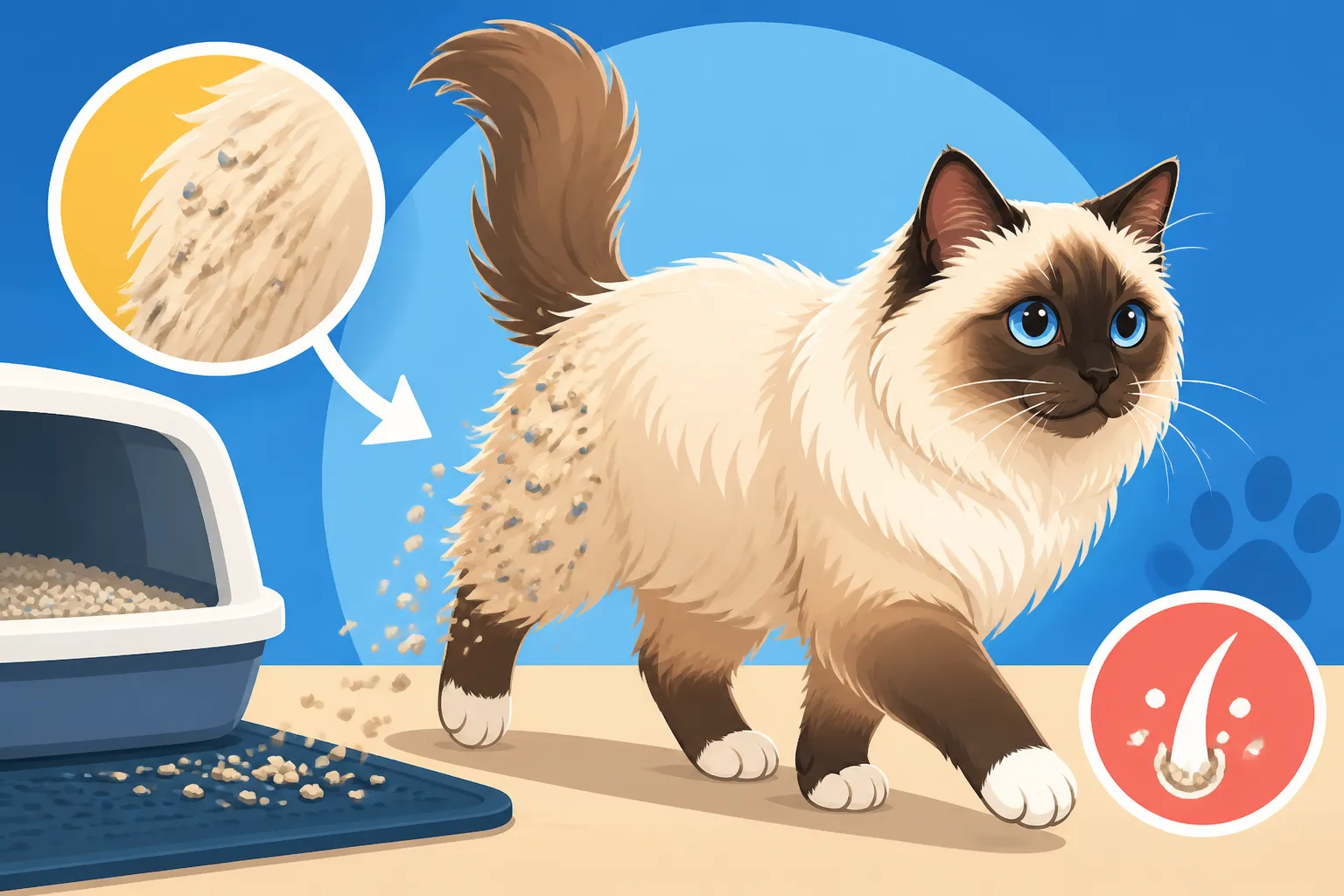
Imagine tiny, lightweight litter granules. When your Birman steps into the box, these granules cling to the smooth, fine strands of their longer guard hairs. There's no thick, protective undercoat to act as a barrier. The individual hairs are just long enough and fine enough to pick up and hold onto pieces of litter, especially the smaller, lighter varieties. It's like a static-charged feather duster, but for litter. This effect is particularly pronounced because Why a Birman's Coat Runs Through Your Fingers so easily – it allows those fine particles to embed themselves.
Long Hairs and Paw Tufting
Beyond the overall coat texture, specific areas of your Birman's body are particularly culpable in the litter tracking saga. Their paws, of course, are the primary culprits. Birmans often have tufts of fur between their paw pads, and while these can be charming, they are also incredibly efficient at scooping up litter. As your Birman digs, covers, and then steps out of the box, these furry tufts act like little brushes, gathering granules.
Then there are the "britches" – the longer fur on their hind legs and around their bottom. This area can become quite voluminous and can easily drag through the litter when your Birman squats or steps out of the box. Small, lightweight granules get caught in these longer hairs, and as your cat moves, they simply fall out, scattering across your floor. It’s a frustrating cycle that makes you wonder if they’re doing it on purpose! And let’s not forget their magnificent tail plume. While not always directly touching the litter, a swishing tail can also dislodge stray granules picked up by their legs or feet, spreading the joy even further.
The Birman's Love for Digging
Adding another layer to this litter conundrum is the Birman's natural behavior within the litter box. Most cats, Birmans included, have a strong instinct to dig and cover their waste. This is an ancient evolutionary trait meant to hide their presence from predators and prey. And Birmans are often quite enthusiastic diggers! They'll meticulously excavate a pit, do their business, and then proceed to cover it with gusto, often kicking litter far and wide in the process.
This energetic digging action not only scatters litter directly outside the box but also ensures that their paws and the fur on their legs become thoroughly coated in granules. The more they dig and shuffle, the more opportunities there are for litter to adhere to their silky fur. It's a perfectly normal and healthy feline behavior, but when combined with their specific coat type, it becomes a major contributor to the litter-tracking problem. You want them to be clean, of course, but their very efforts to be so lead to more mess around your home.
Litter Types: A Hidden Culprit for Birman Messes
When you’re constantly sweeping up litter, it’s easy to blame the cat. But sometimes, the problem isn't just how your Birman uses the box, but what you put in it. The type of litter you choose can have a monumental impact on how much of it ends up outside the box. For Birmans, with their particular coat, selecting the right litter is crucial for keeping your home cleaner.
Granule Size Matters More Than You Think
This is perhaps one of the most significant factors in litter tracking. Think about it: tiny, fine granules, like those found in many popular clumping litters, are perfectly sized to get lodged between paw pads and stick to fine fur. They're like microscopic burrs for your Birman's silky coat. While these fine-grained litters are often excellent for odor control and clumping, their very texture works against you when you have a long-haired cat.
Larger, heavier granules, on the other hand, are less likely to adhere to fur or get stuck in paw tufts. They're also less likely to be kicked out of the box by an enthusiastic digger. Imagine trying to carry gravel vs. sand in your shoes – the sand gets everywhere. The same principle applies here. Exploring litters with larger, more substantial pieces can drastically reduce the amount of tracking you experience. This might mean sacrificing some of that ultra-fine clumping power, but the trade-off in cleanliness can be well worth it.
Dust, Clumping, and Coating
Beyond granule size, the overall composition and performance of the litter play a big role. Dusty litters are a particular nightmare for Birmans. When your cat kicks up dust in the box, that dust settles on their fur, creating a tacky surface that then attracts and holds onto even more litter granules. It’s a vicious cycle that makes their beautiful white gloves look dingy. Why Dusty Litter Ruins a Birman's Gloves isn't just about aesthetics; it contributes directly to tracking.
Many clumping litters are designed to absorb moisture and form tight clumps. While fantastic for scooping, some of these can adhere to your Birman’s fur, especially if they step in a freshly clumped area or if their britches brush against it. These "sticky" clumps can then be carried out of the box and deposited around the house. You might also notice how white feet change which litter you buy (Why White Feet Change Which Litter You Buy) – a change to a less dusty, larger granule litter can make a surprising difference in keeping those pristine paws clean.
Natural and Alternative Litters
It’s worth exploring the vast world of alternative litters. While clay litters are common, many natural options have emerged that can be great for Birmans and their tracking tendencies.
- Wood Pellets: These are larger, heavier, and virtually dust-free. They break down into sawdust when wet, which can still track, but the initial pellets are much less sticky to fur. Many Birman owners find these a significant improvement.
- Paper Pellets: Similar to wood, these are large, soft, and absorbent. They don't clump, but they are gentle on paws and less likely to cling to fur.
- Corn or Wheat-based Litters: Some varieties offer larger granule sizes and good clumping, often with less dust than traditional clay. These can be a good middle-ground option.
When considering these alternatives, remember that cats can be finicky. Introduce new litters gradually, mixing them with their old favorite to allow for adjustment. You might find a blend that works perfectly, minimizing tracking without upsetting your sensitive Birman. Many online retailers like Chewy or Amazon offer a wide variety of these alternative litters, allowing you to easily compare and test them out.
Here's a quick comparison of common litter types and their tracking potential for Birmans:
| Litter Type | Granule Size | Dust Level | Clumping Performance | Birman Tracking Potential | Notes |
|---|---|---|---|---|---|
| Fine-Grain Clay | Very Small | High | Excellent | High | Clings to fur and paw tufts; very dusty, staining white gloves. |
| Medium-Grain Clay | Medium | Moderate | Good | Moderate to High | Better than fine-grain, but still prone to sticking to fur. |
| Large-Grain Clay / Crystals | Large | Low | Poor / Absorbent | Low to Moderate | Heavier granules less likely to cling, but can be kicked. |
| Wood Pellets | Large | Very Low | Non-clumping | Low | Breaks down into sawdust when wet, which can track a little. |
| Paper Pellets | Large | Very Low | Non-clumping | Low | Soft on paws; excellent for reducing fur adhesion. |
| Corn/Wheat (fine) | Small to Medium | Moderate | Excellent | Moderate to High | Similar issues to fine clay if granules are small. |
| Corn/Wheat (pellet) | Large | Low | Good | Low | Can be a great compromise for clumping and low tracking. |
Proactive Solutions to Keep Litter in Its Place
Dealing with litter tracking from a Birman can feel like a losing battle, but I promise you, there are effective strategies you can employ to minimize the mess. It's about combining smart product choices with consistent care. We want to work with their lovely coats, not against them!
Strategic Litter Box Choices
The type of litter box you use is your first line of defense. A standard, open-top box with low sides is practically an invitation for a Birman to kick litter right over the edge.
- High-Sided Boxes: This might seem obvious, but a box with significantly taller sides can contain a lot more of that enthusiastic digging. Look for tubs designed for storage or even a large plastic storage container from a home goods store; just cut an entry hole for your cat if needed.
- Covered Litter Boxes: These provide an enclosed space that keeps kicking action contained. However, be mindful that some Birmans dislike covered boxes due to trapped odors or feeling cramped. A compromise might be a top-entry litter box, which forces your cat to jump in and out, naturally brushing off some litter from their paws as they exit. Remember, Why a Covered Box Traps Litter in a Birman's Coat can be an issue as dust settles on them rather than dispersing, so ensure good ventilation and regular cleaning.
- Litter Mats: These are an absolute must-have. Place a generously sized mat directly in front of and under the exit of the litter box. The texture of the mat (whether it's mesh, rubber, or carpet-like) is designed to gently dislodge litter from your Birman's paws as they step out. You can find excellent options on Amazon or at your local pet store. Some Birman owners even use multiple mats for extra coverage.
Grooming as Your First Line of Defense
Regular grooming is not just for keeping your Birman's coat beautiful; it's also a powerful tool against litter tracking. Their lovely fur needs attention, and consistent grooming can mitigate the problem significantly.
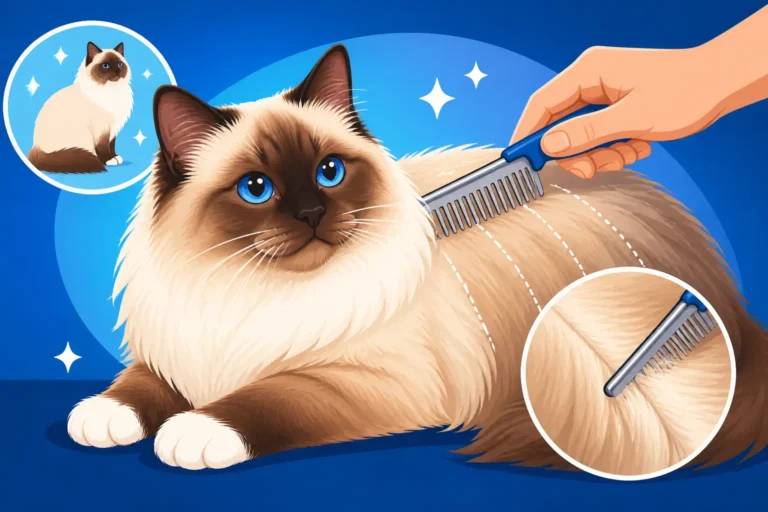
- Frequent Combing: A Birman's single, silky coat is less prone to mats than some other longhairs, but regular combing is still vital. Aim for Combing a Birman Three Times a Week. Focus on the areas most affected by litter: their britches, belly, and especially their paws. A good metal comb with both wide and fine teeth is perfect for their silky texture. Which Comb Gets Through a Birman's Ruff Without Pulling is important to avoid discomfort for your cat.
- Trimming Paw Fur: This is a game-changer. Those adorable tufts of fur between their paw pads are superb at collecting litter. Carefully trim the fur even with their paw pads. You can use blunt-nosed scissors or a small electric trimmer designed for pets. If you're nervous about doing it yourself, your vet or a professional groomer can easily do this for you. This simple step dramatically reduces the surface area available for litter to cling to. Regular checks are key; How Often to Check Between a Birman's Toes should be part of your routine.
- Rear-End Hygiene: Sometimes, the fur around their rear can get soiled, creating a sticky situation that picks up more litter. Keeping this area neatly trimmed can prevent both tracking and hygiene issues.
Experimenting with Litter
Don't be afraid to try different litter brands and types. What works for one cat might not work for another, and what works for a shorthair certainly won't always work for a Birman. As mentioned before, litters with larger, heavier granules tend to track less.
- Look for Low-Dust Formulas: Reducing dust in the litter box will prevent it from coating your Birman's fur and acting as an adhesive for more granules.
- Consider Alternative Materials: Explore options like wood pellets, paper-based litters, or even certain corn or wheat-based formulas that have a larger granule size. You can often find trial sizes or smaller bags from retailers like Chewy or your local independent pet supply store, making it easier to experiment without a huge commitment.
- Consistency is Key: Once you find a litter that works, try to stick with it. Cats thrive on routine, and sudden changes can cause stress or lead to them rejecting the box. For specific recommendations, check out Which Litter Suits a White Gloved Cat for more detailed insights.
Keeping the Area Clean
Even with the best strategies, some litter will inevitably escape the box. Establishing a consistent cleaning routine will prevent the problem from spiraling out of control.
- Daily Sweeping/Vacuuming: Make it a habit to quickly sweep or vacuum the area around the litter box once or twice a day. This catches stray granules before they get tracked further into your home. A small, handheld vacuum can be incredibly convenient for this.
- Dedicated Mats: Beyond the litter mat, consider placing a small, washable rug or mat at the entrance to the room where the litter box is located. This creates another barrier to capture stray bits.
- Regular Litter Changes: Beyond scooping, aim to completely empty, clean, and refill the litter box with fresh litter regularly. This prevents odors and also ensures the litter itself isn't breaking down into smaller, more trackable particles. How Often to Change Litter for a White Footed Cat is a good question to consider for maintaining overall cleanliness and preventing stains on those beautiful white feet.
By understanding the unique properties of your Birman's coat, choosing your litter wisely, and being proactive with grooming and cleaning, you can significantly reduce the amount of litter tracking in your home. It takes a little effort, but seeing your elegant Birman, pristine and unburdened by stray granules, makes it all worthwhile.
Disclaimer
This article is for general informational purposes only and does not constitute professional advice. Laws, prices and regulations vary by location and change over time. Consult a qualified professional for guidance on your specific situation.