How a Birman Carrier Is Identified
It's heartbreaking to think that the very genes that make our beloved Birman cats so unique and beautiful could also carry the silent potential for serious health issues. For responsible breeders and concerned pet parents alike, understanding genetic carrier status isn't just about science; it's about safeguarding the future health and happiness of these gentle companions. This guide will walk you through precisely how a Birman carrier for genetic diseases is identified, helping you navigate the complexities of feline genetics with confidence.
Understanding Genetic Carrier Status in Birmans
When we talk about a "carrier" in genetics, it's easy to picture something complex, but at its heart, it refers to an animal that carries a copy of a gene for a particular disease without actually showing symptoms of that disease themselves. Think of it like a hidden blueprint – the cat has the instructions, but doesn't build the structure.
What Are Dominant Versus Recessive Conditions?
Genetic conditions can manifest in different ways, broadly categorized as dominant or recessive. A dominant condition means that if a cat inherits just one copy of the faulty gene, they will likely develop the disease. Huntington's disease in humans is a grim example; inheriting one copy is enough. In these cases, carriers aren't usually a concern because the carrier is affected.
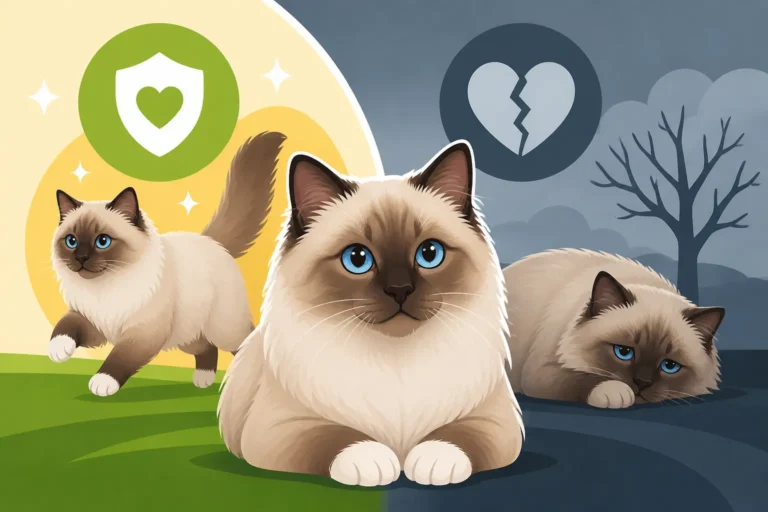
Recessive conditions, however, are far trickier and are what we usually mean when we talk about carriers. For a recessive disease to show up, a cat needs to inherit two copies of the faulty gene – one from each parent. If they only inherit one faulty copy and one normal copy, they become a carrier. They're healthy themselves because the single good copy of the gene does its job, masking the faulty one. It’s a silent role, but a crucial one in breeding.
Why Recessive Conditions are Tricky for Breeders
This silent nature is precisely why recessive conditions pose such a challenge for breeders. A Birman cat could be a carrier for a serious genetic disease, appear perfectly healthy, live a full, wonderful life, and even win accolades in the show ring. Without specific testing, a breeder would have no idea they are passing on a potentially problematic gene.
The real heartbreak occurs when two seemingly healthy carriers are mated. In this scenario, there's a 25% chance with each kitten that it will inherit two copies of the faulty gene, thus being "affected" and developing the disease. There's a 50% chance the kitten will also be a carrier, just like its parents, and a 25% chance it will be completely clear. This unpredictability means that even with the best intentions, unsuspecting breeders can inadvertently produce kittens with devastating health problems. This is why thorough testing is not just good practice, but an ethical imperative.
The Specifics of FOXN1 in Birmans
When discussing genetic conditions in Birmans, one that often comes to mind is Hypotrichosis with Thymic Aplasia, more commonly referred to by its genetic marker, FOXN1. This is a classic example of a recessive condition where identifying carriers is paramount.
What is FOXN1 and Its Impact?
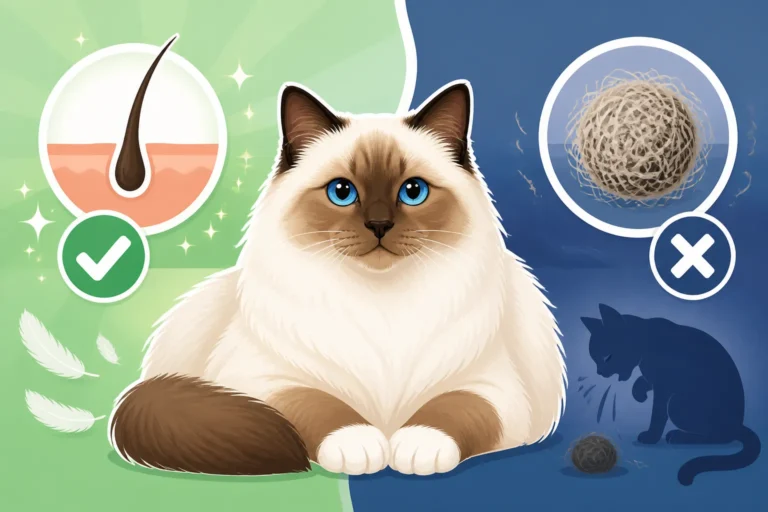
FOXN1 is a gene mutation unique to the Birman breed. When a kitten inherits two copies of this mutated gene, it results in a severe, often fatal, condition. The primary symptoms include hypotrichosis, meaning sparse or absent hair coat – these kittens are often born bald or with very thin, greasy fur. But the cosmetic issue is the least of their worries. Far more critical is the thymic aplasia, which means their thymus gland (a vital organ for immune system development) is underdeveloped or completely missing.
This compromised immune system leaves affected kittens incredibly vulnerable to infections. They simply cannot fight off the common pathogens that a healthy kitten would shrug off. The impact is profound and devastating, as these kittens suffer from recurrent infections and are often unable to thrive. You can learn more about FOXN1 Is the Birman's Own Genetic Disease to understand its full scope.
How It Affects Kittens Born from Two Carriers
Imagine two beautiful Birman cats, both perfectly healthy, both adored. They’ve been chosen for their excellent pedigrees and charming temperaments. Unbeknownst to their owner, both carry one copy of the FOXN1 mutation. When these two carriers are bred, the genetic lottery begins.
Each kitten in the litter has a 25% chance of being affected. These affected kittens will be born bald or with very sparse hair, and critically, will have a severely impaired immune system. They will fall ill quickly and, sadly, most will not survive past eight months, often requiring euthanasia much earlier due to their inability to fight off illness. This truly highlights Why a Birman Kitten Born Bald Will Not Reach Eight Months. Another 50% of the litter will be carriers like their parents, showing no symptoms but able to pass the gene on, and 25% will be completely clear, having inherited two normal copies of the gene. Understanding What an Affected Birman Kitten Looks Like at Birth is crucial for early detection, though sadly, little can be done for them. This tragic outcome is precisely why identifying carriers before breeding is so critical.
The Science Behind Genetic Testing for Carrier Identification
Thankfully, we live in an age where scientific advancements allow us to peek into a cat's genetic makeup and identify these hidden carrier statuses. It's no longer a guessing game, but a precise diagnostic tool that has revolutionized responsible breeding.
The Role of DNA Testing
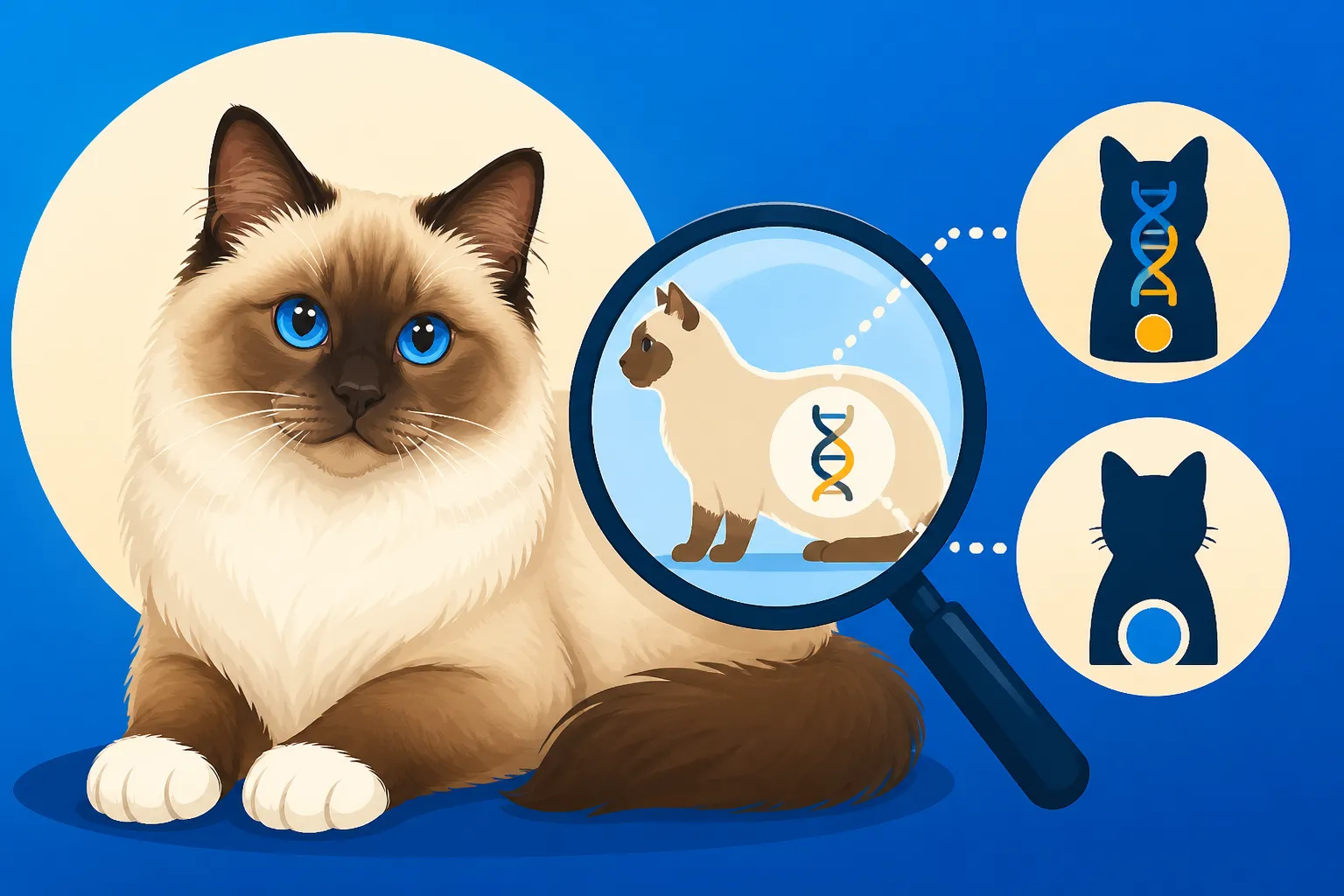
DNA testing is the cornerstone of identifying carriers. It involves taking a small biological sample from the cat and analyzing its genetic material (DNA) for specific mutations known to cause disease. For conditions like FOXN1 in Birmans, a simple cheek swab is usually all that’s needed. This non-invasive method collects cells from inside the cat's mouth, which contain their unique genetic blueprint.
These samples are then sent to specialized veterinary genetic laboratories where technicians use sophisticated molecular techniques to isolate the DNA and look for the specific genetic marker associated with the disease. It's a highly accurate process, providing definitive answers about a cat's genetic status. The ease of collection, such as a Why a Cheek Swab Clears a Birman for FOXN1, makes it a practical tool for breeders.
Interpreting Test Results: Clear, Carrier, Affected
Once the lab completes its analysis, you'll receive a report detailing your Birman's genetic status for the tested condition. There are typically three possible outcomes:
- Clear/Normal: This means your Birman has two normal copies of the gene and does not carry the mutation. They cannot develop the disease, nor can they pass it on to their offspring. This is the ideal status for any breeding animal.
- Carrier (Heterozygous): This indicates your Birman has one normal copy of the gene and one copy of the mutated gene. They are clinically healthy and will not develop the disease themselves. However, they can pass the mutated gene on to approximately 50% of their offspring. This status is the focus of our discussion, as these are the "silent" cats. Understanding How to Read a Birman's Carrier Result is essential for breeders to make informed decisions.
- Affected (Homozygous): This means your Birman has inherited two copies of the mutated gene, one from each parent. They will develop the disease. In the case of severe conditions like FOXN1, affected kittens typically don't survive long, making this a devastating outcome that responsible breeding aims to prevent.
It's crucial for breeders to understand these distinctions completely, as they dictate breeding choices and the ethical responsibilities towards the animals.
Practical Steps for Identifying a Birman Carrier
Identifying a Birman carrier isn't a mystical process; it involves straightforward, practical steps. For anyone involved with breeding or simply wanting to understand their pet's genetic background, these steps are key.
Choosing a Reputable Laboratory
The first and arguably most important step is selecting a reputable veterinary genetic testing laboratory. Not all labs are created equal, and accuracy is paramount when dealing with genetic health. Look for laboratories that are well-established, specialize in feline genetics, and ideally, have accreditation from relevant veterinary or scientific bodies. Many national cat registries or breed clubs will recommend specific laboratories that they trust for genetic testing.
For Birmans, specific labs have specialized panels. For instance, reputable institutions like Langford Vets in the UK or UC Davis Veterinary Genetics Laboratory in the US are often recommended for various feline genetic tests, including FOXN1. You can often find detailed information on Which Lab Runs the Birman FOXN1 Test through your breed club or experienced Birman breeders. Always check their credentials, turn-around times, and ensure they provide clear, comprehensive reports that are easy to understand. Don't hesitate to contact the lab directly with any questions you might have about their testing protocols or sample requirements.
The Testing Process: From Sample Collection to Results
Once you've chosen your lab, the testing process itself is relatively simple:
- Order the Test Kit: Most labs will send you a test kit, which typically includes sterile cheek swabs, instructions, and submission forms.
- Sample Collection: This is usually a straightforward process you can do at home, or your vet can assist. Gently rub the sterile swab firmly against the inside of your Birman's cheek for about 30-60 seconds to collect enough cells. Many kits require multiple swabs per cat to ensure sufficient DNA. It's painless and non-invasive, so even the most placid Birman usually tolerates it well. Ensure the cat hasn't eaten recently to avoid food contamination.
- Submit the Sample: Follow the lab's instructions for packaging and mailing the swabs along with the completed submission forms and payment. Make sure all necessary information, including the cat's registration name and microchip number, is accurately filled out.
- Receive Results: The lab will process the sample, and after a specified turnaround time (which can vary from a few days to several weeks), you will receive the results, usually by email or through an online portal. These results will clearly state whether your Birman is "Clear," "Carrier," or "Affected" for the specific gene tested.
It's a methodical process, but one that offers incredible peace of mind and allows for truly responsible breeding decisions.
Managing Carrier Birmans Responsibly
Discovering your Birman is a carrier for a genetic condition like FOXN1 is not a death sentence for their breeding career, nor does it mean they are unhealthy. It simply means you now have vital information that empowers you to make responsible, informed decisions.
Breeding Considerations for Carriers
The most critical rule when dealing with a carrier Birman is simple: Why Two Birman Carriers Should Never Be Mated. This pairing carries a 25% risk of producing affected kittens, a risk no responsible breeder should take. However, a carrier cat can still be ethically bred, but only when carefully paired with a cat that is genetically clear for the same condition.
When a carrier is bred to a clear cat, statistically, 50% of the kittens will be clear, and 50% will be carriers themselves. Crucially, none of the kittens will be affected. This strategy allows breeders to continue using valuable genetic lines that might carry desirable traits, without compromising the health of the kittens. It ensures the disease itself is not produced, while still slowly working to reduce the carrier rate in the breed over generations. This practice aligns with the advice that Why a Birman Carrier Can Still Be Bred Carefully and highlights the importance of genetic diversity, preventing the narrowing of gene pools by removing all carriers from breeding.
The Importance of Transparency in Breeding Programs
Transparency is the cornerstone of ethical breeding. When a Birman is identified as a carrier, this information should be openly disclosed to potential kitten buyers, especially if those kittens might also be carriers. While a carrier pet kitten will never develop the disease, they could pass the gene on if they were ever irresponsibly bred. For this reason, most reputable breeders will place carrier kittens on strict spay/neuter contracts to ensure they live purely as cherished pets.
Furthermore, all genetic test results for breeding cats should be readily available and verifiable. Reputable breeders often provide copies of genetic health certificates to prospective buyers and register results with their breed clubs or registries. This level of honesty builds trust and demonstrates a genuine commitment to the breed's health. It also ensures that potential buyers understand the genetic background of their kitten. Knowing Which Results a Birman Breeder Must Put in Writing is vital for ensuring accountability and maintaining the integrity of the breed.
Beyond FOXN1: Other Genetic Concerns and Screening
While FOXN1 is a key consideration for Birman breeders, it's important to remember that comprehensive health screening extends beyond a single genetic test. The health of our Birmans is a multi-faceted endeavor, requiring vigilance across several potential inherited conditions.
PKD and Its Testing
Polycystic Kidney Disease (PKD) is another genetic condition that has historically been a concern in many cat breeds, including Birmans, largely due to outcrossing with Persians in their history. Unlike FOXN1, which causes problems from birth, PKD is a progressive disease where cysts form in the kidneys and gradually enlarge, leading to kidney failure later in life.
Fortunately, there is a DNA test available for PKD1, the most common form of PKD. This test can definitively identify clear, carrier, and affected cats. Similar to FOXN1, a carrier cat (one copy of the PKD gene) will not develop the disease but can pass it on. An affected cat (two copies) will develop PKD. Responsible Birman breeders now routinely screen for PKD, and thankfully, it has become much rarer to find affected Birmans today due to widespread testing. This highlights Why a Birman Breeder Still Tests for PKD even if the prevalence has decreased.
HCM Screening and Overall Health Monitoring
Hypertrophic Cardiomyopathy (HCM) is the most common heart disease in cats, and while it's not strictly a genetic carrier test in the same way as FOXN1 or PKD (meaning there isn't a simple "carrier" status for a single gene like those conditions), it is absolutely critical for Birmans. HCM causes the muscular walls of the heart to thicken, reducing its efficiency and potentially leading to heart failure or clot formation.
The challenge with HCM is that it's often polygenic, meaning multiple genes or even environmental factors can contribute to its development, and there isn't one single DNA test to definitively clear a cat. Instead, the primary screening tool is a cardiac ultrasound (echocardiogram) performed by a board-certified veterinary cardiologist. It's a non-invasive procedure that allows the cardiologist to measure heart wall thickness and assess heart function. This makes it clear that HCM in a Birman Has No DNA Test, Only an Echo.
Regular screening for breeding Birmans is vital, often annually, as the disease can develop over time. This ongoing monitoring, combined with genetic testing for conditions like FOXN1 and PKD, forms a comprehensive health program. Owners should also consider pet insurance plans, like those offered by Healthy Paws, which can provide financial support for unexpected veterinary costs, especially for ongoing health monitoring or in case a cat, despite best efforts, develops a condition like HCM. The peace of mind from knowing you have support for future health challenges is invaluable.
By addressing genetic conditions through specific DNA tests and implementing robust screening for other inherited diseases like HCM, Birman breeders are doing their utmost to ensure that the next generation of these beautiful cats is as healthy and long-lived as possible. It’s an ongoing commitment to the welfare of the breed.
Genetic Status and Breeding Pairings
Let's summarize the key genetic statuses for recessive conditions like FOXN1 and PKD and how they influence breeding decisions.
| Parent 1 Status | Parent 2 Status | Offspring Probabilities (Clear:Carrier:Affected) | Breeding Recommendation |
|---|---|---|---|
| Clear | Clear | 100% Clear | Ideal pairing |
| Clear | Carrier | 50% Clear, 50% Carrier | Ethical pairing |
| Clear | Affected | 100% Carrier | Generally avoided |
| Carrier | Carrier | 25% Clear, 50% Carrier, 25% Affected | NEVER recommended |
| Carrier | Affected | 50% Carrier, 50% Affected | NEVER recommended |
| Affected | Affected | 100% Affected | NEVER recommended |
This table clearly illustrates why identifying carrier status is so crucial. A "Carrier x Carrier" breeding is always a gamble with severe consequences for the affected kittens. By sticking to "Clear x Clear" or "Clear x Carrier" pairings, breeders can ensure no affected kittens are born. This proactive approach significantly improves the overall health and wellbeing of the Birman breed. Remember, even with the best planning, unforeseen issues can arise, so having a robust pet insurance plan, such as one from Healthy Paws, can be an excellent safety net for your Birman's health journey.
Disclaimer
This article is for general informational purposes only and does not constitute professional advice. Laws, prices and regulations vary by location and change over time. Consult a qualified professional for guidance on your specific situation.