How a Vet Confirms a Birman’s Thymic Aplasia
The heartbreak of bringing a new kitten home, only to watch them struggle with mysterious ailments, is something no pet parent ever wants to endure. When a Birman kitten fails to thrive, showing signs of severe illness and an inability to fight off even common infections, the suspicion often falls on something far more serious than a simple sniffle. This guide will walk you through the precise steps a veterinarian takes to confirm a diagnosis of thymic aplasia in a Birman kitten, shedding light on this devastating genetic condition and the critical role accurate testing plays.
Understanding Thymic Aplasia and its Link to Birman Hypotrichosis
When we talk about thymic aplasia in Birman cats, we're really diving into a complex genetic issue that affects more than just a kitten's beautiful coat. It's a condition with profound implications for their entire immune system.
What is Thymic Aplasia?
Imagine your body's immune system as a highly specialized army, constantly on guard against invaders like bacteria, viruses, and fungi. A crucial part of this army, particularly for developing kittens, is the thymus gland. This small, often overlooked organ, nestled in the chest just behind the breastbone, is where T-cells—a specific type of white blood cell vital for cell-mediated immunity—mature and learn to recognize and fight off threats. Without a properly functioning thymus, these T-cells cannot develop, leaving the kitten defenseless.
Thymic aplasia, simply put, means that the thymus gland is either absent or severely underdeveloped. For a kitten, this isn't just a minor defect; it's a catastrophic blow to their ability to survive. Their nascent immune system simply doesn't have the necessary tools to combat the barrage of everyday pathogens, let alone more serious infections. This leads to a profound immunodeficiency, making them incredibly vulnerable from birth. Every sniffle can turn into pneumonia, every tummy ache into a life-threatening bacterial infection. It's a truly heartbreaking situation that requires immediate veterinary attention.
The FOXN1 Connection in Birmans
For Birman cats specifically, thymic aplasia isn't just a random occurrence; it's intricately linked to a specific genetic mutation, making it a breed-specific concern. This condition is known more broadly as Birman Hypotrichosis or, more tellingly, "short life expectancy" because of its grave prognosis. The culprit is a mutation in the FOXN1 gene.
The FOXN1 gene is a real unsung hero in normal development. It plays a critical role in two seemingly unrelated processes: the development of hair follicles and the normal maturation of the thymus gland. When a Birman kitten inherits two copies of the mutated FOXN1 gene—one from each parent—it leads to a cascade of developmental problems. The most visually striking symptom is hypotrichosis, which means a severe lack of hair or even complete baldness. This is why you'll often hear about a Birman kitten born bald. However, the external appearance, as stark as it is, is only the tip of the iceberg. The same genetic flaw that affects hair growth also prevents the thymus from developing properly, leading directly to thymic aplasia.
This is an autosomal recessive condition, meaning a kitten must inherit a copy of the faulty gene from both its mother and its father to be affected. If a kitten only inherits one copy, they are considered a carrier. Carriers are perfectly healthy and show no symptoms themselves, but they can pass the gene on to their offspring. This is a crucial piece of information for breeders, as understanding How a Birman Carrier Is Identified and knowing Why Two Birman Carriers Should Never Be Mated is essential to prevent this devastating condition from appearing in litters. The knowledge about FOXN1 Is the Birman's Own Genetic Disease has empowered responsible breeders to take proactive steps, but awareness among potential owners is equally important.
Initial Signs and Suspicions in a Birman Kitten
Spotting thymic aplasia early can be challenging because some of the initial signs can mimic other kitten ailments. However, specific indicators, especially related to their coat and overall health, should immediately raise a red flag.
Recognizable Symptoms at Birth
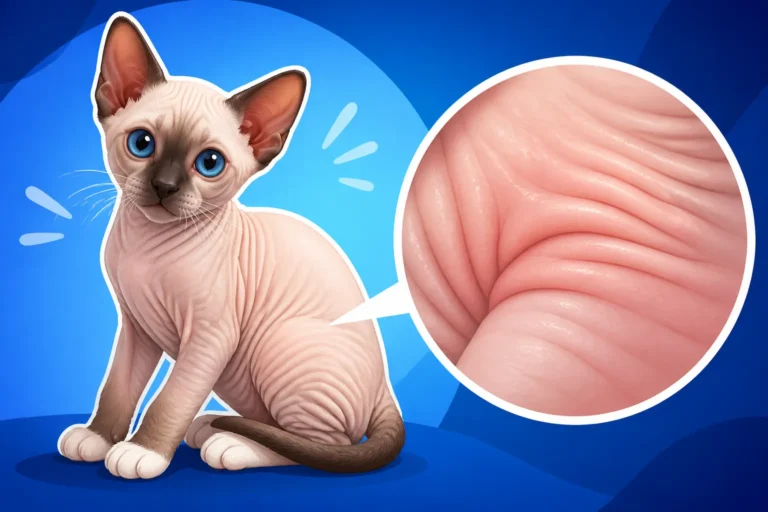
When a Birman kitten is born with thymic aplasia, the signs are often visible almost immediately, though they can sometimes be subtle enough to cause confusion. The most striking symptom, as mentioned, is hypotrichosis. A healthy Birman kitten is usually born with a soft, fine coat, though their points (color on ears, face, paws, and tail) will only begin to develop later. An affected kitten, however, may be born entirely bald or with extremely sparse, fine, and often greasy hair. Their skin might appear abnormal, sometimes thickened or scaly, and they completely lack the luxurious, silky coat that is a hallmark of the breed. These kittens also won't develop the distinctive Birman gloves or points.
Instead of the usual soft fur, the skin might have a peculiar texture, sometimes described as "velvety" or "greasy." The absence of a normal coat not only makes them look different but also leaves them highly vulnerable to temperature fluctuations, making it difficult for them to regulate their body heat. Imagine a tiny creature without its natural insulation; they struggle to stay warm, which only adds to their list of challenges. This visual difference is usually the first indicator that something is profoundly wrong, setting them apart from their healthy littermates who develop their proper coats and color points as they grow. What an Affected Birman Kitten Looks Like at Birth is a stark contrast to what you'd expect.
Early Health Complications
Beyond the obvious hair loss, the far more severe and life-threatening symptoms arise from the underlying immunodeficiency caused by the absent or underdeveloped thymus. These kittens simply cannot fight off infections. You'll likely see a kitten that is listless, struggling to feed, and not gaining weight at the same rate as its siblings. This "failure to thrive" is a classic sign of a severe underlying health problem.
These tiny fighters are susceptible to virtually every pathogen they encounter. Respiratory infections, often manifesting as sneezing, coughing, and difficulty breathing, can quickly become pneumonia, a common cause of death. Digestive issues are also prevalent, including chronic diarrhea that can lead to rapid dehydration and nutrient malabsorption. Their eyes and ears might show signs of persistent infections, resisting standard treatments. Basically, Why a Bald Birman Kitten Catches Every Infection boils down to their complete lack of T-cells, which are crucial for adaptive immunity.
The constant battle against infections drains their energy and vitality. While healthy kittens are typically playful and curious, those with thymic aplasia are often withdrawn, lethargic, and simply too weak to engage. The prognosis is grim, with most affected kittens succumbing to overwhelming infections within their first few weeks or months of life. It’s a tragic reality, and it underscores Why a Missing Thymus Leaves a Birman Defenseless against the world. Owners and breeders often face the incredibly difficult decision of euthanasia to prevent prolonged suffering, as Why an Affected Birman Kitten Is Usually Put to Sleep stems from the profound and untreatable nature of their condition.
Diagnostic Steps: From Physical Exam to Genetic Testing
When a vet encounters a Birman kitten with suspicious symptoms, a systematic approach is crucial to confirm a diagnosis of thymic aplasia. This process combines careful observation, physical examination, and, most definitively, genetic testing.
The Initial Veterinary Examination
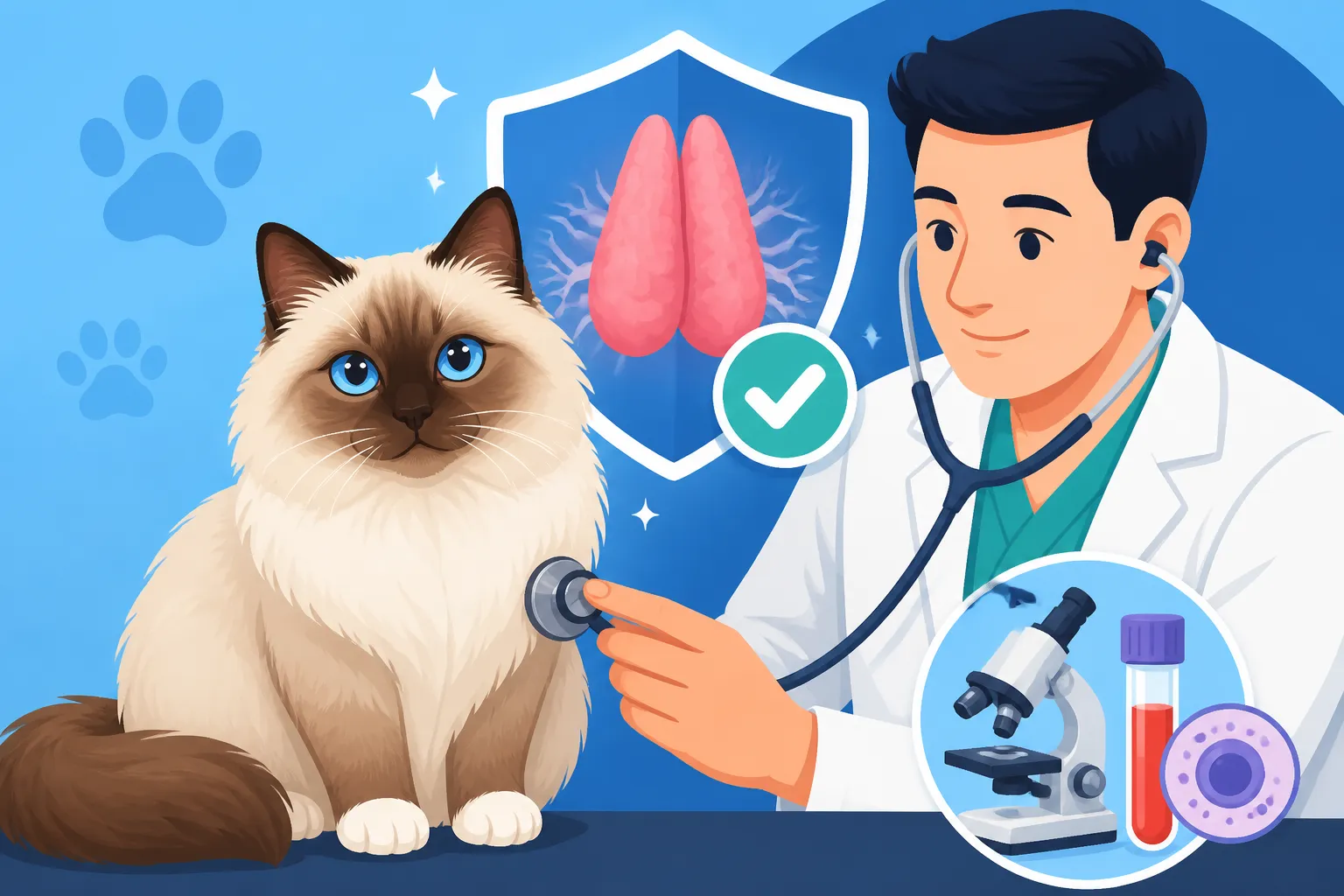
The first step for any concerned owner or breeder is an immediate visit to the veterinarian. During the initial examination, the vet will conduct a thorough physical assessment. They will pay close attention to the kitten's general condition: its weight, alertness, hydration status, and overall body condition. Given the visual cues, they'll meticulously examine the coat, noting the degree of hypotrichosis, any greasy texture, or skin abnormalities. This is often the first visual clue that directs the investigation toward a genetic condition.
Beyond external appearance, the vet will perform standard checks: listening to the heart and lungs for any murmurs or signs of respiratory distress, checking the eyes and ears for signs of infection, and palpating the abdomen. Critically, for thymic aplasia, a vet might attempt to palpate the region where the thymus should be located. However, due to its small size in a kitten and its location, it's often difficult to definitively confirm its absence or underdevelopment through palpation alone. Blood work might be drawn to check for signs of infection (elevated white blood cell count) or to assess organ function, although these results might not be specific enough for a definitive diagnosis of thymic aplasia itself. The combination of distinctive physical signs and a history of recurrent infections, despite aggressive treatment, will raise strong suspicions, prompting the next, more conclusive diagnostic step.
Genetic Testing for FOXN1
For Birman cats, the gold standard for diagnosing thymic aplasia linked to hypotrichosis is genetic testing for the FOXN1 mutation. This test is incredibly reliable because it directly identifies the presence of the problematic gene. Unlike many medical tests that measure symptoms or effects, genetic testing gets right to the root cause.
The process for genetic testing is surprisingly simple and non-invasive. It typically involves a buccal swab, which is just a fancy way of saying a cheek swab. The vet (or sometimes the breeder, with proper guidance) will gently rub a specialized swab along the inside of the kitten’s cheek to collect epithelial cells. These cells contain the kitten's DNA, which is then sent to a specialized veterinary genetic testing laboratory. Several reputable labs offer this service, and it's worth knowing Which Lab Runs the Birman FOXN1 Test to ensure accuracy and reliability. Common choices include UC Davis Veterinary Genetics Laboratory in the United States or Langford Vets in the UK, among others.
The lab analyzes the DNA sample to detect the specific FOXN1 gene mutation. The results will categorize the kitten as "clear" (no copies of the mutation), "carrier" (one copy of the mutation, meaning they won't be affected but can pass it on), or "affected" (two copies of the mutation, confirming the presence of the disease). This direct genetic evidence is invaluable, offering a clear answer to a potentially devastating problem. It also highlights the importance of testing breeding cats to prevent the occurrence of this disease, helping to reduce cases where What Testing a Birman for FOXN1 and PKD1 Together Costs becomes a critical consideration for responsible breeders.
Imaging and Further Confirmation
While genetic testing is definitive for the FOXN1 mutation, other diagnostic tools like imaging can sometimes provide supportive evidence or help rule out other conditions. However, their role in confirming thymic aplasia itself is often secondary to genetic testing.
An ultrasound might be attempted to visualize the thymus gland in the chest. In a healthy kitten, the thymus is usually visible as a distinct, bilobed organ. In cases of aplasia, the gland would be absent or markedly reduced in size. However, imaging small, soft tissues in a tiny, wriggly kitten can be challenging, and interpreting the images requires a skilled ultrasonographer. X-rays are generally less useful for visualizing soft tissue organs like the thymus, but they can help identify secondary complications like pneumonia, which is common in immunodeficient kittens.
In the most severe and rare instances, especially if a kitten tragically passes away, a post-mortem examination (necropsy) can provide definitive histological confirmation of thymic aplasia. During a necropsy, a veterinary pathologist can dissect the kitten and confirm the absence or severe underdevelopment of the thymus gland, along with assessing other organs for signs of infection or disease. However, for a living kitten, the goal is always to achieve the least invasive yet most accurate diagnosis, which is why genetic testing remains the primary and most practical method for confirming the FOXN1-linked thymic aplasia in Birmans.
Interpreting Test Results and Confirming the Diagnosis
Once the samples are sent to the lab, the wait for results can be agonizing. But understanding what those results mean is critical for moving forward.
Understanding Genetic Test Results
When you receive the genetic test results for your Birman, they will typically fall into one of three categories:
- Clear (N/N or Homozygous Normal): This means the kitten does not carry the FOXN1 mutation and cannot develop thymic aplasia due to this specific gene. It also means they cannot pass the mutation on to any offspring. This is the ideal result for any breeding animal.
- Carrier (N/M or Heterozygous): This indicates the kitten has one copy of the FOXN1 mutation and one normal copy. Critically, carrier kittens are clinically healthy and will not develop thymic aplasia or hypotrichosis themselves. However, they can pass the mutated gene to their offspring. This is important information for breeders to prevent affected litters.
- Affected (M/M or Homozygous Mutated): This is the devastating result. It means the kitten has inherited two copies of the FOXN1 mutation, one from each parent. A kitten with this result will develop the full spectrum of the disease, including hypotrichosis (hairlessness) and thymic aplasia (immunodeficiency). This confirms the diagnosis. How the FOXN1 Deletion Reaches a Birman Litter highlights the crucial role of carrier parents, and Why Only Two Copies Cause the Birman Disease is precisely why responsible breeding practices are so important.
For a Birman kitten showing the clinical signs of hypotrichosis and recurrent infections, an "Affected" genetic test result provides unequivocal confirmation of thymic aplasia due to the FOXN1 mutation. There's no ambiguity, no guesswork; the DNA evidence is clear.
Clinical Confirmation and Differential Diagnosis
While genetic testing offers a definitive "yes" or "no" for the FOXN1 mutation, a good veterinarian will always correlate these results with the kitten's clinical signs. This combination is what truly confirms the diagnosis. If a kitten presents with hypotrichosis (sparse or absent hair) and a history of being sickly, combined with an "Affected" genetic test result, the diagnosis of thymic aplasia is rock solid. The physical presentation aligns perfectly with the genetic predisposition.
It's also important to briefly consider differential diagnoses during the initial stages. Other conditions can cause hair loss or failure to thrive in kittens, such as:
- Parasites: Severe flea infestations, mites (like Demodex), or ringworm can cause hair loss and skin irritation. These are usually treatable and don't involve systemic immunodeficiency.
- Nutritional deficiencies: Severe malnutrition can lead to poor coat quality and a weakened immune system, but typically doesn't result in complete baldness.
- Other genetic skin conditions: While rare, other genetic predispositions might lead to hair abnormalities.
- Viral infections: Certain viral infections, like Feline Panleukopenia or Feline Immunodeficiency Virus (FIV) in older cats, can cause severe illness and immunodeficiency, but they don't typically cause congenital baldness.
However, the specific combination of severe, congenital hypotrichosis and profound immunodeficiency in a Birman kitten, coupled with a positive FOXN1 genetic test, effectively rules out these other possibilities. The genetic test acts as the ultimate tie-breaker, guiding the vet to the correct and heartbreaking conclusion. When dealing with such a severe condition, having clear answers from genetic testing can significantly reduce the emotional and financial burden of trying to diagnose a complex array of symptoms. Even though it's a difficult journey, companies like Healthy Paws can sometimes offer pet insurance plans that help cover diagnostic costs and vet visits, providing a bit of relief during an incredibly stressful time.
Prognosis and Management After Diagnosis
Receiving a confirmed diagnosis of thymic aplasia in a Birman kitten is devastating news, as the prognosis is unfortunately very poor. Understanding the realities of the condition is crucial for both owners and breeders.
The Harsh Reality of the Prognosis
Let's not mince words: the prognosis for a Birman kitten diagnosed with thymic aplasia due to the FOXN1 mutation is extremely grim. These kittens are born without a functioning immune system, specifically lacking the crucial T-cells needed to fight off even the most common environmental pathogens. This means their tiny bodies are constantly battling infections that a healthy kitten would easily overcome.
They struggle with chronic respiratory infections, persistent digestive issues, and overall failure to thrive. Despite the best supportive care—antibiotics, anti-inflammatories, fluids, nutritional support, and scrupulous hygiene—their immune system simply cannot mount an effective defense. It's a relentless uphill battle that the kitten is biologically ill-equipped to win. Sadly, most affected kittens do not survive beyond their first few weeks or months of life. We've seen that Why a Birman Kitten Born Bald Will Not Reach Eight Months isn't an exaggeration; it's a stark reality because their bodies simply cannot sustain life without a working immune system. The unfortunate truth about How Many Months an Affected Birman Kitten Survives highlights the severity of this condition and the profound impact of this genetic flaw. The vast majority succumb to overwhelming infections, often before they even reach kittenhood proper.
Supportive Care and Ethical Considerations
Given the dire prognosis, the focus of care shifts from cure to comfort. There is currently no cure or effective treatment for thymic aplasia. Supportive care aims to alleviate symptoms and manage secondary infections, but it cannot fix the fundamental immune deficiency. This might involve:
- Aggressive Antibiotics: To combat bacterial infections that continuously plague the kitten.
- Antifungal Medications: If fungal infections develop.
- Fluid Therapy: To prevent dehydration, especially with persistent diarrhea.
- Nutritional Support: Often requiring syringe-feeding or special high-calorie diets, as affected kittens struggle to eat and gain weight.
- Warmth and Isolation: Keeping them in a warm, sterile environment to minimize exposure to pathogens.
This level of intensive care is emotionally exhausting and financially draining. Owners face an incredibly difficult ethical dilemma: continuing heroic efforts for a kitten with no hope of long-term survival, or making the humane decision to provide a peaceful end to suffering. This is where compassionate veterinary guidance becomes paramount. The discussion about Why an Affected Birman Kitten Is Usually Put to Sleep is a heart-wrenching one, but often the kindest choice to prevent prolonged pain and suffering from endless infections. It's important for owners to know that in such difficult circumstances, pet insurance providers like Healthy Paws can sometimes assist with the financial aspects of diagnosis, palliative care, or even end-of-life decisions, allowing families to focus on their pet's comfort without added monetary stress.
Preventing Future Cases
The silver lining in the grim reality of thymic aplasia is that it is a preventable genetic disease. Because we understand its autosomal recessive inheritance pattern and have access to reliable genetic testing, responsible breeders can eradicate this condition from their lines.
The cornerstone of prevention is mandatory genetic testing for all breeding Birman cats. Every breeding pair must be screened for the FOXN1 gene.
- Clear x Clear: All offspring will be clear (N/N).
- Clear x Carrier: 50% of offspring will be clear, 50% will be carriers. No affected kittens will be produced.
- Carrier x Carrier: This is the problematic pairing. 25% of offspring will be clear, 50% will be carriers, and 25% will be affected (M/M).
Therefore, the golden rule for responsible Birman breeding is: Never mate two carriers together. Breeders should strive to only breed "clear" cats, or if using a "carrier" for desirable traits, they must ensure the mate is "clear." This responsible approach ensures that no affected kittens are born. It's a testament to genetic science that such a devastating disease can be systematically eliminated from a breed. Breeders have a responsibility to know Which Results a Birman Breeder Must Put in Writing and to share these results transparently with prospective kitten owners, demonstrating their commitment to the health and longevity of the breed. This practice is essential for the ethical breeding of any Birman, and especially for a Birman stud that should be cleared before use.
Comparison of Birman Kitten Health Indicators
| Feature | Healthy Birman Kitten | Birman Kitten with Thymic Aplasia (FOXN1 Affected) |
|---|---|---|
| Coat Appearance | Soft, fine coat; points develop over time. | Bald or very sparse, fine, greasy hair; no points. |
| Skin Condition | Smooth, healthy | Often thickened, scaly, or abnormal texture. |
| Immune Response | Robust, able to fight off common infections. | Profoundly immunodeficient, defenseless against infections. |
| Growth & Development | Thrives, gains weight steadily, active, playful. | Fails to thrive, poor weight gain, lethargic, withdrawn. |
| Common Ailments | Minor, easily treatable infections (e.g., mild URI). | Severe, recurrent, untreatable infections (pneumonia, chronic diarrhea). |
| Thymus Gland | Present and functional | Absent or severely underdeveloped |
| Genetic Test (FOXN1) | Clear (N/N) or Carrier (N/M) | Affected (M/M) |
| Life Expectancy | Typically 12-16 years | Rarely survives past a few months |
Disclaimer
The information provided in this article is for educational and informational purposes only and does not constitute veterinary advice. Always consult with a qualified veterinarian for any health concerns or before making any decisions about your pet's health or treatment.