How a Corneal Dermoid Shows in a Birman
It can be incredibly disheartening, even a little scary, to notice something unusual on your beloved Birman's eye. Those striking blue eyes are such a hallmark of the breed, and any visible abnormality can quickly cause worry, especially when you're unsure if it's painful or serious. This comprehensive guide will walk you through exactly what a corneal dermoid is in a Birman, how to spot the signs, what to expect during diagnosis, and the treatment options available to ensure your feline friend's continued comfort and clarity of vision.
Understanding What a Corneal Dermoid Is in Birmans
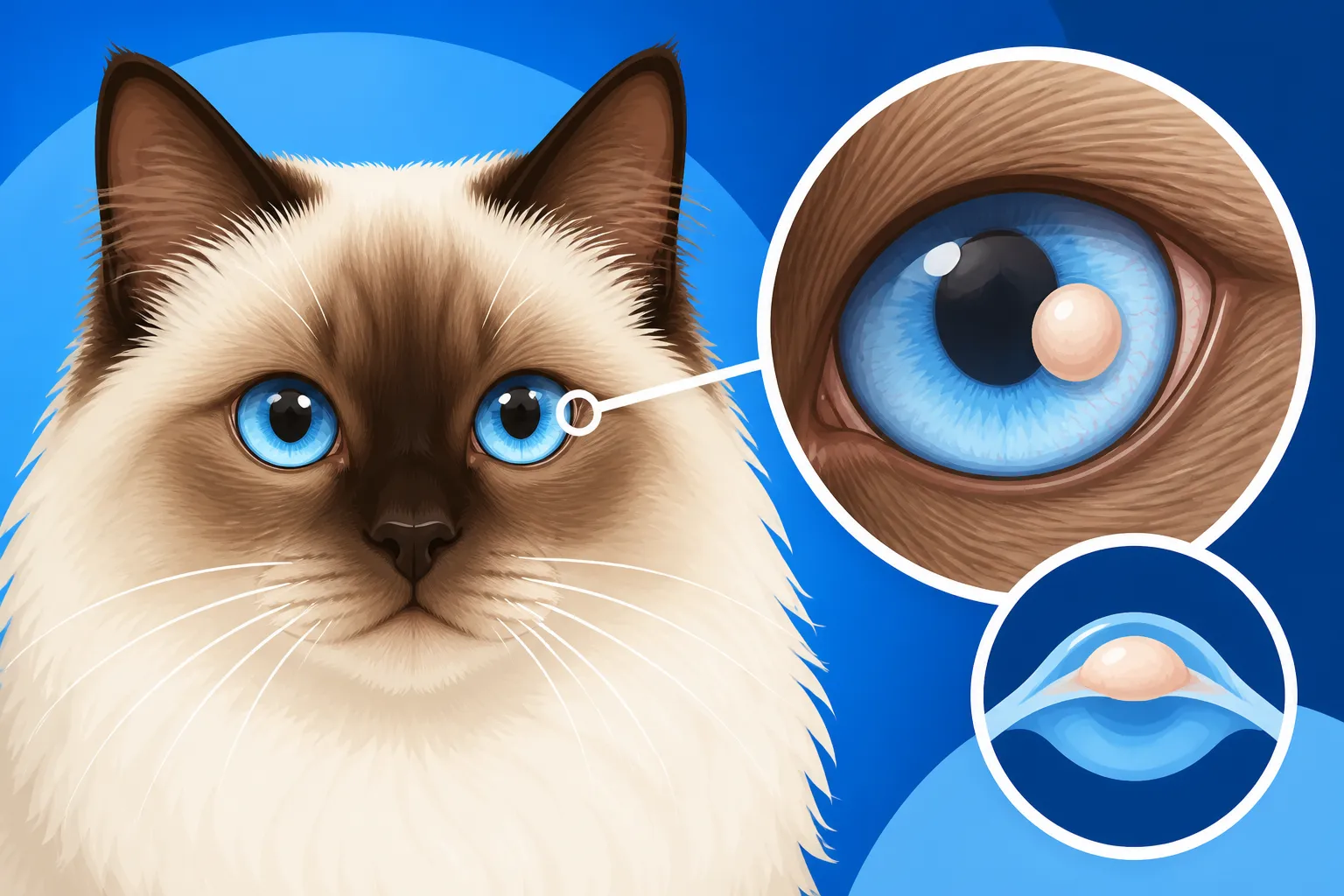
When we talk about a corneal dermoid, it's essentially a bit of misplaced skin tissue that develops on the surface of the eye, typically on the cornea or conjunctiva. Think of it like a birthmark, but instead of just a discoloration, it's actual skin, complete with hair follicles, sweat glands, and sometimes even fat. It’s not something that develops later in life due to injury or infection; it’s a congenital condition, meaning a Birman kitten is born with it, even if it's not immediately obvious.
What Exactly is a Dermoid?
A dermoid isn't a tumor in the cancerous sense, which is a common initial fear for many pet parents. It’s a benign growth, a developmental anomaly where tissue that should normally be found elsewhere on the body, like skin, ends up growing on the eye. For Birmans, these can range from a tiny, almost imperceptible speck of white fur on the cornea to a more substantial patch of skin and hair. Imagine a tiny tuft of fur growing right where the clear part of your cat’s eye should be—that's often what it looks like. This misplaced tissue can irritate the eye, much like an eyelash constantly rubbing against the surface, leading to discomfort and potential complications if left unaddressed. It's crucial to remember that while it looks unusual, it's usually not life-threatening, but it definitely needs veterinary attention to assess its impact and decide on the best course of action.
Why Birmans Can Be Prone to These Growths
While dermoids can occur in any cat breed, some breeds, including Birmans, do show a higher predisposition. This often ties back to their unique genetic makeup and the specific breeding history of the breed. The genetic lines that give Birmans their stunning appearance, like their deep blue eyes and pointed coats, can sometimes carry other traits or predispositions. With Birmans, the specific genetic pathways that influence eye development might, in rare cases, also predispose them to these benign growths. It's a bit like how certain breeds are more prone to specific joint issues; it’s part of the package that comes with the breed's lineage. It's why a good breeder will be vigilant about the health of their lines and disclose any known occurrences. The breed's relatively narrow gene pool, particularly after events like the post-war reconstruction where How the Birman Came Out of the War With Two Cats Left, can sometimes concentrate such predispositions, even for rare conditions like dermoids.
The Genetic Link and Breed Predisposition
The exact genetic mechanism for corneal dermoids in Birmans isn't always straightforward or fully understood, but it's widely accepted to have a hereditary component. This means that if a parent cat has had a dermoid, or if there's a history of them in a particular line, the offspring might be at a higher risk. Responsible breeders strive to identify and avoid breeding cats that produce offspring with such conditions. This is part of the extensive health screening that goes beyond just the more common issues like HCM or PKD. It underscores why transparency in breeding is so vital, and why breeders often publish health information for their lines, similar to Why a Birman Breeder Publishes Echo Results for heart health. While the focus is often on major health concerns, even seemingly minor congenital issues like dermoids can impact a cat's quality of life and should be part of a breeder's considerations. If you're looking at a kitten, asking about any history of eye abnormalities in the parents or previous litters is a perfectly reasonable question.
Recognizing the Signs and Symptoms
Spotting a corneal dermoid on your Birman might be a gradual process, especially if it’s small. Birmans are known for their placid and tolerant nature, which can sometimes make it challenging to pick up on subtle signs of discomfort. As any experienced Birman owner knows, Why a Birman Hides Illness Behind a Placid Temperament, so you need to be particularly observant of their eyes and general behavior.
Visual Cues: What to Look For on Your Birman's Eye
The most obvious sign of a corneal dermoid is the presence of abnormal tissue on the eye itself. This usually manifests as:
- A tuft of hair or skin: This is the classic presentation—a small, often white or lightly colored patch of hair growing directly from the surface of the cornea (the clear front part of the eye) or the conjunctiva (the pink membrane lining the eyelids). It might look like a tiny eyelash sticking out from an odd place, or a small patch of fur.
- Cloudiness or opacity: The area around the dermoid might appear cloudy or dull, distinct from the normal clear surface of the eye. This cloudiness can sometimes be due to the dermoid itself or secondary irritation.
- Redness or inflammation: The conjunctiva, the pink membrane, might become red and inflamed from chronic irritation caused by the dermoid rubbing against it. You might see more visible blood vessels in the white part of the eye.
- Excessive tearing or discharge: Your Birman might produce more tears than usual, leading to wetness around the eye. This can sometimes be accompanied by a clear, watery discharge, or if secondary infection occurs, a thicker, colored discharge.
- Squinting or holding the eye partially closed: This is a clear indicator of discomfort or pain. If your Birman is trying to minimize the irritation by squinting, it’s a sign that something is definitely bothering them.
These visual cues can be subtle at first, so it's important to pay close attention during your regular grooming sessions. Those times spent combing their silky coat are also prime opportunities to check their eyes closely.
Behavioral Changes That Signal Eye Discomfort
Beyond the physical appearance of the eye, your Birman might exhibit changes in behavior that signal something is amiss. Their gentle nature often means they won't make a huge fuss, but consistent observation can reveal issues:
- Rubbing or pawing at the eye: If your Birman is repeatedly rubbing their face against furniture, carpets, or using their paw to try and rub the affected eye, this is a strong sign of irritation.
- Increased blinking: Frequent blinking, beyond what's normal, suggests discomfort.
- Reluctance to play or engage: A cat experiencing eye pain might become more withdrawn or less interested in their usual playtime. You might notice them sleeping more or finding quiet, dark spots to rest.
- Changes in appetite: While not directly related to the eye, any significant discomfort or pain can sometimes lead to a decrease in appetite. A Birman that is usually eager for its meals but suddenly picks at its food might be signaling a problem.
- Light sensitivity (photophobia): Your Birman might avoid bright areas, preferring dimmer rooms, or squint more intensely in well-lit environments. This is a common response to eye irritation or pain.
It's vital to remember that these behavioral changes, especially in a placid breed like a Birman, often mean the discomfort has reached a significant level. Any persistent changes warrant a prompt visit to your veterinarian. After all, How Often a Birman With Clear Papers Still Needs a Vet—regular check-ups are key to catching these things early.
How Dermoids Impact a Birman's Vision and Quality of Life
The impact of a corneal dermoid on a Birman's vision and overall quality of life largely depends on its size, location, and the degree of irritation it causes.
- Visual impairment: If the dermoid is located directly on the cornea and is large enough, it can physically block part of your Birman's vision, similar to having a smudge or obstruction on a camera lens. Even a small dermoid can scatter light, leading to blurry vision in that eye. While cats are incredibly adaptable and can often compensate, especially if only one eye is affected, it can still diminish their spatial awareness and ability to track moving objects clearly.
- Chronic irritation and pain: The most significant impact is often the constant irritation. Hair rubbing against the delicate surface of the eye is akin to having a splinter or a piece of grit in your own eye all the time. This chronic irritation can lead to persistent inflammation, discomfort, and even secondary corneal ulcers or infections if the surface is repeatedly damaged.
- Secondary complications: Untreated, long-standing irritation can lead to more serious eye conditions, including scarring of the cornea, which can further impair vision even after the dermoid is removed. In rare cases, severe chronic inflammation can lead to other structural changes within the eye.
- Reduced quality of life: A cat in constant discomfort won't be as happy or engaged. They might retreat, avoid interaction, or lose interest in activities they once enjoyed. Their playful nature, common in many Birmans, could diminish. Ensuring their comfort is paramount to their overall well-being. This is why addressing the dermoid promptly is so important, not just for their vision, but for their mental and physical comfort.
The Veterinary Diagnostic Process
When you suspect your Birman has a corneal dermoid, the first step is always a visit to your trusted veterinarian. They have the tools and expertise to properly examine the eye and differentiate a dermoid from other, sometimes more serious, eye conditions. It's a key part of their routine care, as Why a Birman's Eyes Should Be Checked at Every Visit.
Initial Examination and Ophthalmic Tools
During the initial vet visit, your veterinarian will conduct a thorough eye examination. This isn't just a quick glance; it involves a systematic approach to assess the health of both eyes.
- Visual inspection: The vet will carefully look at your Birman's eyes, often using a bright light source and magnification. They'll be looking for any visible growths, redness, swelling, discharge, or changes in the pupil size or shape. They'll specifically try to identify the dermoid and note its size, location, and whether it has hair growing from it.
- Ophthalmoscope: This handheld instrument allows the vet to look at the internal structures of the eye, including the retina, optic nerve, and lens, to ensure there are no other underlying issues. While a dermoid is on the surface, internal structures can sometimes be affected by chronic irritation.
- Fluorescein stain test: This diagnostic test is crucial for detecting corneal ulcers. A special orange dye is applied to the eye. If there's any abrasion or ulceration on the cornea, the dye will stick to the exposed deeper layers and glow green under a blue light. This helps the vet determine if the dermoid has caused any damage to the corneal surface.
- Schirmer tear test: This test measures tear production to rule out conditions like "dry eye" (keratoconjunctivitis sicca), which can cause similar symptoms of irritation and redness.
- Tonometry: This involves measuring the intraocular pressure (IOP) within the eye. It's an important test to screen for glaucoma, which can also cause eye pain and redness, though it's typically not directly related to a dermoid.
Your vet will take their time, ensuring your Birman is as comfortable as possible during the examination. Their gentle nature often makes them good patients for these types of procedures.
Differentiating Dermoids from Other Eye Conditions
One of the most important aspects of the diagnostic process is ruling out other conditions that might present with similar symptoms. Many eye problems can cause redness, discharge, or squinting, and it takes an experienced vet to distinguish them.
The primary differential diagnoses include:
- Conjunctivitis: Inflammation of the conjunctiva, often due to allergies, infections (viral or bacterial), or irritants. While a dermoid can cause conjunctivitis, primary conjunctivitis doesn't involve a skin growth.
- Corneal ulcer: An open sore on the cornea, usually caused by trauma, foreign bodies, or infection. As mentioned, the fluorescein stain test helps detect this.
- Eyelid abnormalities: Conditions like entropion (eyelid rolling inward) or ectropion (eyelid rolling outward) can cause eyelashes or eyelid skin to rub against the eye, mimicking dermoid irritation.
- Foreign bodies: A piece of dust, grit, or plant material lodged in the eye can cause intense irritation, redness, and discharge.
- Tumors: While dermoids are benign, other, more serious growths can occur on or around the eye. A vet can often distinguish these by appearance or, if necessary, via biopsy.
- Herpesvirus infections: Feline Herpesvirus can cause recurrent conjunctivitis and corneal ulcers, leading to chronic eye issues.
The vet’s careful examination and specialized tests help narrow down the possibilities and confirm if it is indeed a corneal dermoid.
When to Seek a Specialist: The Role of a Veterinary Ophthalmologist
For most general practitioners, diagnosing a corneal dermoid is within their capabilities. However, there are times when a referral to a veterinary ophthalmologist, a specialist in animal eye care, becomes necessary or highly recommended.
You might be referred to an ophthalmologist if:
- The diagnosis is unclear: If your regular vet isn't absolutely certain of the diagnosis or if the presentation is unusual, a specialist can provide a definitive answer.
- The dermoid is complex: If the dermoid is very large, involves deeper layers of the eye, or is in a particularly sensitive location (e.g., near the center of the pupil), a specialist might be better equipped for the surgical removal.
- Surgical precision is required: Ophthalmic surgery requires very fine motor skills and specialized microscopic equipment. A veterinary ophthalmologist performs these delicate procedures routinely and has the advanced training to minimize complications and ensure the best possible cosmetic and functional outcome.
- Vision is significantly affected: If the dermoid is severely impacting your Birman's vision, an ophthalmologist can offer advanced techniques to restore as much sight as possible.
- Concerns about other eye health issues: If there are concurrent eye conditions or concerns about your Birman's overall eye health, a specialist can provide a comprehensive assessment.
Don't hesitate to ask your vet about a referral. Just as you might seek a specialist for your own complex medical needs, the same applies to your cherished Birman. They are, after all, part of your family, and ensuring they receive the best possible care is paramount, particularly when it comes to delicate organs like the eyes.
Treatment Options for Birman Corneal Dermoids
Once a corneal dermoid is diagnosed, the primary and most effective treatment option is usually surgical removal. While some small, non-irritating dermoids might be monitored, most will eventually cause enough discomfort or visual obstruction to warrant intervention.
Surgical Removal: The Primary Solution
Surgical excision is considered the definitive treatment for corneal dermoids. The goal of the surgery is to carefully remove the abnormal tissue while preserving as much of the healthy corneal and conjunctival tissue as possible.
Here's a breakdown of what the surgery generally entails:
- Anesthesia: Your Birman will be placed under general anesthesia. This ensures they are completely pain-free and still throughout the delicate procedure. Pre-anesthetic blood work is usually performed to ensure your cat is a good candidate for anesthesia, a routine check that also applies to things like Whether a Birman Needs a Heart Scan Before Anesthetic.
- Micro-surgical techniques: A veterinary ophthalmologist or a skilled general practitioner will use specialized micro-surgical instruments and often a surgical microscope to perform the excision. The dermoid is carefully lifted and cut away from the corneal surface.
- Corneal grafting (sometimes): For larger or deeper dermoids, the vet might need to remove a significant portion of the cornea. In such cases, a corneal graft (taking healthy corneal tissue from elsewhere in the eye or a donor) might be used to repair the defect, though this is less common for typical dermoids.
- Conjunctival flap (sometimes): If the defect is large but not deep, a small flap of conjunctiva (the pink lining of the eyelid) might be carefully rotated over the site and sutured in place. This provides a natural bandage and helps the eye heal.
- No stitching on the cornea: Unlike skin incisions, the cornea itself is typically not stitched unless a graft or flap is used. The eye's natural healing process, along with post-operative care, is usually sufficient for the surface to regenerate.
The success rate for surgical removal of corneal dermoids is generally very high, and most Birmans recover well, experiencing significant relief from irritation.
Post-Operative Care and Medication
After surgery, your Birman will need attentive post-operative care to ensure a smooth recovery and prevent complications. Your vet will provide detailed instructions, but here's what you can generally expect:
- Elizabethan collar (E-collar): This is non-negotiable! Your Birman will need to wear an E-collar (the "cone of shame") for a period, usually 10-14 days. This prevents them from pawing at their eye or rubbing their face, which could dislodge sutures, introduce infection, or injure the healing tissue. While Birmans are generally tolerant, even the most placid cat will try to rub their eye if it’s itchy or uncomfortable.
- Eye drops/ointments: You will be given a regimen of prescribed eye drops or ointments. These typically include:
- Antibiotics: To prevent bacterial infection during the healing process.
- Anti-inflammatories: To reduce swelling and discomfort.
- Lubricants: To keep the eye moist and aid healing.
It's crucial to administer these medications exactly as prescribed, even if it's a bit of a challenge to get your Birman to cooperate. Gentle handling and praise can help, and remember, How to Get a Birman Used to Grooming can lay the groundwork for accepting eye drops.
- Oral pain medication: Your vet may also prescribe oral pain relief to keep your Birman comfortable, especially in the first few days after surgery.
- Restricted activity: Your Birman will need to avoid strenuous activity, jumping, or rough play during the recovery period. Keep them in a quiet, safe environment.
- Follow-up appointments: Several follow-up visits will be scheduled to monitor the healing process, remove any sutures (if present), and ensure there are no complications. The vet will likely perform a fluorescein stain test at follow-up visits to ensure the cornea has healed completely.
Being diligent with post-operative care is critical for a successful outcome and will help your Birman get back to their comfortable, normal self. This type of veterinary care can certainly add up, making health insurance a consideration; many pet insurance plans, like those from Healthy Paws, can help cover the costs of unexpected surgical procedures.
Managing Expectations and Potential Recurrence
It's important to have realistic expectations regarding the outcome of dermoid surgery. While highly successful, there are a few points to keep in mind:
- Scarring: Even with successful surgery, there might be some residual corneal scarring, especially if the dermoid was large or deep. This scar tissue is usually clear or very faint and often doesn't significantly impact vision, but it might be visible upon close inspection.
- Visual improvement: In most cases, if vision was impaired by the dermoid, it will improve significantly after removal. However, if there was pre-existing damage or scarring, some permanent vision reduction might remain.
- Recurrence: True dermoids rarely recur if completely removed. However, if the entire aberrant tissue wasn't excised, or if there's an underlying genetic predisposition, there's a very small chance of new, similar growths developing in the same or other eye. This is why careful post-operative monitoring is important.
- Genetic counseling: If your Birman has a dermoid, especially if it's a breeding cat, it's wise to discuss the potential genetic implications with your vet and breeder. Understanding the hereditary component can help responsible breeders make informed decisions about future pairings. This is part of the broader commitment to breed health, alongside understanding conditions like Why a Birman's Blood Type Matters at Mating.
Overall, with proper surgical technique and diligent post-operative care, most Birmans recover fully and enjoy a life free from dermoid-related irritation.
Long-Term Outlook and Preventative Measures
After successfully treating a corneal dermoid, the long-term outlook for your Birman is generally excellent. The key now is continued vigilance and embracing preventative measures to ensure ongoing eye health and to contribute to the overall well-being of the breed.
Prognosis After Successful Treatment
For most Birmans who undergo surgical removal of a corneal dermoid, the prognosis is very positive. Once the irritating tissue is gone and the eye has healed, they typically experience complete relief from discomfort. Their vision, if previously impaired, usually improves significantly. Many owners report seeing a noticeable change in their cat's comfort levels—they stop rubbing their eyes, open them fully, and may even seem more playful and engaged than before.
It's truly a transformative relief for them. Imagine having a constant irritant in your own eye, and then suddenly it's gone! That's the level of comfort your Birman will likely feel. The healing process for the cornea is remarkably efficient, and with consistent application of post-operative medications, most cats show excellent recovery. Regular vet check-ups will, of course, continue to be important to monitor their general health as they age, including their eyes. This ongoing care, just like managing the costs of What Fifteen Years of Combing and Echoes Costs a Birman Owner, is part of the commitment to a long and healthy life for your Birman.
Monitoring Your Birman's Eye Health Proactively
Even after a dermoid is resolved, it's a good idea to maintain a proactive approach to your Birman's eye health. Their eyes, like ours, can be susceptible to various issues, and early detection is always best.
Here are some tips for proactive monitoring:
- Daily visual checks: Make it a habit to quickly glance at your Birman's eyes each day. Look for any redness, discharge, cloudiness, squinting, or pawing. This can easily be incorporated into your morning cuddle routine or when you're feeding them.
- Regular grooming sessions: When you're combing their beautiful coat, take a moment to gently inspect their eyes up close. Look for any new growths, changes in pupil size, or excessive tearing.
- Cleanliness: Gently wipe away any sleep crust or discharge with a soft, damp cloth. Always use a fresh part of the cloth for each eye to prevent potential cross-contamination.
- Environmental awareness: Be mindful of potential irritants in your home, such as strong air fresheners, dusty environments, or even certain cleaning products, which could irritate sensitive feline eyes.
- Annual veterinary exams: These are critical. Your vet will always include an eye examination as part of your Birman’s yearly check-up. They can spot subtle changes you might miss and conduct more in-depth tests if needed. This is part of the comprehensive care package you commit to, including things like What an Old Birman Slows Down From First and general wellness. Remember, many pet insurance providers like Healthy Paws offer wellness plan add-ons that can help cover the costs of these routine check-ups, making proactive care more accessible.
By staying attentive, you can ensure that any potential new issues are caught and addressed quickly, preserving your Birman's vision and comfort for years to come.
The Importance of Responsible Breeding Practices
Perhaps one of the most significant preventative measures, particularly from a breed health perspective, lies in responsible breeding practices. Since corneal dermoids have a hereditary component, ethical breeders play a crucial role in reducing their incidence.
Responsible breeders will:
- Screen breeding cats: While there isn't a specific DNA test for corneal dermoids, breeders should be aware of any family history of the condition. Any breeding cat that has had a dermoid, or has consistently produced offspring with dermoids, should ideally be removed from a breeding program.
- Maintain health records: Keeping meticulous health records for all breeding cats and their offspring is vital. This helps track the occurrence of conditions like dermoids and understand potential genetic links within their lines. This commitment to transparency extends to all health issues, not just the most common ones.
- Transparency with buyers: A reputable breeder will be open and honest about the health history of their kittens' parents and any known issues in their lines. They should be willing to discuss any previous instances of dermoids. Asking about What Testing a Birman for FOXN1 and PKD1 Together Costs is good, but also ask about less common conditions like dermoids.
- Genetic diversity: While Birmans have a relatively small founder base (as explored in The Birman Was Rebuilt From Two Cats and It Shows), responsible breeders work to maintain as much genetic diversity as possible within the breed to minimize the concentration of undesirable traits, while still adhering to the breed standard.
By supporting breeders who prioritize health and transparency, prospective Birman owners contribute to the long-term well-being of the breed. It ensures that the beautiful Birman cats of the future will continue to be as healthy as they are gentle and charming.
Here’s a quick overview of key signs and actions:
| Symptom Category | Specific Signs to Look For | Action Required |
|---|---|---|
| Visual Cues | Tuft of hair/skin on eye, cloudiness, redness | Immediate vet visit |
| Excessive tearing, discharge, squinting | Immediate vet visit | |
| Behavioral | Rubbing/pawing eye, increased blinking | Observe closely, consider vet if persistent |
| Reluctance to play, withdrawn, light sensitive | Vet visit if combined with visual signs | |
| Long-Term | Post-surgical changes, new irritations | Regular monitoring, vet follow-ups, proactive care |
Disclaimer
The information provided in this article is for general informational purposes only and does not constitute veterinary advice. Always consult with a qualified veterinarian for any health concerns or before making any decisions related to your Birman's health or treatment plan.