Whether a Birman Outlives a Ragdoll
It's completely natural to wonder about the longevity of your beloved feline friend, especially when considering breeds known for their gentle dispositions and stunning looks. If you're weighing the joys of a Birman against a Ragdoll, or perhaps already share your home with one and simply want to ensure they live the longest, happiest life possible, the question of lifespan is often at the forefront. It’s a common frustration to be given vague answers, but this guide aims to peel back the layers and provide a truly detailed look at whether a Birman generally outlives a Ragdoll, exploring the nuances of their health, genetics, and how our care can play a monumental role in their journey.
Understanding the Birman Lifespan
When we talk about how long a Birman typically lives, we're generally looking at a pretty respectable range. Most Birmans enjoy a lifespan of about 12 to 16 years, with many even exceeding that under optimal care. This puts them right in line with many other well-loved cat breeds. However, simply stating a number doesn't tell the whole story; it's the quality of those years and the factors influencing them that truly matter. The breed's unique history, being rebuilt from just two cats after World War II, means certain genetic predispositions were inadvertently carried forward, making careful breeding and owner vigilance paramount.
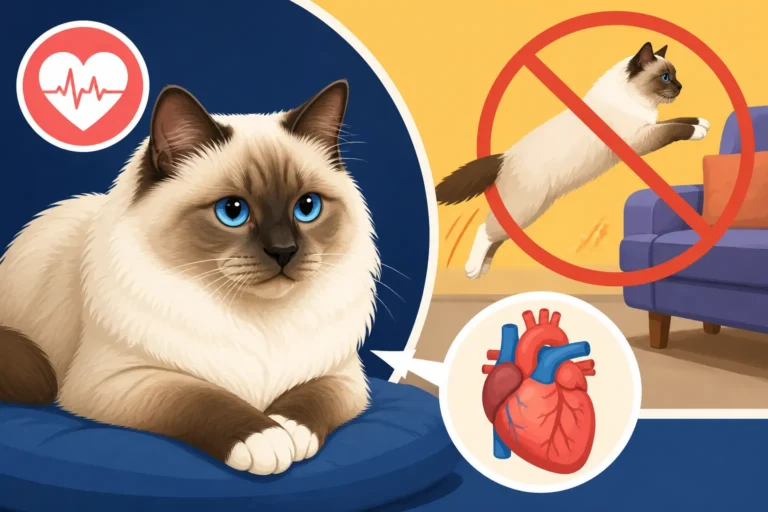
One of the most significant health concerns for Birmans, as with many purebreds, is Hypertrophic Cardiomyopathy (HCM), a heart condition that causes the thickening of the heart muscle. While there isn't a specific DNA test for HCM in Birmans like there is for some other breeds, regular echocardiogram screenings are crucial. This is why you'll often hear breeders talk about HCM in a Birman Has No DNA Test, Only an Echo. It’s a proactive step that can detect the condition early, allowing for management and potentially extending a cat's healthy life. Another genetic concern, though rarer, is Feline Hypotrichosis with Thymic Aplasia, often referred to by the gene responsible, FOXN1. This condition is severe, leading to a lack of hair and a compromised immune system in affected kittens. Responsible breeders stringently test for FOXN1 Is the Birman's Own Genetic Disease to ensure they don't produce affected kittens. Polycystic Kidney Disease (PKD) is another condition that can affect Birmans, having been introduced through past outcrossing to Persians. Thankfully, a DNA test for PKD1 is available, which breeders widely utilize to ensure their lines are clear, as discussed in Why a Birman Breeder Still Tests for PKD.
Beyond genetics, a Birman's placid and gentle nature can sometimes be a double-edged sword when it comes to health. These cats are incredibly stoic, often hiding discomfort or illness until it's quite advanced. This trait, described in Why a Birman Hides Illness Behind a Placid Temperament, means owners need to be incredibly observant for subtle changes in behavior, appetite, or energy levels. An indoor lifestyle is also a major contributor to a Birman's longevity, protecting them from traffic accidents, fights with other animals, and exposure to infectious diseases. It's truly amazing Why an Indoor Birman Reaches Sixteen More Often when kept safe and stimulated within the home environment. Regular veterinary check-ups, a high-quality diet, and consistent grooming to prevent mats (which can hide skin issues) all contribute to their overall well-being and help them reach the upper end of their expected lifespan.
Understanding the Ragdoll Lifespan
Ragdolls, much like Birmans, are known for their sweet, docile temperaments and impressive long coats, making them immensely popular companions. When it comes to their lifespan, Ragdolls also fall into a similar bracket, typically living between 12 and 15 years, with many individuals, especially those from well-bred lines and receiving excellent care, living into their late teens, some even reaching 18 or 20 years. This longevity is a testament to generally robust health, but they are not without their breed-specific health considerations.
Just like Birmans, Ragdolls are predisposed to Hypertrophic Cardiomyopathy (HCM). In Ragdolls, however, a specific genetic mutation (MYBPC3) has been identified, and a DNA test is available for this particular variant. While this test is a valuable tool for breeders, it's important to remember that it doesn't screen for all potential causes of HCM, so regular echocardiogram screenings by a veterinary cardiologist remain a critical part of their health management, particularly for breeding cats. Responsible Ragdoll breeders are diligent about screening their cats, ensuring that genetic conditions are minimized in their lines. Polycystic Kidney Disease (PKD) is another concern, shared with Birmans due to historical outcrossing with Persians. The good news is that a DNA test for PKD1 is available and widely used, allowing breeders to confidently select clear breeding stock.
Other health issues to be aware of in Ragdolls include potential urinary tract problems, such as bladder stones, and a general predisposition to dental disease, which, if left unaddressed, can lead to more systemic health issues. Given their laid-back nature, similar to Birmans, Ragdolls can also be quite adept at concealing discomfort. A slight change in their routine, a subtle decrease in activity, or a shift in appetite might be the only clues that something is amiss. A consistent indoor environment protects them from outdoor hazards and ensures they don't pick up common feline illnesses that can significantly shorten their lives. A balanced, high-quality diet that supports their growth and maintains a healthy weight is paramount, especially considering their large size. Regular grooming is also essential for their luxurious, semi-longhaired coat to prevent matting and allow for early detection of skin problems.
A Head-to-Head Comparison: Birman vs. Ragdoll Longevity
When we put Birmans and Ragdolls side-by-side on the topic of longevity, it becomes clear that both breeds are generally quite long-lived. Their average lifespans, as observed across various studies and anecdotal reports from breeders and owners, typically fall within a similar range of 12 to 16 years. Some sources might suggest Ragdolls have a slight edge, often citing averages up to 15-18 years, while Birmans are consistently in the 12-16 year range. However, these are averages, and individual cats from both breeds can certainly exceed these expectations with proper care. You might even find some Birmans living into their late teens, sometimes outliving their Ragdoll counterparts, and vice-versa. It truly often comes down to individual genetics and the care they receive, rather than a definitive breed superiority in lifespan.
Both breeds share a predisposition to certain common genetic health issues, particularly Hypertrophic Cardiomyopathy (HCM) and Polycystic Kidney Disease (PKD). The critical difference lies in the availability and comprehensiveness of genetic tests. For Ragdolls, a specific DNA test for the common MYBPC3 mutation causing HCM is available, offering a clear screening tool for breeders. While Birmans do not have a DNA test for HCM, regular echocardiogram screenings are the gold standard for both breeds to monitor heart health. For PKD, both breeds benefit from a reliable DNA test (PKD1) that responsible breeders can use to screen their lines. The Birman, however, also has the unique genetic concern of FOXN1 (hypotrichosis with thymic aplasia), which is not a factor for Ragdolls.
The care requirements for both breeds significantly overlap in terms of promoting longevity. An indoor lifestyle is crucial for both, shielding them from external dangers. Regular veterinary check-ups are non-negotiable for early detection and intervention. Diet, dental care, and mental enrichment also play equally vital roles. The key takeaway is that neither breed inherently "outlives" the other by a significant margin. Instead, their potential for a long life is largely dependent on the responsible breeding practices that aim to reduce genetic disease and the ongoing, dedicated care provided by their human families. You can see How Long a Birman Lives Against Other Longhairs generally, placing them well within the range of healthy, purebred cats.
Here's a quick comparison of key factors for both breeds:
| Feature | Birman | Ragdoll |
|---|---|---|
| Average Lifespan | 12-16 years | 12-15 years (up to 18-20 sometimes) |
| HCM Screening | Echocardiogram (no specific DNA test) | Echocardiogram + DNA test for MYBPC3 mutation |
| PKD Screening | DNA test (PKD1) | DNA test (PKD1) |
| Other Genetic Risks | FOXN1 (Hypotrichosis/Thymic Aplasia) | None as common as FOXN1 (some bladder issues) |
| Temperament | Gentle, placid, companionable | Docile, floppy, very sweet-natured |
| Coat Care | Silky, single coat, moderate grooming | Semi-longhaired, dense, moderate grooming |
| Shedding | Moderate | Moderate |
| Vocal Level | Quiet trill, soft meow | Soft, quiet meows |
Strategies for Extending Your Feline Friend's Years
Regardless of whether you share your home with a Birman or a Ragdoll, there are universal strategies that can significantly contribute to them living a full, vibrant life well into their senior years. It's not just about luck; it's about informed decisions and consistent care.
Firstly, diet and nutrition are foundational. Both Birmans and Ragdolls, being moderately active cats, benefit immensely from a high-quality, protein-rich diet. This means looking for wet or dry food where meat is the primary ingredient, avoiding excessive fillers like corn or soy. Ensuring adequate hydration is also crucial, especially considering the potential for kidney issues in both breeds. Many cats don't drink enough water from a bowl, so incorporating wet food into their diet or using a cat water fountain can be really beneficial. This attention to detail is vital for long-term organ health, particularly important given the breed's kidney history (Why a Birman's PKD History Makes Water Intake Matter).
Secondly, preventive veterinary care cannot be overstated. Annual check-ups, even if your cat seems perfectly healthy, are your frontline defense. These visits allow your vet to catch subtle changes that you might miss, such as dental issues, slight weight fluctuations, or early signs of chronic diseases. For breeding cats, and even well into adulthood for pets, How Often a Breeding Birman Needs Scanning for heart conditions like HCM is a proactive measure that saves lives. These screenings can sometimes feel like an added expense, but they are an investment in your cat's future. Investing in pet insurance, like plans offered by Healthy Paws, can provide immense peace of mind, ensuring you can afford the best possible care, including regular screenings and treatments for unexpected illnesses or accidents.
Thirdly, dental health is a silent killer for many cats. Both Birmans and Ragdolls can be prone to dental disease, which, if left untreated, can lead to painful infections and even spread bacteria to vital organs like the heart and kidneys. Regular tooth brushing (if your cat tolerates it), dental treats, and professional dental cleanings under anesthesia when recommended by your vet are essential. Understanding How Dental Disease Progresses in a Birman helps you stay ahead of potential problems.
Finally, providing a safe, enriching indoor environment is crucial. As we've touched upon, an indoor lifestyle dramatically reduces risks. Beyond safety, though, mental and physical enrichment are key. Interactive play sessions, puzzle feeders, scratching posts, and comfortable perching spots can keep your cat engaged and active. Observing your cat's behavior is also paramount, as their placid temperaments can mask discomfort. Pay attention to changes in their grooming habits, litter box use, social interaction, and mobility, especially as they age. An older Birman, for instance, might start slowing down from joint issues or other age-related conditions, making it important to understand What an Ageing Birman Slows Down From. Early intervention based on these subtle signs can make a huge difference in their comfort and quality of life. Considering Healthy Paws insurance before any health issues arise can protect you from significant veterinary costs for these kinds of age-related or unexpected conditions.
By focusing on these comprehensive care strategies, you're not just hoping your Birman or Ragdoll lives a long life; you're actively creating the conditions for them to thrive and enjoy every moment with you.
Disclaimer
Please remember that this article provides general information and recommendations. Every cat is an individual, and specific health concerns should always be discussed with a qualified veterinarian. This content is not a substitute for professional veterinary advice, diagnosis, or treatment.