How Many Months an Affected Birman Kitten Survives
It’s truly devastating when you bring a beautiful Birman kitten into your home, full of hope and excitement, only to realize it's struggling with a severe genetic condition that threatens its very existence. The heartbreaking reality of watching a tiny life battle against overwhelming odds is a pain no pet parent should endure. This comprehensive guide aims to shed light on the grim prognosis faced by Birman kittens affected by FOXN1 deficiency, specifically addressing how many months, or rather how few, they typically survive, and what this means for their care and your difficult choices.
Understanding FOXN1 Deficiency in Birman Kittens
The Birman cat is known for its serene temperament and striking good looks, but like many purebred animals, it carries the risk of certain genetic conditions. One of the most severe is FOXN1 deficiency, often referred to as Birman hypotrichosis or thymic aplasia. This isn't just about a bit of hair loss; it's a profound immune system failure that leaves kittens extremely vulnerable. It's a cruel twist of genetics that can catch even the most diligent breeders off guard if they aren't fully aware of their lines' genetic history. Understanding FOXN1 Is the Birman's Own Genetic Disease is crucial for anyone involved with this wonderful breed.
The Double Whammy: Immune System Failure and Hair Loss
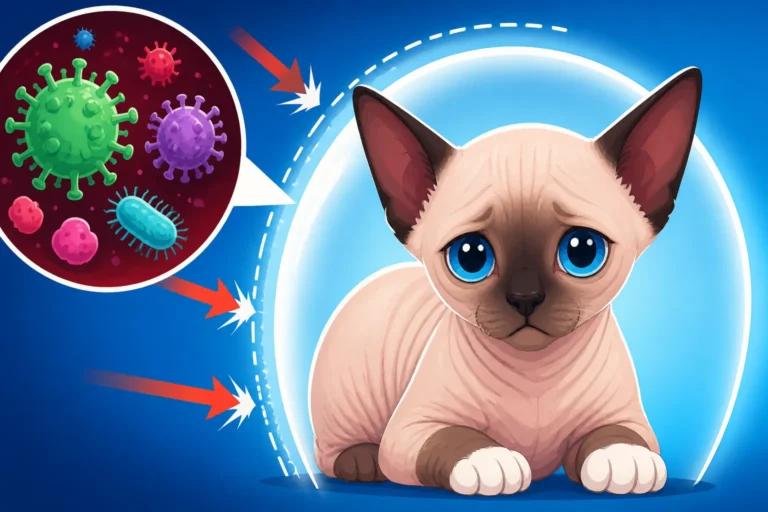
At the heart of FOXN1 deficiency is the malformation or complete absence of the thymus gland, a tiny but mighty organ vital for the development of T-cells, which are a cornerstone of the immune system. Without a functioning thymus, these kittens cannot produce enough T-cells to mount an effective defense against common pathogens. Imagine a tiny warrior going into battle without armor or weapons – that's essentially the immune status of a kitten with thymic aplasia. This immune vulnerability is the primary reason Why a Birman Kitten Born Bald Will Not Reach Eight Months.
Alongside this critical immune failure, these kittens also suffer from hypotrichosis, which means partial or complete hair loss. They might be born bald or with extremely sparse, fuzzy coats that fail to develop properly. Their skin can appear thin, delicate, and often greasy. It's a very distinctive look, and when you see What an Affected Birman Kitten Looks Like at Birth, the lack of the Birman's signature luxurious coat is immediately apparent. This isn't merely a cosmetic issue; the lack of a proper coat further compromises their ability to regulate body temperature and offers little protection against environmental irritants and infections.
How the FOXN1 Gene is Passed Down
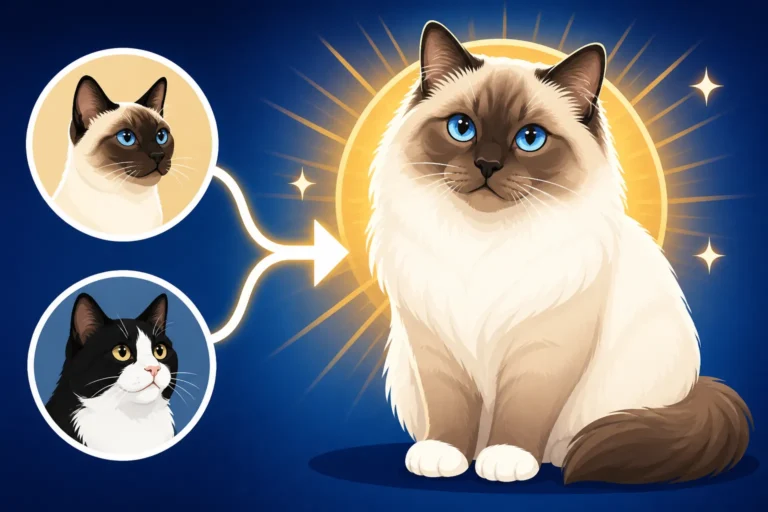
The FOXN1 deficiency is an autosomal recessive genetic condition. This means a kitten must inherit two copies of the faulty gene – one from each parent – to be affected. If a kitten inherits only one copy, it becomes a "carrier," meaning it doesn't show symptoms but can pass the gene on to its offspring. This is why genetic testing is so vital for responsible breeders. Without testing, two unsuspecting carriers could be bred together, resulting in a litter where, statistically, 25% of the kittens could be affected, 50% could be carriers, and 25% could be clear.
The tragedy here is that both parents can appear perfectly healthy, showing no signs of the disease themselves, yet still carry the hidden gene. This silent threat underscores the importance of knowing the genetic status of breeding cats. It’s why conscientious breeders work so hard to avoid situations where Why Two Birman Carriers Should Never Be Mated, protecting both the individual kittens and the long-term health of the breed. Identifying a carrier isn't something you can do by looking at a cat; it requires a specific genetic test to determine How a Birman Carrier Is Identified.
The Grim Prognosis: Survival Timeline for Affected Birman Kittens
Now, to the heartbreaking core of the matter: how long do these precious kittens survive? The reality is stark. Birman kittens affected by FOXN1 deficiency typically have a very short lifespan, often measured in mere weeks or a few short months. Most do not live beyond six to eight months of age, and many succumb much earlier. This isn't a condition they "grow out of" or that can be effectively managed long-term. Their immune systems are so severely compromised that they simply cannot withstand the constant barrage of pathogens present in any environment.
Witnessing this decline is incredibly difficult. One moment, you might have a tiny kitten attempting to play, and the next, it's lethargic and struggling to breathe. The progression is often rapid and unrelenting, leaving little room for hope. Even with intensive veterinary care, the underlying immune deficiency makes recovery from even minor infections a Herculean task, if not impossible.
The Vulnerability of a Compromised Immune System
The most significant factor limiting the survival of FOXN1-affected Birman kittens is their inability to fight off infections. Their tiny bodies are defenseless. They frequently fall victim to a range of common ailments that a healthy kitten would easily shake off. Respiratory infections are particularly prevalent and dangerous, often progressing rapidly to severe pneumonia. A simple sniffle in a healthy kitten can quickly become a life-threatening struggle for one with FOXN1 deficiency. Why a Bald Birman Kitten Catches Every Infection highlights this critical vulnerability.
Gastrointestinal infections, manifesting as persistent diarrhea and vomiting, also plague these kittens, leading to dehydration and further weakening their already fragile systems. Beyond internal infections, their delicate, often hairless skin is prone to bacterial and fungal infections, adding another layer of discomfort and potential systemic illness. It’s a relentless battle, with the kitten constantly fighting for its life against everyday germs. The missing or underdeveloped thymus gland, as detailed in Why a Missing Thymus Leaves a Birman Defenseless, means their bodies simply lack the fundamental tools to survive.
Physical Signs of Decline
As an affected kitten battles these infections, physical signs of decline become painfully obvious. One of the clearest indicators is a general failure to thrive. These kittens often lag significantly behind their littermates in terms of growth and weight gain, appearing smaller and frailer. Their energy levels are typically low; while a healthy kitten is a whirlwind of playful activity, an affected one will be lethargic, sleeping excessively, and showing little interest in play or exploration.
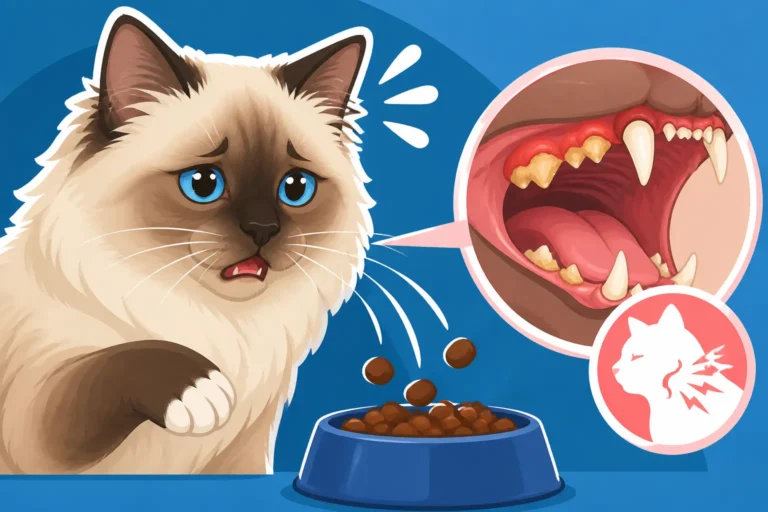
Their sparse coats might look increasingly unkempt or greasy, and skin issues can worsen, sometimes with visible lesions or inflammation. They might struggle with appetite, or conversely, eat but still fail to gain weight due to chronic illness. Respiratory distress, such as labored breathing, sneezing, and nasal discharge, is a common and distressing symptom. Observing these signs makes it clear that the kitten is in constant discomfort and fighting a losing battle, which is incredibly tough for any loving caregiver to witness.
Making Difficult Decisions and Support
When faced with a Birman kitten suffering from FOXN1 deficiency, owners and breeders often find themselves in an incredibly difficult position, grappling with ethical considerations and overwhelming grief. The emotional toll is immense, as the desire to save the kitten clashes with the grim medical reality.
Euthanasia: A Compassionate Choice
For many, the most compassionate decision for a FOXN1-affected Birman kitten is euthanasia. While heartbreaking, this choice prevents prolonged suffering. There is currently no cure or effective long-term treatment for this condition. Veterinary interventions can offer temporary relief from symptoms, but they cannot address the fundamental immune deficiency. These kittens face a future of chronic illness, repeated infections, discomfort, and a severely diminished quality of life.
The decision to put a beloved pet to sleep is never easy, but in these circumstances, it’s often made to spare the kitten from a life of constant pain and struggle. As heartbreaking as it is, understanding Why an Affected Birman Kitten Is Usually Put to Sleep is part of facing the difficult truth of this disease. It's a final act of love to prevent further suffering, ensuring the kitten finds peace.
Supporting Breeders and Owners
The journey of discovering a kitten with FOXN1 deficiency can be incredibly isolating for breeders and new owners alike. Breeders often feel immense guilt and responsibility, despite their best efforts and sometimes even after genetic testing. It's important for them to remember that genetic conditions can be complex, and their dedication to identifying and addressing these issues is what ultimately strengthens the breed.
For owners, the financial strain of continuous veterinary care for a kitten with such a severe prognosis can be significant. This is where pet insurance, like policies offered by Healthy Paws, can sometimes offer a safety net, although it's crucial to understand policy exclusions for pre-existing or genetic conditions before purchasing. Beyond finances, the emotional support system for owners is paramount. Connecting with other Birman enthusiasts or support groups can provide comfort and understanding during such a painful time. It’s also important to consider What Testing a Birman for FOXN1 and PKD1 Together Costs as a part of the responsible breeding process, which unfortunately adds to the overall financial commitment.
Preventing Future Cases
The best way to combat FOXN1 deficiency is through prevention. Responsible breeding practices, centered around genetic testing, are the cornerstone of protecting the Birman breed from this devastating condition. It’s a commitment that breeders make to ensure the health and longevity of their beloved cats.
The Power of Genetic Testing
Genetic testing is an indispensable tool in a responsible Birman breeder's arsenal. A simple cheek swab can reveal whether a cat is clear, a carrier, or affected by the FOXN1 gene. This information is critical for making informed breeding decisions. A "clear" cat has no copies of the gene and cannot pass it on. A "carrier" cat has one copy and will not develop the disease but can pass it to offspring. An "affected" cat has two copies and will develop the disease. By routinely testing all breeding stock, breeders can avoid mating two carriers, thereby eliminating the possibility of producing affected kittens.
Many reputable laboratories offer the FOXN1 test, such as those that specialize in feline genetic diseases. Knowing Which Lab Runs the Birman FOXN1 Test allows breeders to choose reliable and accredited services. While not all registries explicitly require the FOXN1 test, responsible breeders consider it a non-negotiable part of their health screening protocol to safeguard the future of the breed.
Ethical Breeding Practices
Ethical breeding goes beyond simply producing beautiful kittens; it prioritizes their health and well-being above all else. For Birman breeders, this means rigorously testing for FOXN1 and other known genetic conditions, then making responsible decisions based on those results. A carrier cat, for example, can still be part of a breeding program, but only if mated with a cat that is genetically clear for FOXN1. This strategy allows for maintaining genetic diversity while steadily reducing the incidence of the disease within the breed.
Publishing and sharing test results openly builds trust and transparency within the Birman community. It allows potential kitten buyers to verify the health screenings of parent cats, giving them peace of mind that they are bringing home a healthy kitten. This commitment to transparency and ethical practices is vital for the long-term health and reputation of the Sacred Cat of Burma.
Birman Kitten Health Comparison: Healthy vs. FOXN1 Affected
Here's a quick overview of how a healthy Birman kitten generally compares to one affected by FOXN1 deficiency:
| Characteristic | Healthy Birman Kitten | FOXN1 Affected Birman Kitten |
|---|---|---|
| Coat | Thick, silky, full coat, developing points | Bald patches or extremely sparse, thin, fuzzy hair |
| Immune System | Robust, able to fight off common infections | Severely compromised, thymic aplasia (underdeveloped/absent thymus) |
| Growth/Development | Thrives, grows steadily, playful, energetic | Fails to thrive, stunted growth, lethargic, weak |
| Health Issues | Generally robust, minor kitten ailments | Chronic, recurring infections (respiratory, GI, skin) |
| Response to Illness | Recovers well from typical kitten illnesses | Struggles to recover, prolonged illness, poor prognosis |
| Expected Lifespan | 12-16 years with good care | Rarely beyond 6-8 months, often much shorter |
| Intervention | Routine vet care, vaccinations | Intensive, ongoing veterinary support, often palliative |
| Quality of Life | Excellent, full of zest | Severely diminished, constant struggle, discomfort |
It's clear from this comparison that the impact of FOXN1 deficiency is profound and life-limiting. Responsible breeding practices and genetic testing are the best tools we have to prevent this devastating condition and ensure a healthy future for the Birman cat breed.
Disclaimer
The information provided in this article is for educational and informational purposes only and does not constitute veterinary advice. Always consult with a qualified veterinarian for any health concerns or before making any decisions about your pet's care.