How Often HCM Turns Up in Echo Scanned Birman Lines
There's nothing quite as unsettling as the thought of a beloved pet facing a serious health challenge, especially when that challenge can be as sneaky and silent as heart disease. For those of us who share our homes and hearts with the gentle Birman, the concern about Hypertrophic Cardiomyopathy (HCM) is very real. This guide aims to pull back the curtain on how often HCM is identified in echo-scanned Birman lines, offering a realistic, in-depth look at what this means for breeders and owners alike.
Understanding HCM and Its Impact on Birmans
Hypertrophic Cardiomyopathy, or HCM, is the most common heart disease in cats, and it's something many purebred cat owners, including Birman guardians, worry about. It's a progressive condition where the muscular walls of a cat's heart thicken, particularly the left ventricle. This thickening makes the heart less efficient at pumping blood, leading to potential complications like congestive heart failure, blood clots, and sudden death. It's a heartbreaking reality that many breeds, including our beautiful Birmans, can be genetically predisposed to this condition.
The Silent Threat of HCM
One of the most frustrating and terrifying aspects of HCM is its tendency to lurk silently. Cats are masters at hiding illness, and Birmans, with their placid and tolerant nature, are especially adept at it. A Birman might be quietly battling a thickening heart for months, or even years, before any outward symptoms become apparent. You might notice very subtle changes – perhaps they're not jumping as high as they used to, or they're a little less playful, but these can easily be dismissed as normal aging or a temporary mood.
The actual physical changes within the heart are gradual. Initially, the thickening might be mild, not significantly impacting the cat's quality of life. But as the muscle continues to grow, it can impede blood flow, leading to fluid accumulation in the lungs (pulmonary edema) or around the lungs (pleural effusion), which are signs of congestive heart failure. At this stage, symptoms like rapid breathing, difficulty breathing, or coughing become more evident. Tragically, sometimes the very first sign an owner sees is a sudden, acute event, like a blood clot causing paralysis in the hind legs, or even sudden death. This silent progression underscores why proactive screening is so incredibly vital, especially in breeds like the Birman.
Genetic Predisposition in Pedigree Cats
The reality for many pedigree breeds, including the Birman, is that selective breeding, while aiming for specific desirable traits, can sometimes inadvertently concentrate genes responsible for certain health conditions. This is often a consequence of a narrower gene pool, a factor that certainly played a role in the Birman's history, especially after its post-war rebuilding from a very limited number of founders, as discussed in What a Narrow Founder Base Left in the Birman. For some breeds, a specific genetic mutation linked to HCM has been identified, and a DNA test is available. This is a fantastic tool for breeders, allowing them to make informed decisions and remove affected or carrier cats from their breeding programs.
However, and this is a major point of frustration and concern for Birman breeders and owners, a specific DNA test for HCM in Birmans simply does not exist. This lack of a genetic marker means we cannot definitively identify which Birmans carry the predisposition through a simple swab. Instead, we must rely on a different, more hands-on, and regular screening method: the echocardiogram. This is why it’s so crucial to understand that HCM in a Birman Has No DNA Test, Only an Echo. It places a significant responsibility on breeders to consistently screen their cats to catch any signs of the disease early, even if the genetic puzzle pieces remain elusive.
The Role of Echo Scans in Birman Breeding Programs
Given the absence of a DNA test for HCM in Birmans, the echocardiogram stands as the single most important tool in managing this devastating disease within the breed. For responsible Birman breeders, echo scanning isn't just a recommendation; it's a cornerstone of their health protocol. It's their way of actively monitoring the heart health of their breeding stock, striving to produce healthy kittens and, over time, reduce the incidence of HCM in the breed.
What an Echocardiogram Reveals
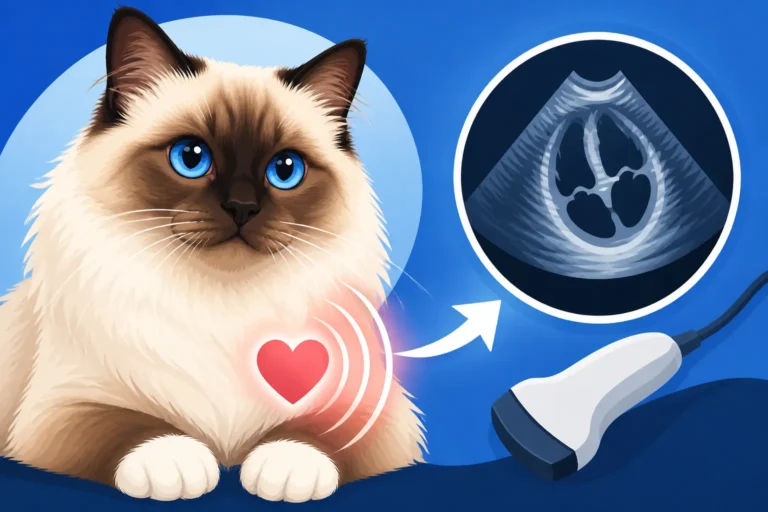
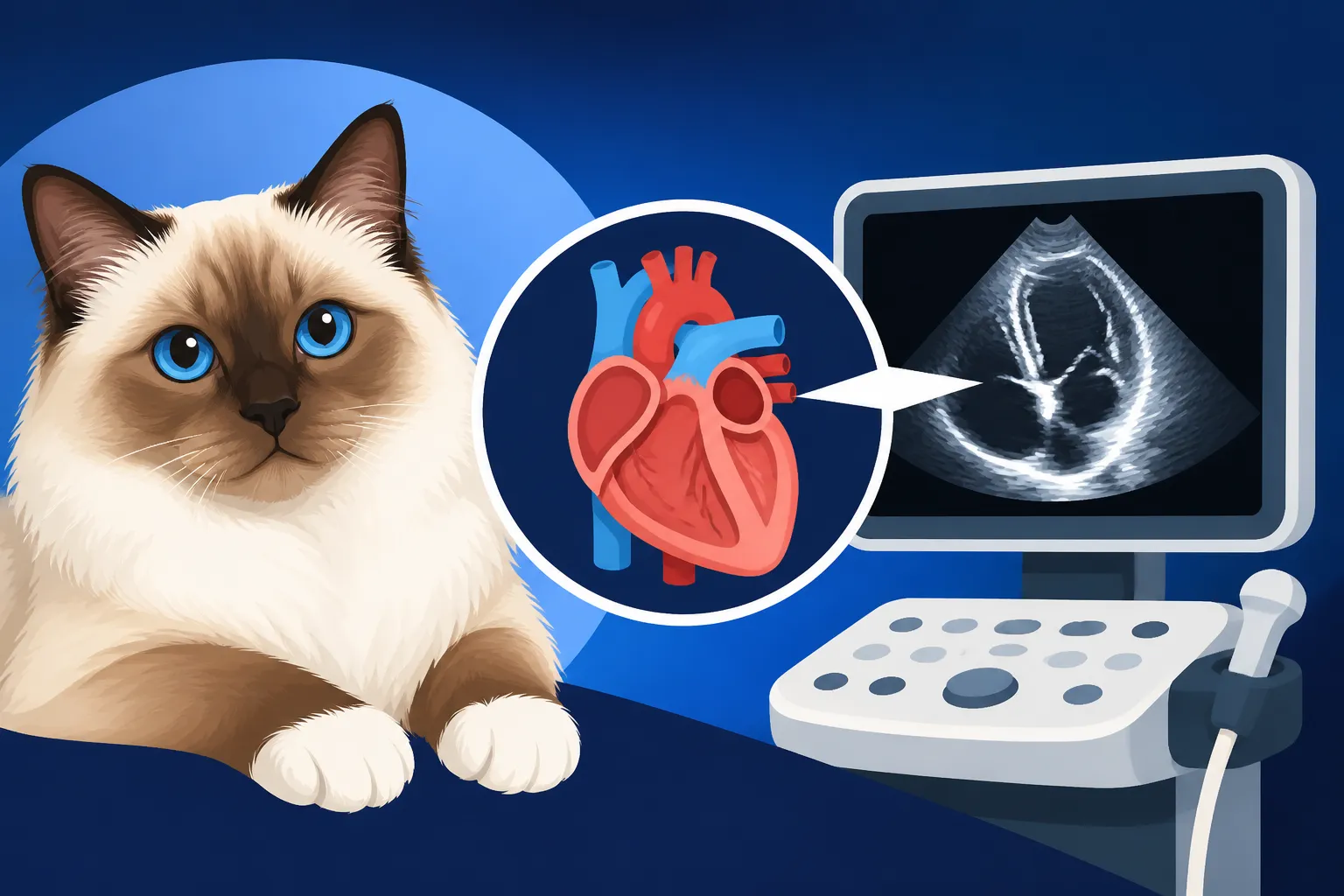
An echocardiogram is essentially an ultrasound of the heart. It's a non-invasive, pain-free procedure that allows a veterinary cardiologist to visualize the heart's structure and function in real-time. For your Birman, this usually means a calm visit to a specialist clinic. The cat lies gently on its side, and a technician or cardiologist uses a probe with ultrasound gel to scan the chest, capturing detailed images of the heart. Most Birmans, with their wonderfully docile temperaments, tolerate this very well, often without the need for sedation, which is always a plus.
During the scan, the cardiologist is looking for several key indicators. They precisely measure the thickness of the heart muscle walls, particularly the left ventricle. They also assess the size of the heart chambers, evaluate the motion of the heart valves, and observe blood flow patterns through the heart. These measurements and observations help determine if there's any abnormal thickening characteristic of HCM. A "clear" result means that, at the time of the scan, the heart appears structurally normal with no evidence of HCM. However, it's vital to remember that a clear scan is a snapshot in time. HCM can develop later, which is why ongoing, regular screening, particularly for breeding animals, is non-negotiable. Knowing What a Cardiologist Measures on a Birman's Heart Wall can help you understand the importance of these findings.
Breeder Responsibilities and Transparency
The ethical responsibility for Birman breeders to conduct regular HCM screenings cannot be overstated. By consistently echo-scanning their breeding cats, breeders are not just protecting their own lines; they're contributing to the overall health and future of the entire Birman breed. The recommendation from major Birman clubs and feline health organizations is that breeding cats should be scanned annually, typically starting at around one year of age. This commitment to regular screening helps identify affected cats early, preventing them from unknowingly passing on the predisposition to their offspring. This critical practice is detailed further in How Often a Breeding Birman Needs Scanning.
Beyond just performing the scans, transparency is absolutely crucial. Reputable breeders will not only carry out these health checks but will also be completely open and willing to share the results with prospective kitten buyers. This often includes providing copies of the cardiology reports for both parents of a litter. Some breeders even go a step further and participate in public health databases, like those facilitated by PawPeds, where results are voluntarily submitted and made accessible. This level of transparency allows buyers to make informed decisions and helps to hold breeders accountable. This is precisely Why a Birman Breeder Publishes Echo Results – it builds trust and demonstrates a genuine commitment to health. Without this, it’s nearly impossible to gauge the true health history of a line.
Prevalence of HCM in Echo-Scanned Birman Lines
Now to the core of the question: how often does HCM turn up in echo-scanned Birman lines? This isn't a simple statistic to pinpoint globally, as it depends heavily on the specific line, the breeder's diligence, and the age of the cats being scanned. However, we can certainly paint a realistic picture based on the practices of responsible breeding programs and available data from health databases.
In rigorously and consistently echo-scanned Birman breeding lines, the incidence of newly diagnosed HCM in active breeding cats is typically kept quite low. The goal of screening is to identify affected cats before they are bred, or early in their breeding career, and then to remove them from the breeding program. Because of these proactive measures, you'll find that truly responsible breeders strive for and often achieve a very low rate of positive HCM diagnoses in their actively breeding adults – ideally in the low single-digit percentages, if not zero. If HCM does turn up in a breeding cat, that cat is immediately retired, and careful consideration is given to any offspring already produced.
However, this doesn't mean HCM is entirely eliminated from the breed. Even in the best-screened lines, a cat that was clear one year might develop HCM a year or two later. Genetic predispositions can be complex, and HCM can have various genetic causes, some still unknown. The focus of regular screening is continuous vigilance and proactive management. It's about minimizing the risk, not guaranteeing its complete absence. The longer a cat lives, the higher the cumulative risk, even with clear parents. This is why it's also important to consider How Many Years a Birman From Echo Scanned Lines Lives and the ongoing health considerations through their life.
Statistics and Interpretations from Screening Programs
Gathering universal, hard-and-fast statistics on HCM prevalence for Birmans can be challenging because there isn't a single, mandatory global registry for all echo results. However, organizations like PawPeds have established invaluable international health databases where participating breeders voluntarily submit their cats' HCM screening results. These databases offer the closest thing we have to real-world prevalence figures within actively screened populations.
When reviewing data from such programs, you'll often see categories like "Normal," "Equivocal," and "HCM." "Normal" indicates no signs of the disease. "Equivocal" means there are some borderline changes that warrant re-scanning in 6-12 months, as they might progress to HCM or remain stable. "HCM" means a definitive diagnosis. In lines where breeders consistently screen, the vast majority of results will be "Normal." The "Equivocal" category is crucial because it acts as an early warning system. When HCM is positively identified in a cat within these programs, it's typically an indication that the screening worked – the disease was detected, allowing the breeder to make informed decisions about that cat's future, especially regarding breeding. The frequency of "HCM" diagnoses in these diligently screened populations tends to be much lower than in unscreened populations or breeds with a higher known genetic prevalence. This highlights that "turning up" means detection, which, in the context of a robust health program, is a success in management, not necessarily an indictment of the line's overall health.
| Screening Status | Breeding Birman Protocol | Pet Birman Recommendation | Implications of HCM Diagnosis |
|---|---|---|---|
| Normal | Annual echo scan | Discuss with vet (every 1-3 yrs after age 8, or if murmur detected) | Continue breeding if otherwise healthy, re-scan annually |
| Equivocal | Re-scan in 6-12 months | Re-scan in 6-12 months, or as vet advises | Temporarily or permanently remove from breeding depending on progression |
| HCM Positive | Immediately removed from breeding | Ongoing veterinary management and medication | No further breeding; careful monitoring of offspring |
The Impact of Age on Detection
One of the most important considerations when discussing HCM prevalence and screening is the role of age. HCM is often a progressive disease, meaning the heart thickening can worsen over time. A Birman that receives a completely clear echocardiogram at one year of age might, unfortunately, develop signs of HCM at three, five, or even eight years old. This is precisely why repeated screening is so vital for breeding animals. The recommendation for annual scans for breeding cats is specifically designed to catch these later-onset cases.
For pet Birmans, even those from thoroughly screened lines, the risk doesn't completely disappear. While the chances are significantly reduced, a Birman could still develop HCM later in life. This is why regular veterinary check-ups are so important for all Birmans, regardless of their breeding status. Your vet will listen to your cat's heart at every visit, and if they detect a heart murmur – even a subtle one – it's often a trigger for a more in-depth cardiac evaluation. This is precisely Why a Murmur in a Birman Sends You Straight to an Echo, regardless of age or previous clear scans. Understanding that At What Age a Birman's Heart Starts to Thicken can vary widely further reinforces the need for ongoing vigilance throughout your Birman's life.
Mitigating Risk and Living with a Birman
Bringing a Birman into your home is a joyous experience, and while the thought of HCM can be daunting, there are many proactive steps you can take as an owner to mitigate risks and ensure your beloved companion lives a full, happy life. It really starts with making informed choices and maintaining open communication with your veterinarian.
Choosing a Responsible Breeder
The single most impactful decision you can make to mitigate the risk of HCM is choosing a responsible, ethical Birman breeder. A good breeder will be transparent about their health testing protocols and eager to discuss the heart health history of their lines. Don't be shy about asking direct questions:
- "Do you regularly screen your breeding cats for HCM using echocardiograms?"
- "Can I see the cardiology reports for both parents of the kitten I'm interested in?"
- "Are your cats scanned by a board-certified veterinary cardiologist?"
A reputable breeder will not only answer these questions confidently but will also provide verifiable documentation. They should be willing to show you certificates from organizations like the Orthopedic Foundation for Animals (OFA) or evidence of participation in breed-specific health programs like PawPeds. They should also be able to explain their policies if a breeding cat receives an "equivocal" result or an HCM diagnosis, which generally involves retiring that cat from breeding. A breeder who dismisses these concerns or is vague about their testing practices is a major red flag. By choosing a breeder committed to health, you are setting your kitten up for the best possible start in life, directly influencing The Age a Birman Starts Needing Yearly Heart Checks to potentially be later in life for a pet Birman.
Life with a Birman and Heart Health
Even with the best breeding practices, owning a Birman from echo-scanned lines still means being vigilant about their health throughout their lifespan. Regular veterinary check-ups are paramount. Your vet is your primary partner in monitoring your Birman's well-being. During annual exams, they will listen carefully to your cat's heart for any murmurs or abnormal rhythms. As we've discussed, Birmans are often masters of disguise when it comes to illness, so you, as their dedicated caregiver, need to be attuned to subtle behavioral changes.
Keep an eye out for signs that, while mild, could indicate an underlying heart issue. These might include reduced energy levels, being less enthusiastic about play, showing a decreased appetite, or any changes in their breathing pattern, such as faster breathing when at rest. A Birman might also start hiding more or simply seem "off." While their placid nature makes them wonderful companions, it also means Why a Quiet Birman Is Easy to Misread when they're not feeling well. If you ever notice these kinds of changes, don't hesitate to contact your vet. Early detection can make a significant difference in managing HCM. Understanding How HCM Shows Up in a Birman and that Why a Birman With HCM Stops Jumping are critical observations can empower you to act quickly.
Finally, consider pet insurance. While it doesn't prevent HCM, it can certainly help with the financial burden should your Birman ever need extensive cardiac diagnostics or long-term medication. Companies like Healthy Paws offer comprehensive plans that can cover everything from diagnostics to specialist visits and prescription medications, providing peace of mind. Investing in a good pet insurance policy, such as one from Healthy Paws, early in your Birman's life can ensure you're prepared for unexpected veterinary costs, including those associated with managing a condition like HCM. It's an invaluable safety net that allows you to focus on your cat's care rather than the bill. Many Birman owners find pet insurance, like Healthy Paws, to be a worthwhile investment for the breed’s specific health considerations.
Disclaimer
This article is for general informational purposes only and does not constitute professional advice. Laws, prices and regulations vary by location and change over time. Consult a qualified professional for guidance on your specific situation.